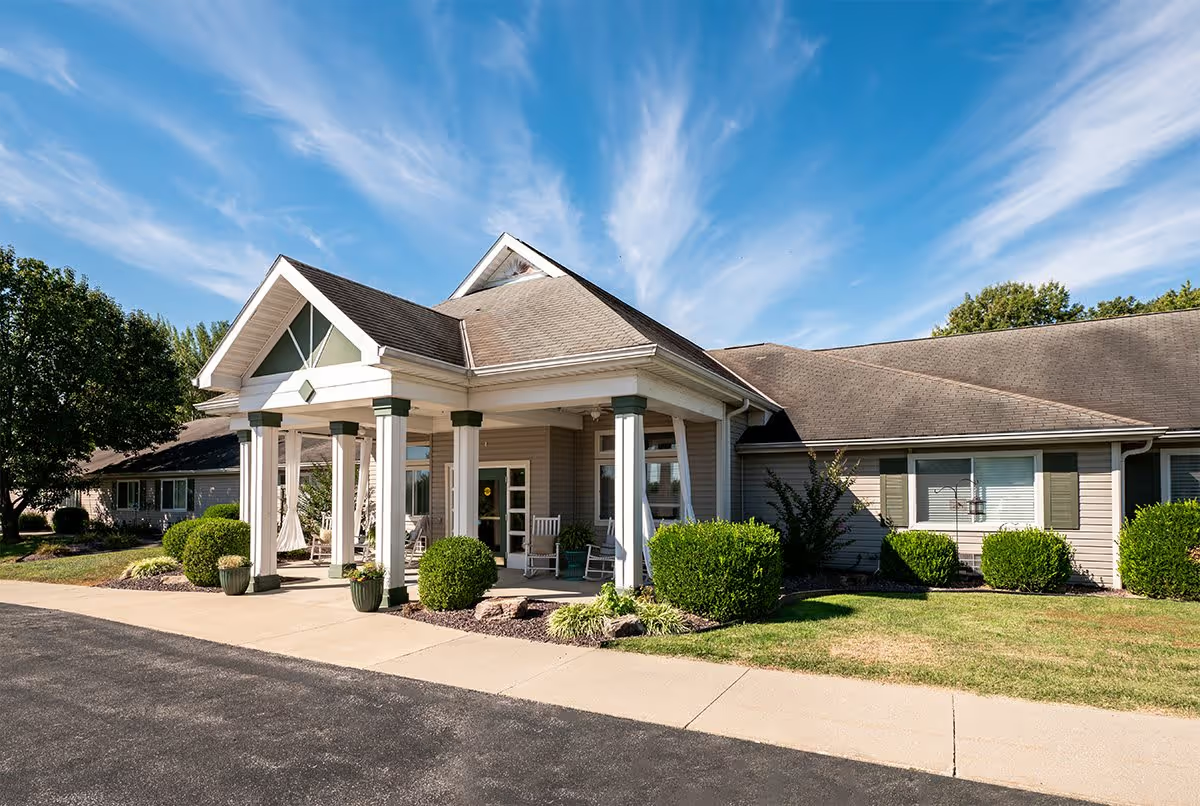
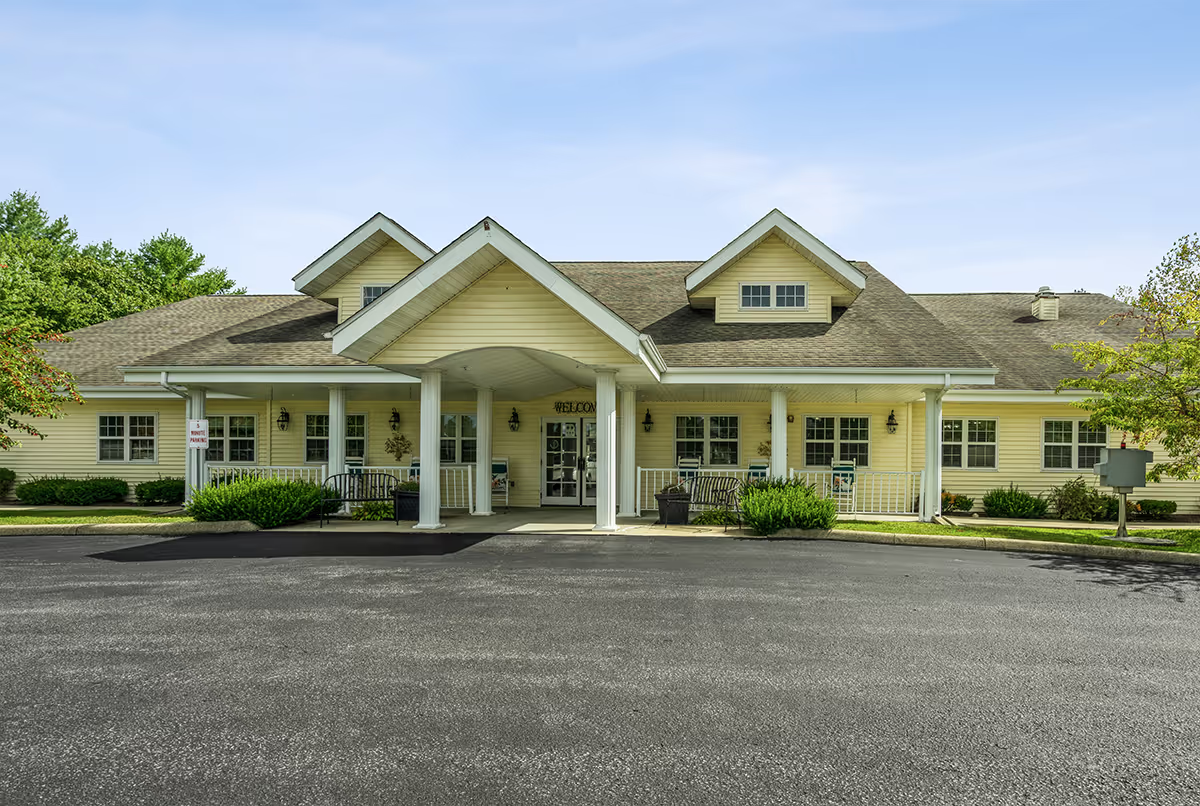
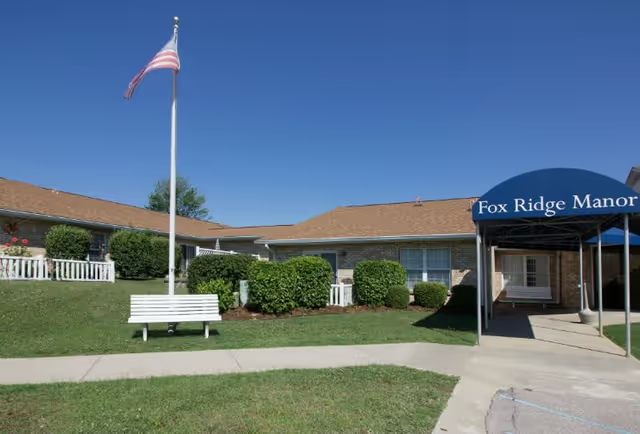
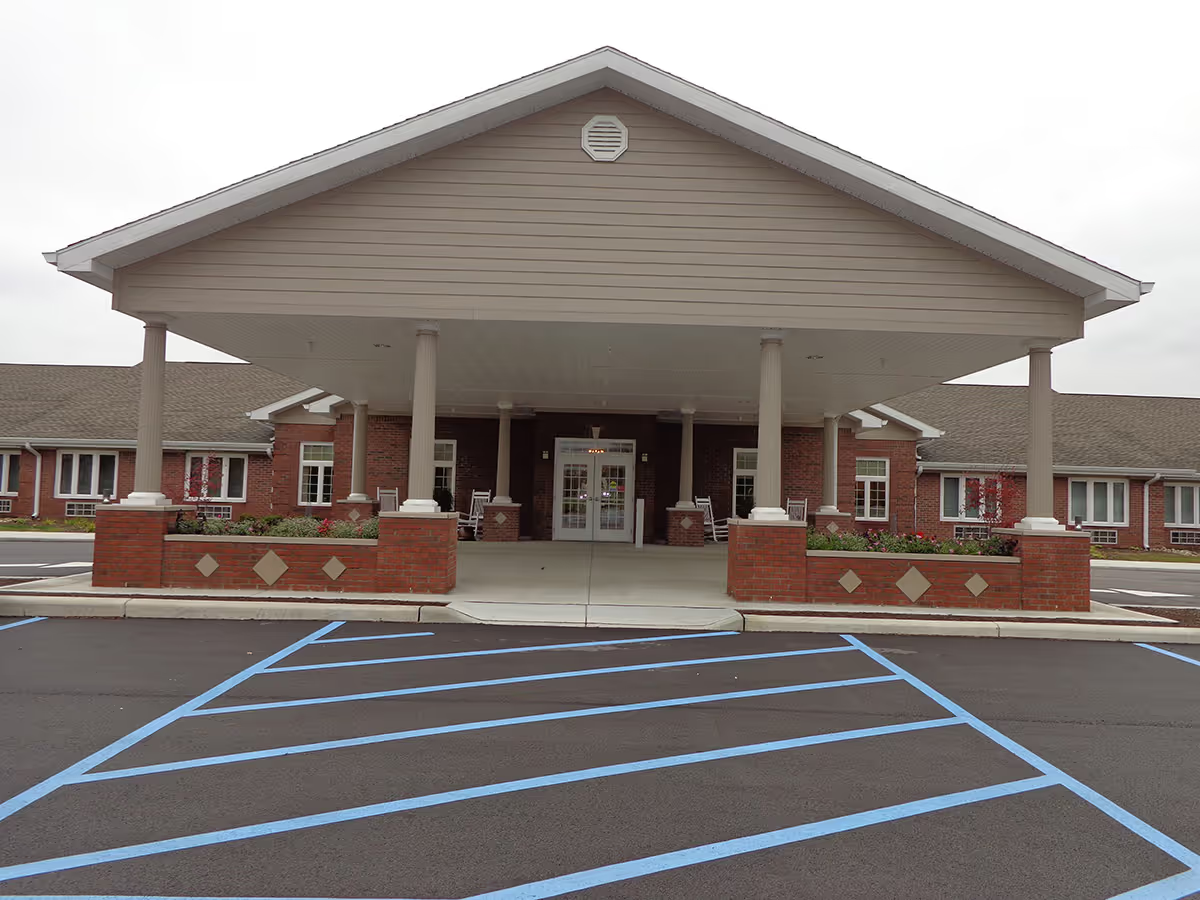
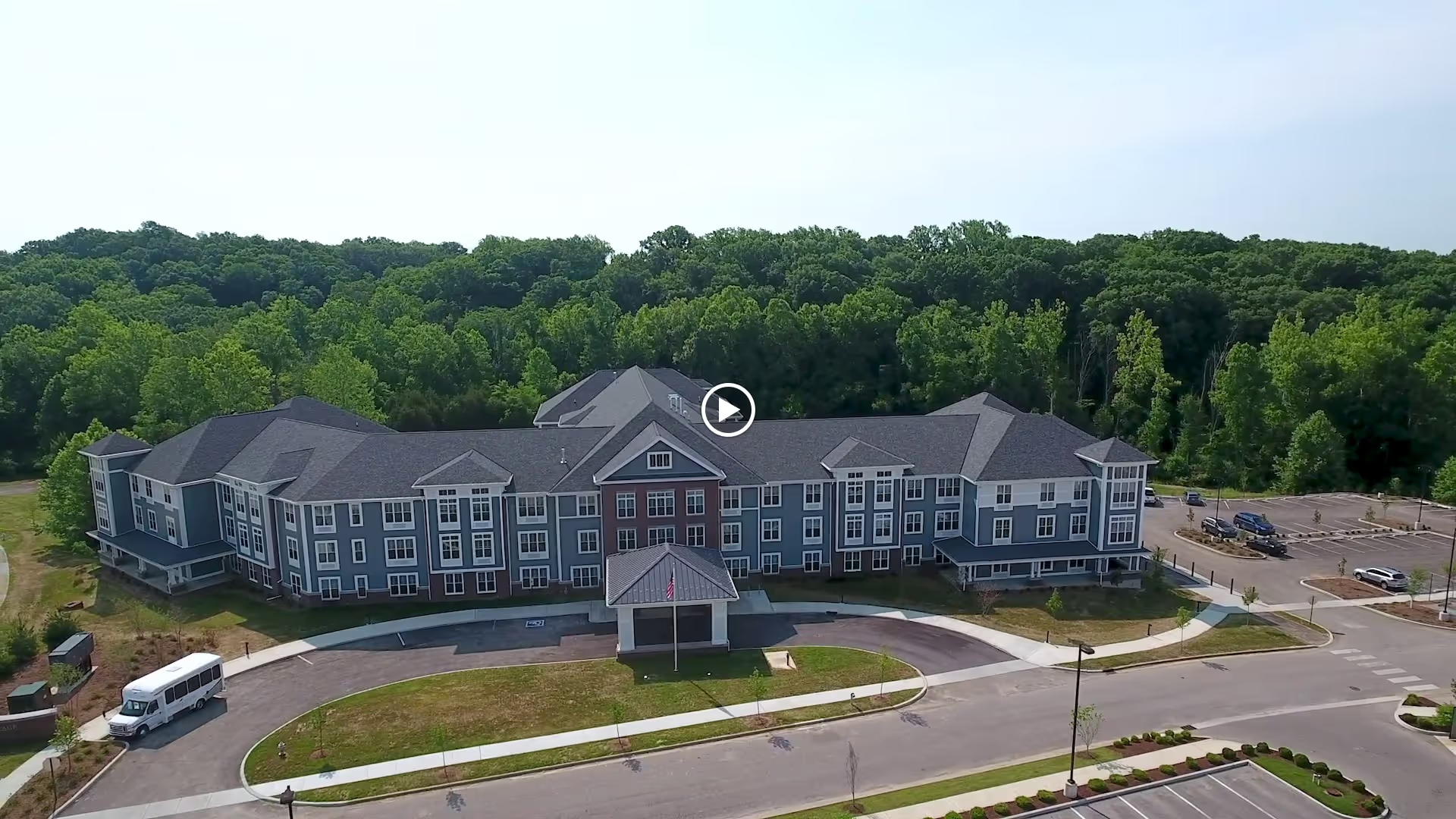
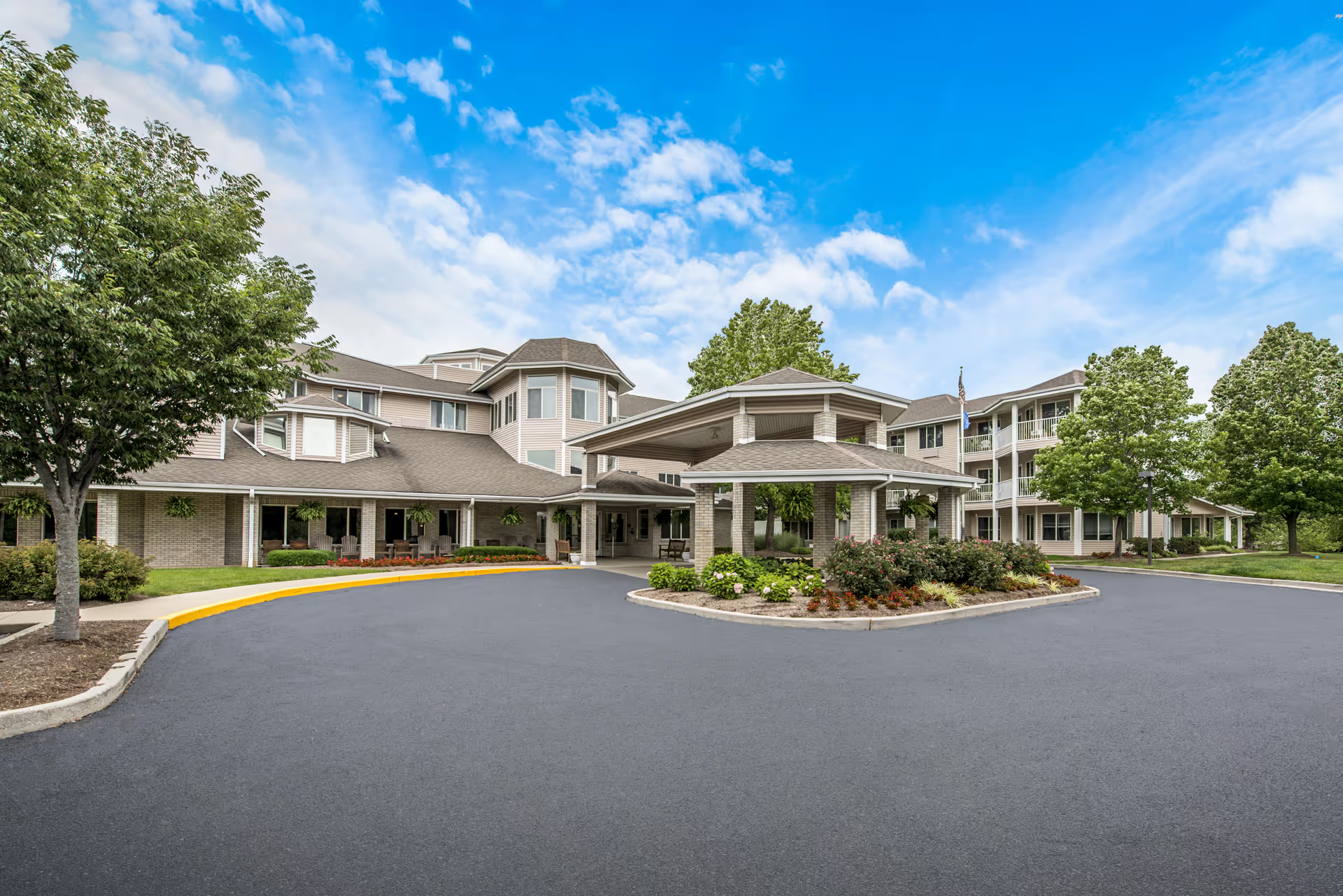
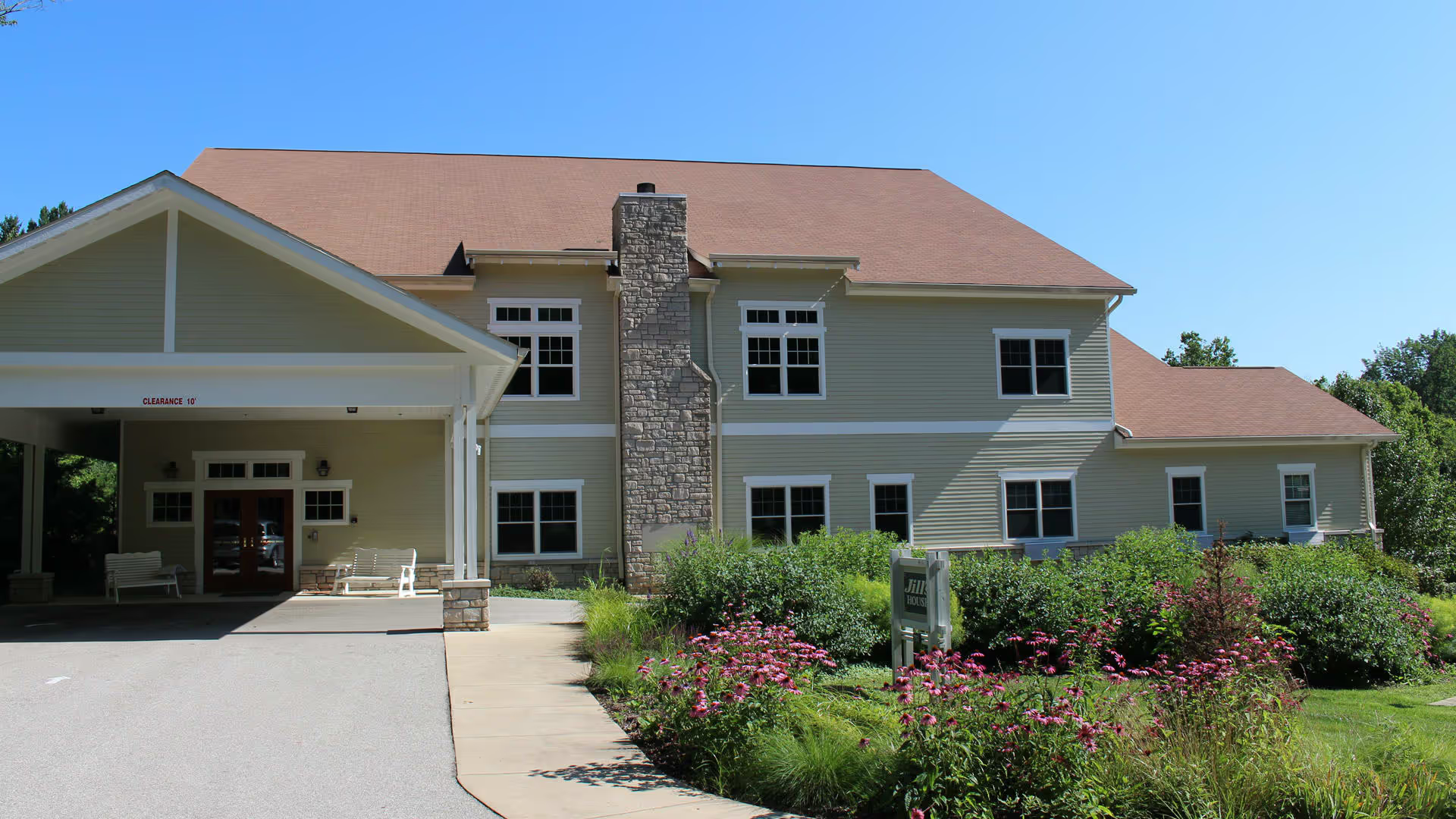
Ketcham Memorial Center presents as a physically attractive, well‑maintained nursing and rehabilitation facility with a number of clear strengths and some operational weaknesses families should evaluate. Reviewers consistently describe a clean, remodeled building with pleasant grounds, up‑to‑date therapy spaces and equipment, and generally positive dining. The facility’s physical-therapy department and rehabilitation services are frequently highlighted as strong points; staff in therapy are described as knowledgeable and dedicated. Many accounts also emphasize courteous, welcoming admission and caregiving staff, a home‑like atmosphere, and multiple examples of staff going beyond basic duties to assist residents and families.
On the clinical side there are notable positive impressions for residents needing rehabilitation or consistent care; however, several reviews raise concerns about the consistency and oversight of clinical care. Specific patterns include medication‑management decisions affecting residents with cognitive impairment, unmet needs for residents who require one‑on‑one attention, and reports of delays in responding to call lights or family inquiries. These comments point to gaps in day‑to‑day nursing follow‑through and care planning for residents with dementia or complex behavioral needs.
Staff behavior and communication create a mixed picture. Many reviewers describe caregivers as kind, compassionate, and helpful, and some single out front‑line employees for patient, welcoming interactions. At the same time, other families described unresponsive staff, ignored phone calls, and management that did not adequately follow up on concerns. There are also indications that behavioral incidents (resident aggression) and falls occurred and that staff resources or procedures to manage those situations were perceived as insufficient by some families.
Dining and amenities receive largely favorable comments: meals are described as good or delicious, and the facility atmosphere is noted as pleasant and free of institutional odor. Therapy spaces and equipment are called out as strengths. Activity programming is not frequently detailed in the material provided, but the grounds and communal spaces are regarded positively.
Facility layout and accommodations should be confirmed during a visit: rooms are commonly set up for two residents and some reviewers noted small room sizes and limited private‑room options. Prospective residents and families who prioritize private rooms or larger personal spaces should verify availability and floor plans.
Management and follow‑up are recurring themes. Concerns include inconsistent communication with families, decisions around medication and care plans that families viewed as harmful, and uneven handling of complaints or end‑of‑life discussions. Given the mixture of strong rehabilitation services and cleanliness together with these operational concerns, families should ask specific questions before admission: current staffing ratios and availability for one‑on‑one care, fall‑prevention and transfer protocols, policies for medication management for cognitive disorders, behavioral‑management supports, private‑room availability, and the facility’s process for family communication and grievance resolution. Observing staff responsiveness and speaking with therapy and nursing leadership during a tour will help clarify whether the facility’s strengths align with an individual resident’s needs.