Care quality and clinical capability: Reviews indicate that the facility provides warm, individualized memory-care services well suited to many people with Alzheimer’s or related dementias. Families commonly describe one-on-one attention and staff who understand resident preferences, leading to apparent resident comfort and engagement. At the same time, there are repeated indications that the facility’s staffing model and clinical capacity may not meet the needs of residents who require higher levels of medical or physical assistance; families noted CNA assignments and shift patterns that felt thin for very high-dependency care. Prospective residents with complex medical needs should verify specific staffing ratios and clinical competencies during intake.
Staff and communication: Direct-care staff receive consistent praise for compassion, respect, and personal interest in residents. Several accounts singled out individual leaders and directors as strong contributors to the culture and programming. Families describe attentive communication and staff who build relationships with residents. Conversely, there are also accounts of concerning administrator behavior and communications in the admissions/management sphere; some families described interactions they found unprofessional and raised allegations of discriminatory conduct. These management-level concerns appear distinct from the bedside caregiving quality but have affected family trust in administrative processes.
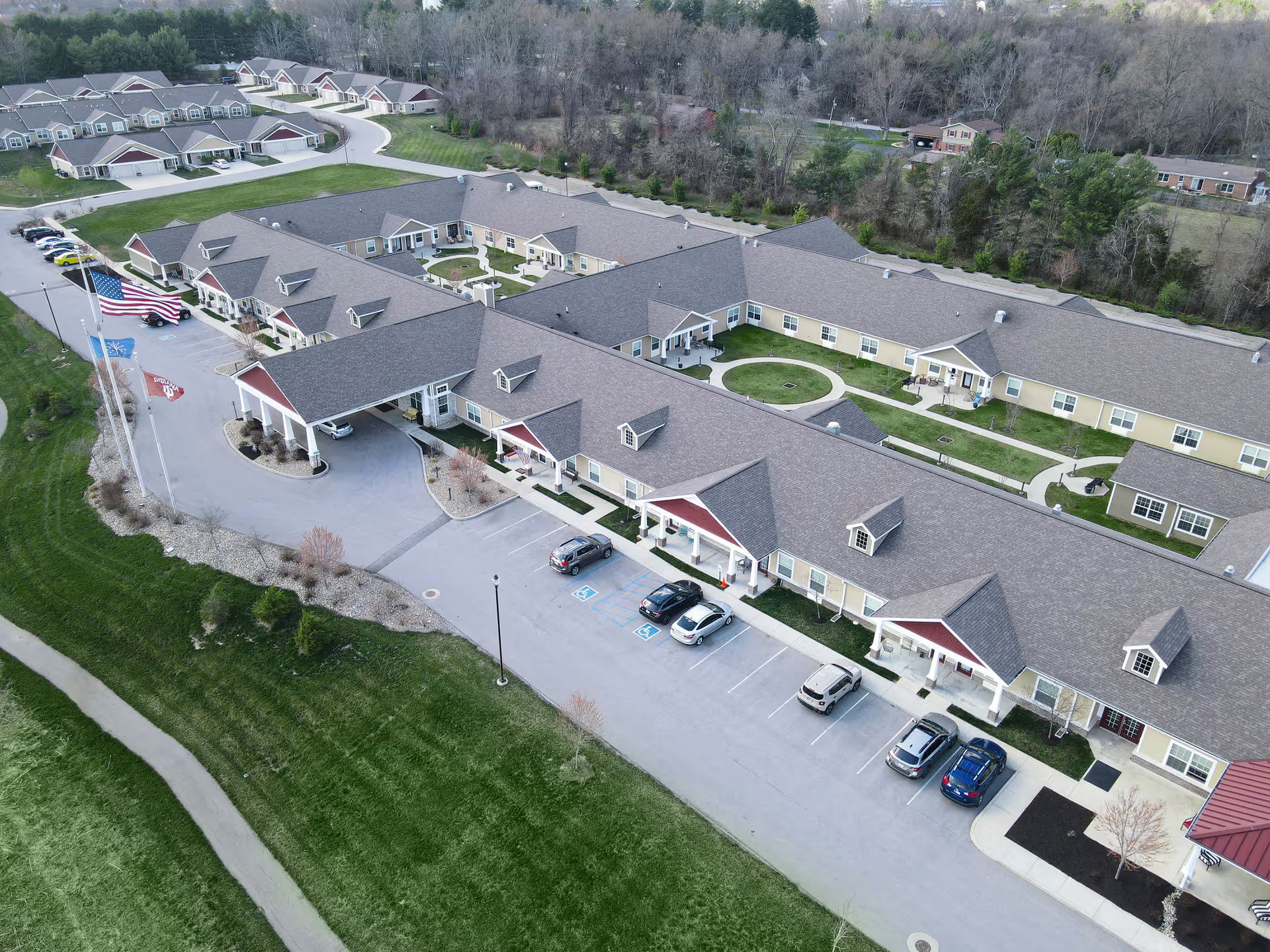
Activities and social programming: The community appears to offer an active, dementia-focused activity program with arts projects, engaged group time, and stimulation appropriate to memory-care residents. The environment is described as friendly and calm, with residents participating in social activities and intergenerational interactions (including preschool programs). Overall the programming and physical layout — multiple common areas and a community-oriented design — support social engagement and routine.
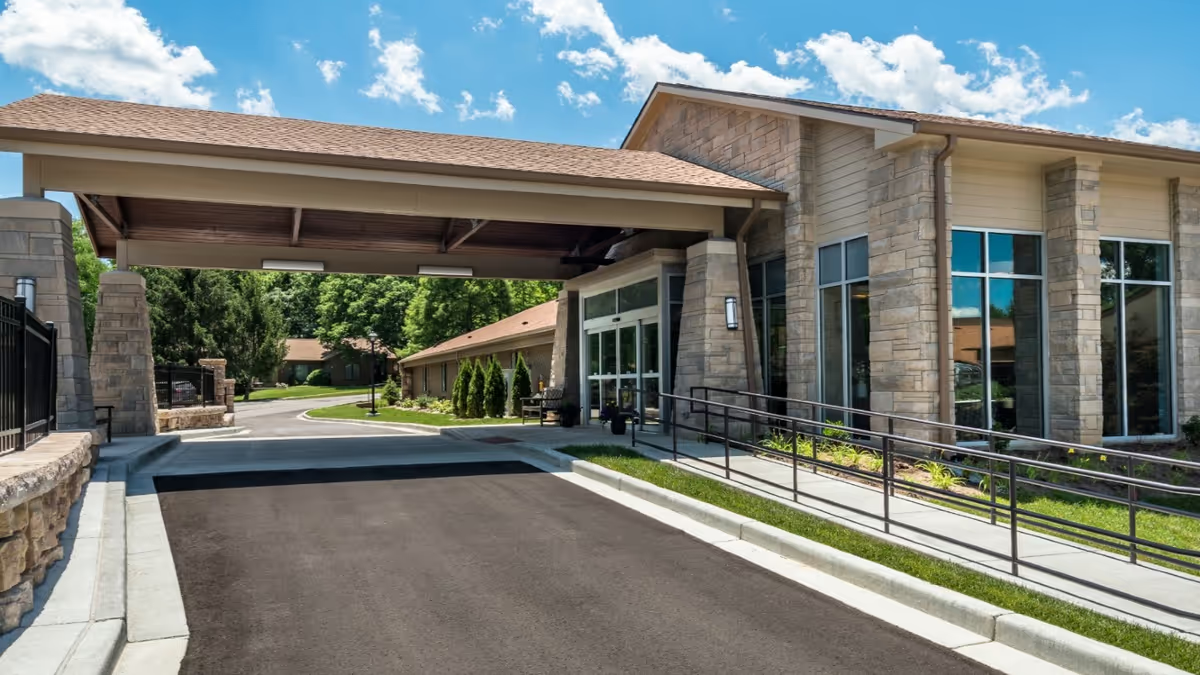
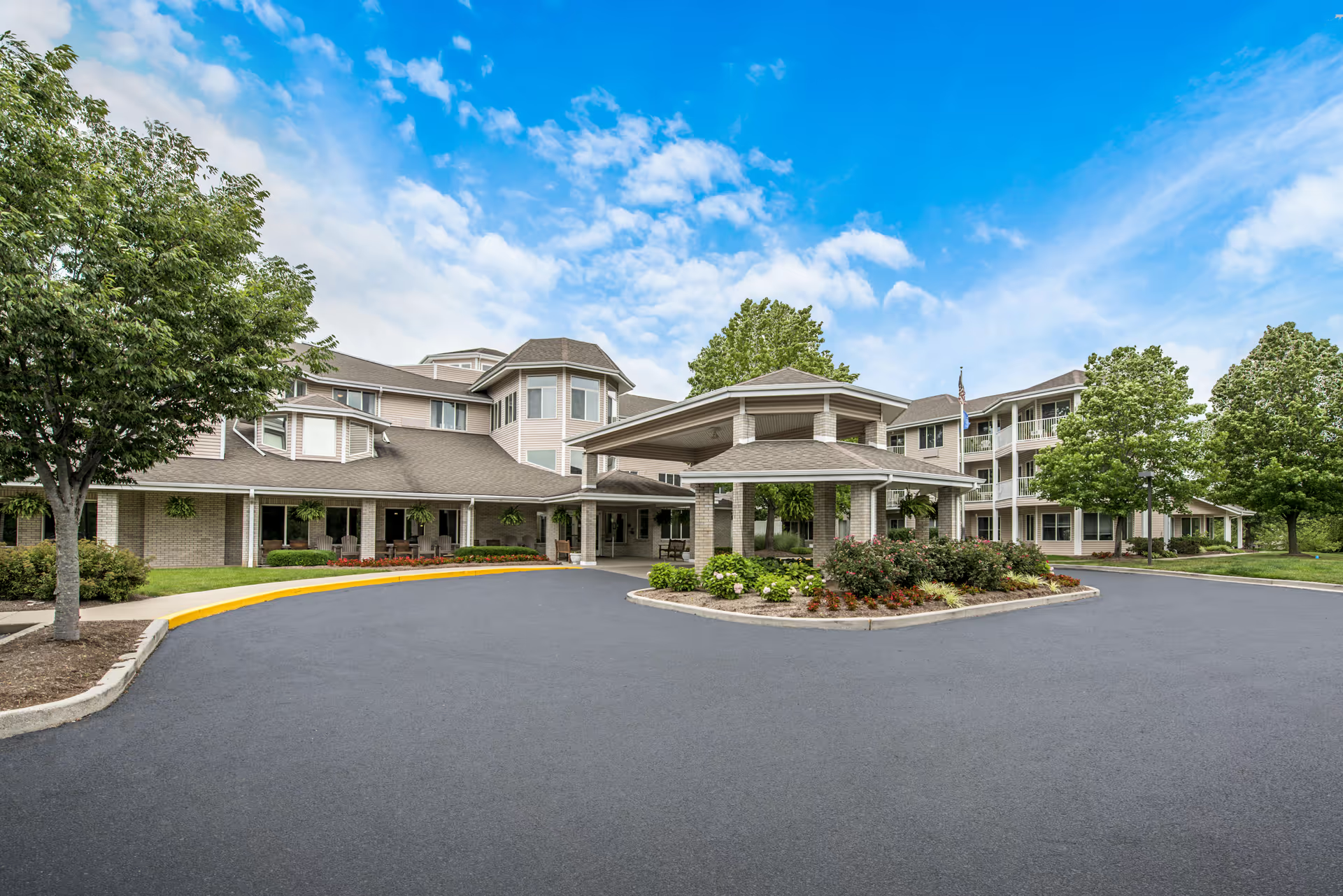
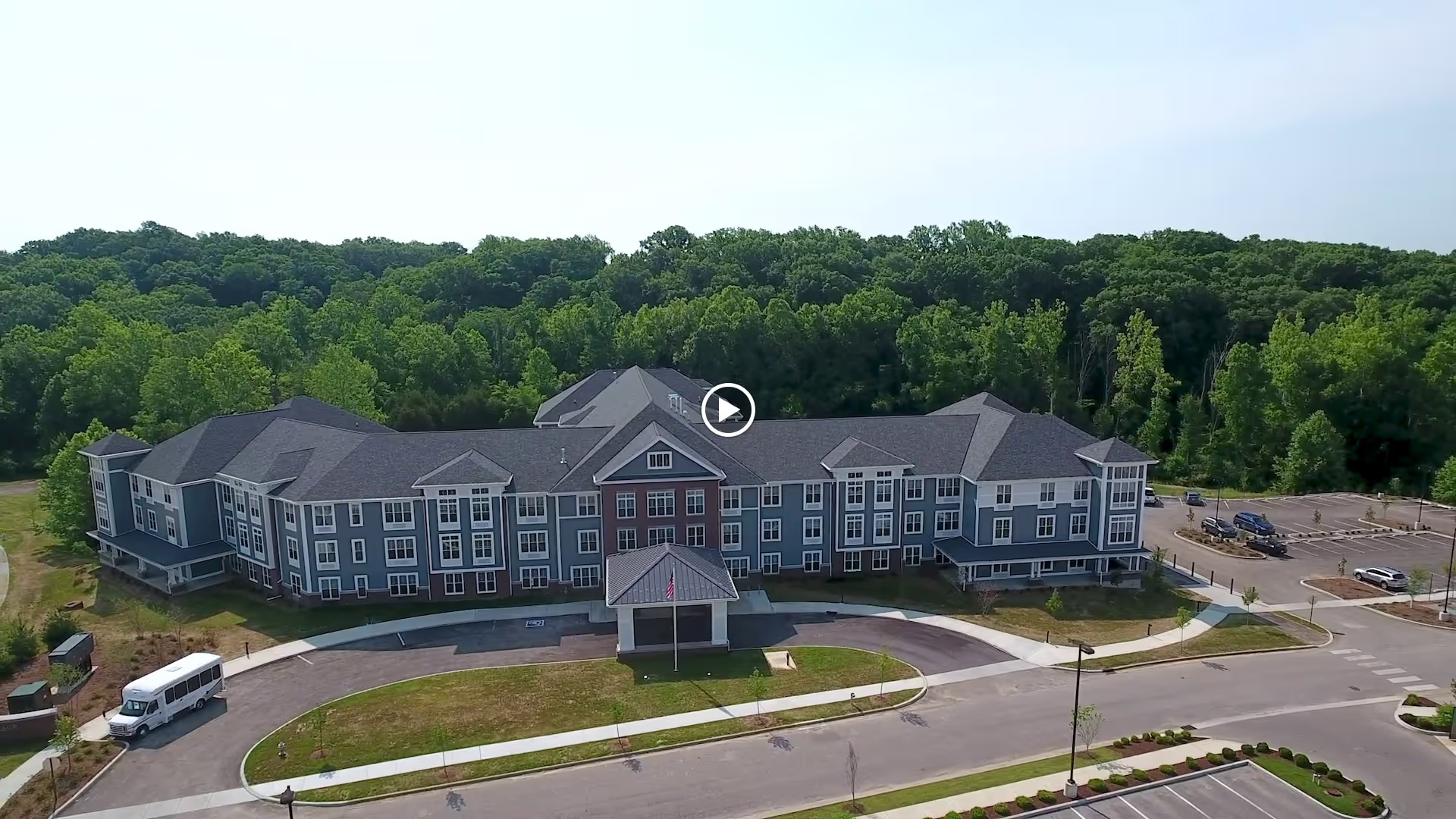
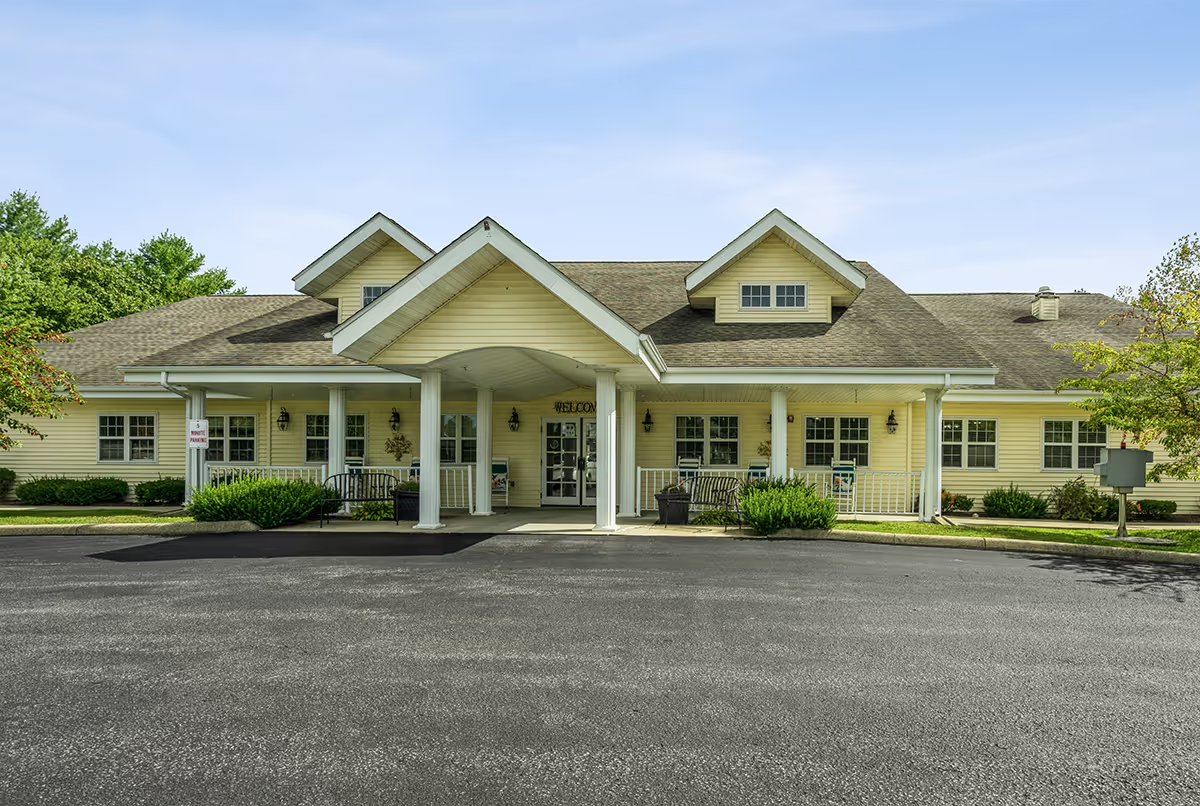
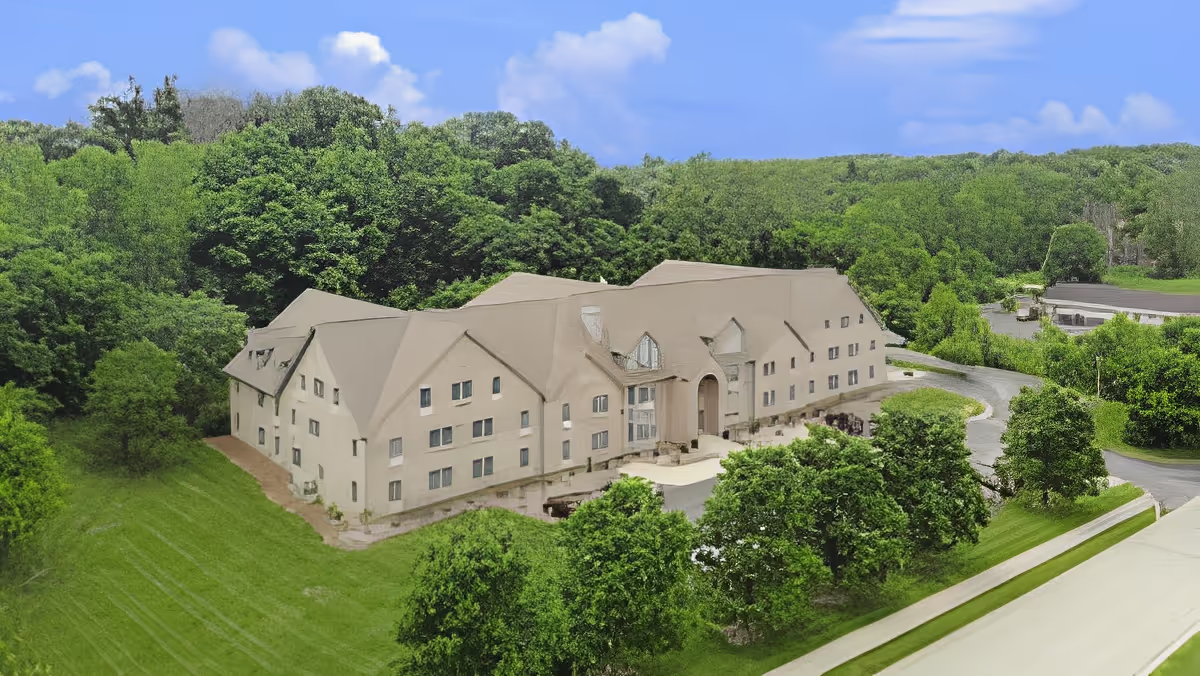
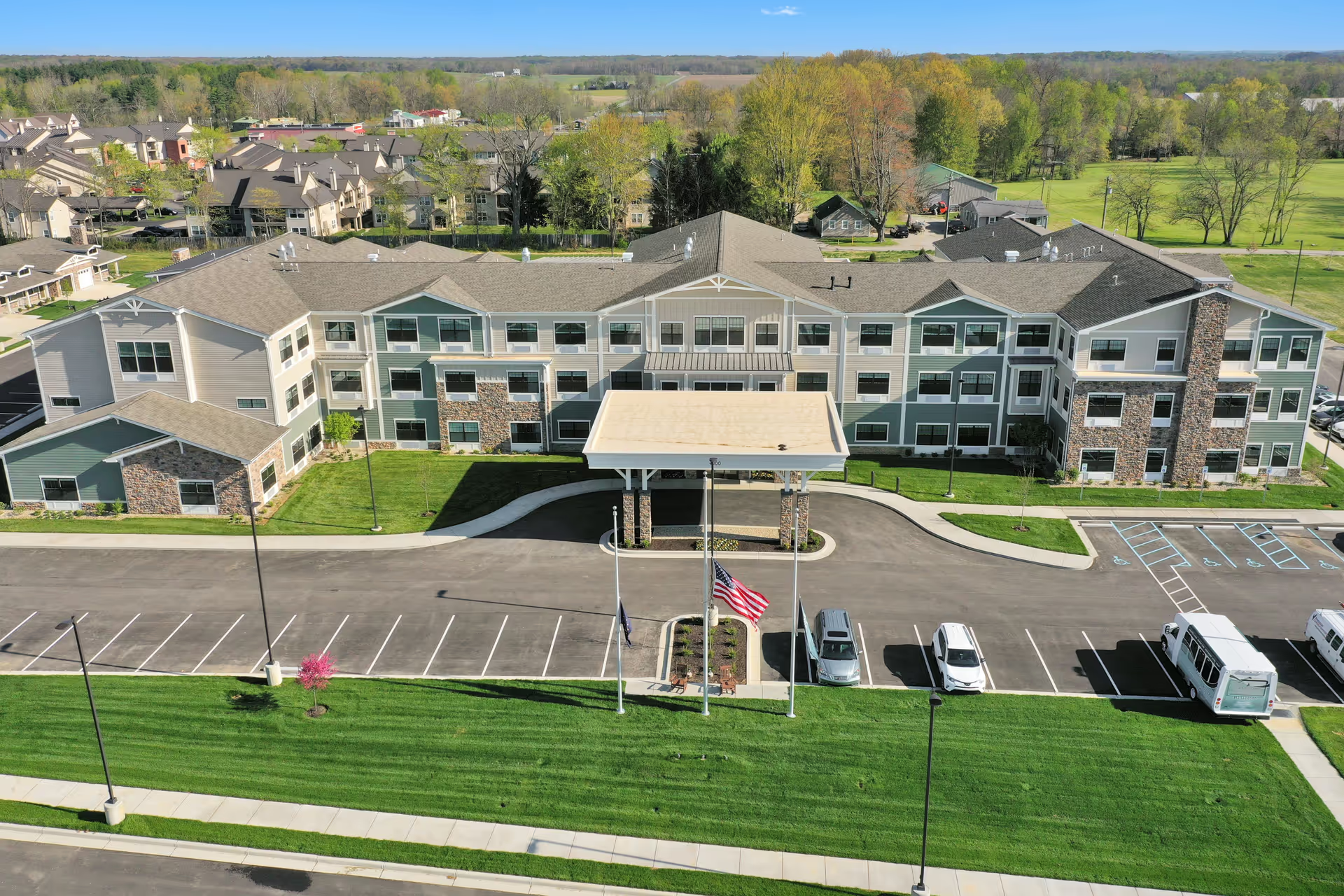
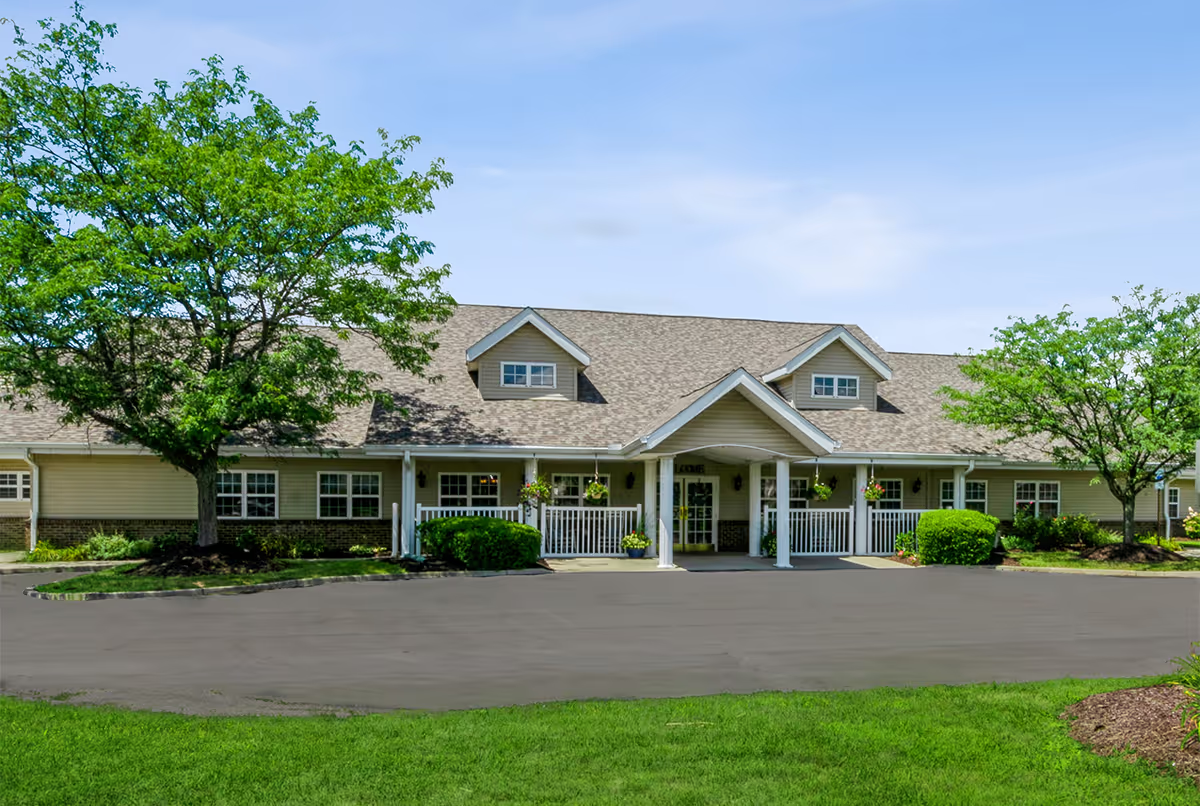
Facilities and environment: Physical spaces are consistently described as clean, neat, and welcoming. Rooms and shared areas are maintained and contribute to a reassuring atmosphere for residents and visitors. Families repeatedly mention a warm, home-like feel and accessible communal spaces that encourage interaction.
Dining and ancillary services: Review content provided limited specific detail about dining quality and menu offerings. Because comments about meals were sparse, families should request menu samples, meal schedules, and special-diet accommodations during a tour to confirm fit with nutritional preferences and clinical needs.
Management, admissions, and operational patterns: A notable pattern in the feedback concerns admissions and administrative processes. Issues include waitlist mismanagement, an application fee that some families said was not refunded promptly, and perceptions that admission order was not always honored. There were also references to leadership change and transition-related disruption. These operational weaknesses have occasionally overshadowed otherwise positive impressions of the caregiving staff. Prospective families should clarify the facility’s admissions, billing, and complaint-resolution policies and seek written confirmation of waitlist position and refund terms.
Overall impression and recommendations: The facility demonstrates clear strengths in person-centered memory care, staff-resident relationships, activity programming, and a well-maintained environment. However, prospective residents — especially those with higher medical or personal-care needs — should confirm staffing levels and clinical capabilities. Additionally, families should evaluate administrative processes (admissions, fees, and communication) and raise any concerns about conduct or equitable treatment during the tour or prior to contract signing. Combining an on-site visit focused on clinical staffing, dining, and administrative policies with conversations with current families will provide the most complete picture for decision-making.