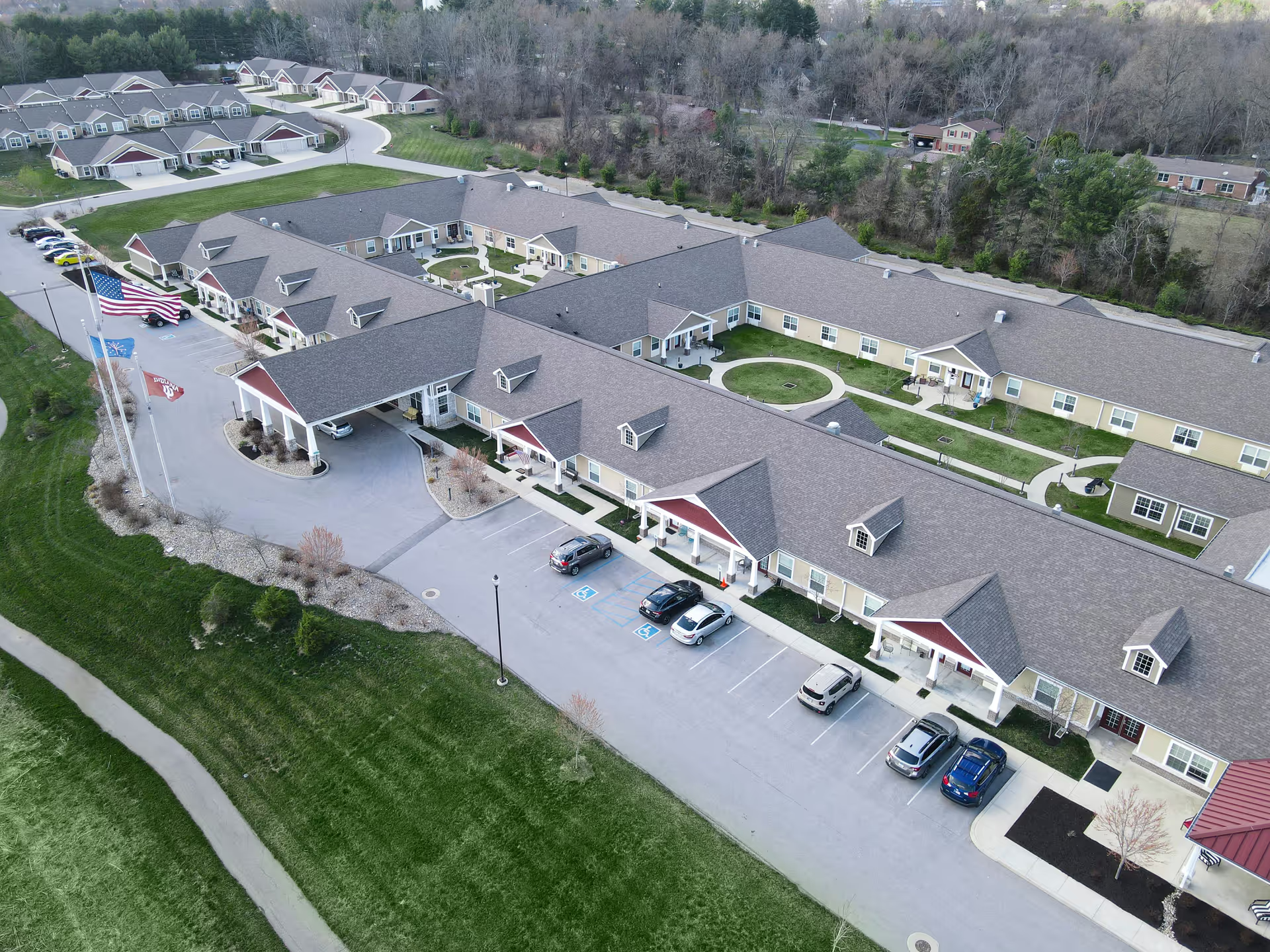
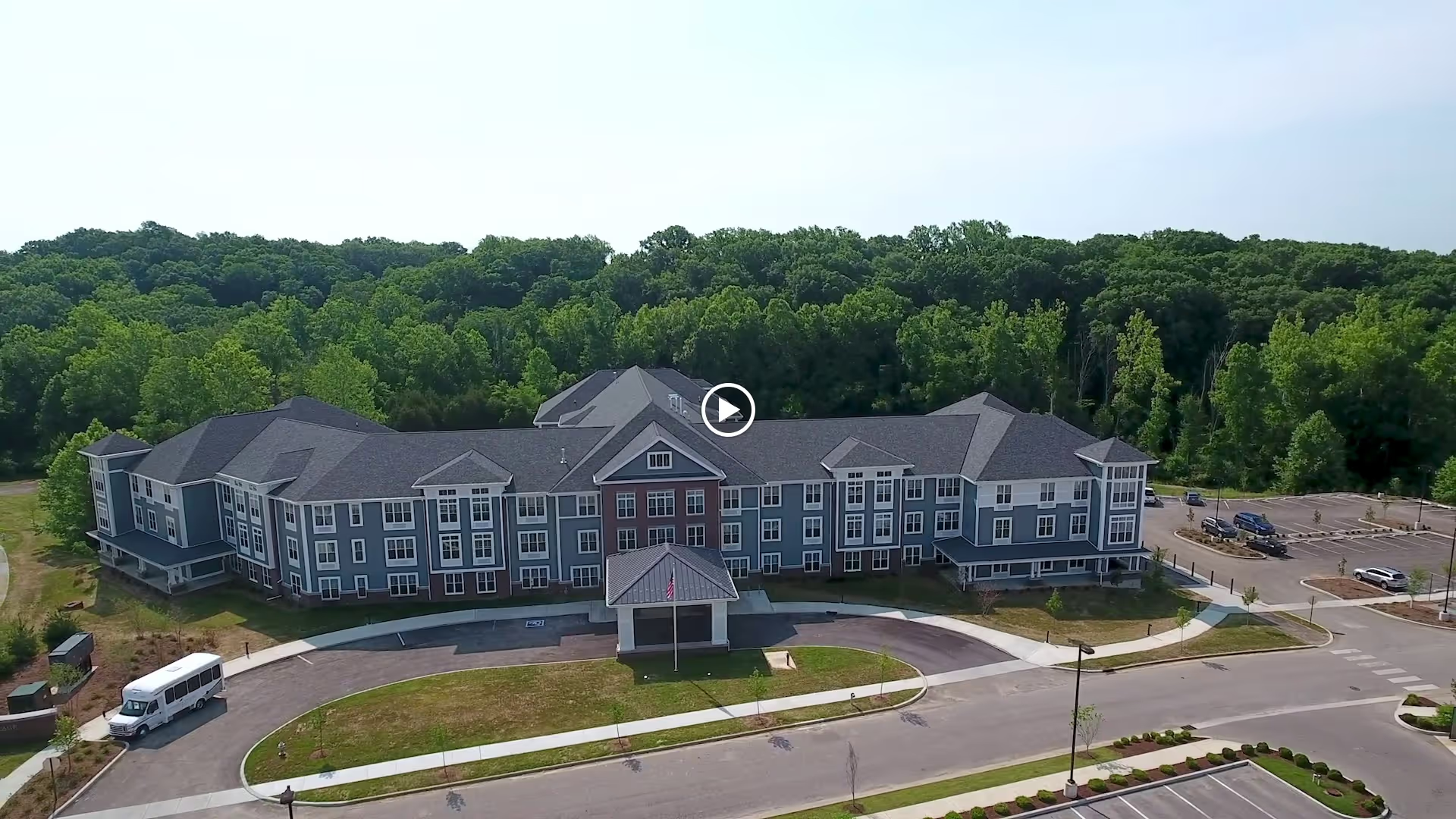
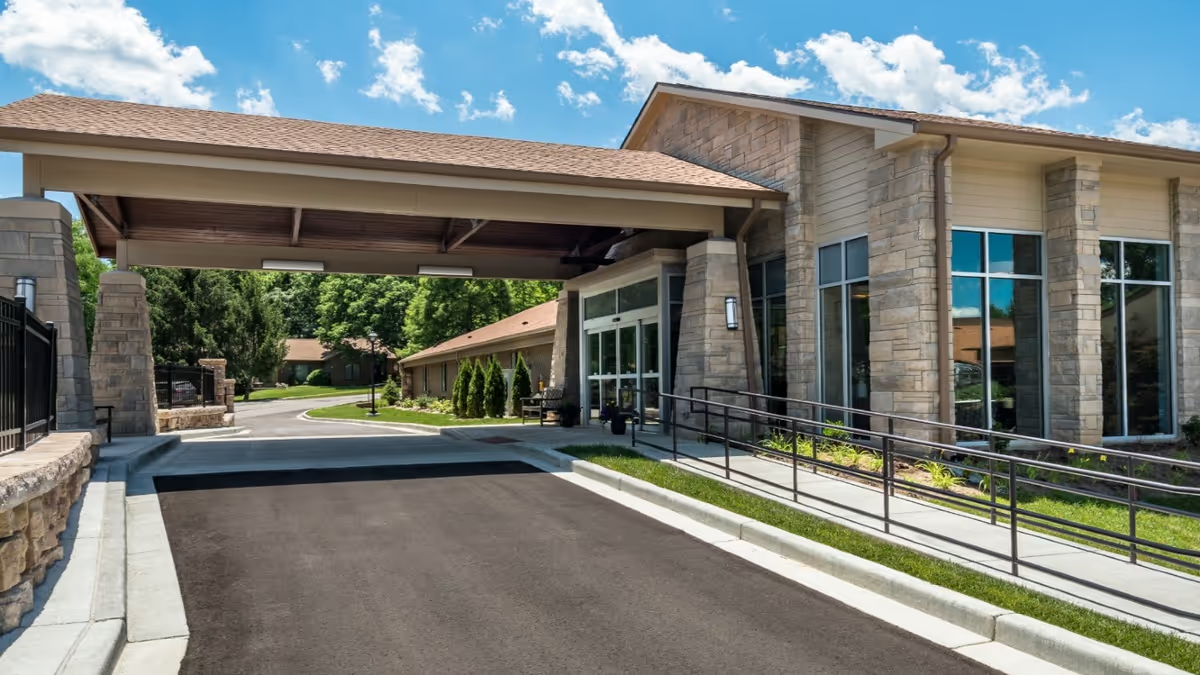
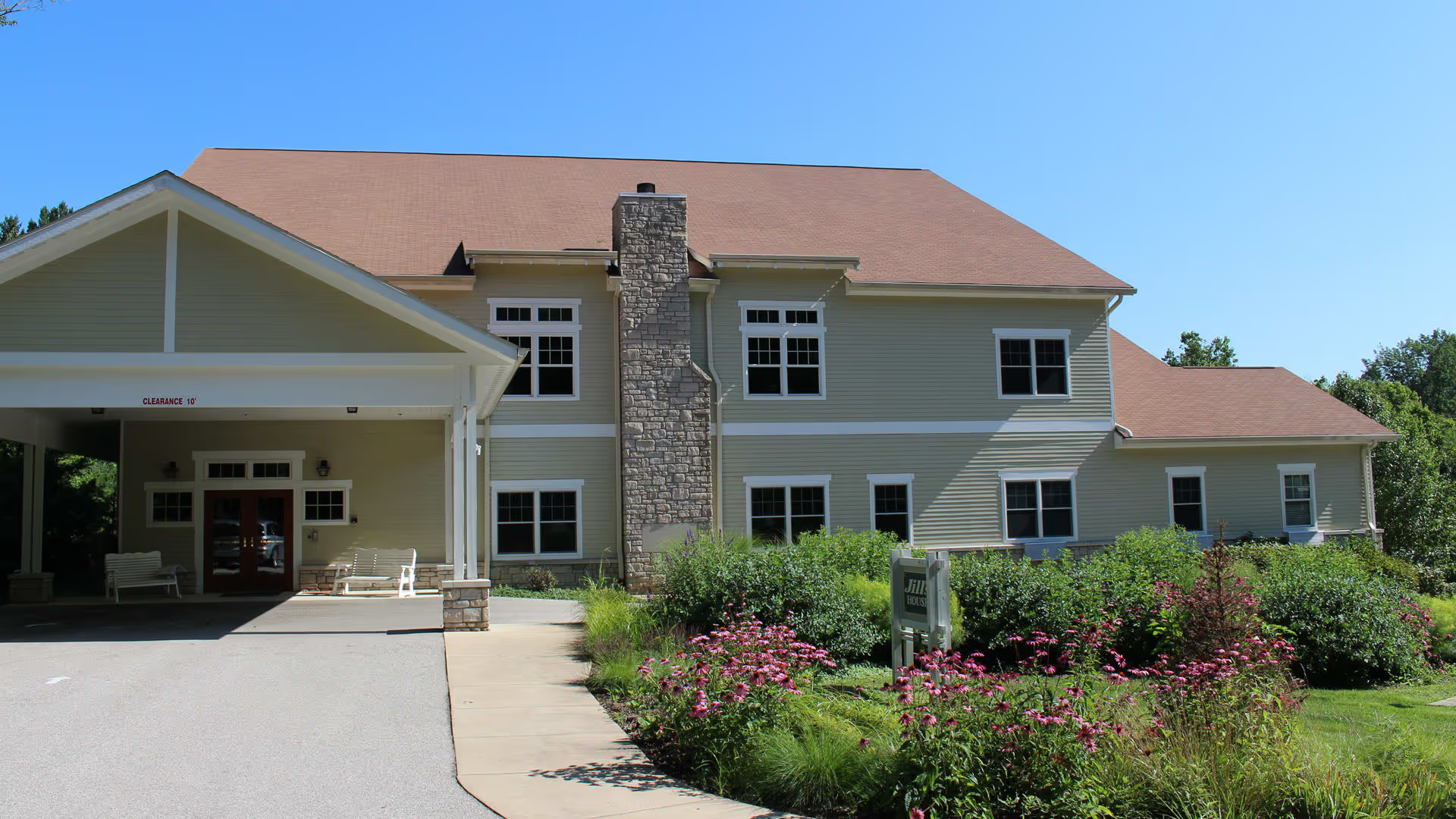
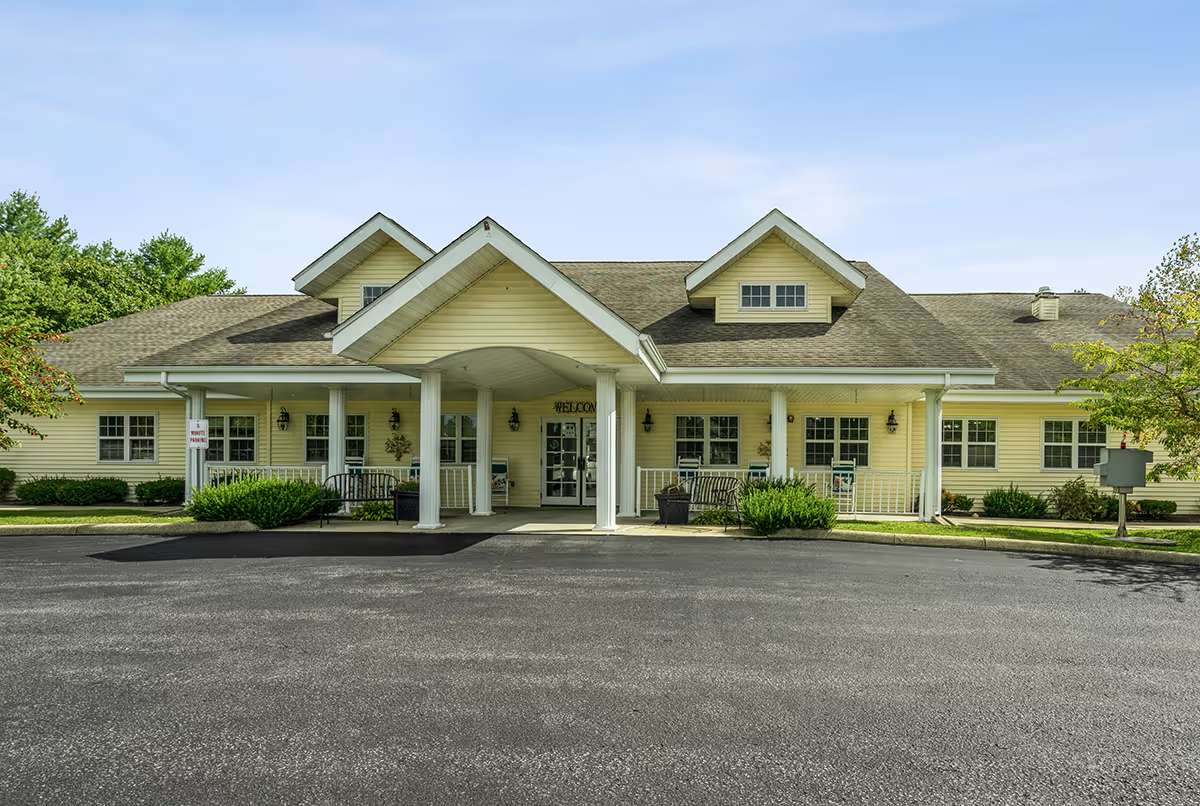
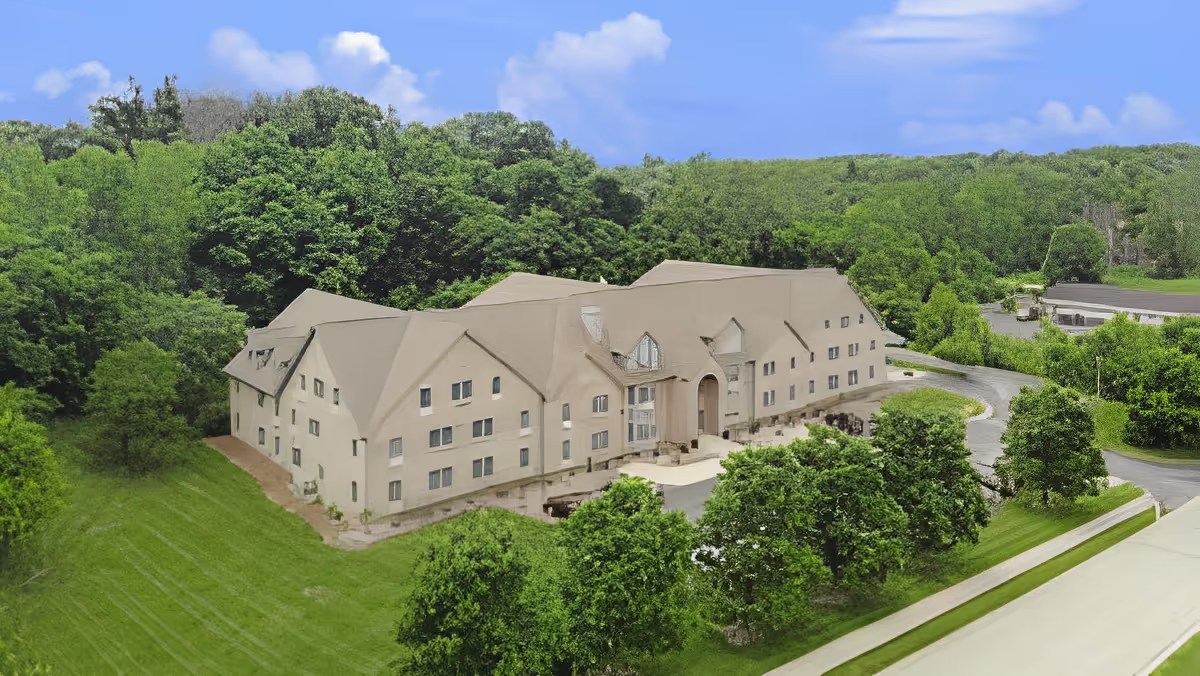
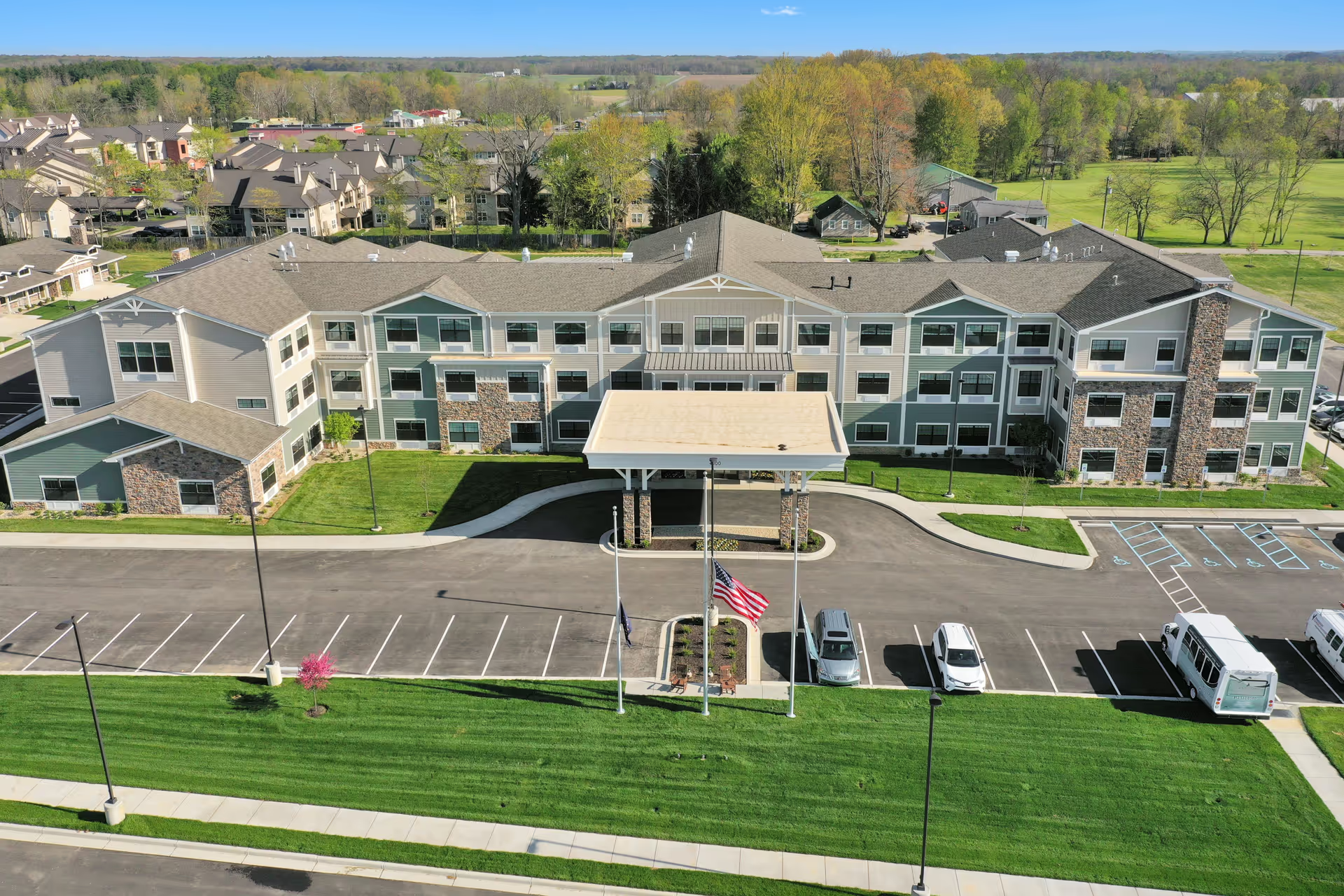
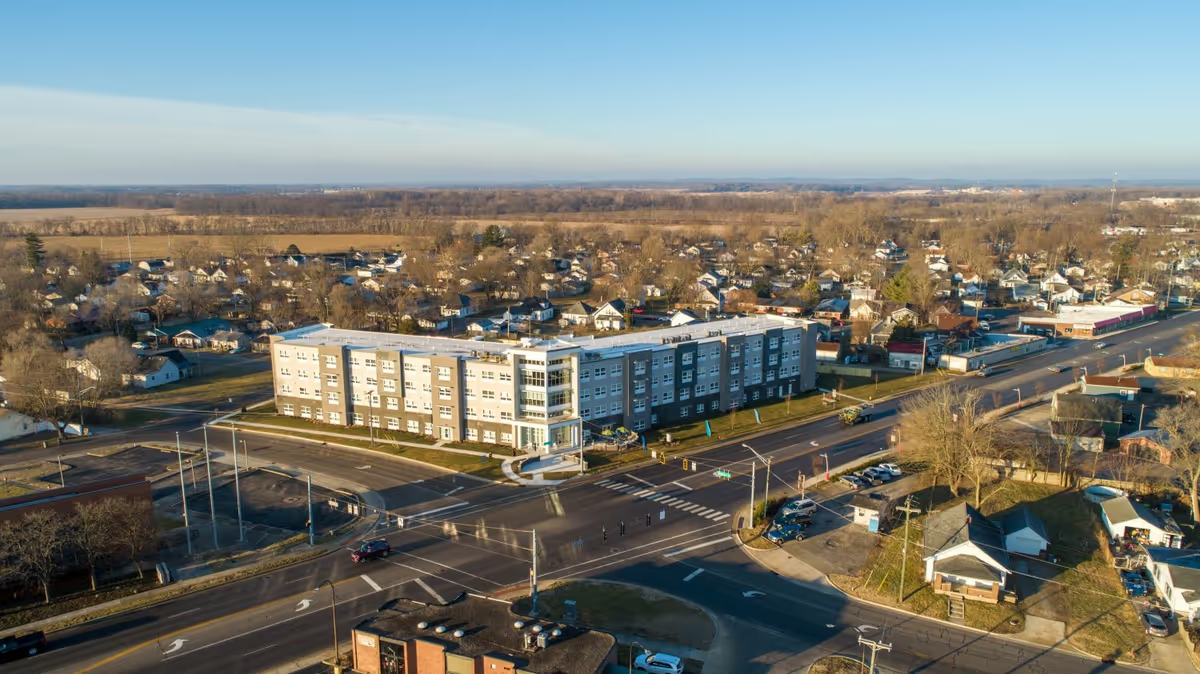
Holiday Redbud Hills presents as a well-appointed independent-living community with a strong emphasis on social programming, campus aesthetics, and resident comfort. The facility is frequently described as clean and recently remodeled, with spacious apartments that offer ample storage, balconies or patios, and a variety of floor-plan choices. Common areas — including a bright lobby, dining room with table service, chapel, library, and salon — contribute to a resort-like atmosphere that many residents and visitors find welcoming. The campus landscaping and outdoor walking areas are noted as assets for residents who enjoy walking and outdoor activity.
Staff and care: Staffing is a clear strength in many accounts — staff members are frequently characterized as attentive, friendly, and responsive, and specific staff (marketing, managers, and activity personnel) receive repeated praise. Weekly housekeeping, linen service, and on-site laundry options are commonly included, which supports independent-living residents who prefer minimal household responsibilities. That said, operational patterns indicate staffing pressures: reviewers cite turnover, short-staffing at times, and limited overnight coverage, which has implications for security, responsiveness, and continuity of nonclinical services. The community provides independent-living supports and ancillary services, but it is not staffed as a full medical or nursing facility; families should verify medication administration policies and availability of higher-level clinical services if needed.
Dining: Dining is a polarized area. Many reviewers praise chef-prepared meals, varied menus, dining-room ambiance, and multiple entrée choices, describing dining as an important social element. Conversely, a number of comments describe inconsistent meal quality, limited dietary accommodations (notably for diabetes and lactose intolerance), occasional high-sodium preparation, and instances of meal shortages or interruptions. These observations translate into a facility-level risk around meal-service continuity and dietary customization; prospective residents with strict nutrition requirements should verify specific menu options and the community's capacity to manage special diets.
Activities and community life: Activity programming is a pronounced strength. The community offers a broad schedule — exercise classes, card and table games, arts and crafts, guest artists, weekly movie nights, outings, and educational lectures — and an active activities director is repeatedly highlighted. This makes the community attractive to socially oriented seniors seeking engagement and routines. A minority of comments suggest that the intensity or type of outings does not meet the expectations of very active seniors who want frequent day trips; prospective residents should review the current monthly calendar to confirm fit.
Management and operations: Management receives mixed feedback. Several reviewers praise helpful, proactive managers and a supportive move-in experience; others raise concerns about sales pressure, tour representations, unclear community fees, and occasional administrative turnover. Operationally, staff shortages have led to role overlap (for example, maintenance or transportation staff covering other duties) and occasional service interruptions. Prospective residents and families should clarify contract terms, entrance/community fees, what is included in rent, and the schedule for transportation and housekeeping to avoid unexpected costs or service gaps.
Notable patterns and guidance: Holiday Redbud Hills appears to be a good fit for independent seniors seeking an active, social community with comprehensive basic services included in rent and a campus that emphasizes comfort and aesthetics. Its strengths are the social programming, welcoming staff culture, and attractive physical plant. The primary caveats are operational: inconsistent dining for specific dietary needs, episodic staffing shortages and turnover, limited overnight coverage, and some administrative/marketing concerns. Before committing, families should (1) review current menus and dietary accommodations, (2) confirm staffing patterns and overnight/security coverage, (3) obtain a clear, written explanation of all fees and what is included in rent, (4) inspect current activity calendars and transportation schedules, and (5) ask about policies for medication support or accessing higher levels of clinical care. These checks will help determine whether the community’s operational characteristics align with an individual resident’s care and lifestyle needs.