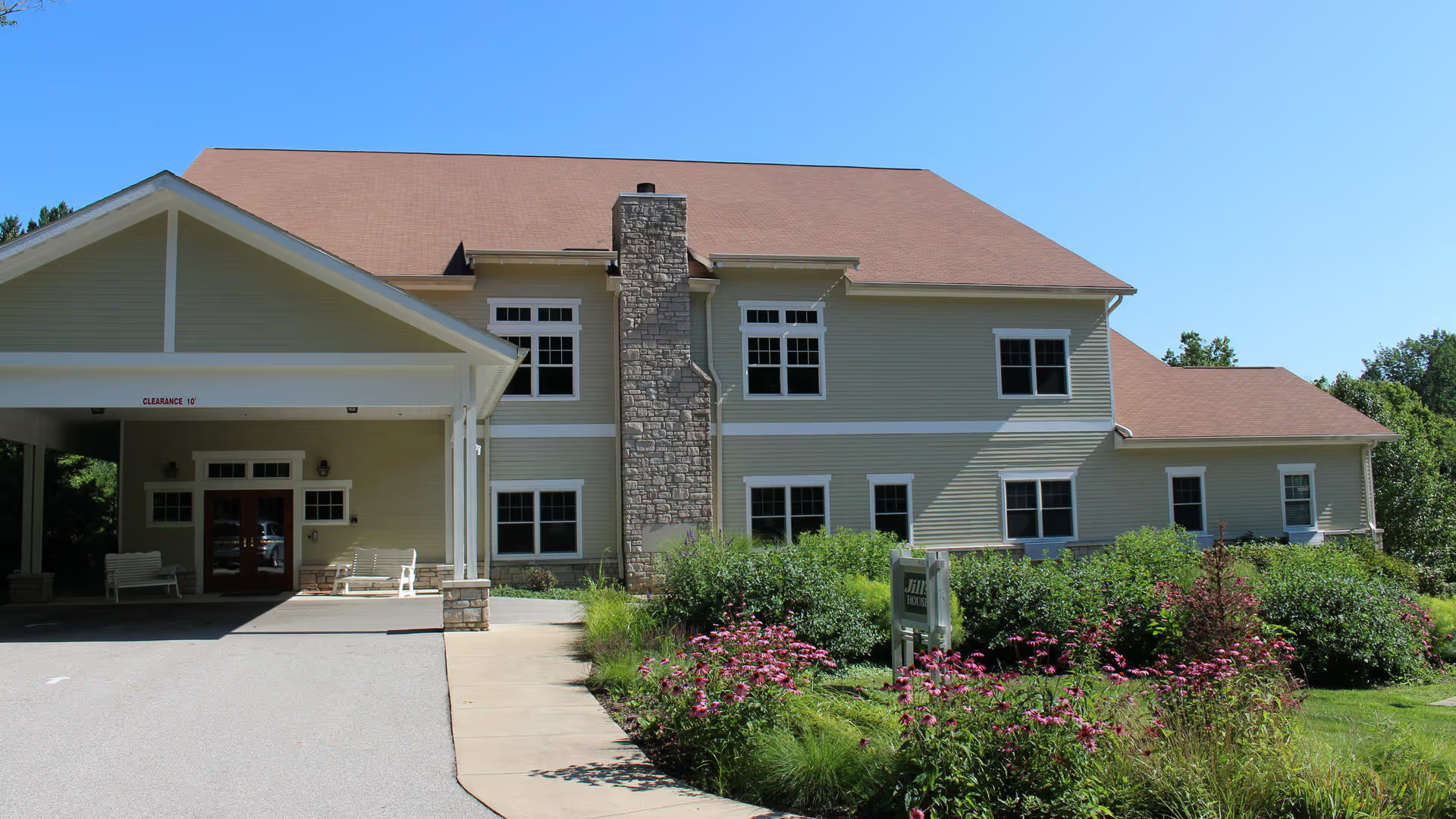
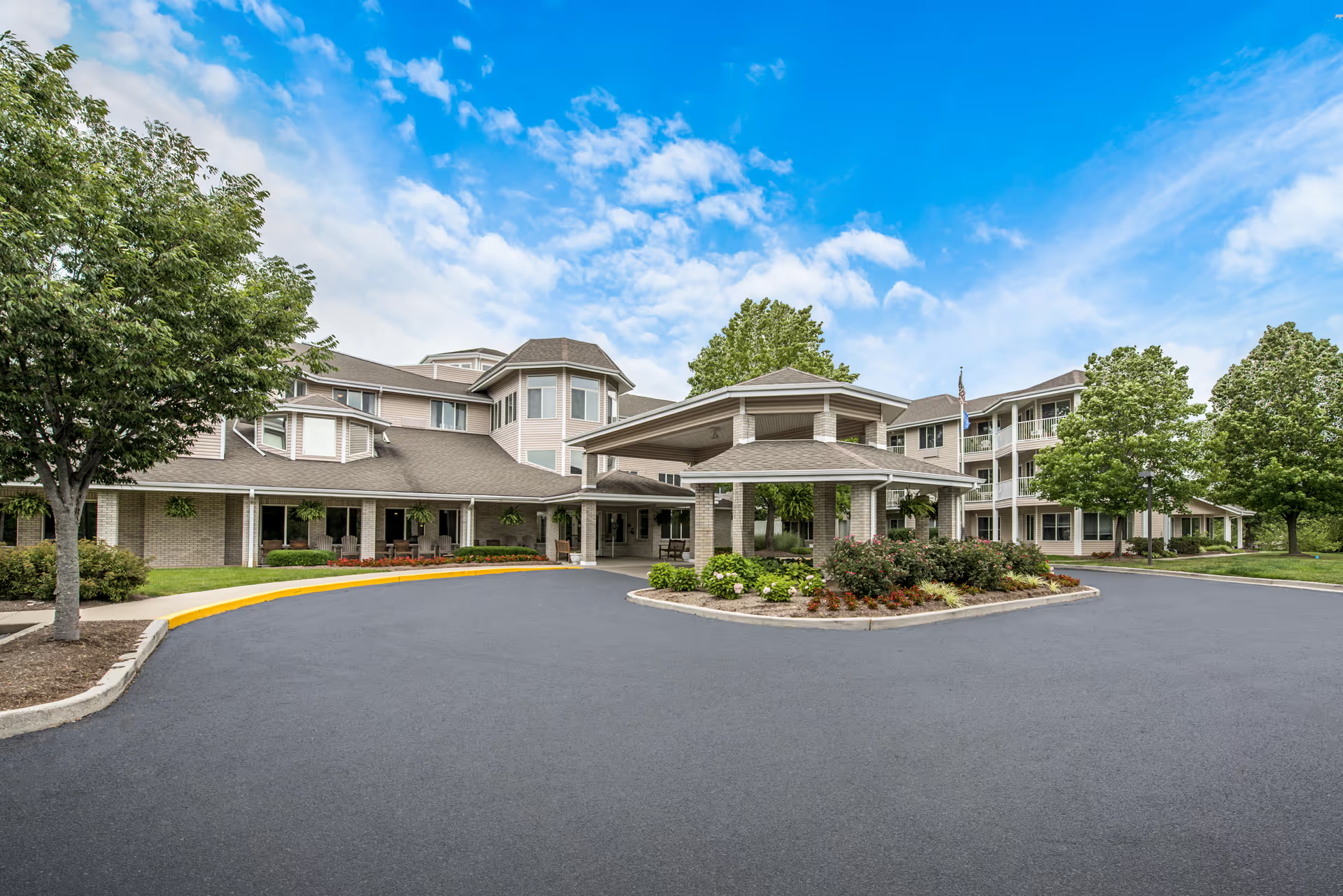
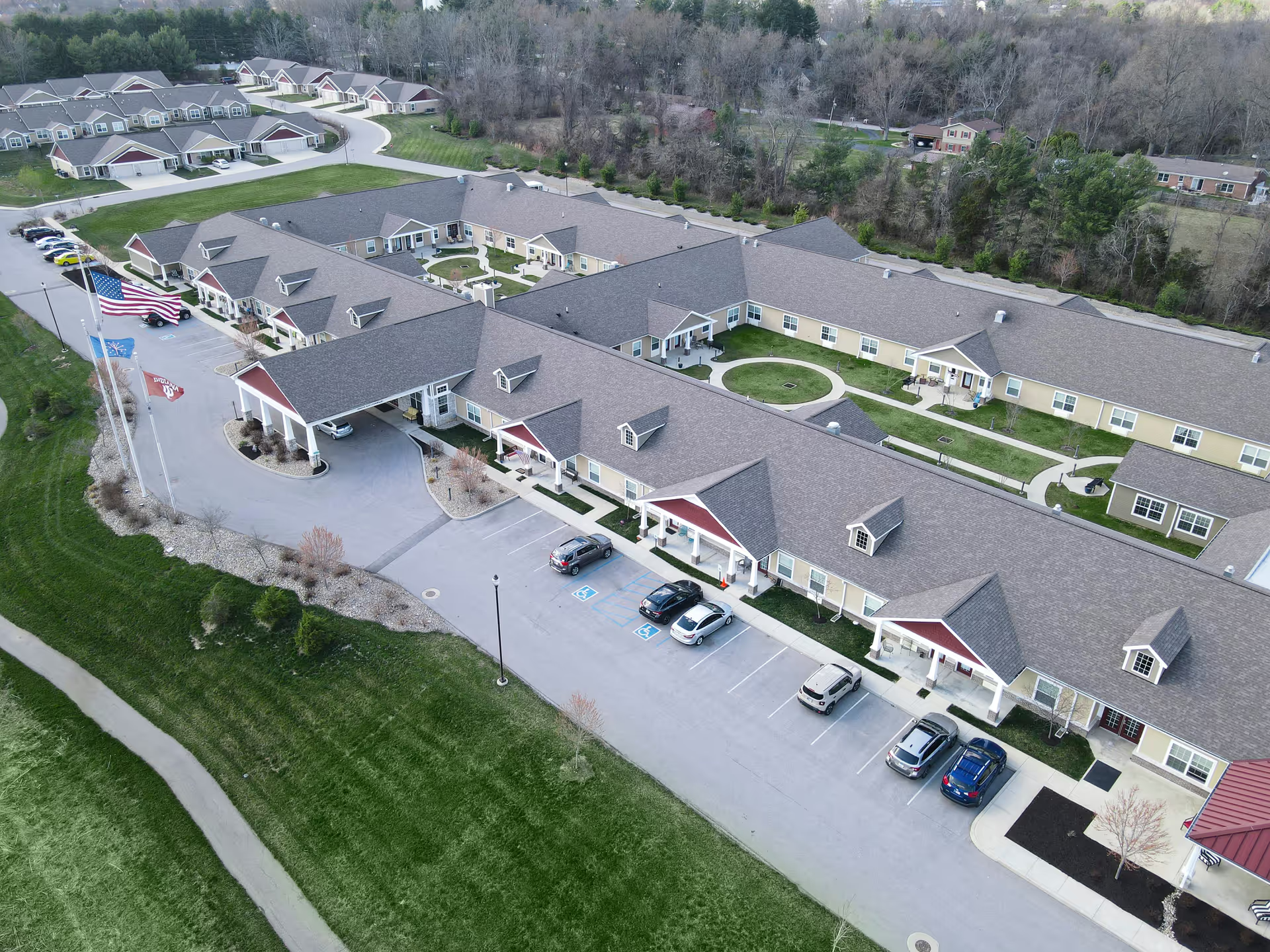
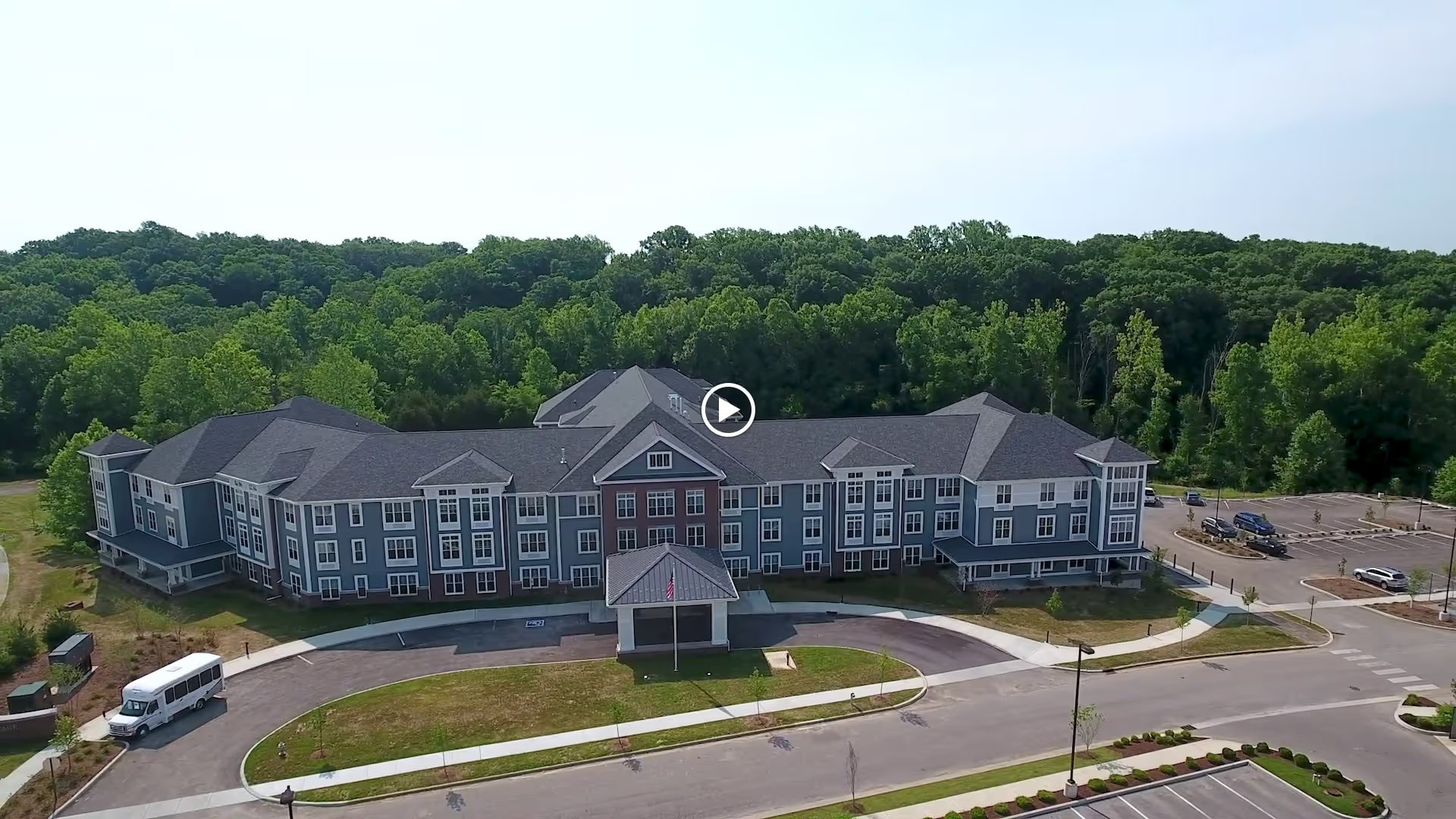
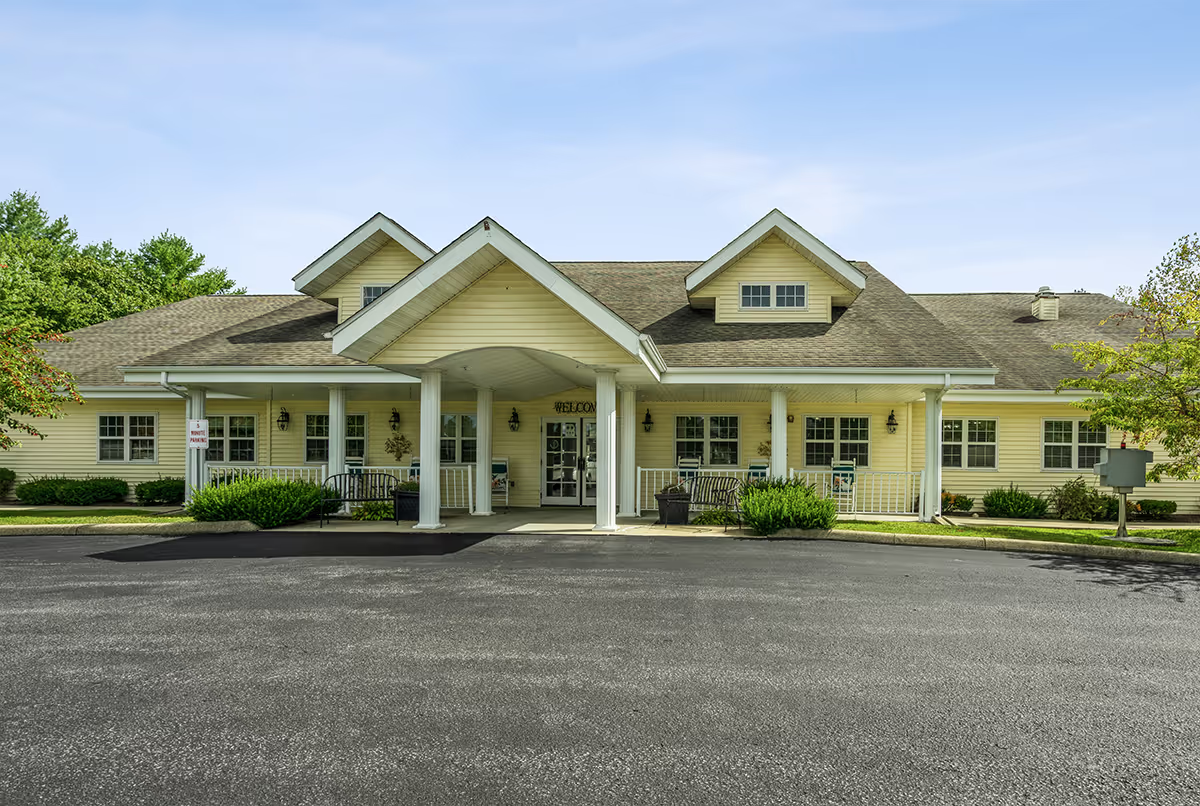
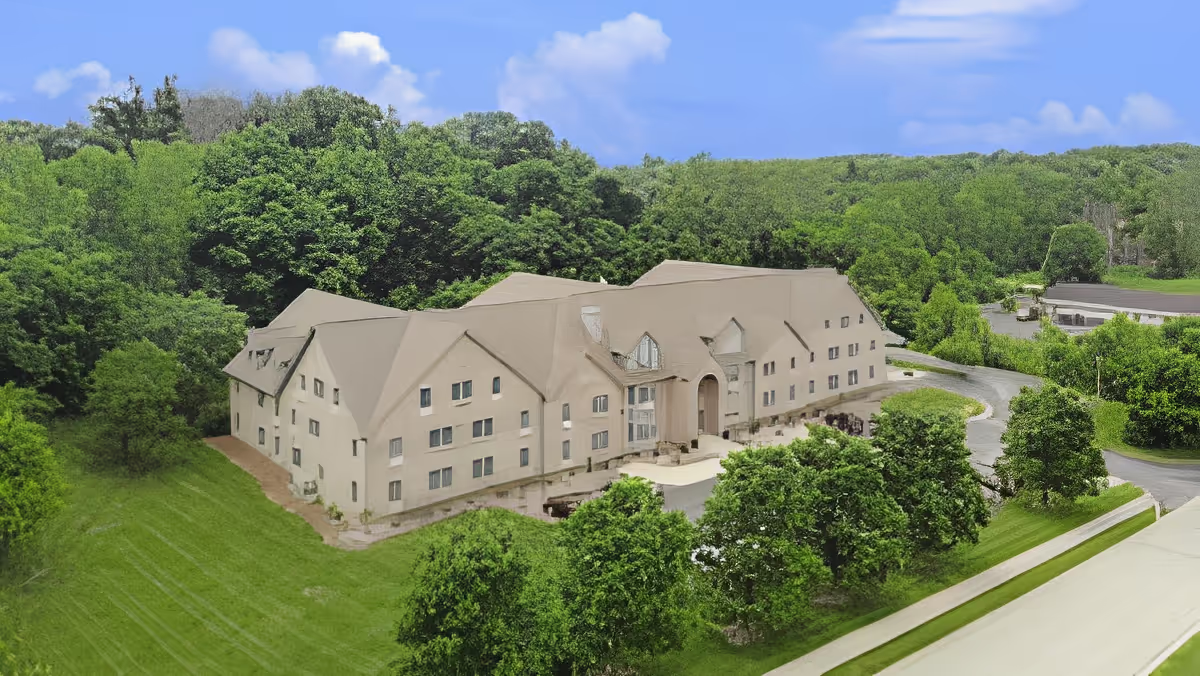
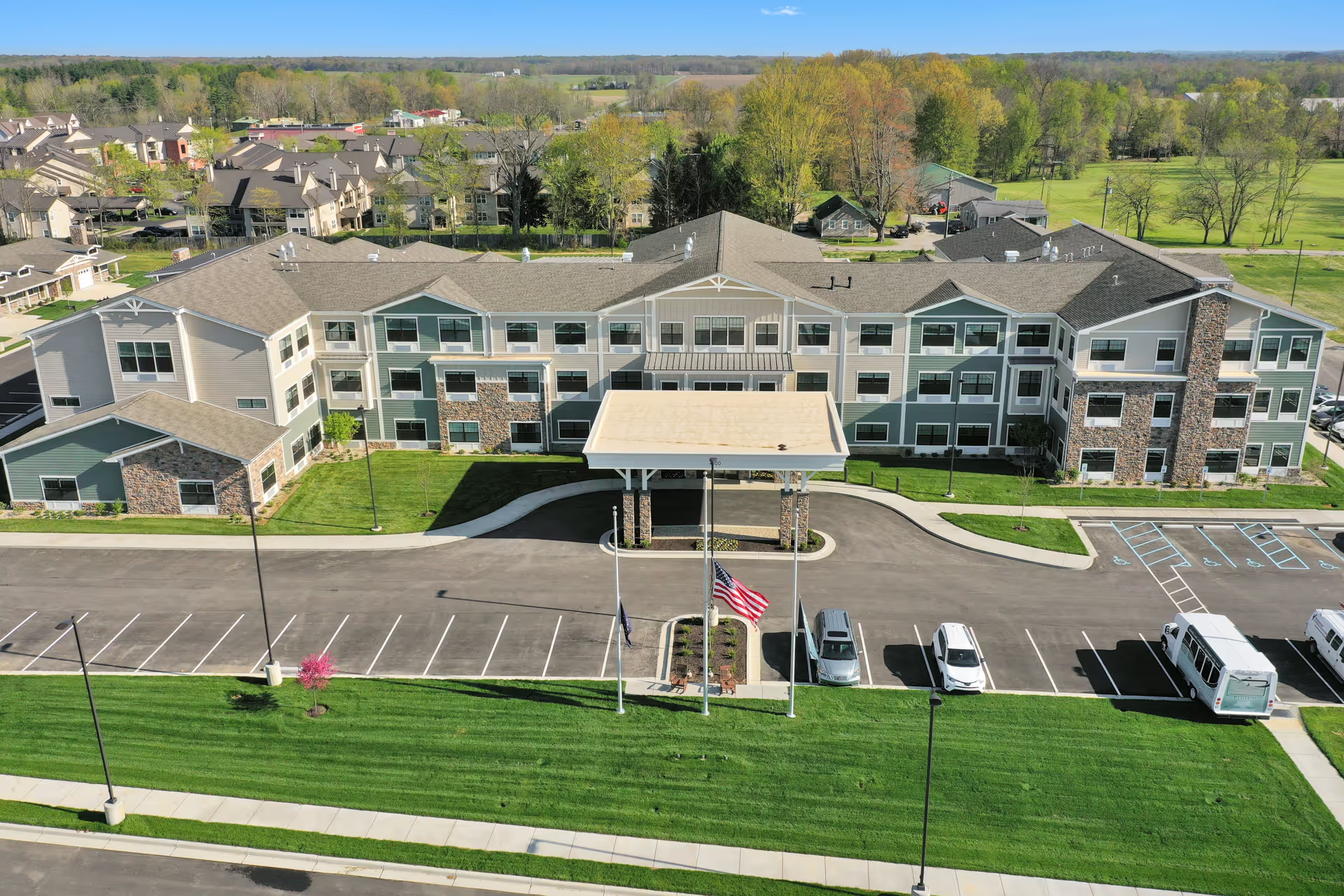
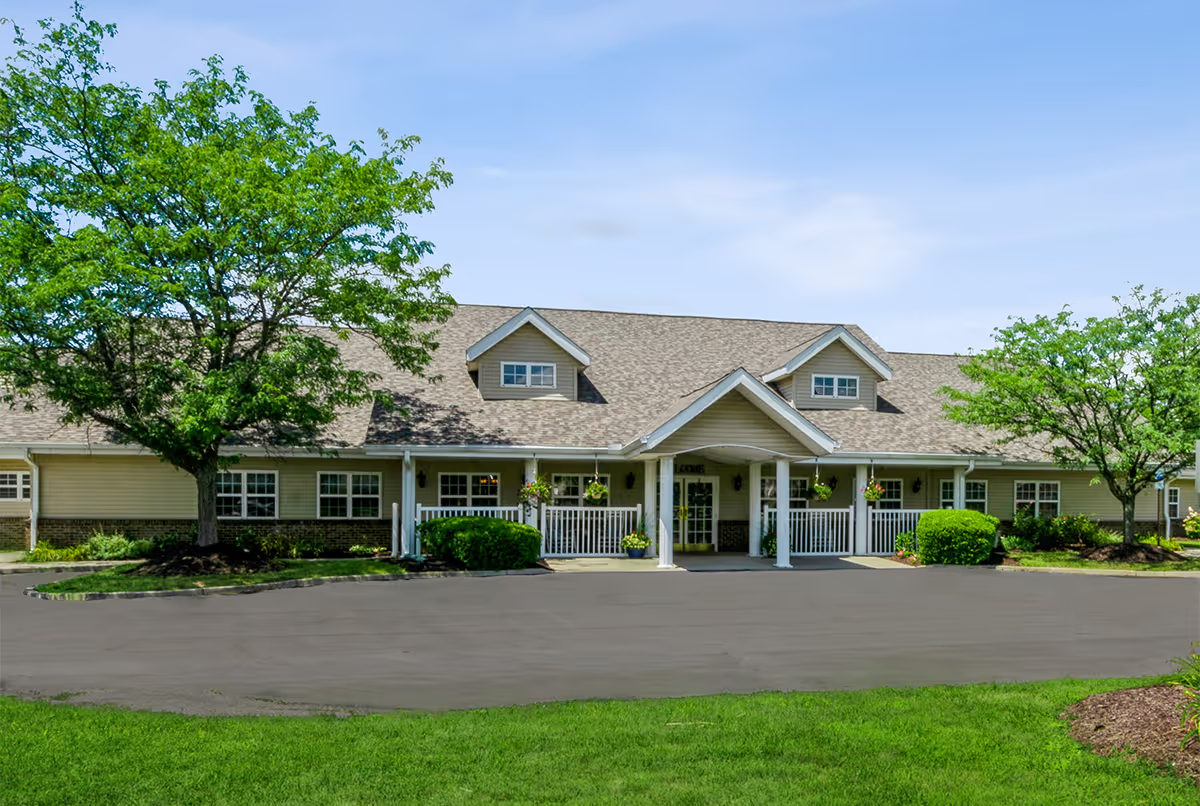
Meadowood presents as an upscale, campus-style retirement community with a strong emphasis on hospitality, cultural engagement, and active independent living. The campus is repeatedly described as beautifully landscaped and forested, offering multiple housing formats (cottages, villas, apartments) and well‑maintained common areas. On-site amenities include accessible trails, a pool, woodworking and other recreational shops, a robust transportation program, and rehabilitation/therapy services. The physical setting and grounds are consistently highlighted as a key asset.
Dining and hospitality are distinctive features. The dining program is characterized as restaurant‑level service with a chef-driven menu, wine service, and an elegant white‑linen dining room. Residents report high-quality, varied meals and multiple daily dining options. Financially, the community operates a dining-credit model and charges for many services; reviewers note that the credit can be consumed quickly and that additional per-meal charges or meal pricing beyond the credit are common. This contributes to an overall perception of premium pricing and complexity around what is and is not included.
Activities and culture are extensive. Meadowood offers a wide variety of structured programming—exercise classes, music and concert series, lectures, clubs, and frequent off‑campus trips coordinated with Indiana University cultural events. The partnership with the university and the presence of academically and artistically engaged residents contribute to a lively intellectual calendar. This level of social activity and programming is a major draw for residents seeking an engaged, high‑intensity social environment; it may be less well matched to people who prefer a quieter or more casual pace.
Staff and care experience is generally described as attentive and personalized. Front‑line staff are frequently noted as familiar with residents’ names, solicitous, and helpful; the community is often described as warm and family-like. The facility provides independent living with some assisted-care options and an on‑site rehabilitation/skilled-nursing component. However, reviewers indicate that assisted services are often billed separately and that Meadowood’s model emphasizes independent living rather than comprehensive long‑term assisted-care. There are operational concerns around variability in staff responsiveness and occasional conduct inconsistencies, as well as some comments about less frequent wellness check-ins than expected.
Management and operational patterns show strengths and limits. Prospective residents can expect polished hospitality, strong programming, and a well‑kept campus, but should also prepare for premium fees, ancillary charges for higher levels of care, and a potentially complex pricing structure. Additional noted management-level issues include perceived pricing inequities between longstanding and newer residents, portions of the physical plant that feel dated, and limited evening programming after typical business hours. These are important considerations for people whose care needs may increase or who require transparent, bundled care options.
Overall, Meadowood is well‑suited to financially independent seniors who seek a high-quality dining experience, an active cultural life, close proximity to university arts and events, and a wooded, resort‑like campus. Families and prospective residents who anticipate needing extensive assisted living or who are sensitive to premium costs and social intensity should evaluate the community’s care scope, pricing disclosures, and evening-programming availability before committing.