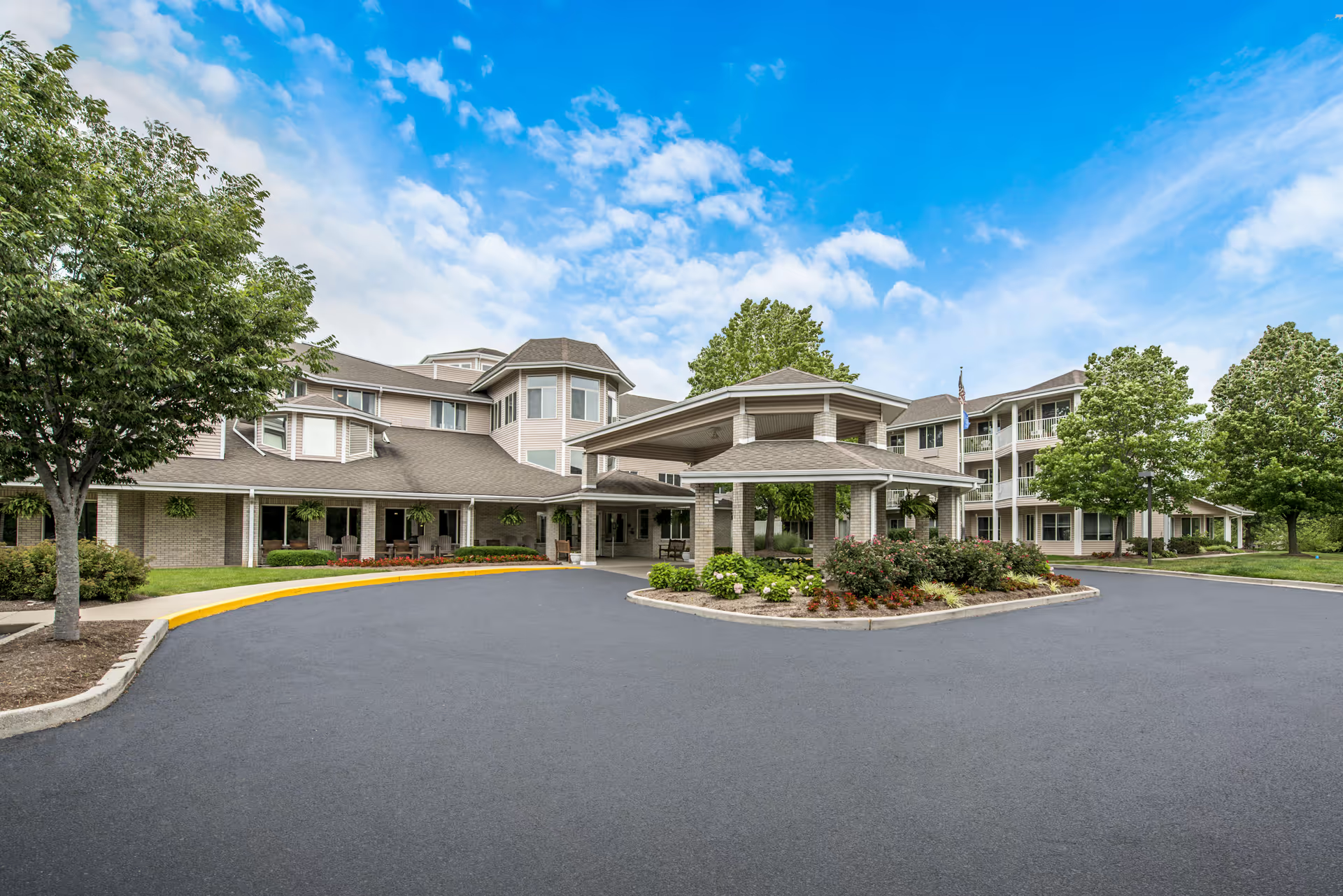
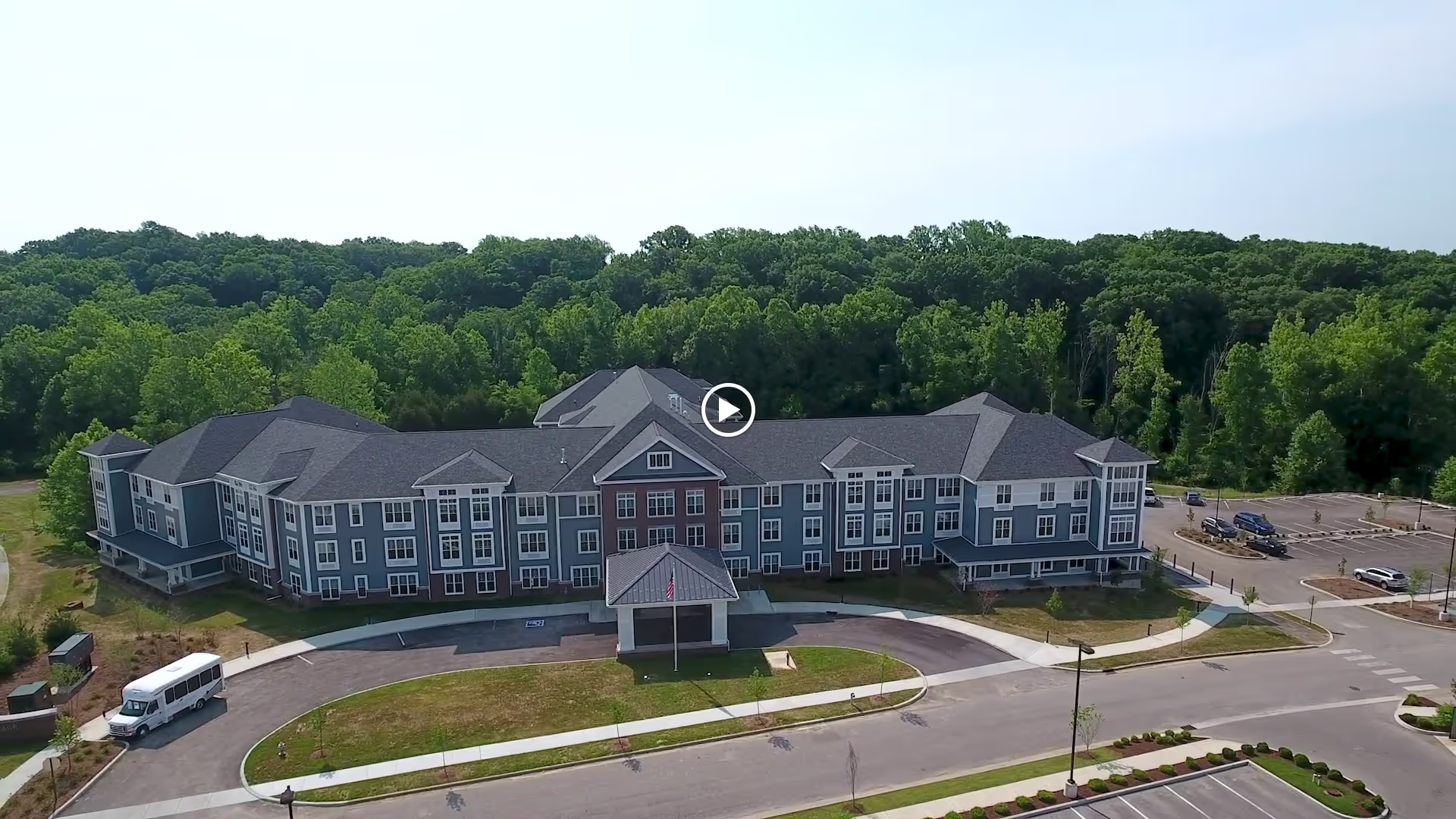
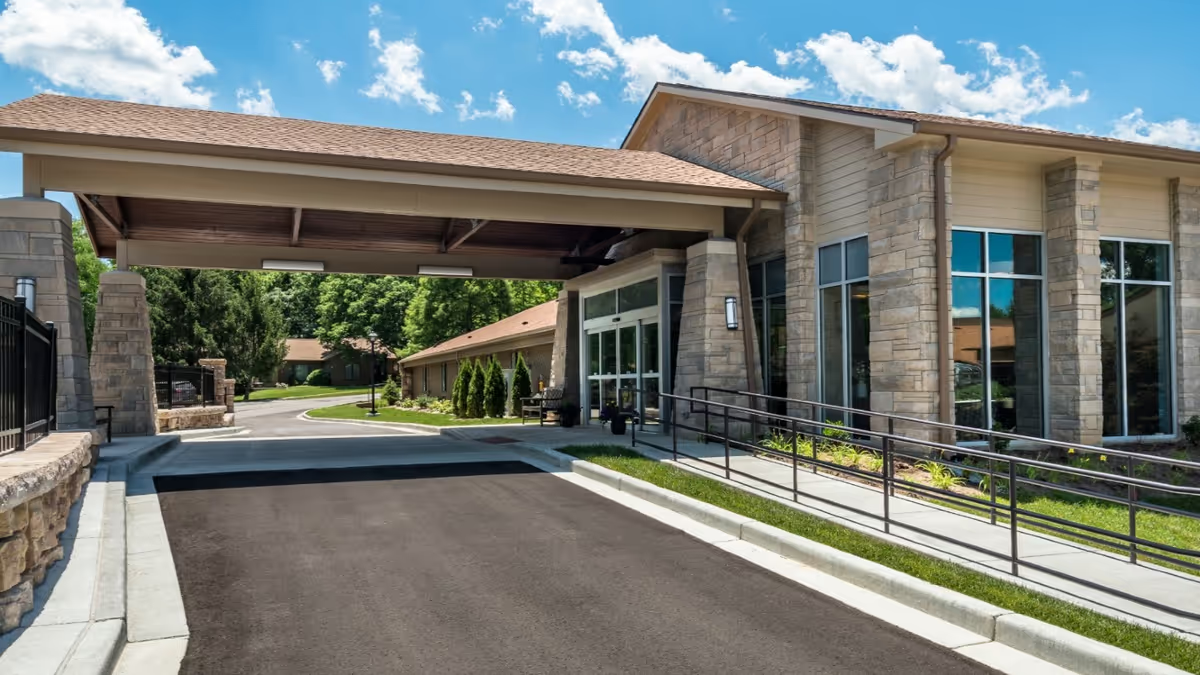
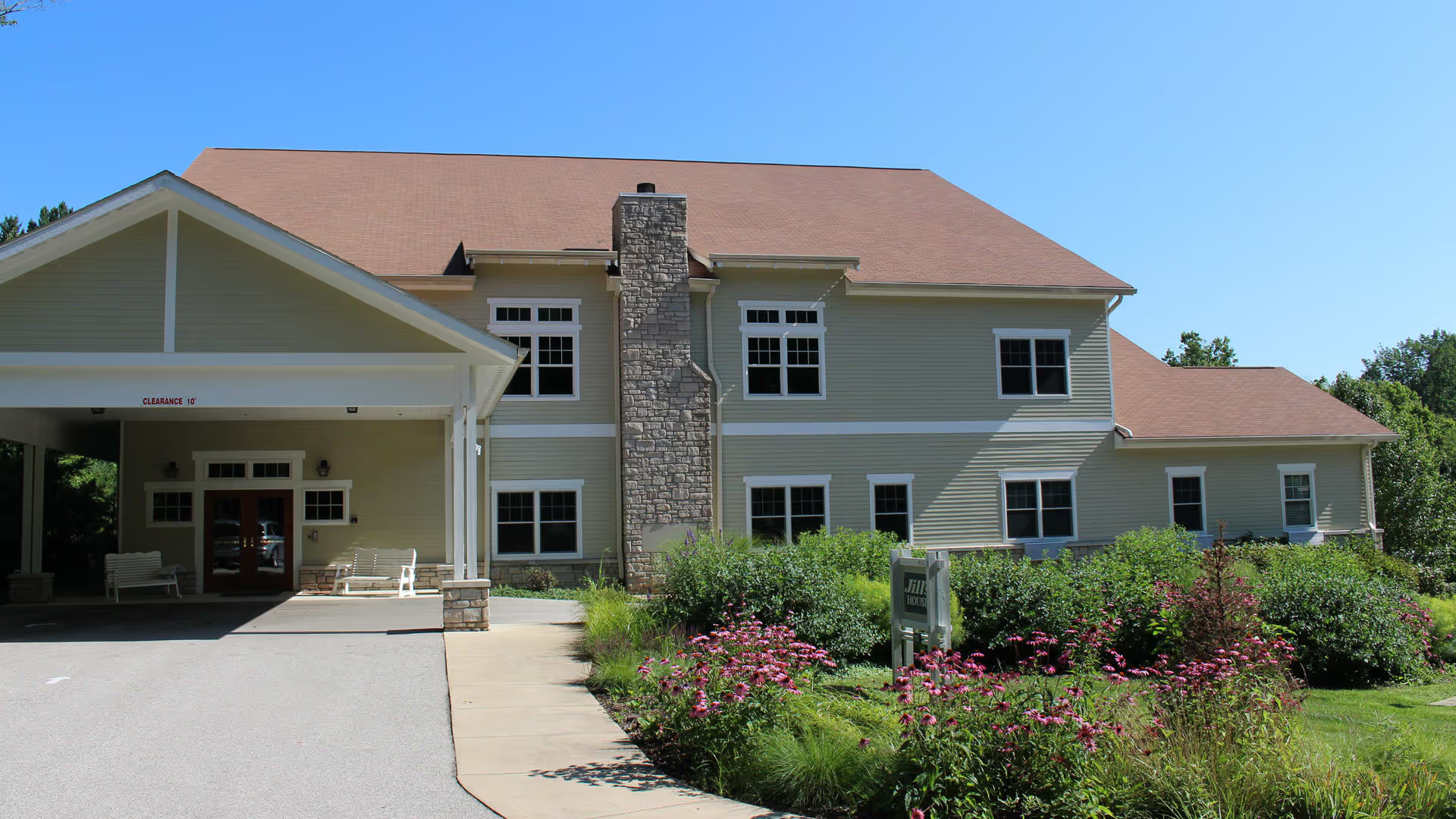
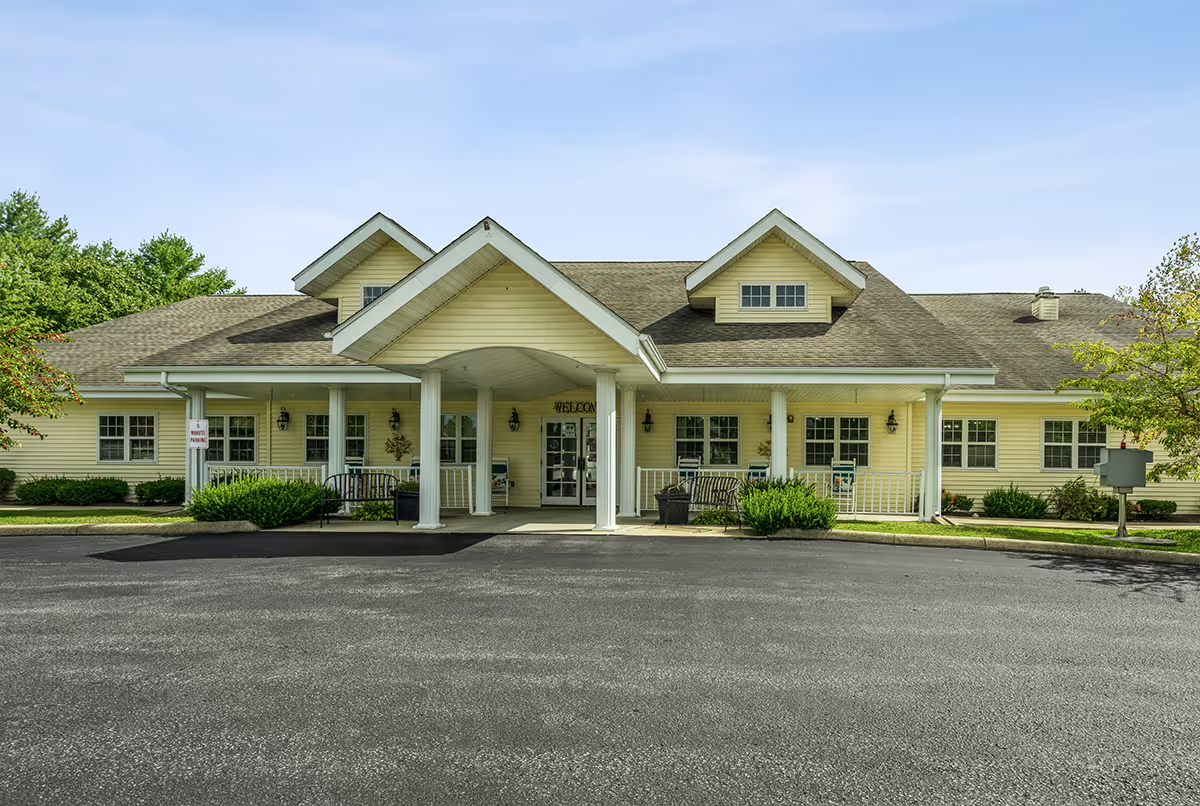
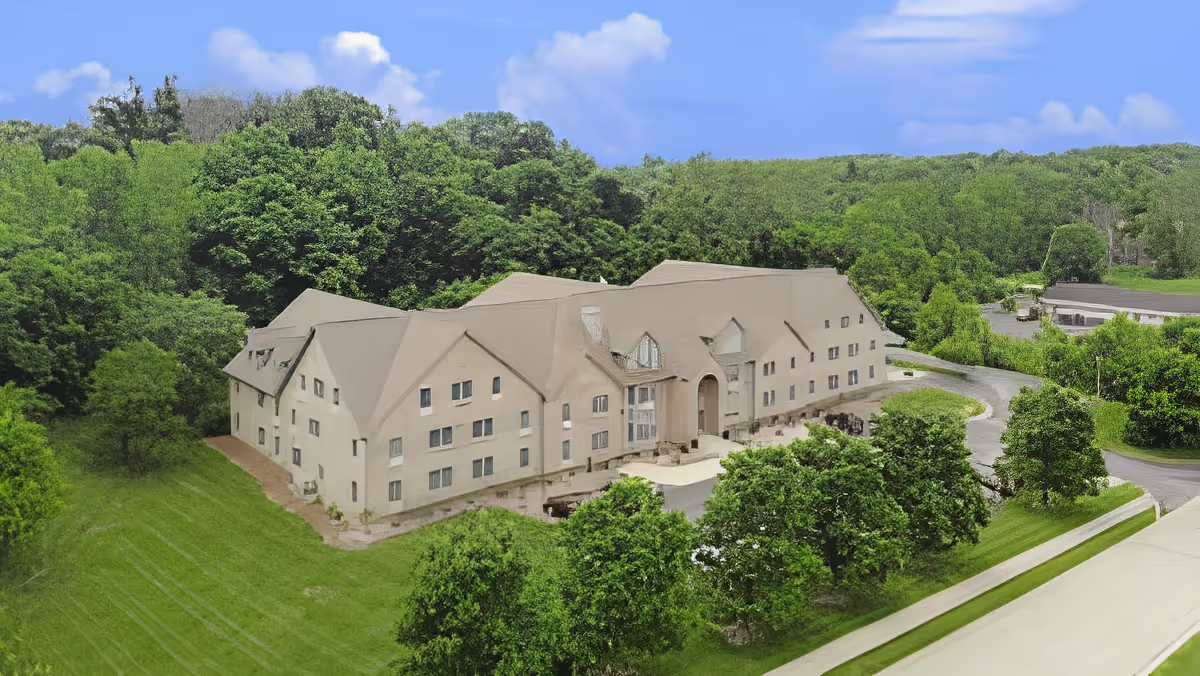
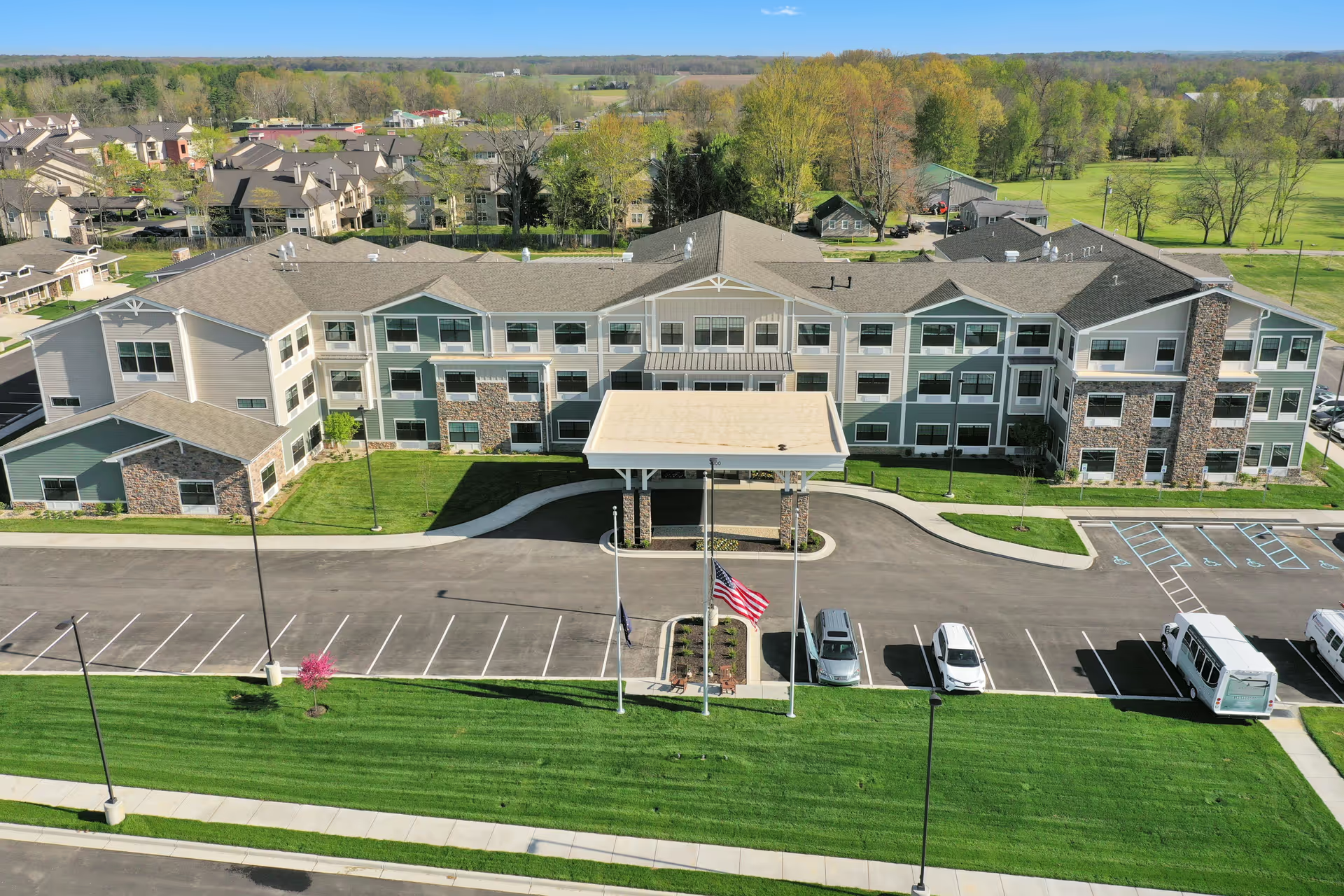
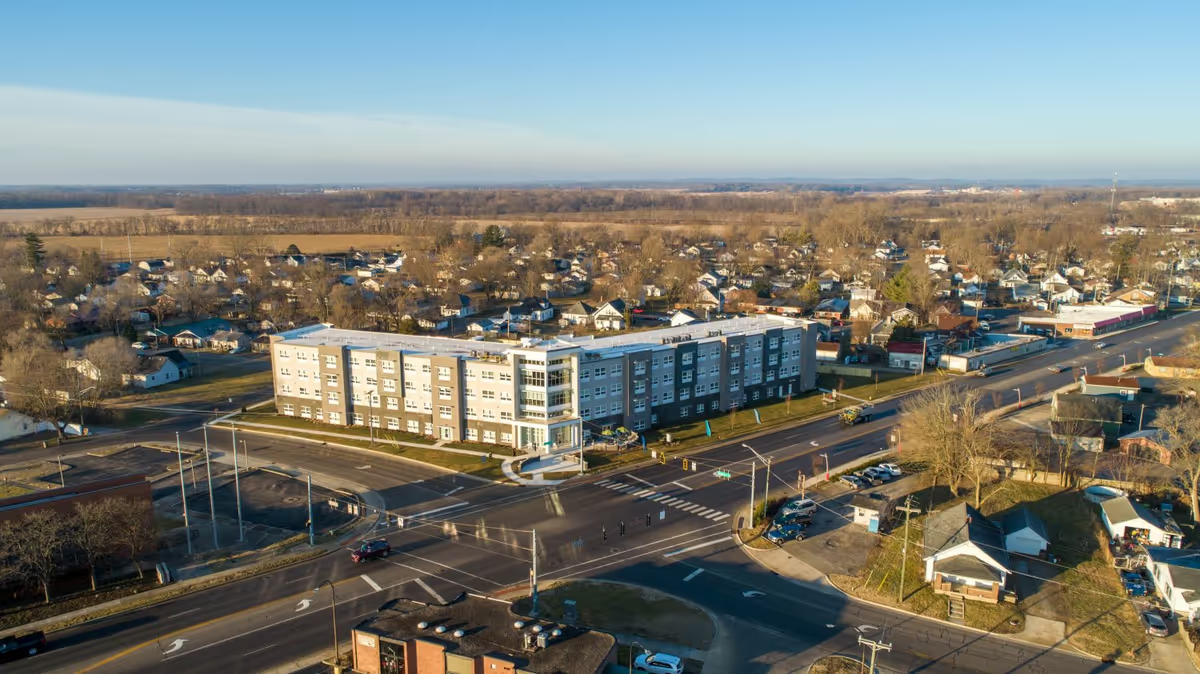
Gentry Park Senior Living is consistently described as a new, well‑appointed community with a broad set of built‑in amenities and an emphasis on comfortable, restaurant‑style living. Families and residents commonly praise the facility’s appearance, private suite options, attractive landscaping, accessible outdoor courtyards and patios, and a range of common‑area features such as a library, exercise room, coffee shop, craft room, and small theater. The physical environment and hospitality‑oriented amenities are frequent strengths in reviewers’ comments.
Clinical and day‑to‑day care strengths are also highlighted. Reviewers note experienced clinical leadership and an engaged Director of Health Services, individualized care plans with updates, and staff who are described as compassionate, attentive, and knowledgeable. Several accounts reference smooth move‑ins, prompt clinical communication about medication changes or falls, and supportive end‑of‑life (hospice) accommodations. Therapy and rehabilitation space and transportation for outings further support residents’ functional needs.
Dining and activities are important components of the resident experience. Many reviewers applaud the private‑chef approach, varied menus, event meals (holiday buffets, themed nights), and appealing desserts. The community offers a wide array of activities and outings — knitting, crafts, exercise classes, trips, and social events — and staff are often praised for being upbeat and engaged. At the same time, there is a recurrent pattern of inconsistent dining quality and limited menu options for specific dietary preferences (notably vegetarian and pescatarian concerns), along with periodic shortages or service lapses.
Several operational issues appear repeatedly and are important for prospective families to consider. Communication with families can be uneven, with instances of unreturned calls or unclear follow‑up; this ties into broader concerns about staffing continuity and turnover among direct caregivers, which some families say has affected continuity of care. Activity programming is developing in this newer community and has been described as uneven at times, with ambitious plans underway but occasional lapses (seasonally or during staff vacations). Reviewers also flagged billing and fee transparency as an area needing improvement, and there are noted differences in maintenance and service levels for particular housing types (for example, garden homes). A few practical site factors also arise: nurse‑station placement and sight‑lines that affect workflow, noise exposure for some units adjacent to roadways, and isolated pre‑opening or marketing inconsistencies for offsite materials.
Overall, the pattern in reviews is predominantly positive about the environment, amenities, and the caring orientation of staff and leadership. At the same time, recurring operational themes — communication responsiveness, staffing continuity, dining consistency, activity‑program maturity, and billing transparency — are areas where prospective residents and families should ask targeted questions during tours and in contract discussions. Visiting during an activity, meeting day‑to‑day caregiving staff, reviewing sample menus and fee schedules, and observing nurse‑station layout can help clarify whether the current operational profile fits a particular resident’s needs.