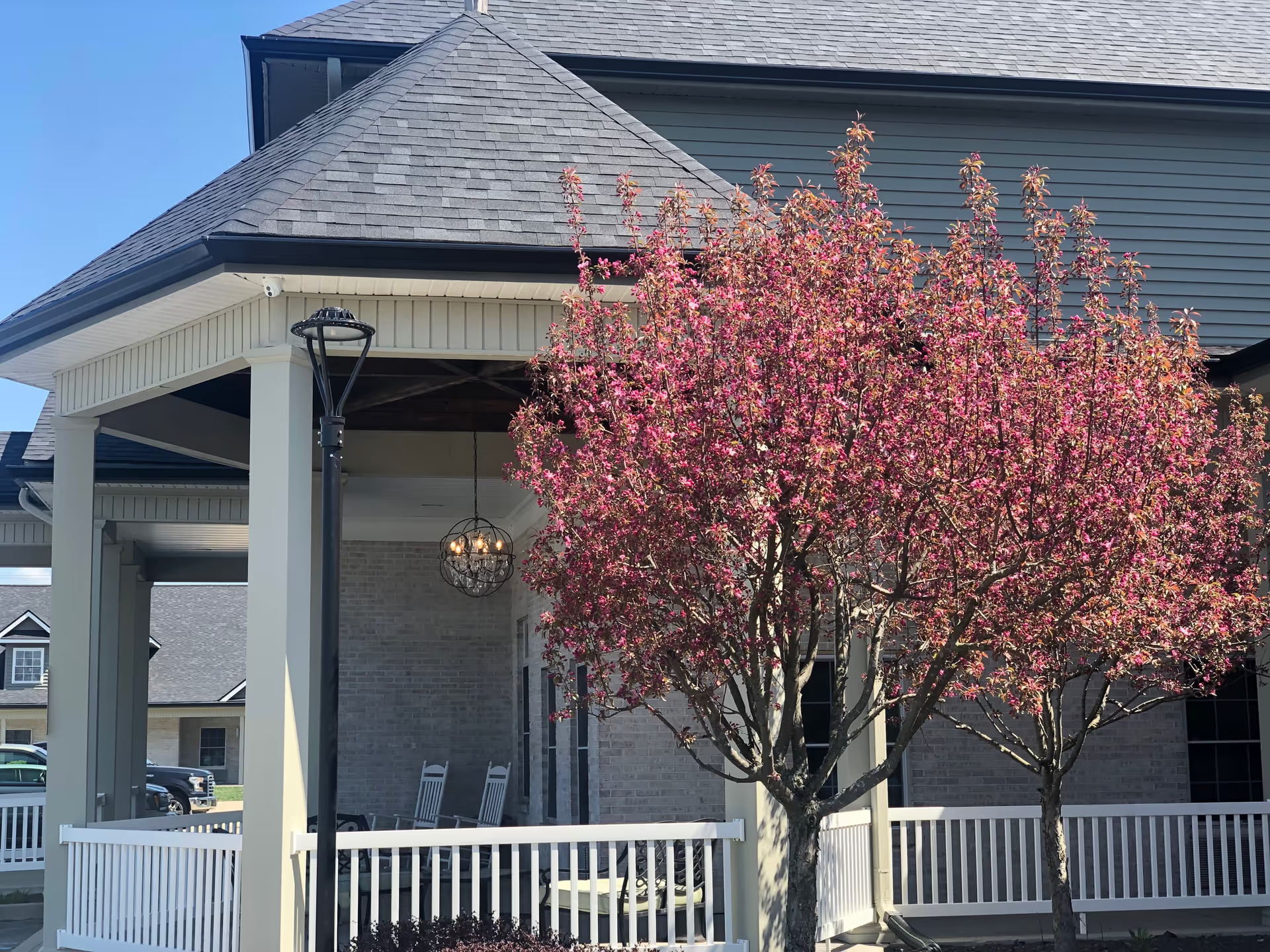
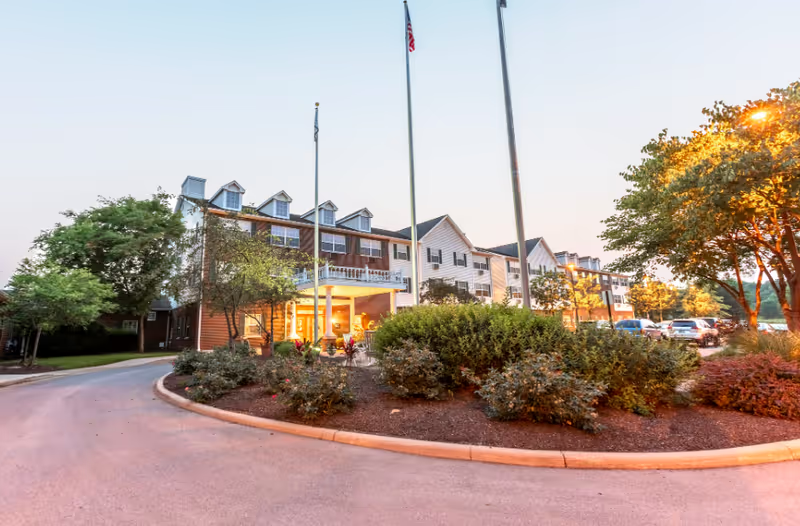
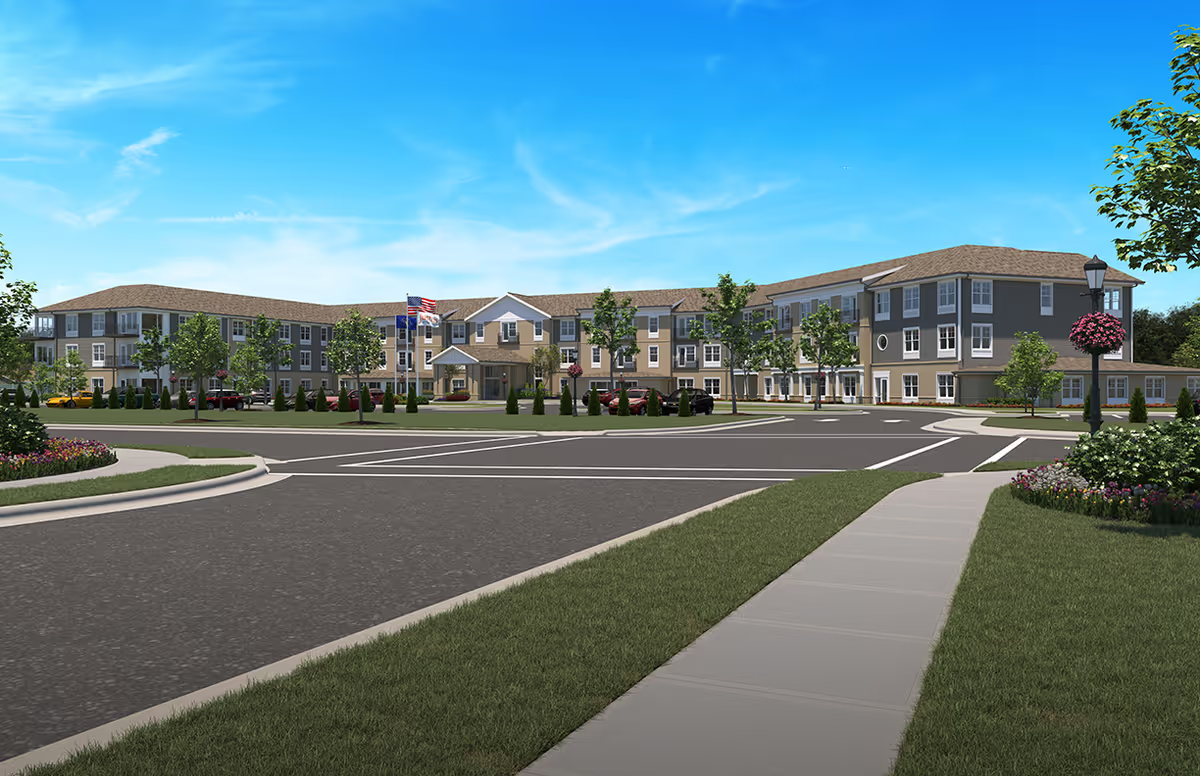
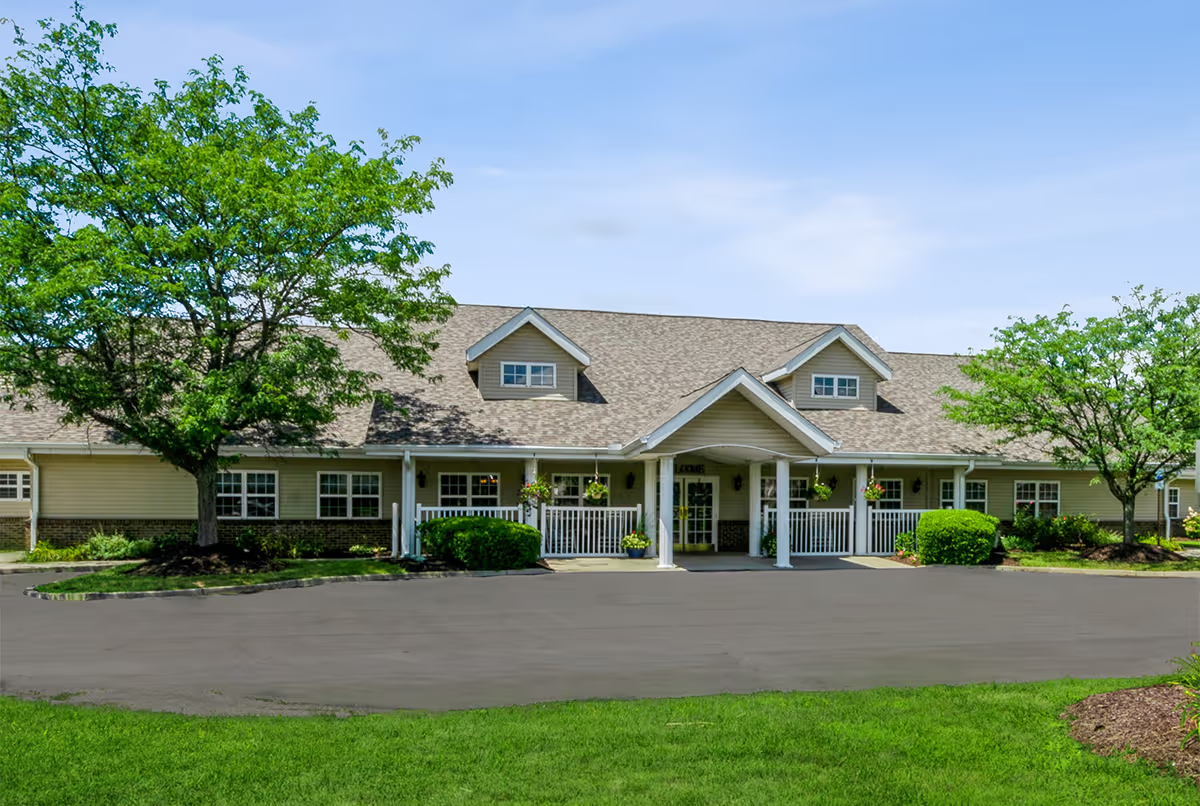
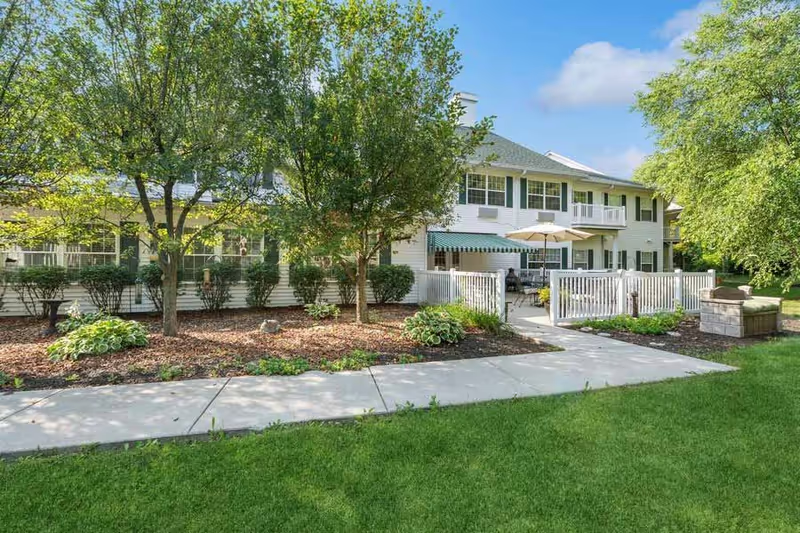
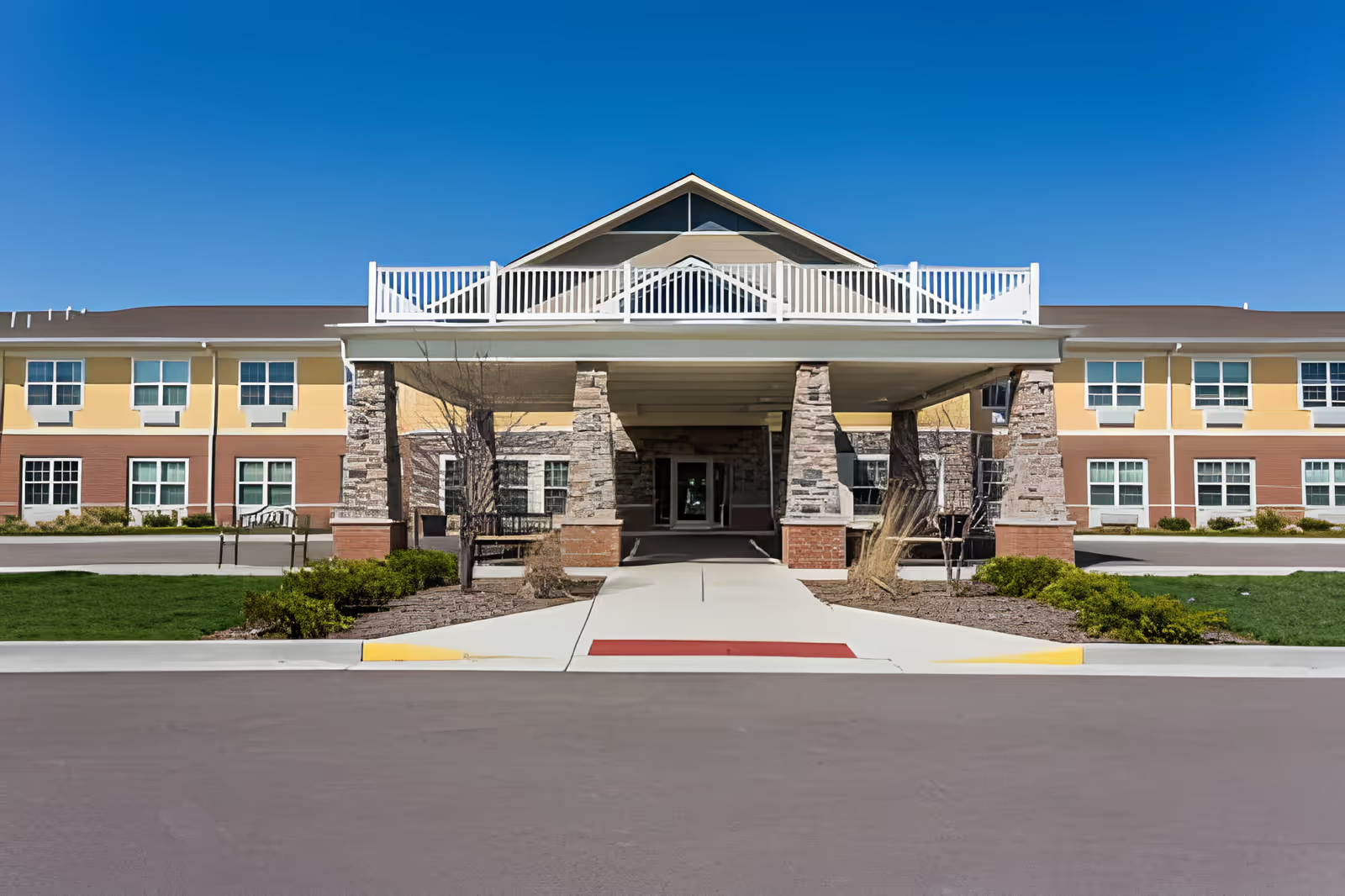
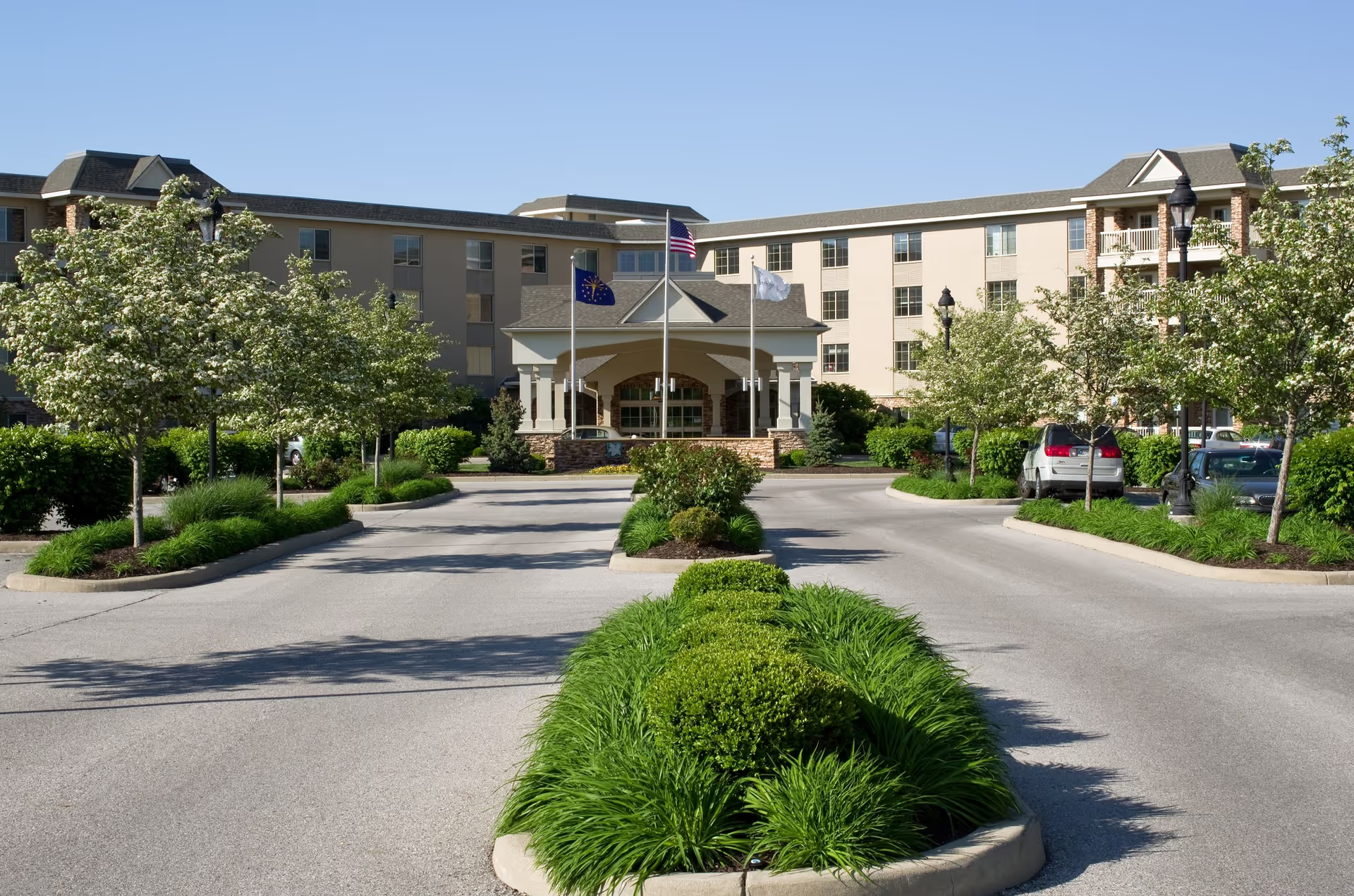
Sugar Grove presents as a well-appointed, single-level senior living community with a broad range of amenities and an active social program. The facility offers multiple housing formats (independent apartments, cottages with garages, assisted living, and a dedicated memory-care wing), on-site therapy/rehab services, a beauty/barber salon, library and exercise spaces, and scheduled transportation for outings. Many families and residents describe the campus as clean, comfortable, and sociable; the activities calendar (bingo, card clubs, exercise classes, outings, spiritual services and occasional music) is consistently cited as a strength and contributes to a strong sense of community for many residents.
Care quality and staffing present a mixed picture. Several reviewers praise licensed nurses and hospice teams as attentive and professional, and some families reported clear, person-centered attention that improved resident well-being. At the same time, recurring concerns center on inconsistent staffing levels, frequent staff turnover, and variability in aide performance. Families describe instances where aides were difficult to locate, were perceived as inattentive, or where staffing gaps required family intervention. These staffing patterns appear to affect both routine assistance and the quality of dementia-specific programming in the memory-care unit.
Medication management and clinical reliability are another area of divided experience. Some clinical staff are highlighted as exemplary, but multiple accounts indicate errors or delays in medication administration, unopened medication packages, and concerns about excessive medication use in a subset of cases. These items point to weaknesses in medication-management controls and handoff practices that prospective families should clarify during assessment.
Dining and housekeeping show polarized feedback. Many residents and families praise the social dining environment and certain menu items, while others report inconsistent meal quality (meals arriving cold, repetitive menus, slow service) and occasional undercooked items. Housekeeping and laundry processes are similarly variable: common areas are often described as clean and presentable, yet reviewers also note delayed or inconsistent room cleaning, laundry lapses, and some odor concerns in limited areas.
Management, communication, and administration produce significant divergence in experiences. Positive comments describe an accessible, engaged executive director and helpful admissions/activities staff. Conversely, other families report poor communication from administration, unresolved maintenance requests, billing or Medicaid processing errors, and limited corporate responsiveness when service issues arise. Several reviewers associated a decline in consistency with administrative changes or corporate acquisition, noting increased reliance on agency staff and reduced continuity.
Patterns to note for prospective residents and families: the community offers many facility- and lifestyle strengths (amenities, active programming, social dining, and on-site services), but operational inconsistencies—particularly around staffing continuity, medication controls, dementia-care engagement, and administrative communication—appear repeatedly. When evaluating Sugar Grove, consider asking for current staffing ratios (including memory care), medication-management and handoff protocols, housekeeping and laundry schedules, recent staffing turnover metrics, and examples of how the administration addresses billing or maintenance escalations. Doing so will help determine whether the facility’s strong community attributes align with the level of clinical reliability and administrative responsiveness you require.