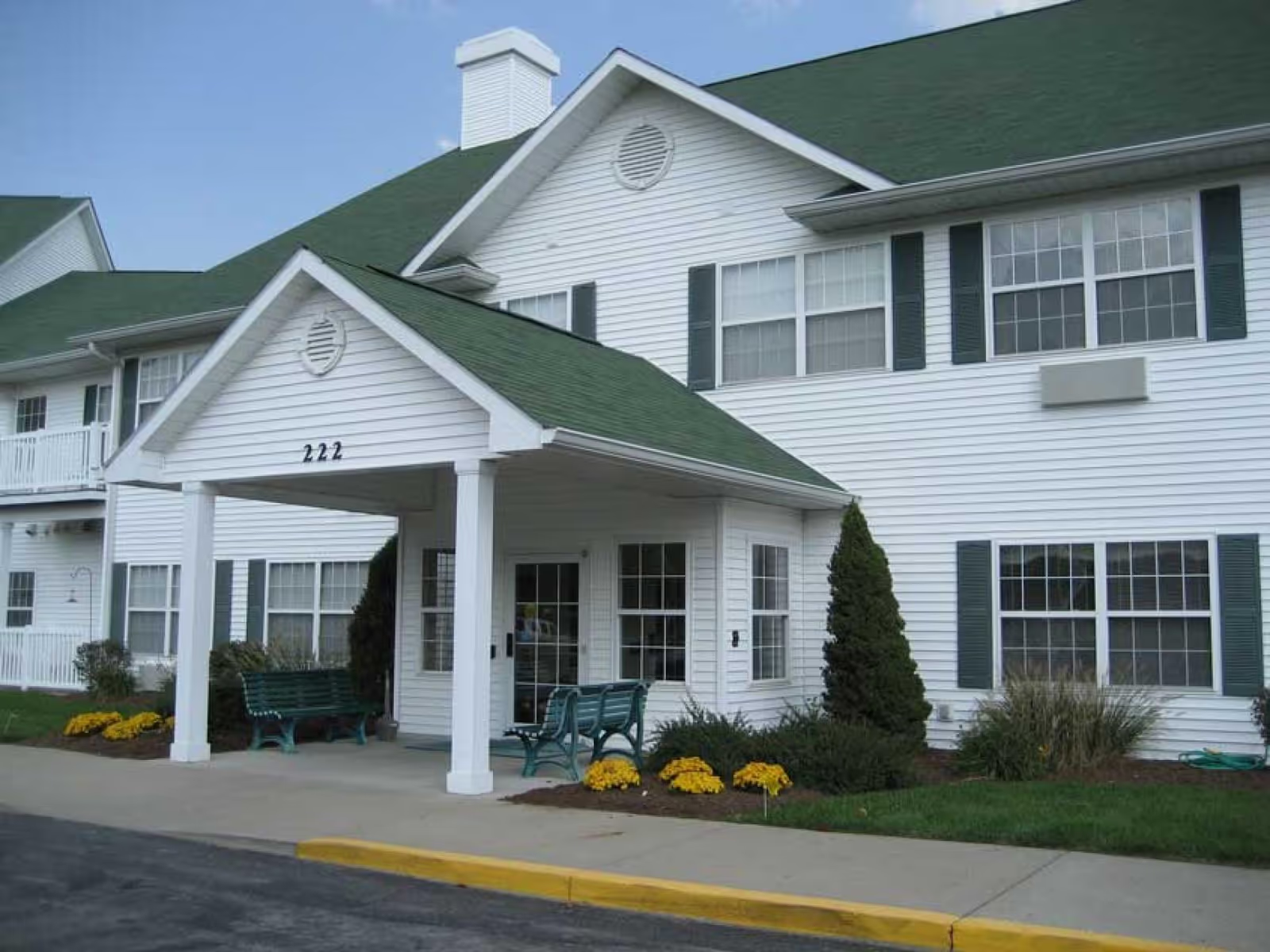
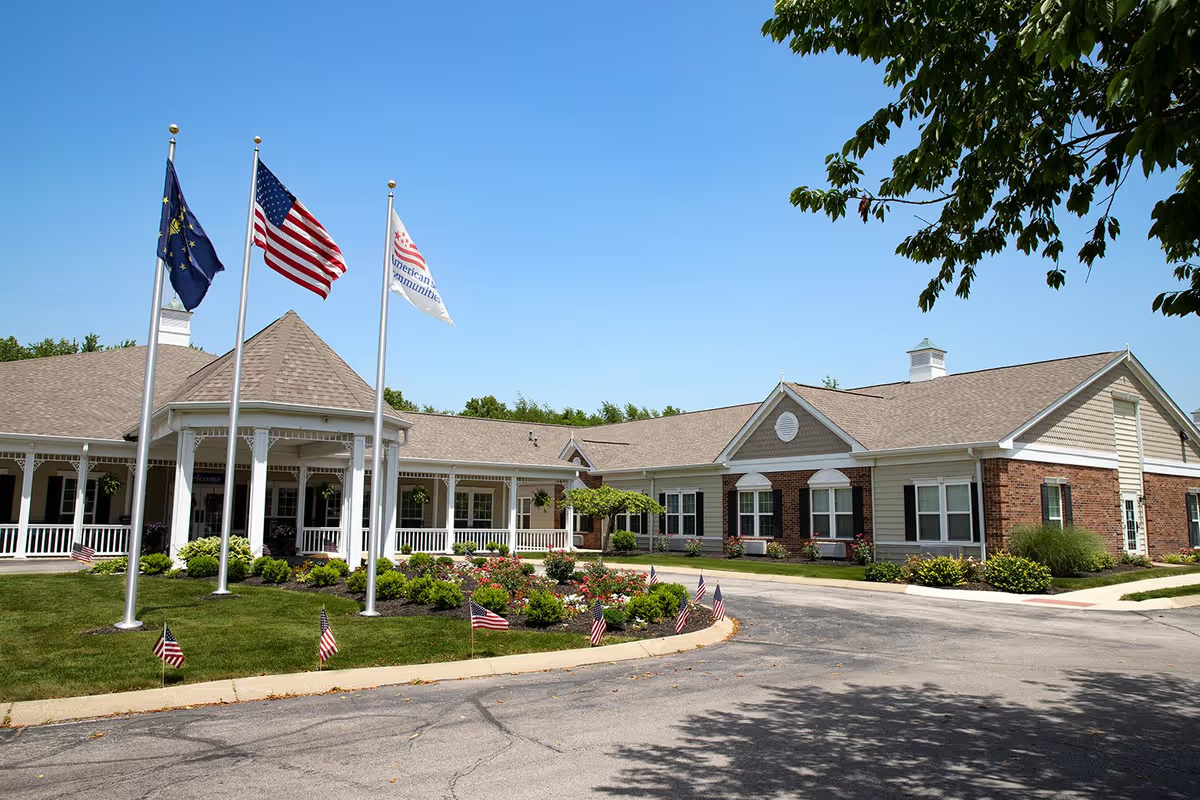
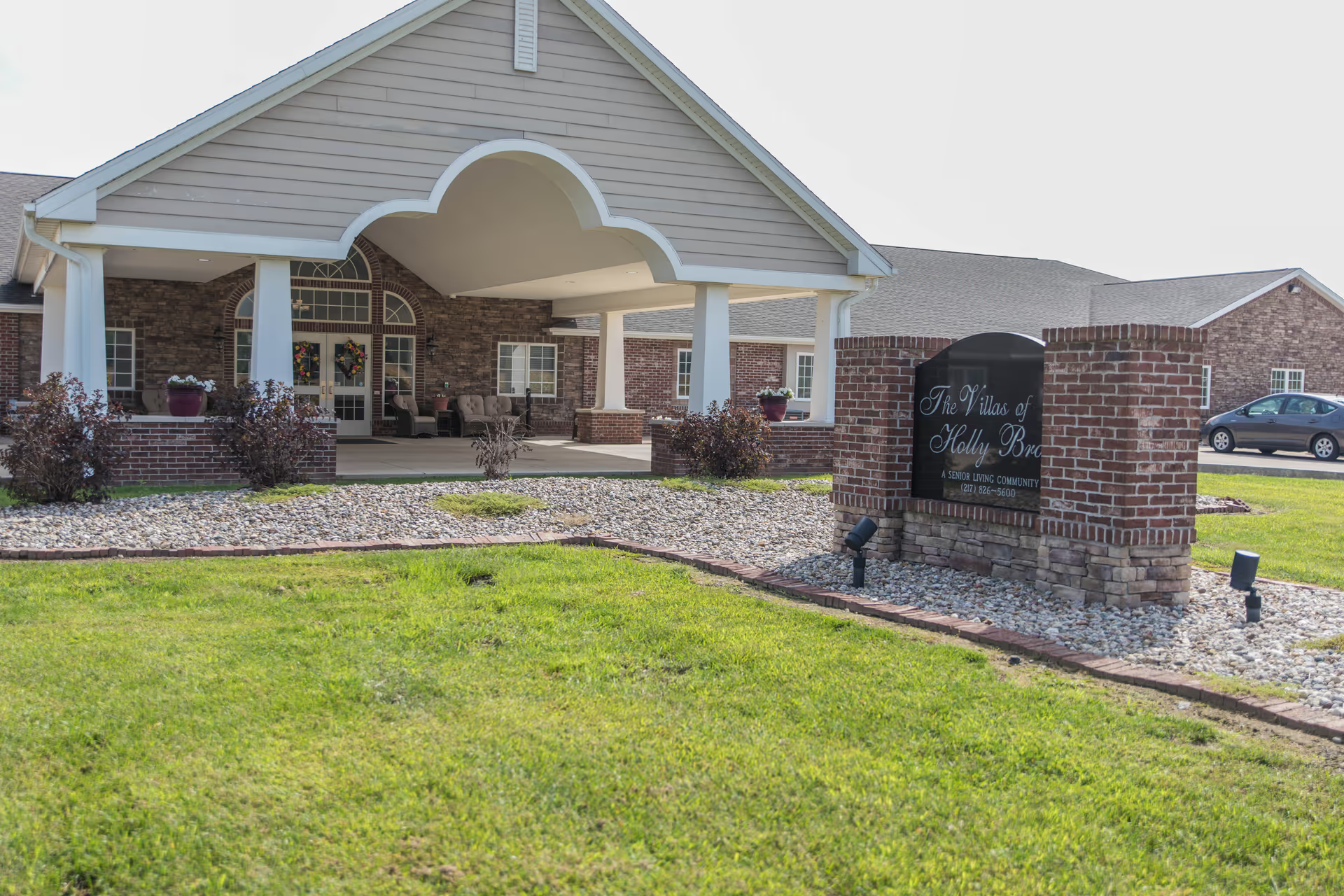
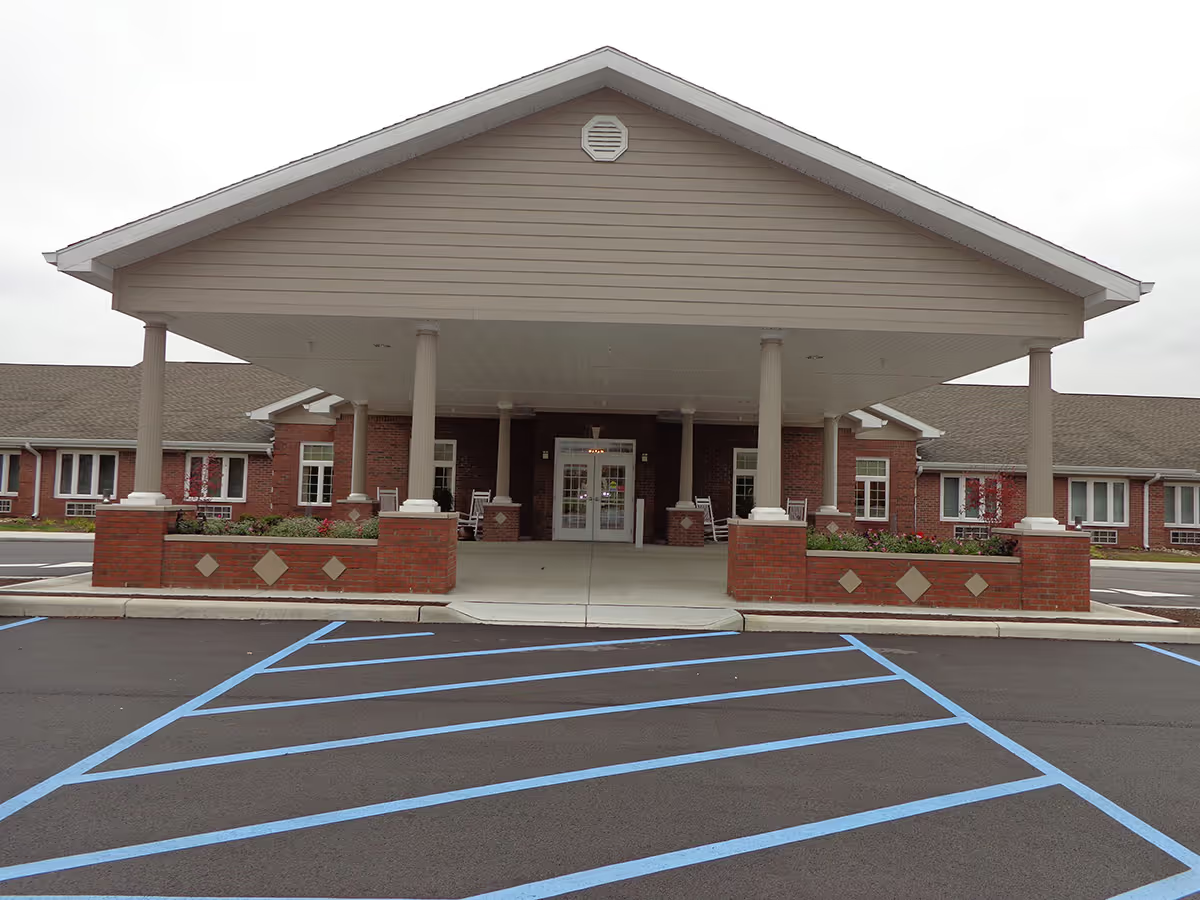
Harrison's Crossing presents a mixed but distinctive profile: many families and residents praise the campus aesthetic, hospitality-style dining, robust therapy services, and an engaged daytime clinical team, while others describe operational weaknesses that have clinical and experiential consequences. The facility is frequently described as modern, well-decorated, and hotel-like, with private rooms, pleasant common areas, on-site amenities and a convenient hospital-adjacent location. Social programming is a clear strength — weekly entertainment, live music, outings and a variety of activities contribute to a family-like culture and frequent reports of improved mobility and morale.
Clinical and care-quality feedback is polarized. Positive feedback emphasizes skilled physical and occupational therapy teams who produce rapid functional gains, attentive nurses and aides, and around-the-clock availability. Conversely, there are persistent concerns about medication administration processes, delayed or missed treatments, and specific lapses in respiratory-device management and wound care that, in at least one account, resulted in hospitalization and an early transition to hospice. These accounts point to gaps in clinical protocol adherence and escalation pathways rather than consistent, facility-wide competence.
Staffing and operational patterns emerge as a primary driver of variability in experience. Many reviewers singled out strong, compassionate daytime staff while noting reduced responsiveness, lower engagement, or professionalism issues during evening shifts. Staffing shortages and inconsistent coverage were linked to delays in responding to call systems, late medication delivery, and occasional failures in routine personal care tasks. Communication and care-coordination problems — including last-minute transportation arrangements and uneven family updates — further amplified family frustration when clinical or logistical needs arose.
Dining and hospitality are generally strengths, with several families noting high-quality, chef-driven meals, personalized service, and servers who remember resident preferences. At the same time, reviewers describe intermittent failures in meal delivery, inconsistencies in dietary accommodations, and occasional shortages that indicate weaknesses in kitchen continuity and dietary follow-through. Activities programming and social opportunities receive repeatedly positive comments and are often cited as contributors to recovery and resident satisfaction.
Sanitation- and personal-care concerns appear in multiple narratives and are described as intermittent but consequential when they occur. These accounts suggest opportunities for stronger oversight of routine care tasks and infection-prevention practices. Transportation, discharge coordination, and administrative communication are additional operational areas with room for improvement; families report occasional last-minute changes and challenges that complicate transitions home.
Overall, Harrison's Crossing offers many hallmarks of a high-quality rehabilitative and assisted-living campus — attractive environment, strong therapy services, and robust activity programming — but the facility also shows recurring operational vulnerabilities. The balance of experience appears to depend heavily on staffing levels and shift-to-shift consistency, as well as on management attention to clinical protocol enforcement, timely communication, and dietary and personal-care systems. Prospective residents and families would benefit from direct conversations with leadership about medication administration safeguards, evening-shift staffing, wound- and respiratory-care protocols, sanitation oversight, and transport/discharge processes before admission.