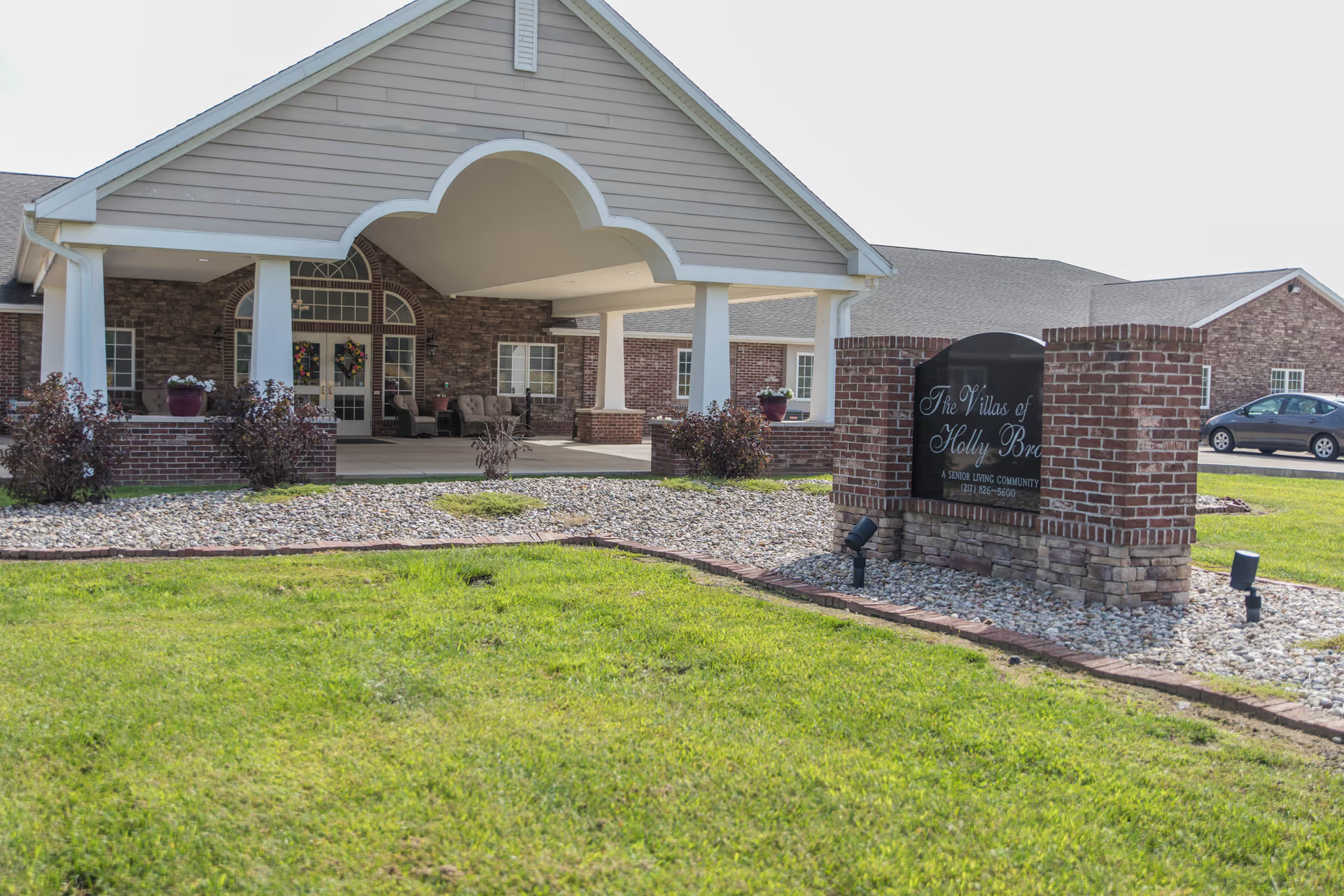
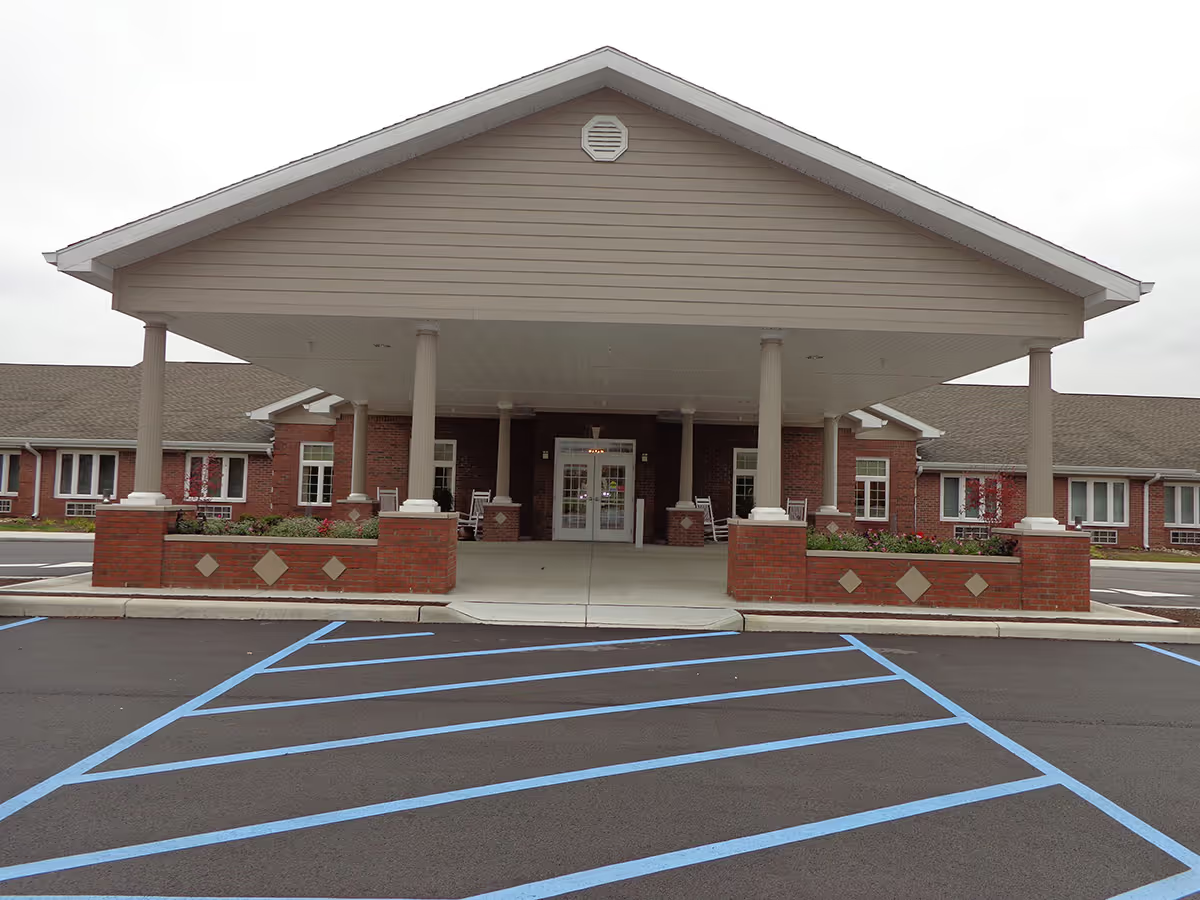
Overall impression: Reviews show a facility with clear strengths in direct care and therapy alongside notable operational inconsistencies. Many families and residents praised clinical staff — nurses, CNAs, and therapists — for professionalism, compassion, and effective rehabilitation support. The facility is described as able to manage higher-acuity needs and to provide personalized care plans that support recovery and resident independence. Administrative responsiveness and flexibility for short-notice admissions and transitions were also highlighted as positive features.
Care and staff: Clinical care quality is the most consistently praised area. Reviewers emphasize attentive nursing and dedicated aides who establish trust with residents. Therapy staff are frequently characterized as skilled and effective in supporting recovery. At the same time, accounts indicate variability in staff conduct and communication tone: some families described rude or unprofessional interactions and occasions when conversations among staff were audible to residents. A small number of accounts also raise concerns about delays in attending to resident needs. These mixed reports suggest generally strong clinical skills paired with inconsistent interpersonal and team communication practices.
Dining and activities: Activity programming and the social environment receive positive comments; residents enjoy cards and scheduled activities, and the community atmosphere is described as welcoming. Dining feedback is mixed—while some reviewers did not note concerns, others described unsatisfactory food quality and unprofessional kitchen practices. This points to variability in meal-service execution and kitchen oversight rather than a uniformly positive or negative dining experience.
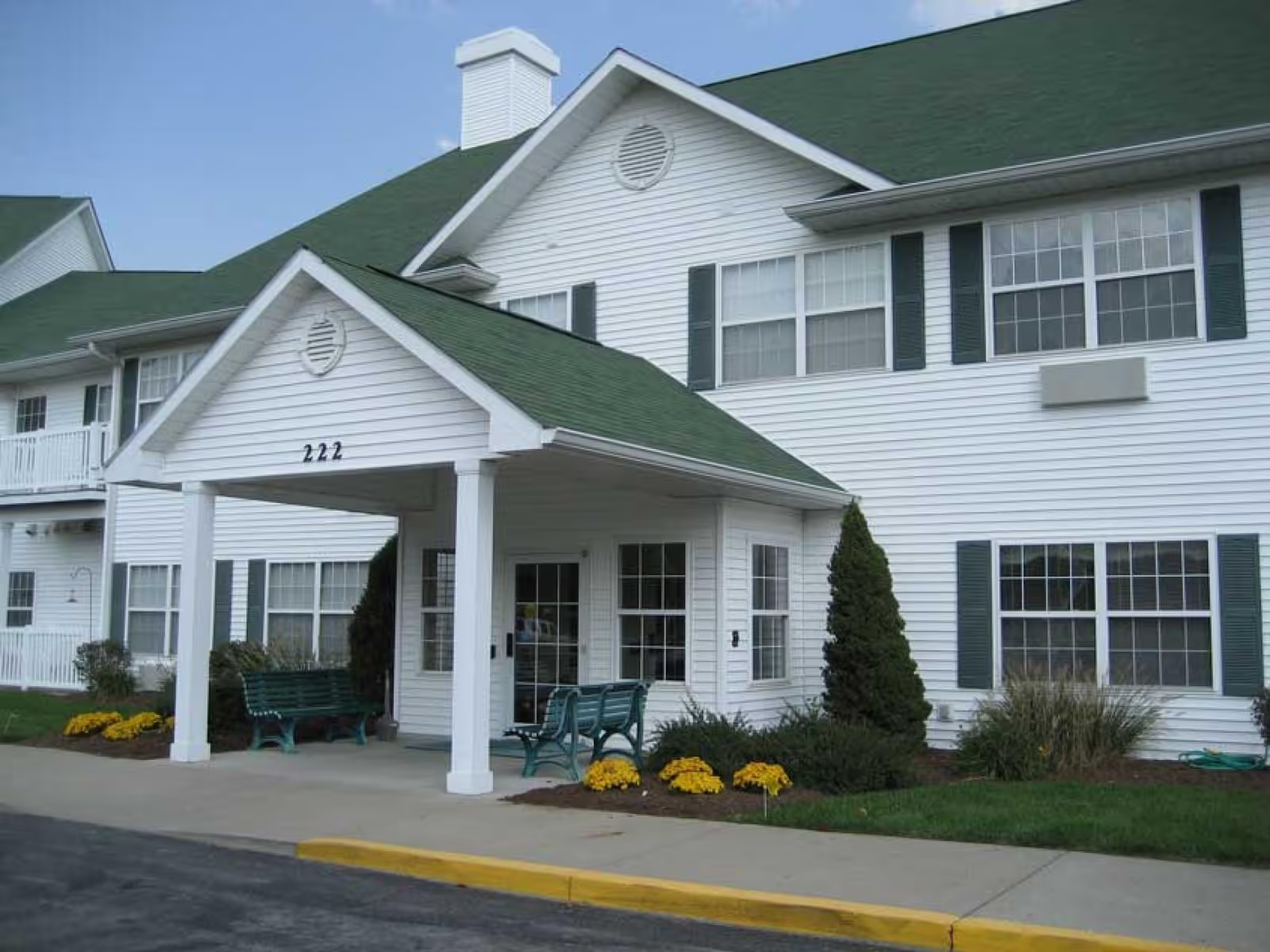
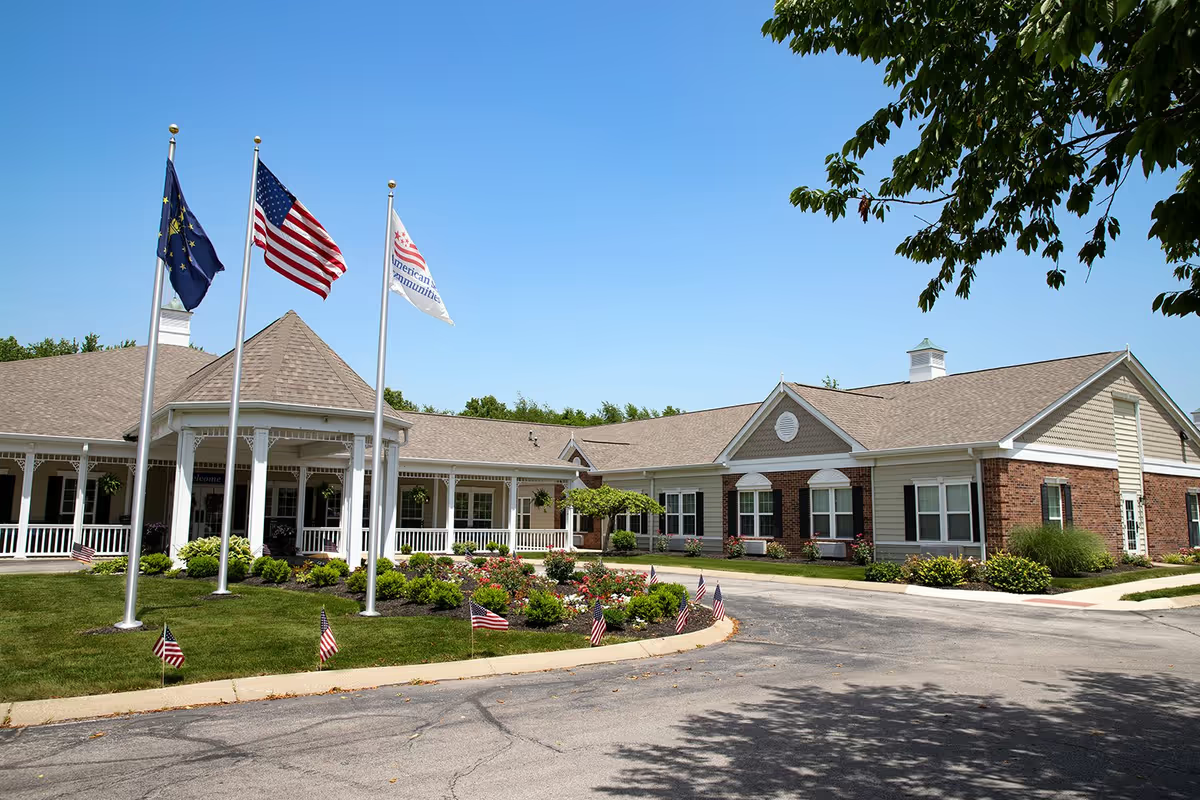
Facilities and infection/prevention controls: Facility-condition feedback is polarized. Several reviewers described clean, well-kept areas, whereas others noted sanitation concerns such as dust accumulation, trash in resident areas, and bathroom cleanliness issues. Additional accounts raised pest-control and odor-management gaps. These contrasting reports suggest inconsistent housekeeping and environmental-control practices across units or shifts.
Property, privacy, and risk management: Multiple reviewers raised operational issues around personal-property handling and privacy. Examples include unlabeled or mishandled clothing, reuse of personal toiletry items, and a reported privacy/property incident. These point to weaknesses in labeling, inventory controls, and property-security procedures. Given the seriousness of property and privacy concerns, families may want to ask management about policies for labeling, storage, staff training, and incident reporting.
Notable patterns and recommendations: The overall pattern is one of strong direct-care capability with variability in ancillary operations (housekeeping, dining, property management, and staff communication). Prospective residents and families would benefit from an in-person tour focused on dining service, housekeeping standards, resident rooms, and activity sessions; asking for documentation of cleaning schedules, pest-control contracts, therapy schedules, and property/labeling policies is advisable. It may also be useful to speak with the director about staff-training programs and to review recent inspection or quality-survey records to clarify whether issues are isolated or systemic. Families who prioritize robust clinical rehabilitation and compassionate nursing care will likely find strengths here; those for whom consistent environmental controls, property security, and dining quality are essential should verify those operational areas during their evaluation.