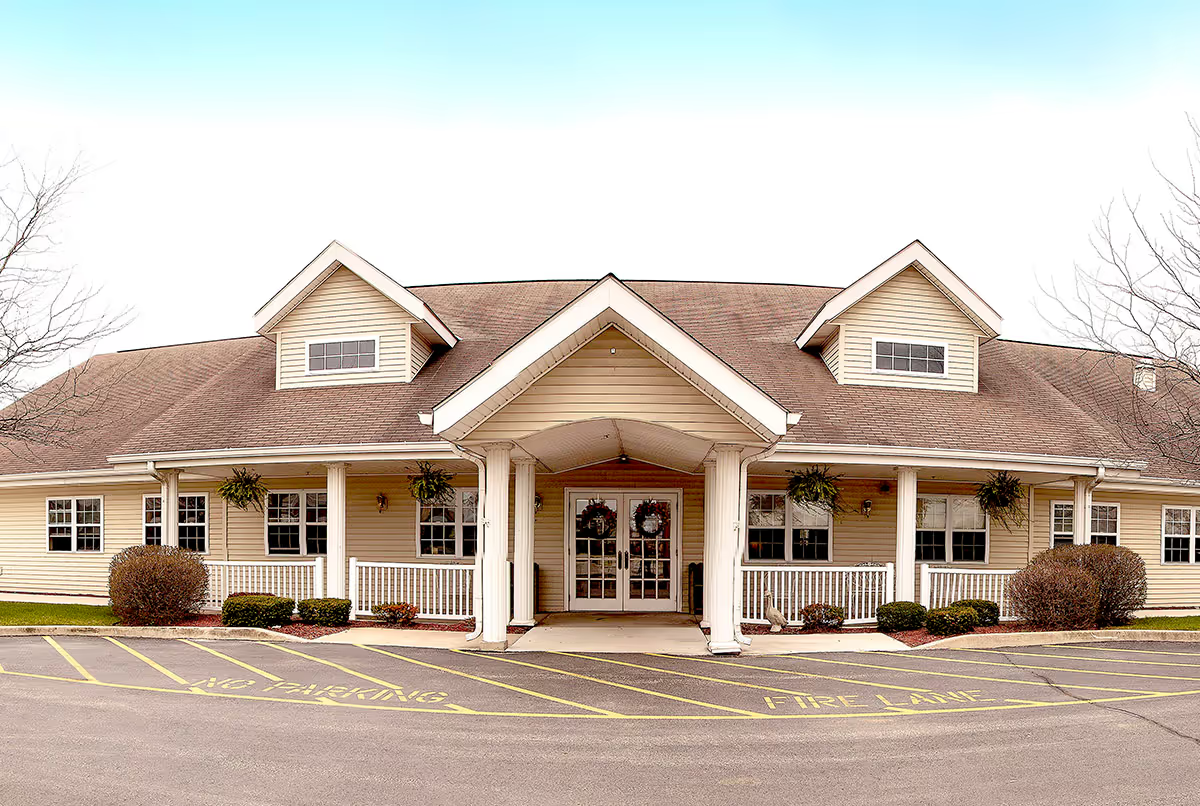
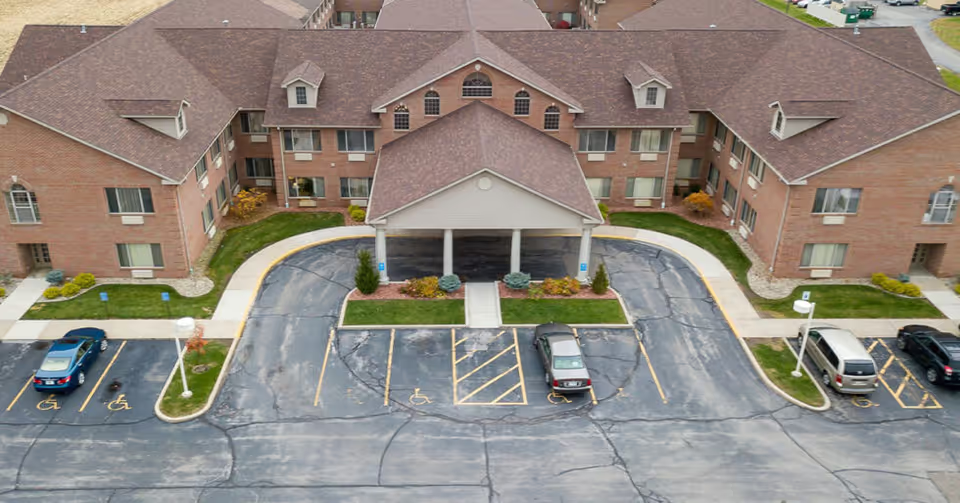
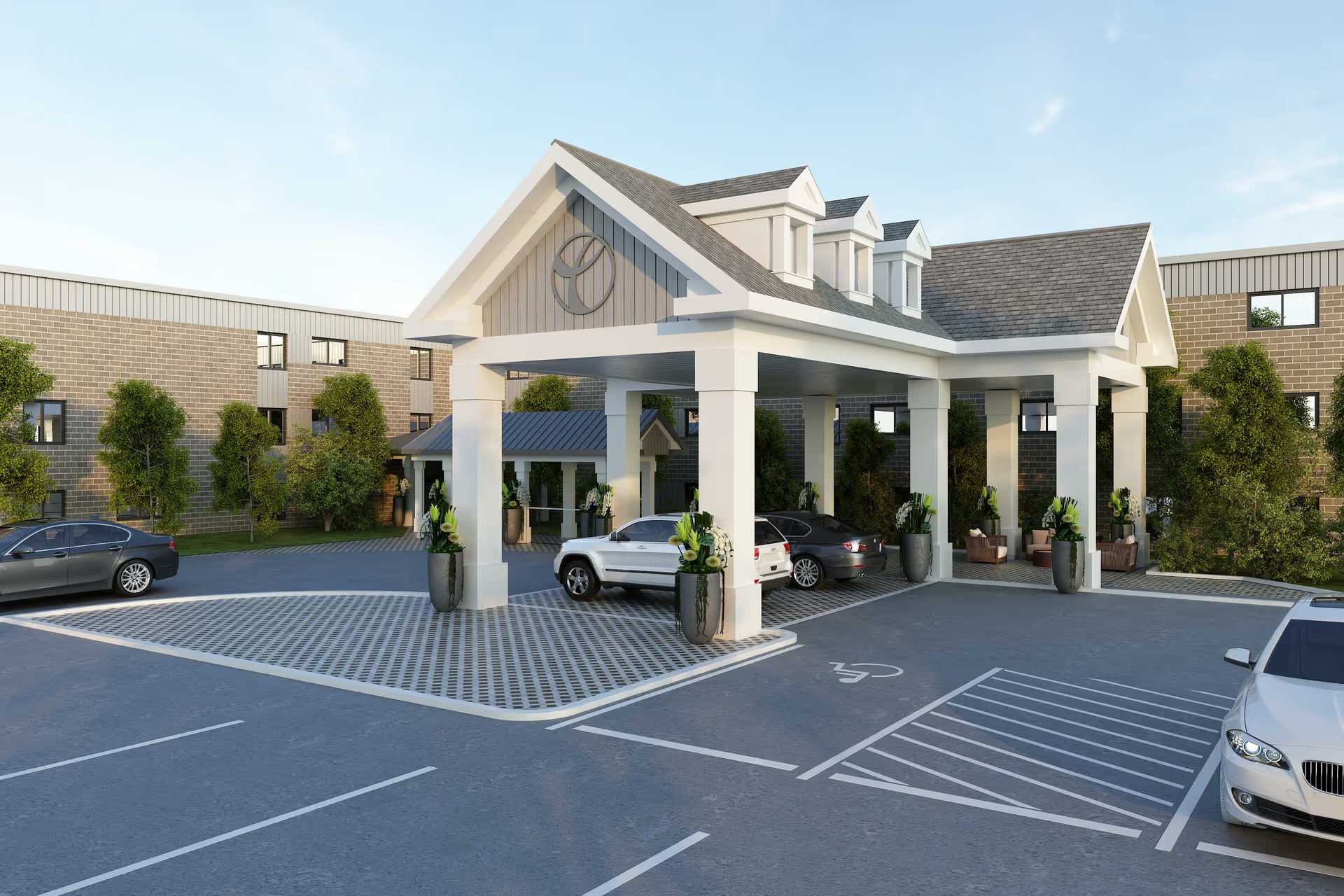
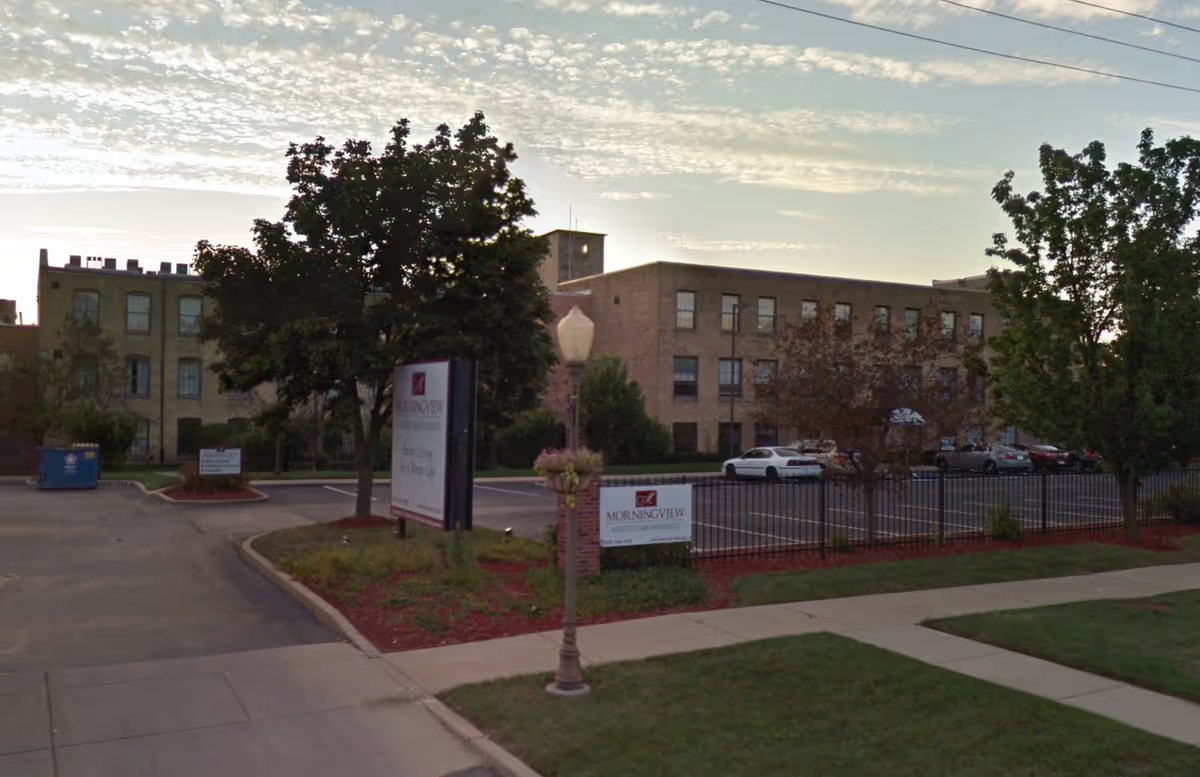
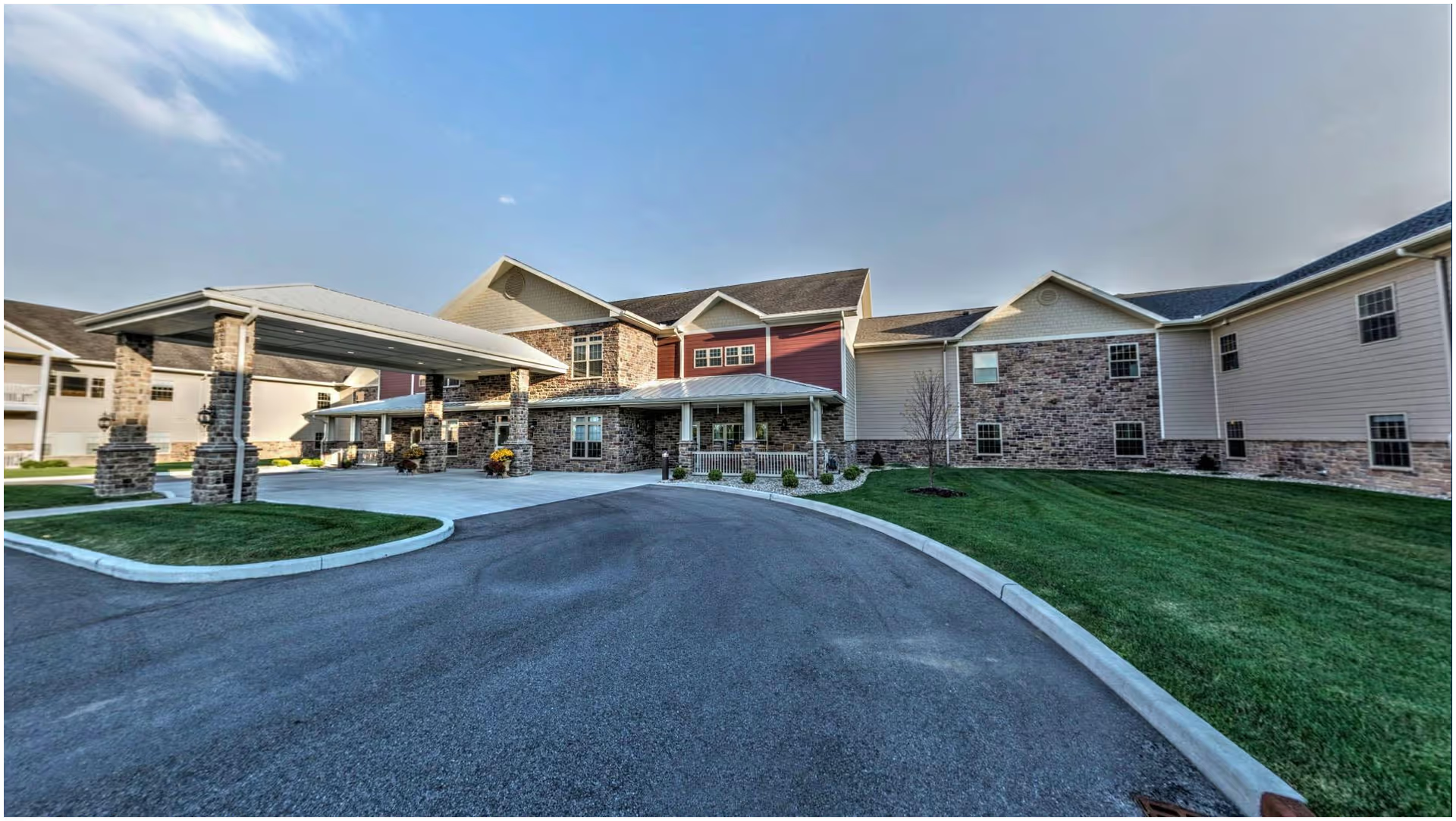
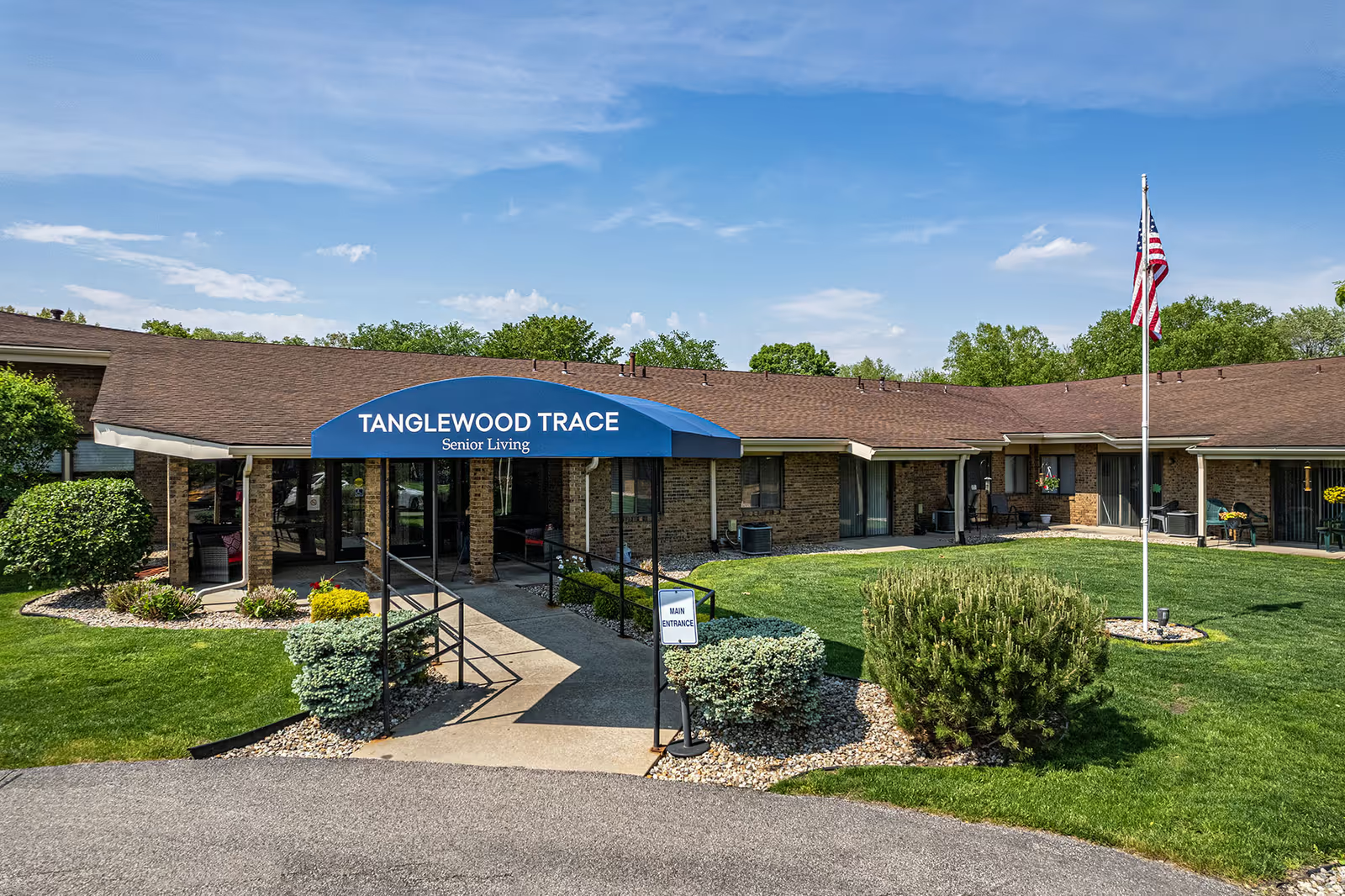
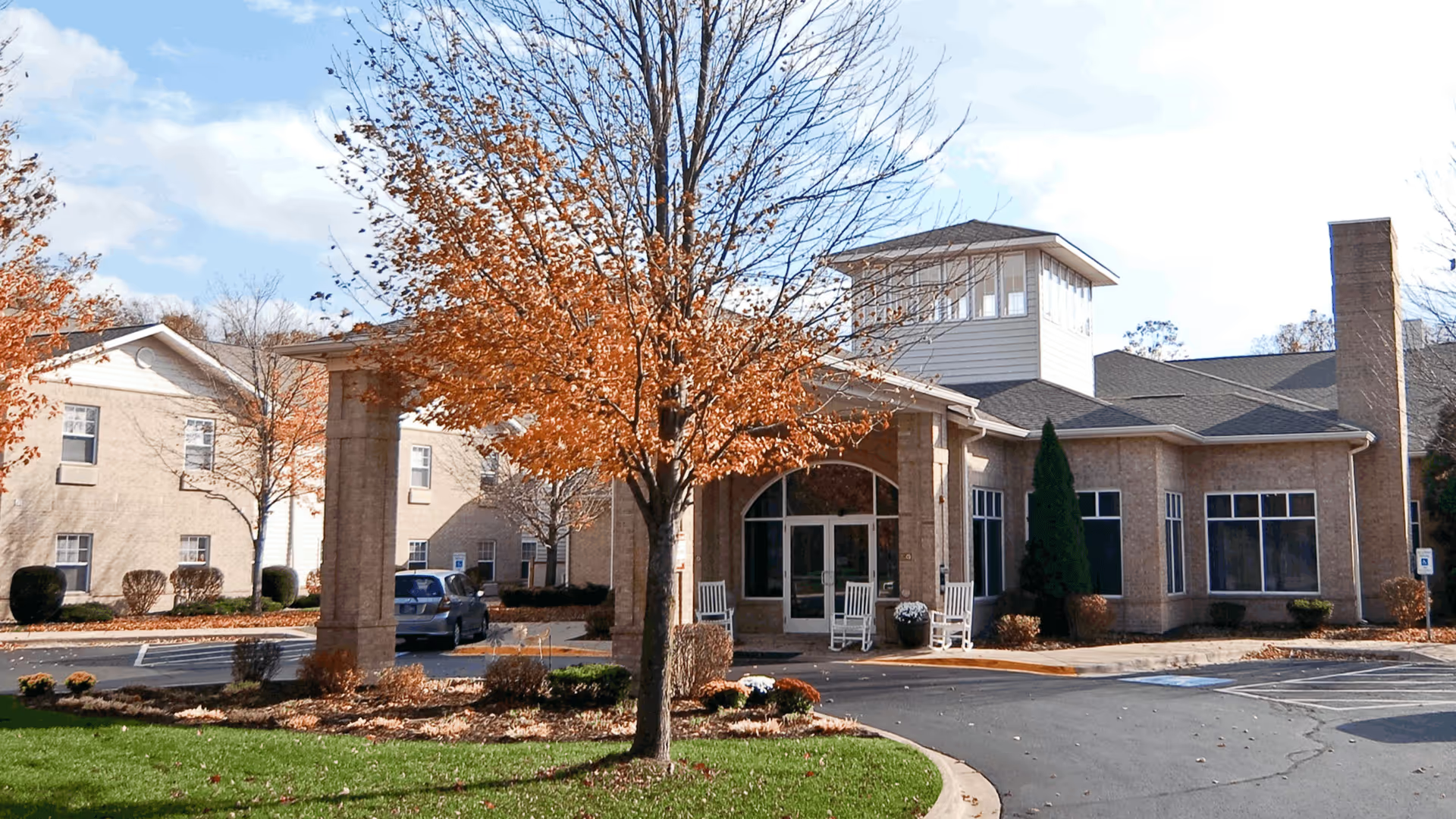
The reviews present a polarized picture of care at this Miller’s Merry Manor location. Positive comments emphasize an effective physical-therapy program, a generally clean and well-maintained building, and staff described as friendly and caring. Several reviewers conveyed that residents appear comfortable and that interpersonal relationships between staff and residents can be strong.
At the clinical level, praise for rehabilitation services contrasts with serious concerns about routine personal-care delivery and responsiveness. Multiple accounts describe inconsistent assistance with activities of daily living (examples referenced include incontinence care and aiding residents with dentures at mealtimes), which reviewers framed as failures in routine care processes and in preserving resident dignity. In a few accounts, families described delayed escalation to higher-level medical care; one account referenced an allegation regarding staff involvement in a serious adverse event and broader concerns about how that event was handled. Taken together, these items suggest gaps in on-shift supervision, clinical escalation protocols, and training for personal-care tasks.
Dining and activities are less consistently described. The presence of denture-support issues at meals points to uneven mealtime assistance; beyond that, there is limited detail about the activity program, though several comments imply residents are socially engaged. Facility-level impressions are generally favorable for cleanliness and safety, but sanitation and incontinence-care practices were specifically questioned by some reviewers.
Management and operational patterns emerging from the reviews indicate variability in day‑to‑day implementation of policies. Reported problems cluster around supervision and staff conduct, inconsistent adherence to personal-care routines, and shortcomings in communicating with families after critical incidents. Prospective residents and families would be advised to ask about staffing levels, care-assignment continuity, mealtime assistance procedures, clinical-incident escalation protocols, and how the facility documents and communicates adverse events to families before making placement decisions.