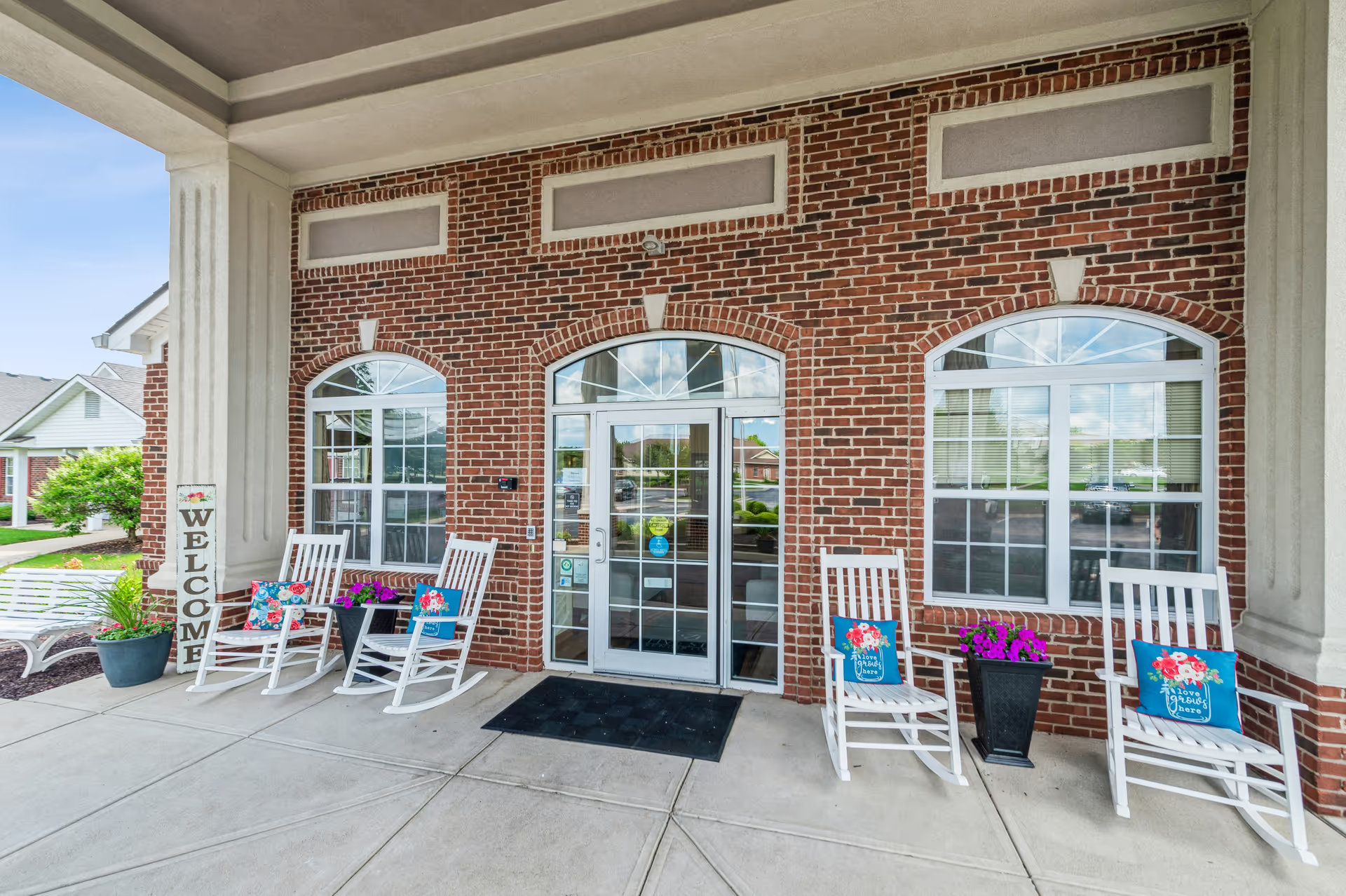
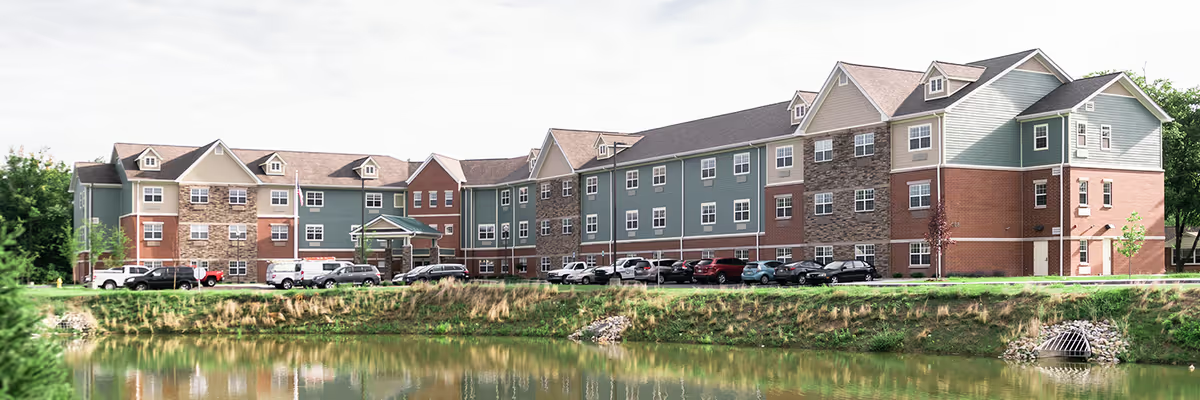
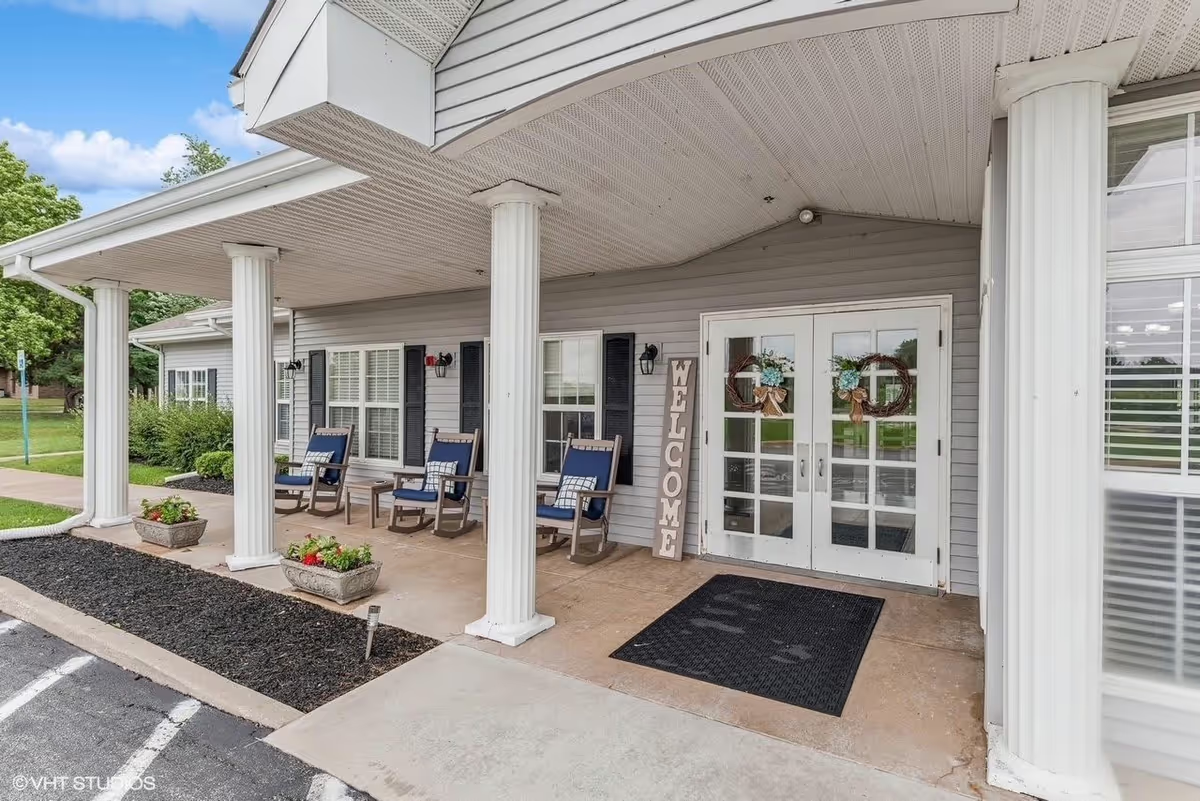
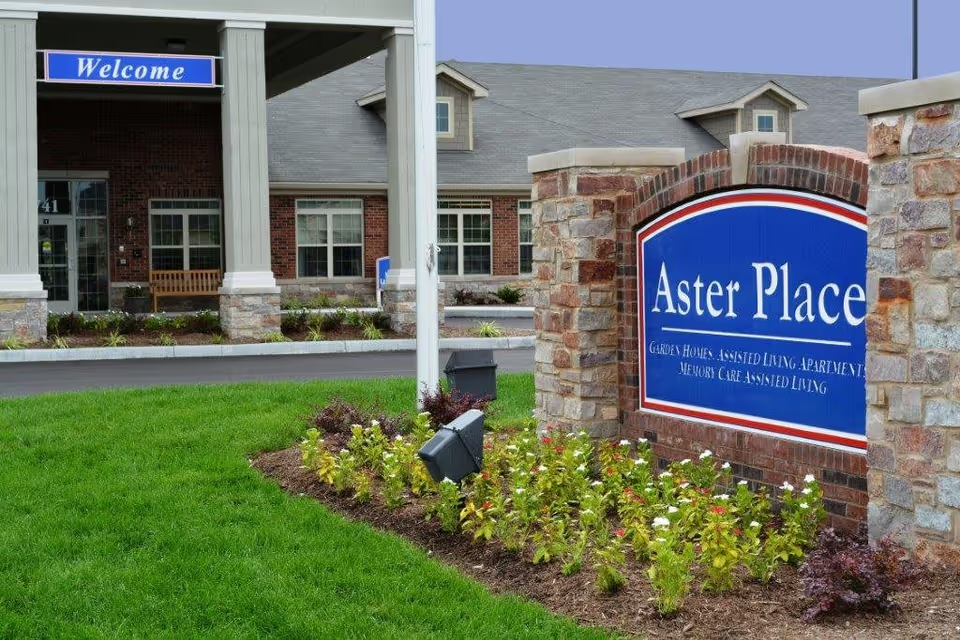
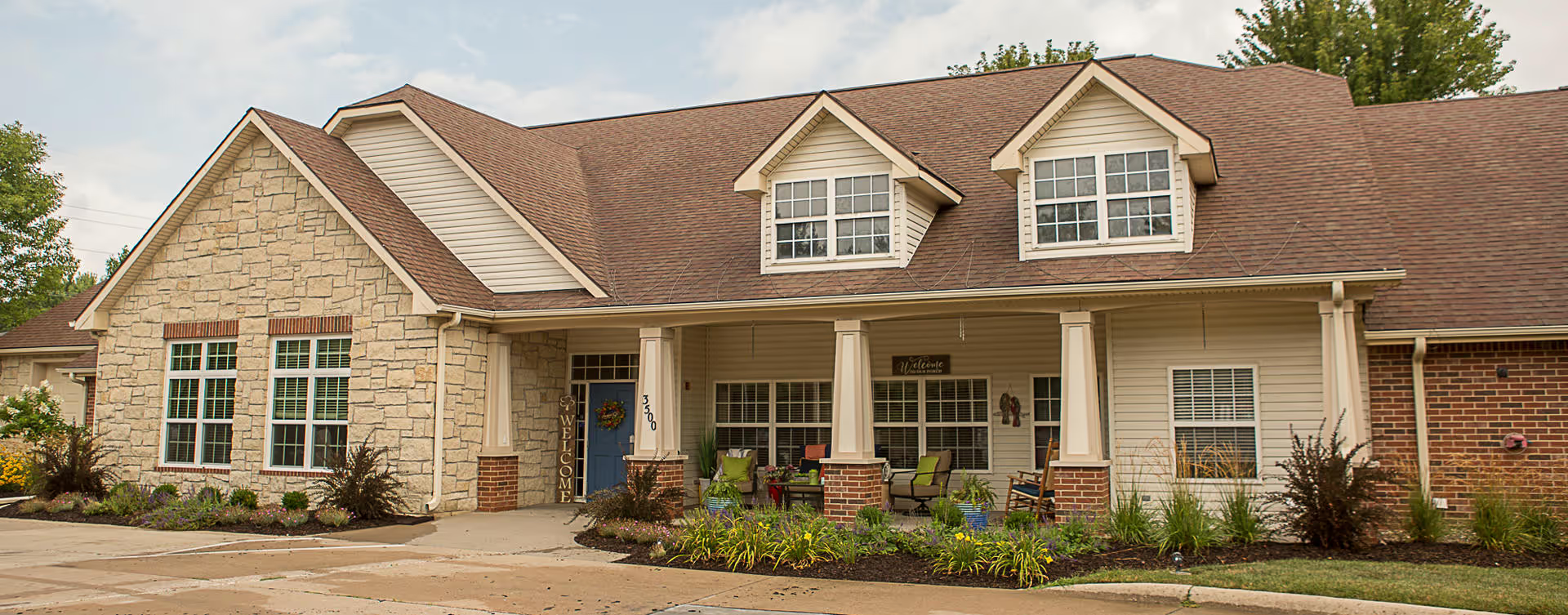
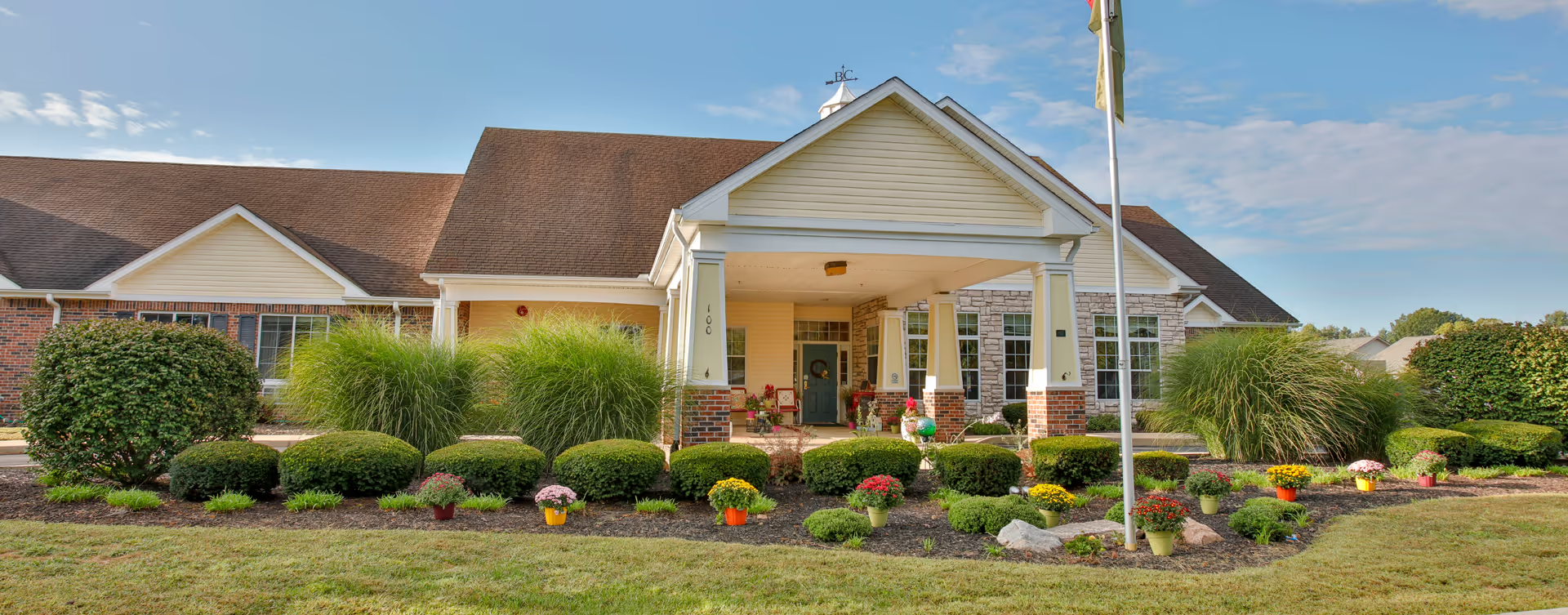
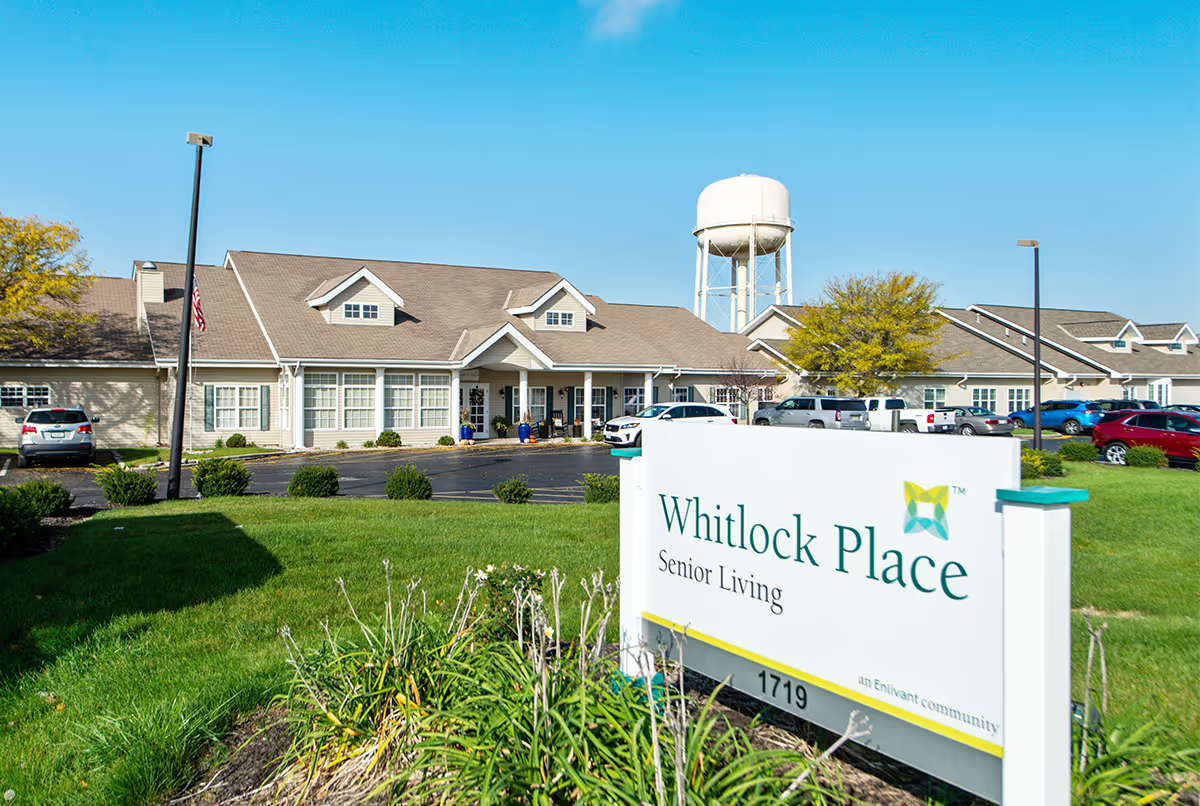
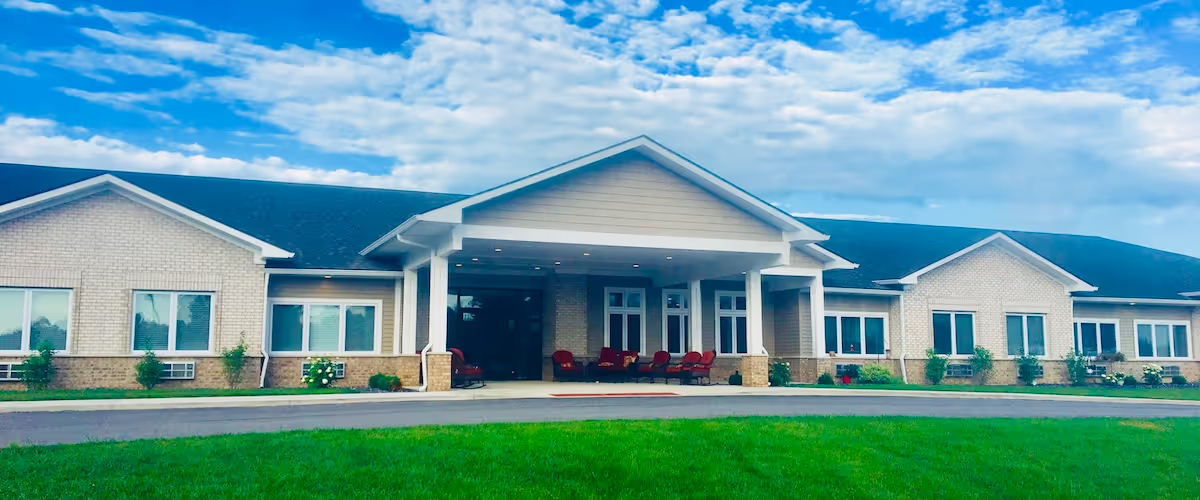
Cumberland Pointe Health Campus elicits strongly mixed impressions. Many families and residents describe a warm, compassionate culture driven by caregiving staff who provide attentive, client-centered care. Positive accounts emphasize personalized attention, successful short-term rehabilitation and mobility gains, effective hospice and end-of-life support, and a social environment with regular activities and field trips. Dining is frequently praised for being restaurant-like and healthful, and several reviews commend the facility’s amenities such as a beauty shop and welcoming common areas.
At the same time, a set of operational weaknesses recurs across reviews. Cleanliness and facility-maintenance concerns appear intermittently, creating a contrast between accounts that praise housekeeping and others that describe sanitation and odor concerns in parts of the building. Staffing levels are described as variable; reviewers note times when care teams were stretched thin, which reviewers link to delays in personal care and inconsistent assistance. Relatedly, clinical oversight and physician coverage are characterized as uneven, and therapy services have at times been interrupted or discontinued without clear communication, creating gaps in rehabilitation continuity.
Communication and administrative processes are another area of divergence. Positive accounts highlight clear, compassionate communication from many staff members, but other families describe significant communication gaps—particularly around transfers, timing of care transitions, and follow-up after a resident’s death. Billing and administrative coordination issues are also mentioned as a recurring administrative friction point. Additional operational concerns include limited transportation availability for residents and variability in staff conduct and cultural competence, including instances of insensitive communication.
For prospective residents and families, the facility’s strengths center on its caregiving culture, social programming, and dining quality; these elements appear capable of delivering excellent day-to-day experience for many. However, the pattern of inconsistent housekeeping, staffing variability, intermittent clinical-coverage gaps, and occasional administrative and communication failures suggests due diligence is warranted: verify current staffing ratios, clarify physician and therapy coverage plans, review housekeeping and sanitation protocols, and discuss family communication processes and billing procedures before making placement decisions.