Overall impression: Reviews convey a mixed but clear pattern: the Indiana Veterans' Home is frequently praised for its compassionate direct-care staff, strong recreational and spiritual programming, and attractive campus, while significant operational and management-related weaknesses are repeatedly flagged by families and employees.
Care quality: Clinical outcomes are described positively in many cases — reviewers note measurable short-term rehabilitation gains and improvements in strength after admission. Simultaneously, several accounts raise concerns about clinical oversight: inconsistent assignment of primary providers, delayed or late diagnoses, and problematic medication practices were cited. These items suggest variability in medical supervision and medication-management controls across cases rather than uniform performance.
Staff and workplace culture: Staff behavior is described in polarized terms. Many reviewers characterize caregivers as friendly, loving, and attentive; others describe instances of rude or disengaged aides. Employee comments point to low morale and a challenging workplace culture, with references to inadequate pay, toxic management practices, and high stress. This combination suggests uneven staff engagement and retention pressures that can affect day-to-day resident experience.
Dining and activities: Dining and activity programming are consistent strengths. Meals are frequently described as good and appreciated by residents. Recreational offerings such as Bingo, church services, and chaplain visits are highlighted as meaningful elements of daily life and spiritual care, and they contribute to reported resident satisfaction and a positive long-term residency experience.
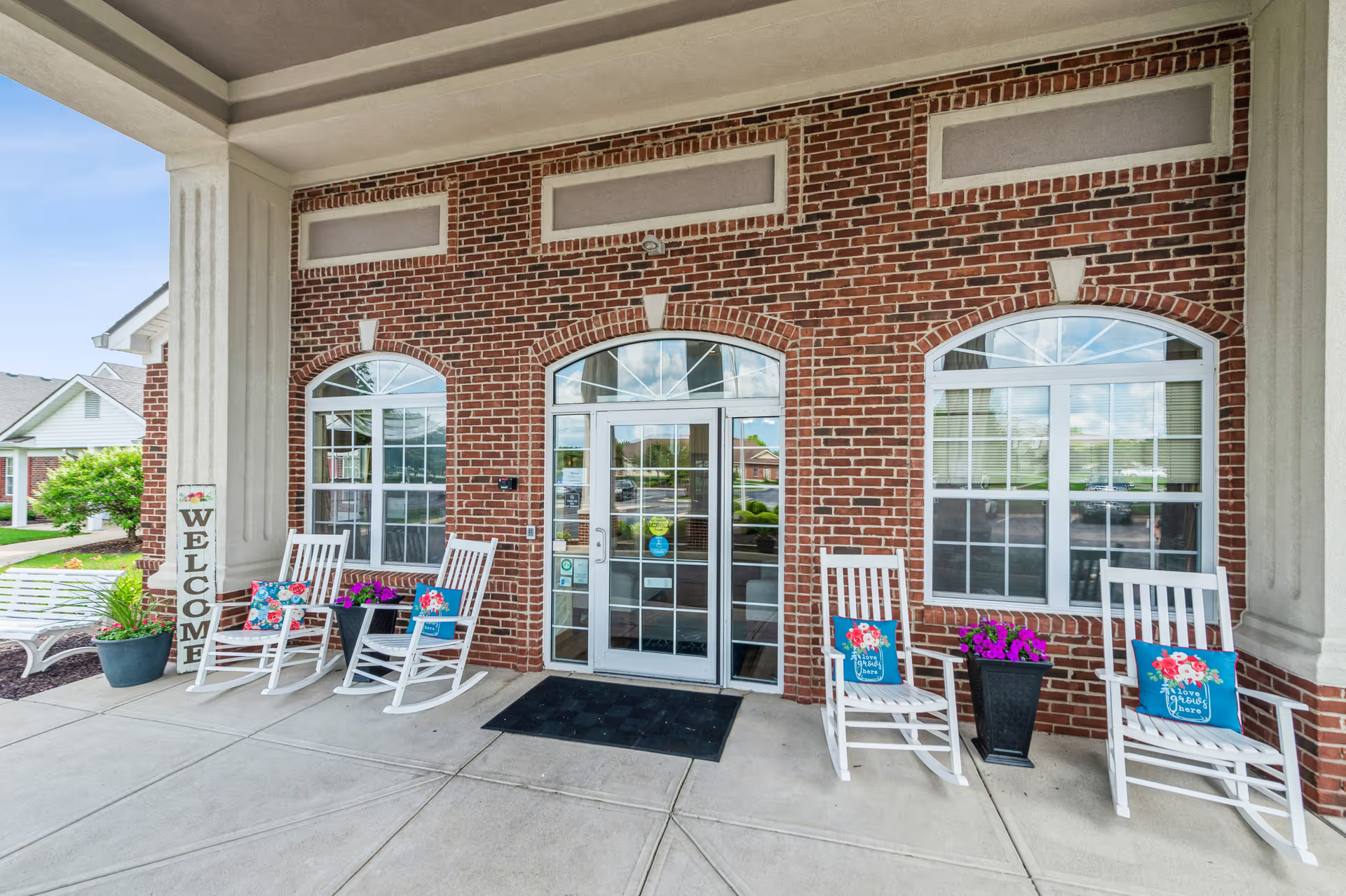
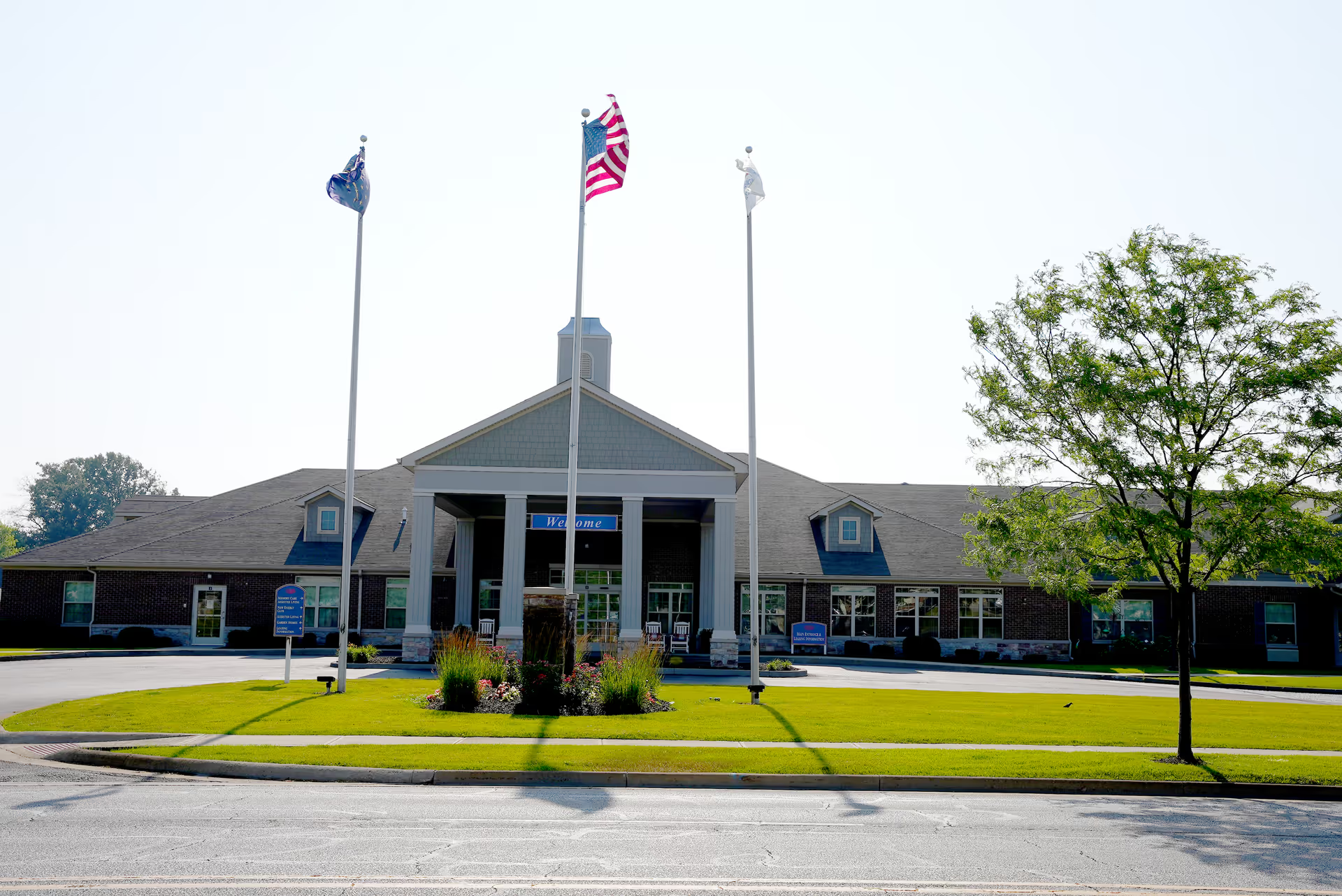
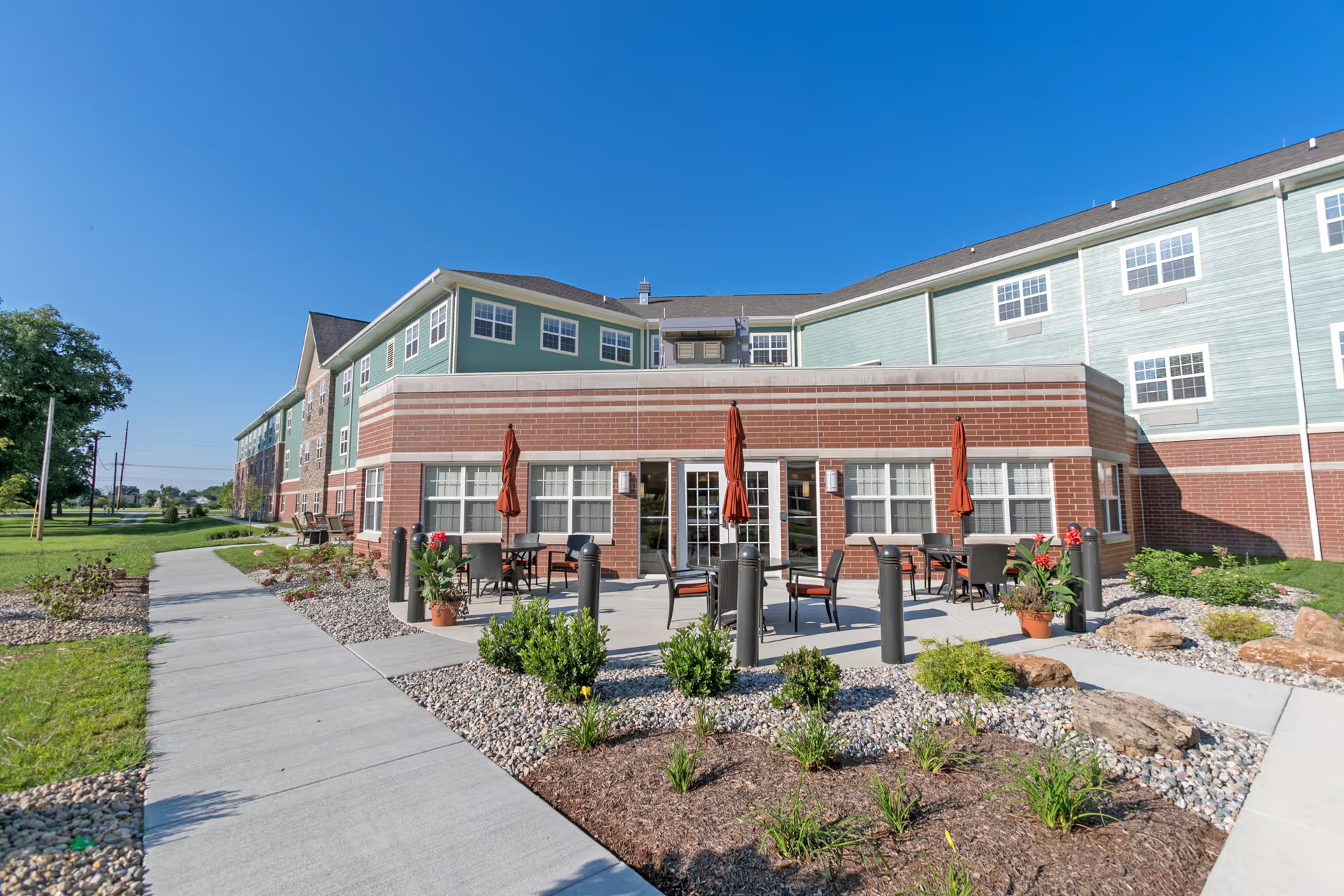
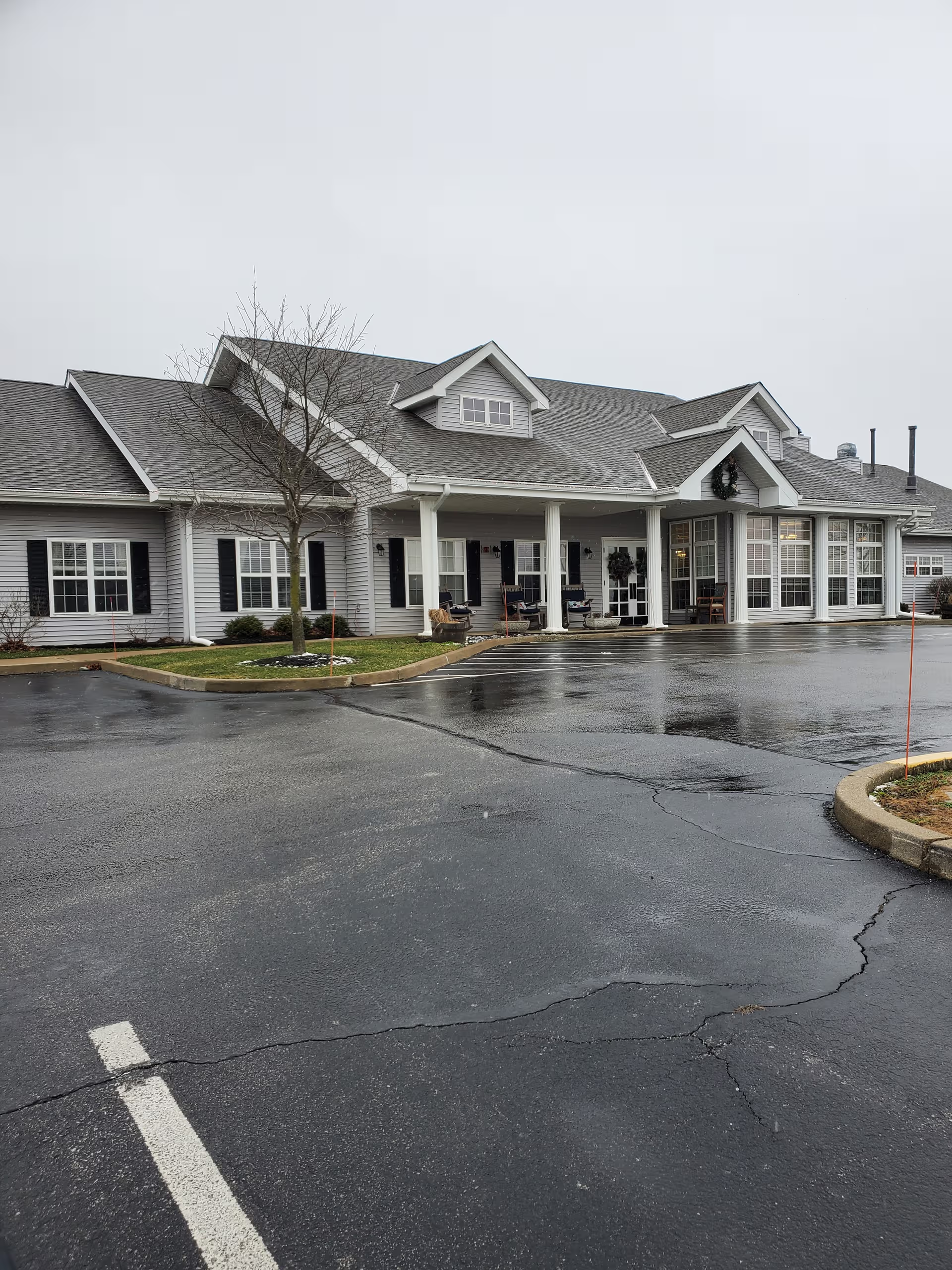
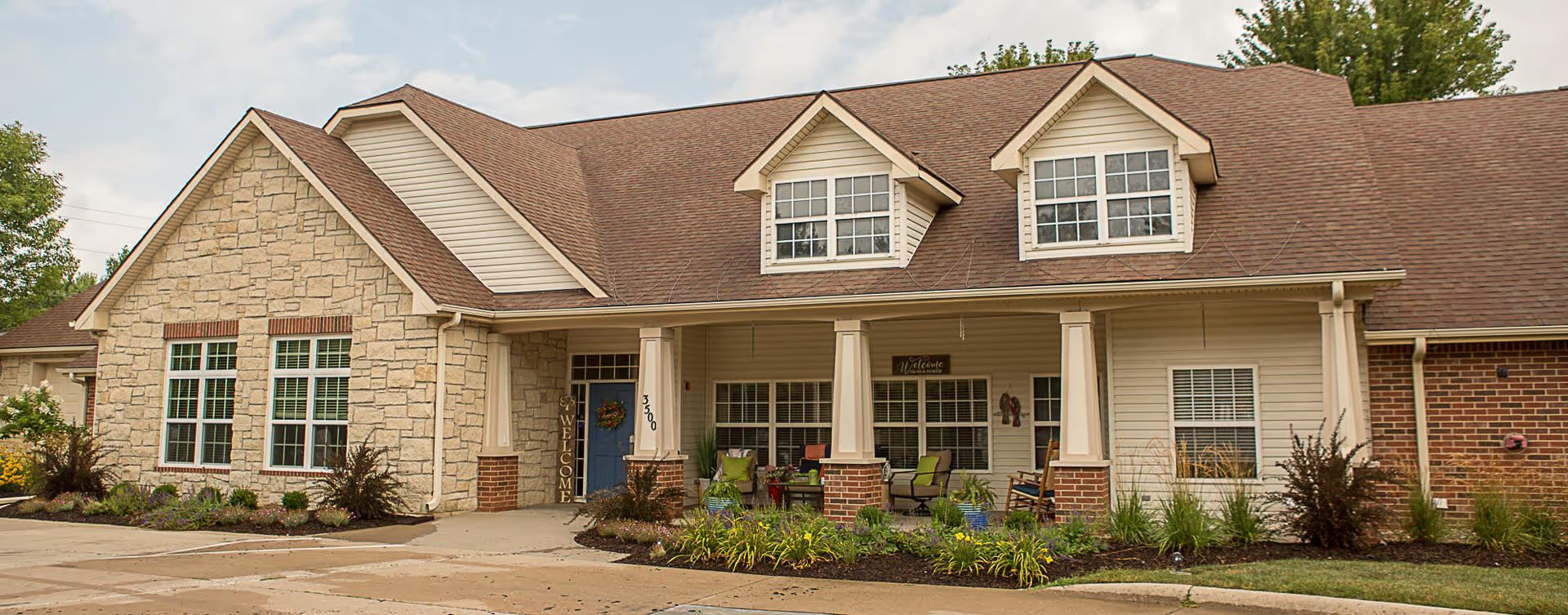
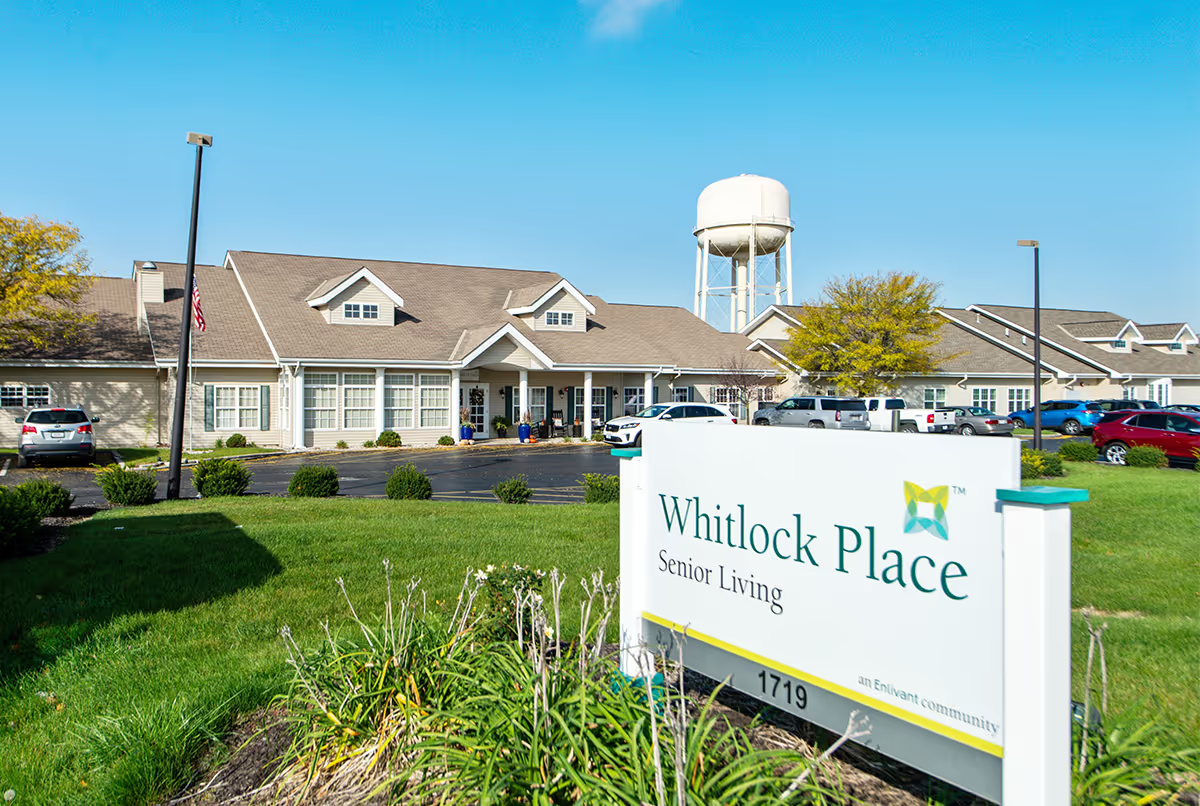
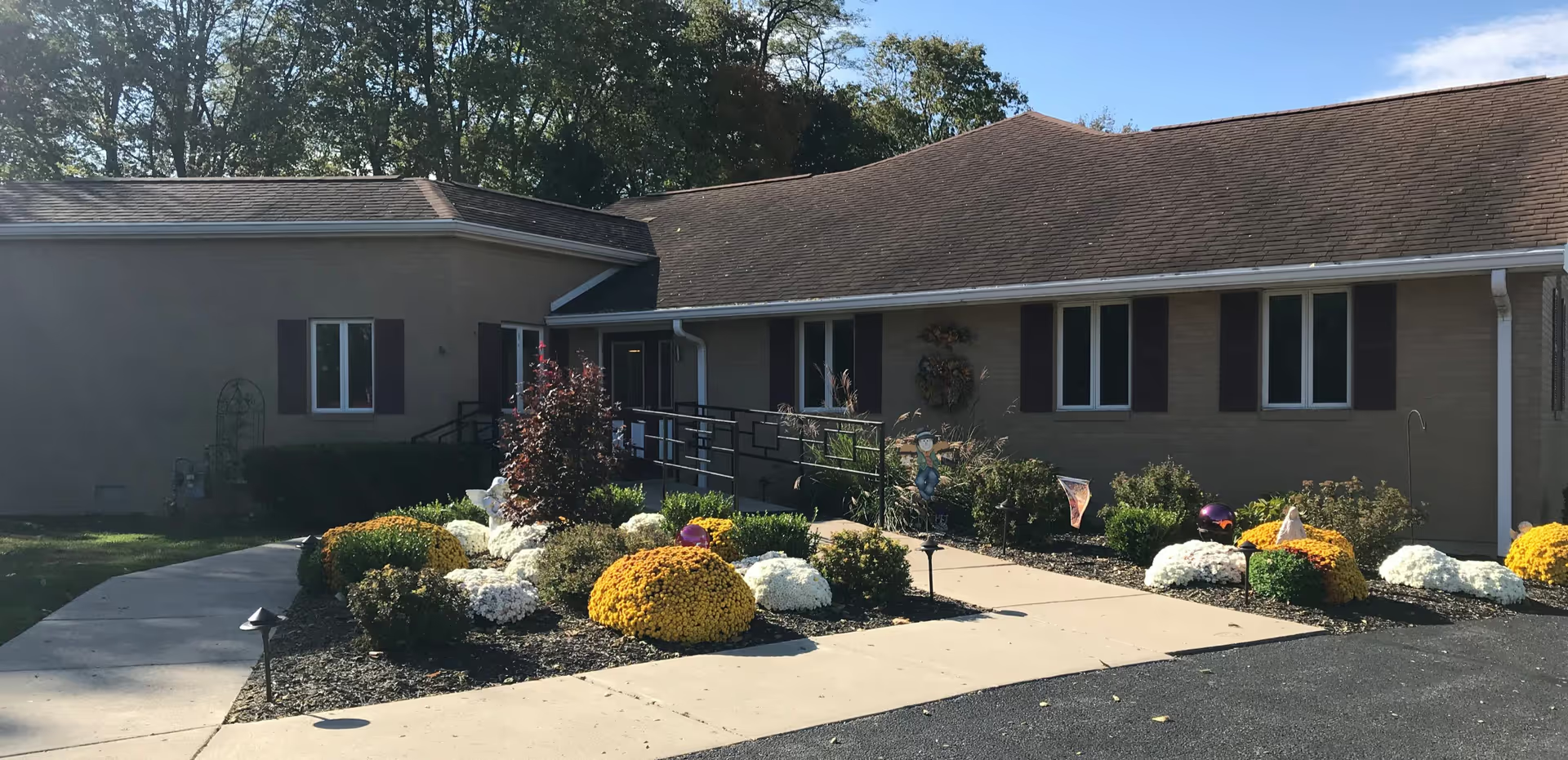
Facilities and campus: The physical plant and grounds receive positive remarks. Reviewers describe attractive, scenic, and restful grounds and generally well-maintained facilities that support a pleasant living environment for residents.
Management, policies, and family communication: Multiple reviewers identify concerns with management responsiveness and fairness. Themes include perceived inequities in admission and discipline policies, complaints about how personnel matters and grievances are handled, and family distress over communication following clinical incidents or declines in condition. There are also concerns about mental-health crisis response and end-of-life communication processes that families recommend clarifying before admission.
Notable patterns and guidance for families: The dominant positive themes are quality meals, meaningful activities, spiritual support, and many examples of compassionate caregiving. The dominant negative themes cluster around inconsistent staff professionalism, workforce morale, clinical oversight variability, and management/communication weaknesses. Prospective residents and families may benefit from asking the facility for specifics before placement: current staffing ratios, primary-care assignment procedures, medication-management protocols, incident/complaint escalation policies, and how mental-health crises and end-of-life situations are handled. Observing staff–resident interactions and speaking with long-term residents and family members during a visit may help assess the consistency of care and workplace climate.