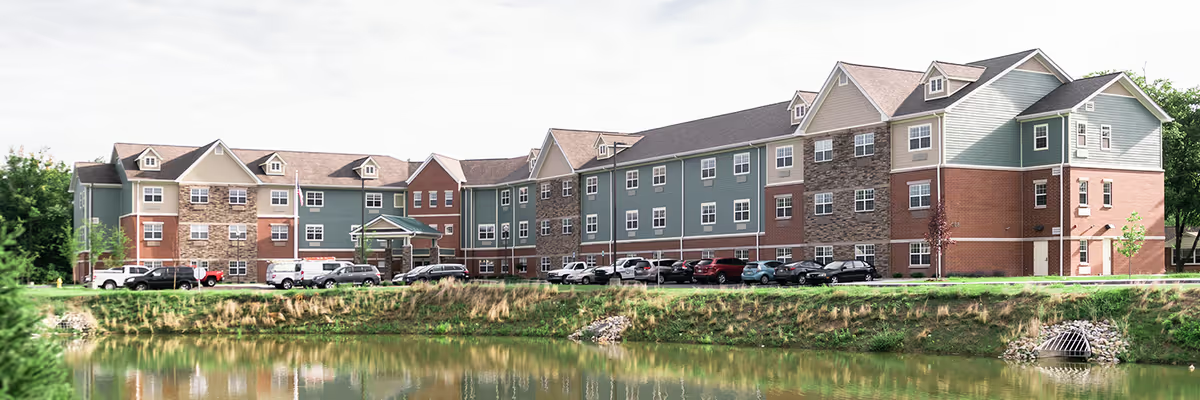
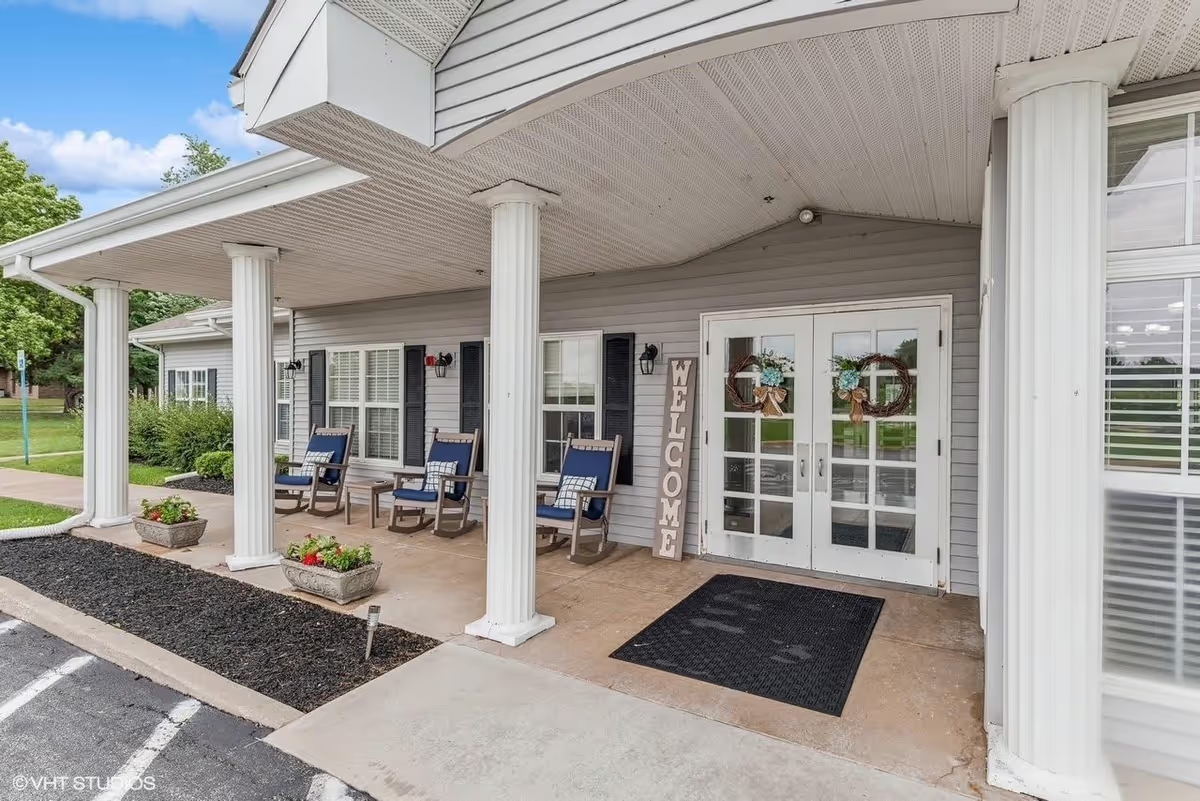
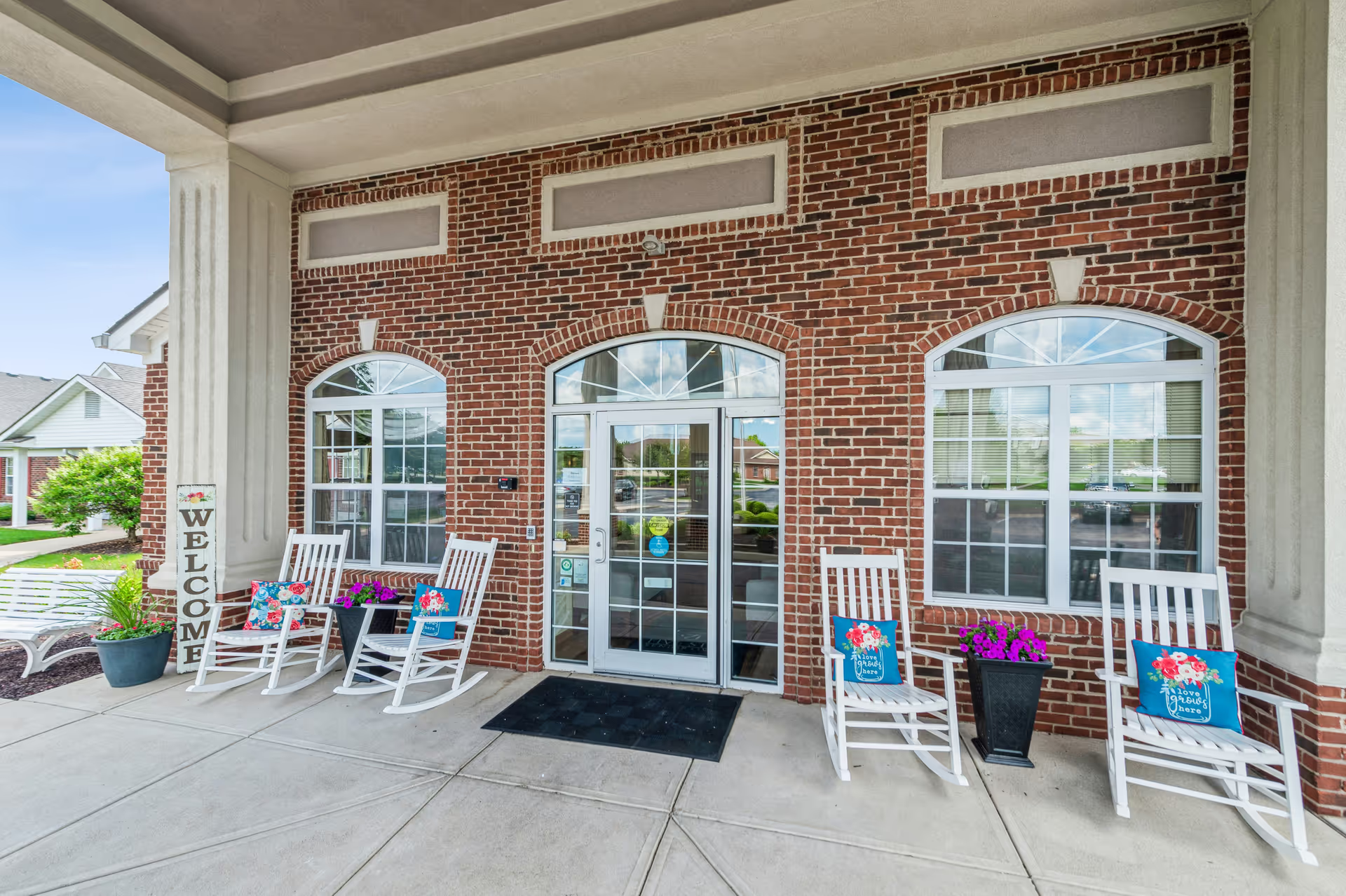
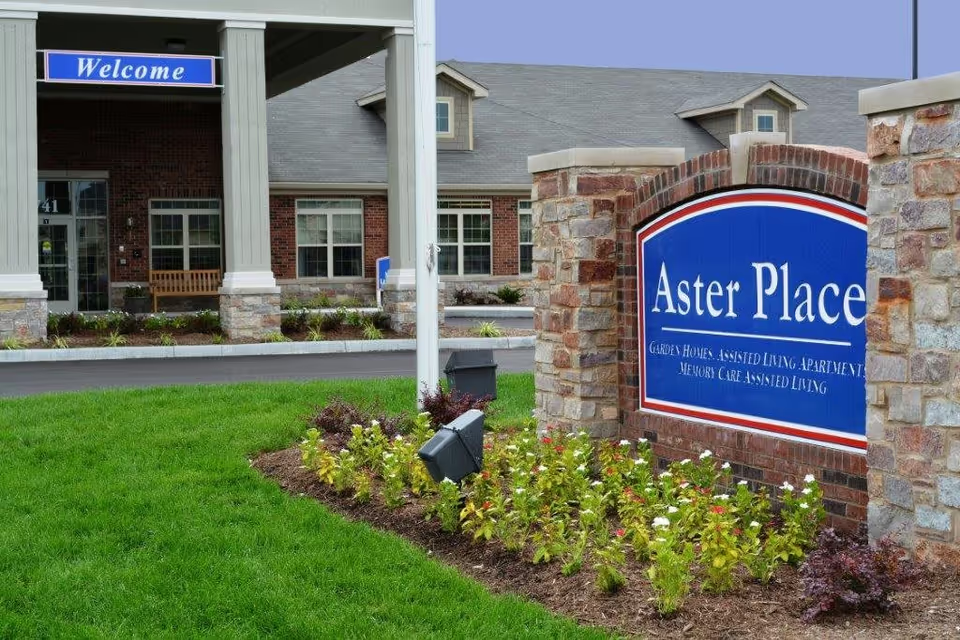
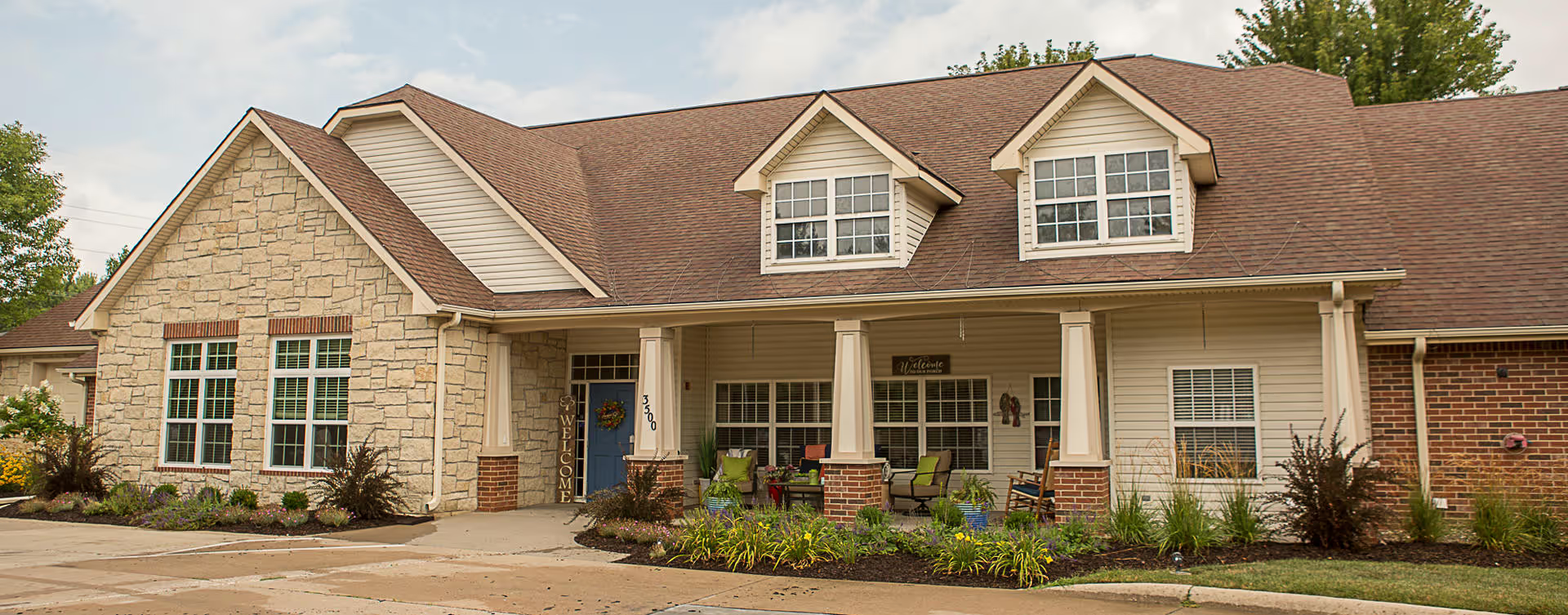
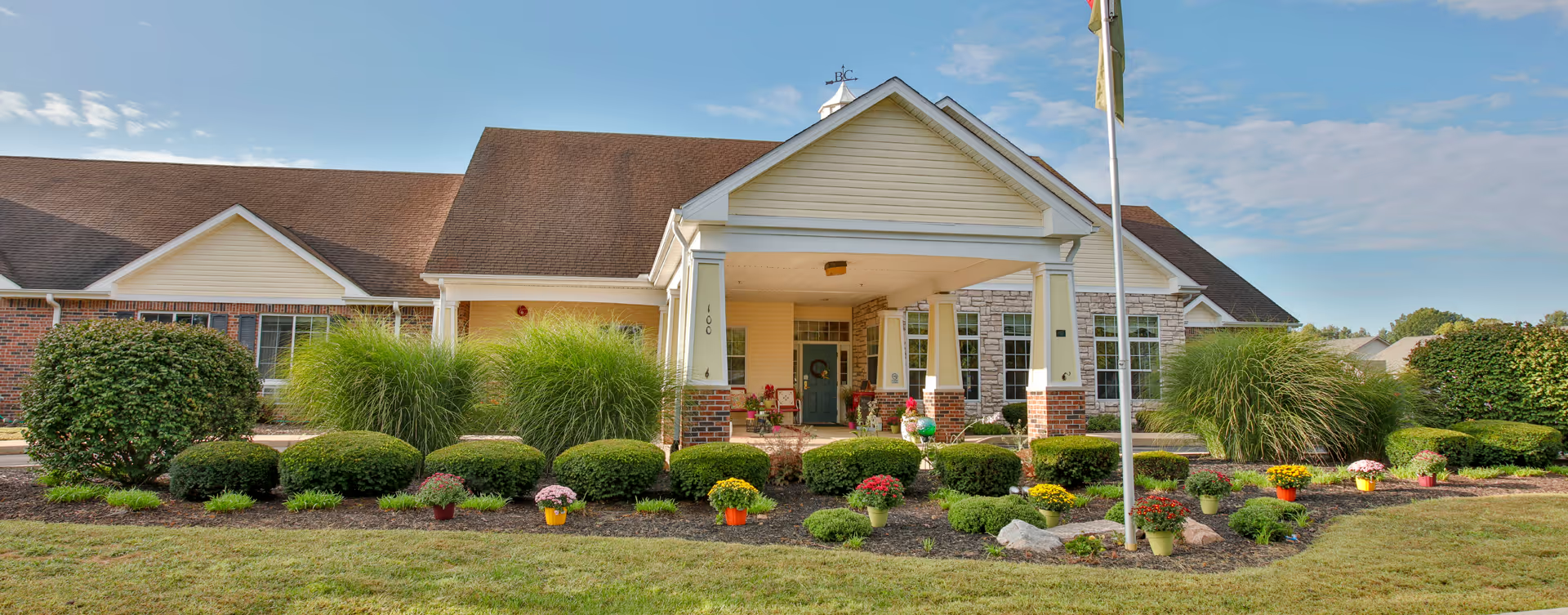
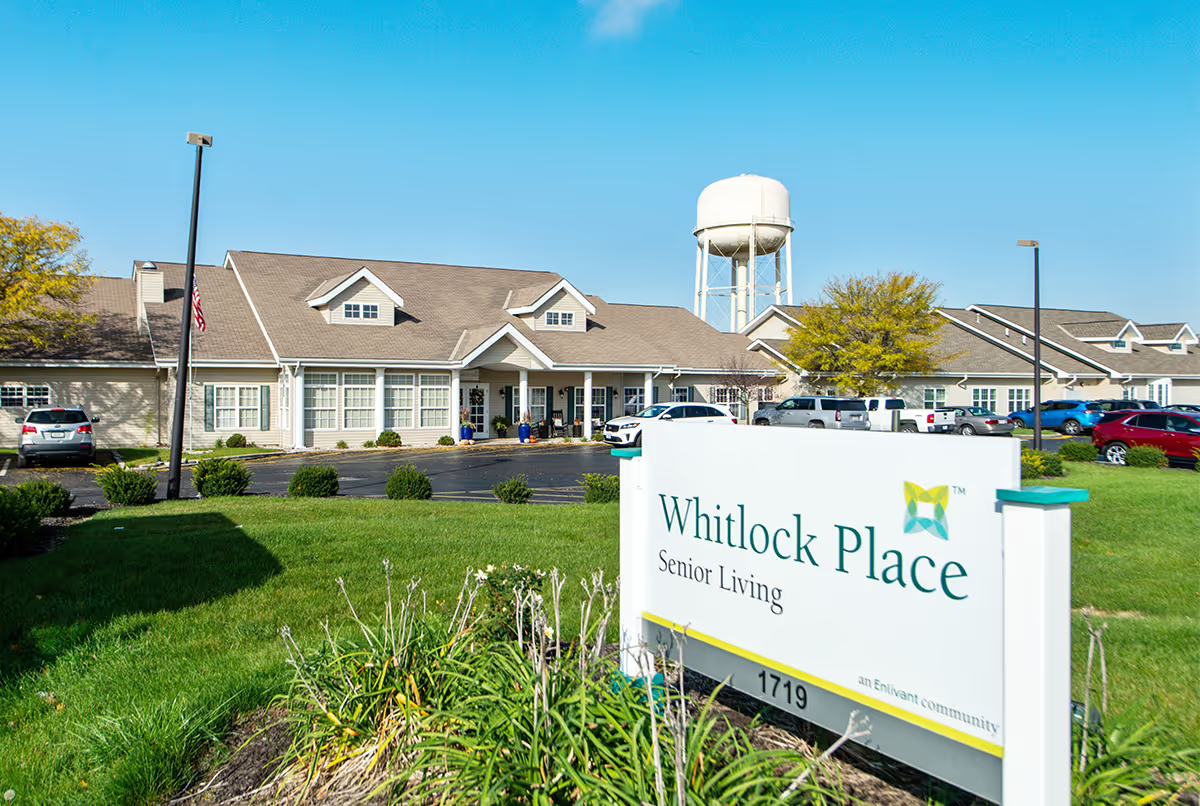
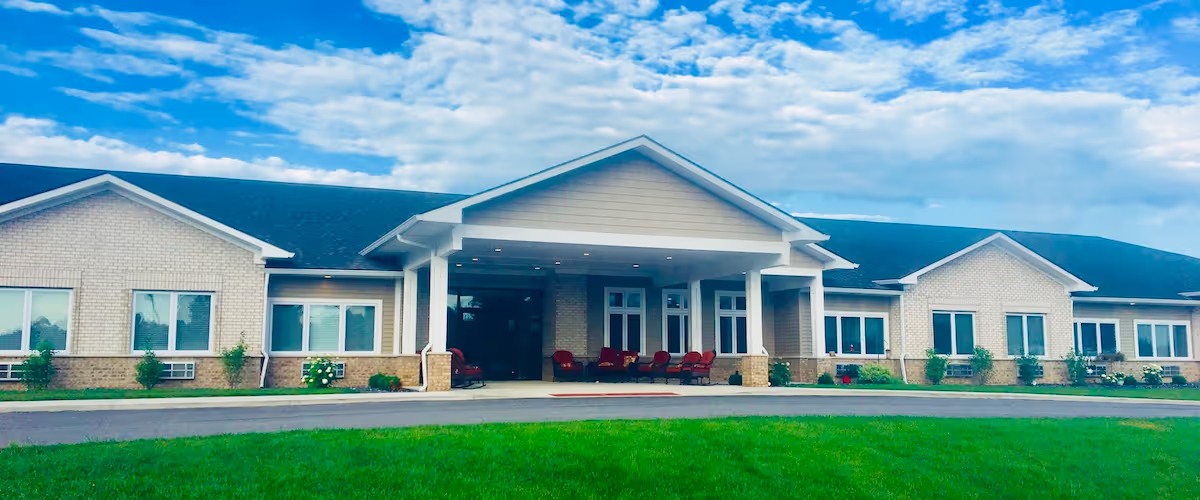
University Place presents as a well-appointed continuing-care community with many strengths in independent and assisted living. The campus is modern, clean, and attractively sited next to a nature preserve with paved trails; residents and visitors frequently note spacious apartments, private patios or balconies, and thoughtfully maintained grounds. Dining is commonly described as high quality with fine-dining presentation, creative menus, healthy options, and live music. The Life Enrichment team offers a broad calendar of cultural programs, themed events, woodworking and activity spaces, and educational opportunities tied to a nearby university, contributing to a lively resident-driven community.
Staffing and direct care elicit mixed impressions. Numerous accounts praise compassionate, friendly, and responsive associates, and several reviews highlight strong maintenance, sincere office staff, and effective pandemic communications. However, there is a consistent pattern of staffing instability—especially within memory support—manifesting as frequent caregiver turnover, morale concerns, and variability in night-shift coverage. Those patterns are linked to continuity-of-care gaps, family involvement to support personal-care and housekeeping needs, and instances where one-on-one caregiving was arranged at additional family expense. Prospective residents and families should evaluate staffing ratios, turnover rates, and how the community staffs evenings and weekends.
Memory-care operations emerge as a distinct area of concern. Reviewers describe the memory-support area as more institutional in layout, with constrained common spaces and limited comfortable seating beyond dining tables. Combined with the staffing issues noted above, these operational traits have led some families to perceive uneven attention to dementia-specific needs. Conversely, independent and assisted living areas are frequently praised for renovation choices made with resident input, spacious living and dining areas, and an overall comfortable, social atmosphere.
Dining and activities are generally strong points, with many positive notes about meal quality, presentation, and an active events schedule; nevertheless, there are isolated but recurring comments about inconsistent food-service execution, meal delays, and variability in serving-staff skill. Management responsiveness is also mixed: many reviewers commend prompt maintenance, remodeling driven by resident feedback, and helpful administrative staff, while others cite uneven managerial focus across care levels, billing or online-account issues, and occasional lapses in family communication following clinical incidents.
In summary, University Place offers a high-quality physical environment, rich activity programming, and strong dining and social life for independent and assisted living residents. Families considering memory support should conduct targeted due diligence: ask specific questions about staffing stability and ratios in memory care, the configuration and availability of comfortable common spaces, housekeeping and personal-care schedules, clinical-incident protocols and family-notification policies, costs for supplemental one-on-one care, and security/property controls. For those prioritizing an active, well-resourced independent living experience, the community scores well; for memory-care placement, the facility demonstrates operational challenges that warrant careful investigation prior to commitment.