Westminster Village receives substantial praise for its staff, programming and physical campus, while a set of operational concerns recurs in the reviews. Positives center on the caregiving and clinical teams: reviewers frequently describe warm, attentive caregivers, nurses and CNAs, and point to strong outcomes from on-campus rehabilitation (physical, occupational and speech therapy). The community also offers a clear continuum of care—independent living, assisted living, skilled nursing and hospice—which many families find convenient and reassuring. End-of-life and hospice support are described as compassionate and resident-centered.
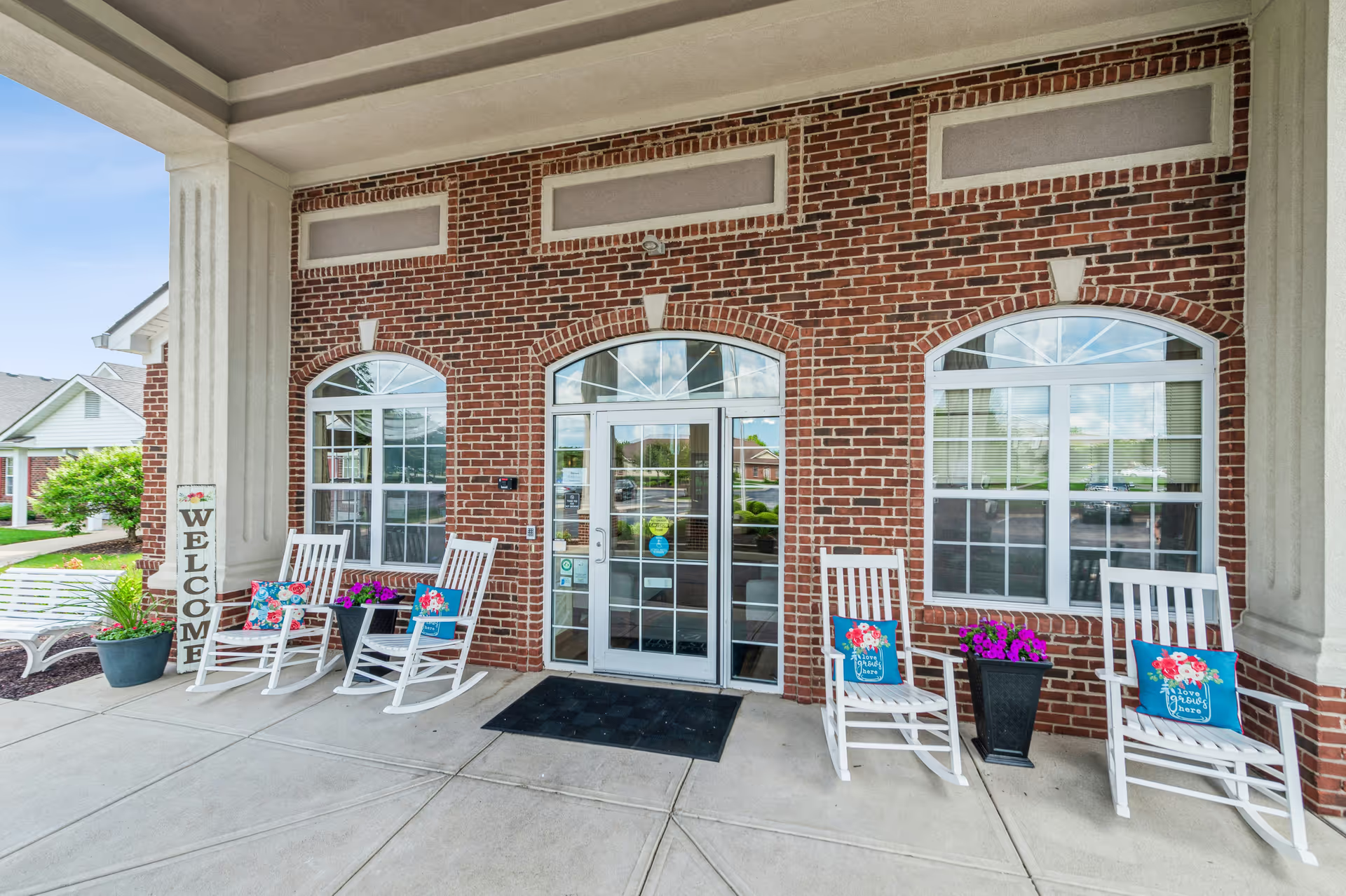
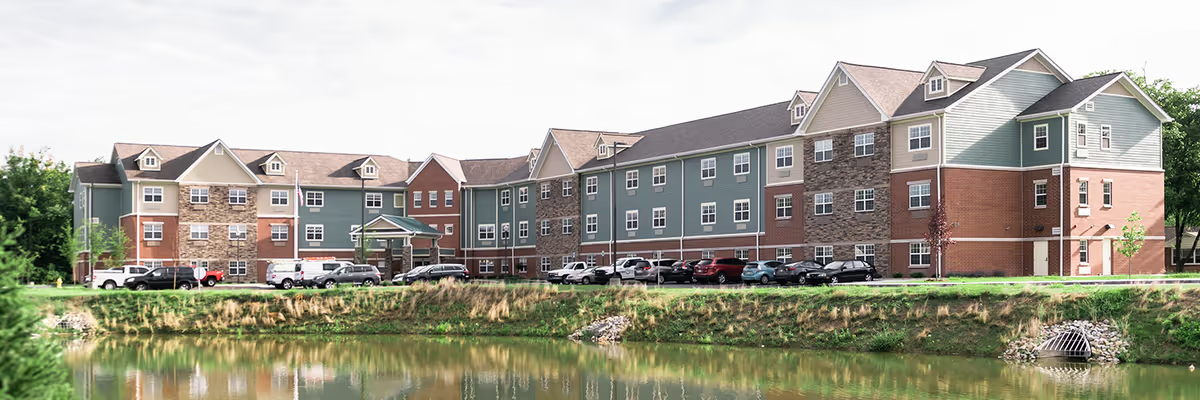
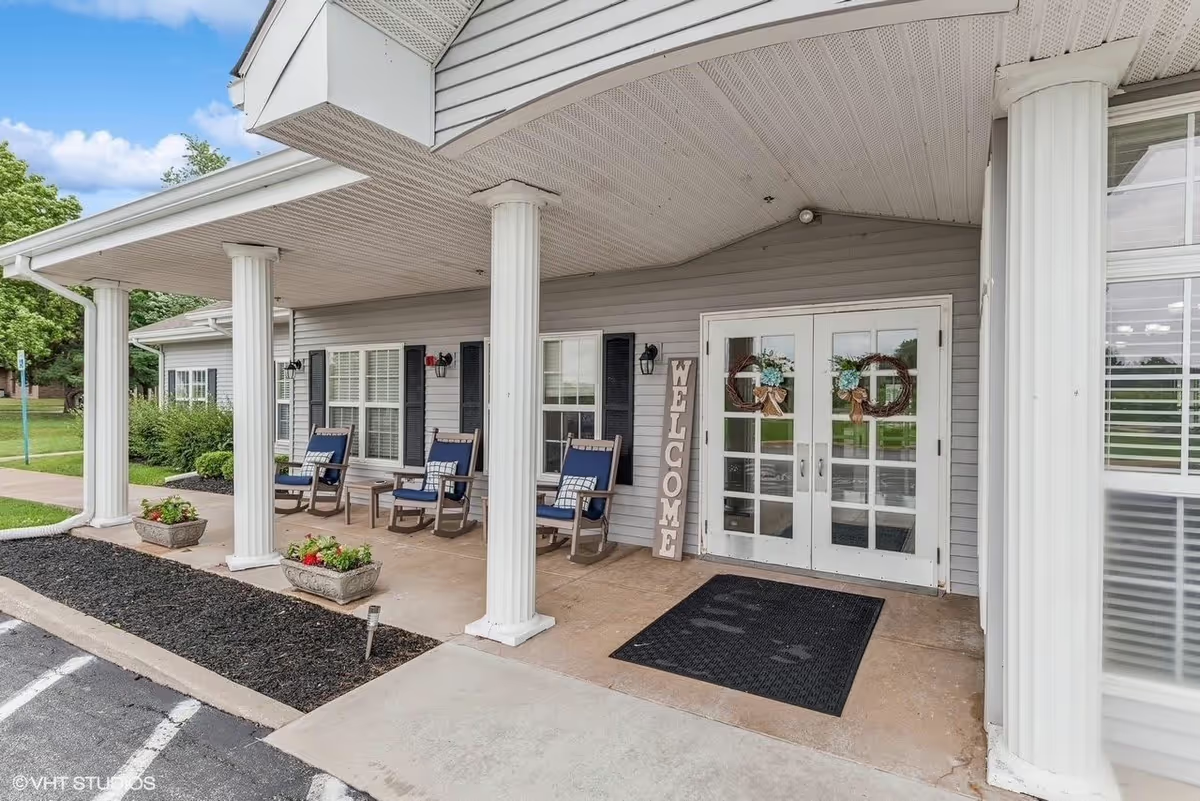
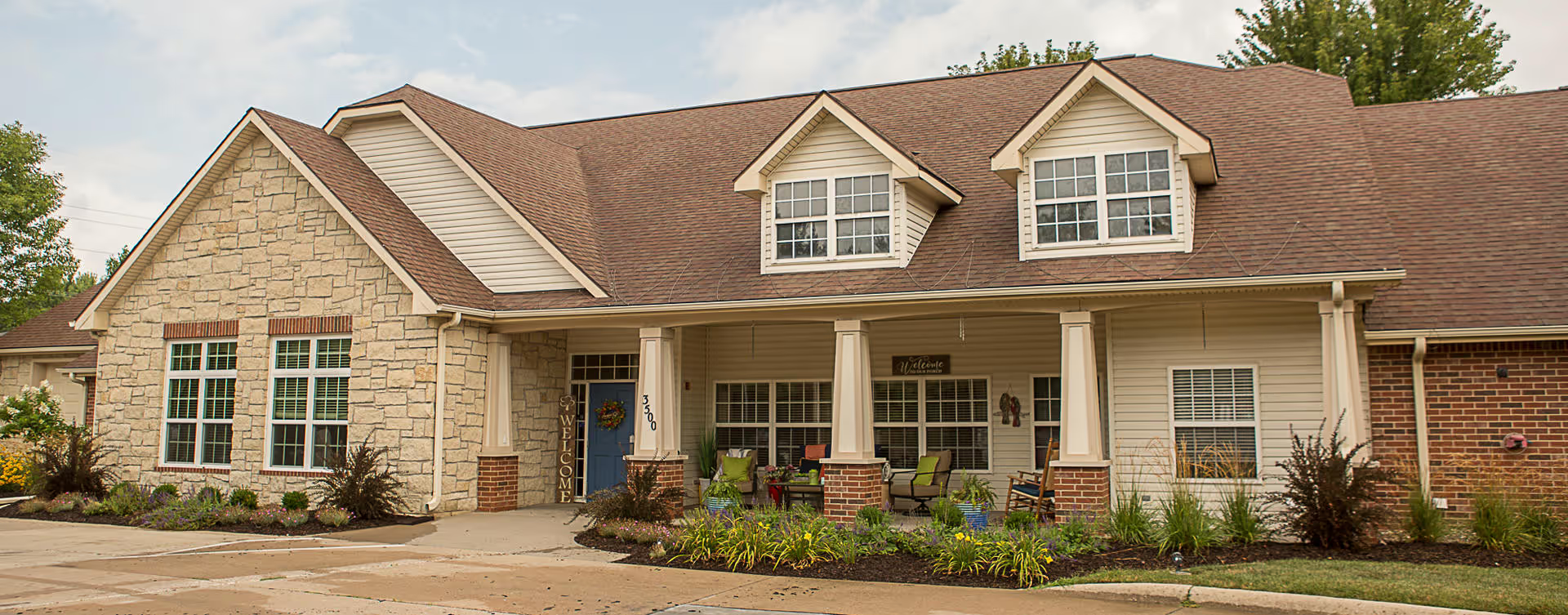
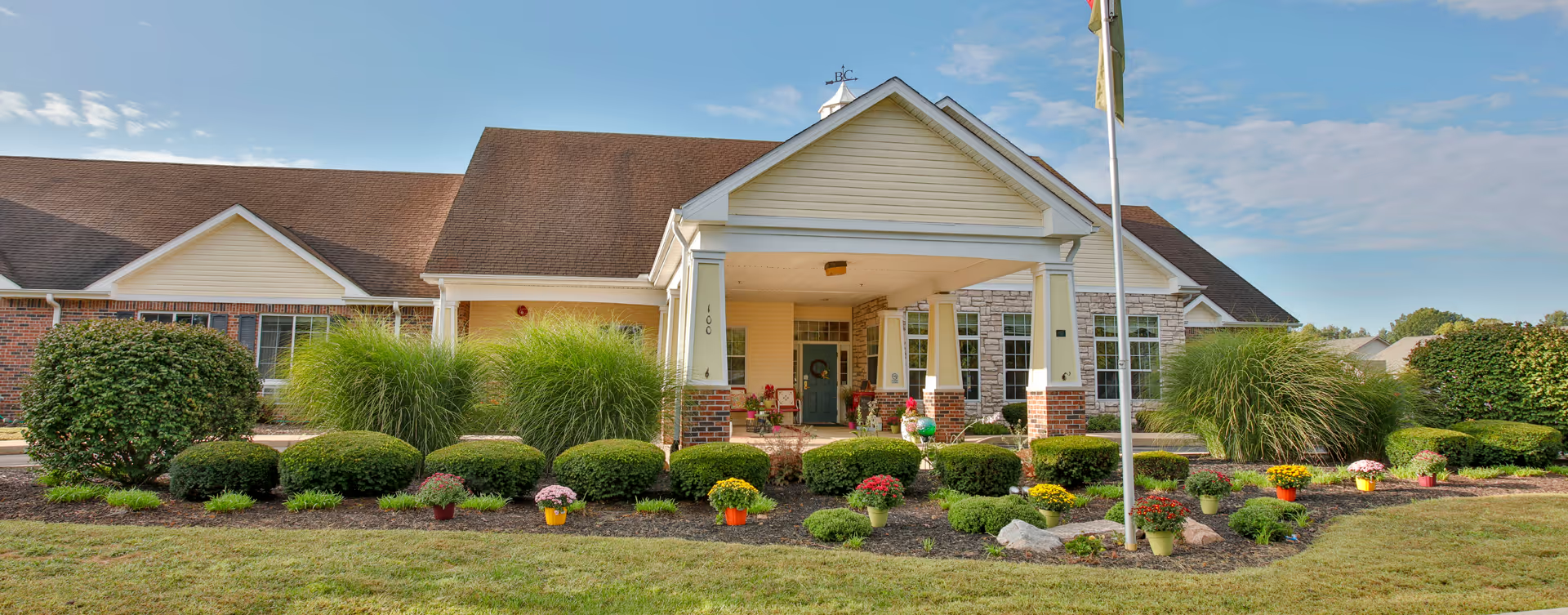
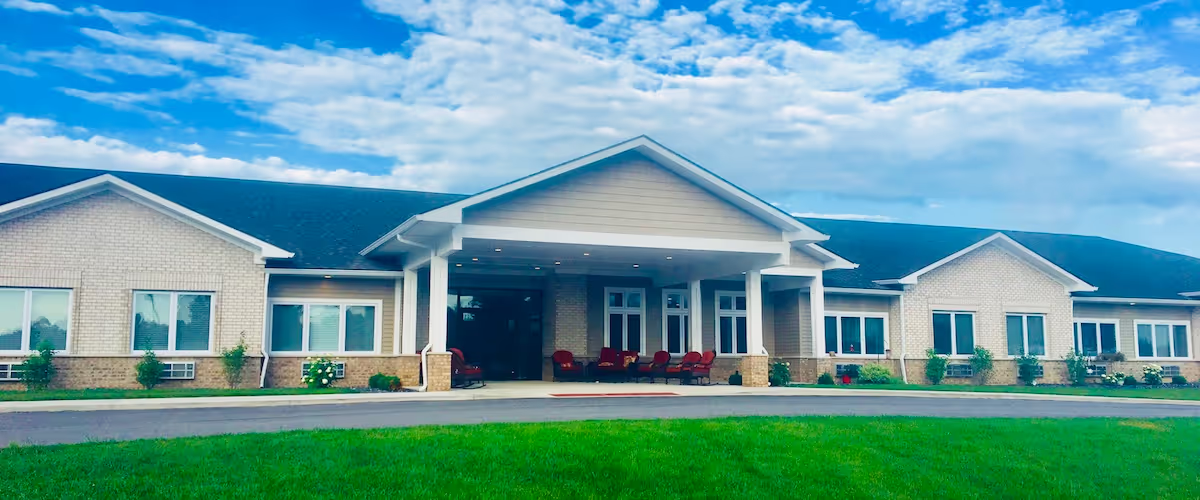
The campus amenities and activity portfolio are widely admired. The property is consistently characterized as well maintained and attractive, with gardens, updated common spaces, and a broad set of on-site amenities (salon, pub, library, woodworking shop, multiple pools and a therapy pool). Wellness offerings are robust: a Live Well fitness center, trainers, pools, and extensive arts and cognitive programs (art studio, ceramics, brain-boost classes) support physical, mental and social engagement. Dining is a frequent highlight—many reviewers praise varied menus, high-quality preparation, a pastry chef and multiple dining venues—although meal quality is not uniformly consistent across all accounts.
Despite the many strengths, recurring operational issues warrant attention. Staffing levels and coverage are the most prominent concern: reviewers describe delays in assistance with activities of daily living in some assisted-living and health-care areas, long wait times for help, and limited late-day staffing. Relatedly, a number of reviews point to coordination and communication gaps across departments and variability in administrative responsiveness; a few families cited challenges getting timely managerial support during incidents. There are also repeated mentions of perceived high cost and incremental fees, and some frustration with long-term contract terms and perceived limitations on flexibility.
A small subset of reviews describe more serious individual incidents, including allegations involving theft and billing practices; these are raised as exceptional but significant concerns and may merit direct inquiry by prospective residents and families. Isolated food-service and meal-quality incidents are also reported and suggest that quality-control measures can be uneven at times.
Overall pattern: the dominant tenor of feedback is positive—residents and families emphasize compassionate staff, rich programming, effective rehab services and an attractive campus—while operational weaknesses cluster around staffing consistency, departmental coordination, contract clarity and occasional quality-control lapses. Prospective residents and family decision-makers would benefit from focused questions during a tour: current staffing ratios and coverage hours for assisted-care shifts, mechanisms for escalation and family communication, contract terms and fee schedules, and processes for dining quality control and billing oversight. These clarifications can help reconcile the community's many strengths with the operational trade-offs noted in some reviews.