Reviews of Randolph Nursing & Rehabilitation show a mixture of positive experiences and significant operational concerns. On the positive side, many accounts describe compassionate, attentive direct-care staff, a clean and well-maintained building, an engaged activities program, and effective rehabilitation services (including stroke therapy). Several reviewers described a welcoming, family-like culture and frequent staff checks on residents. Dining received recent praise tied to a new chef and noted improvements in meal quality.
Care quality perceptions are mixed. Positive narratives emphasize gentle, grateful interactions and successful therapy outcomes. However, other accounts point to variability in clinical response and medication management, including concerns about timeliness and appropriateness of treatments. Staffing shortages—particularly among CNAs—were linked to longer response times for personal-care needs and toileting assistance. These staffing and responsiveness gaps appear to contribute to inconsistent experiences of care across shifts.
Staff behavior and communication also present a split picture. Many families found staff friendly and kind, while others described issues with tone, disrespectful interactions, and poor responsiveness by phone (long hold times and disconnected calls). These communication shortfalls extend to family access and outreach; prospective families may want to clarify how the facility manages family communication and phone responsiveness.
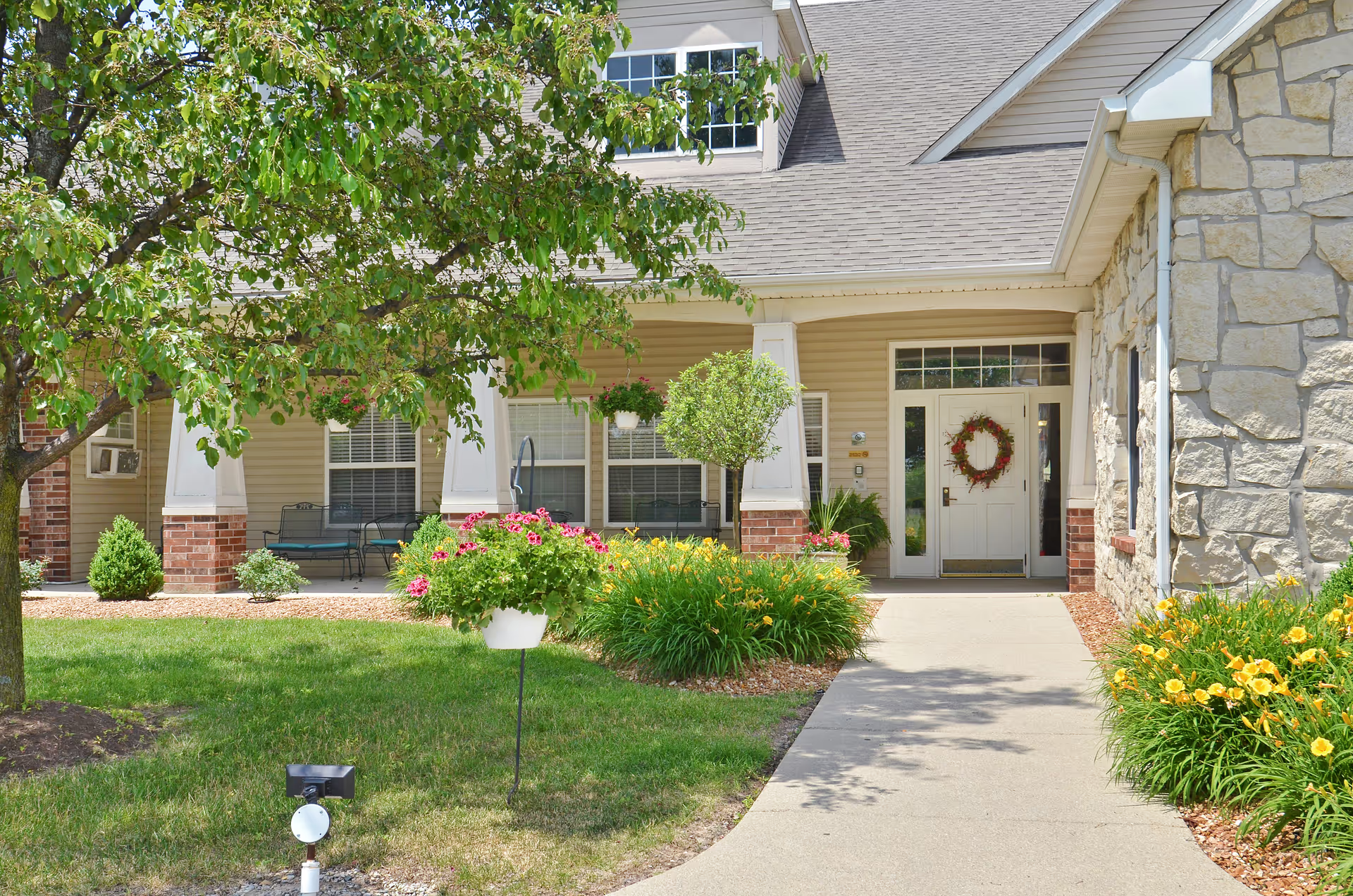
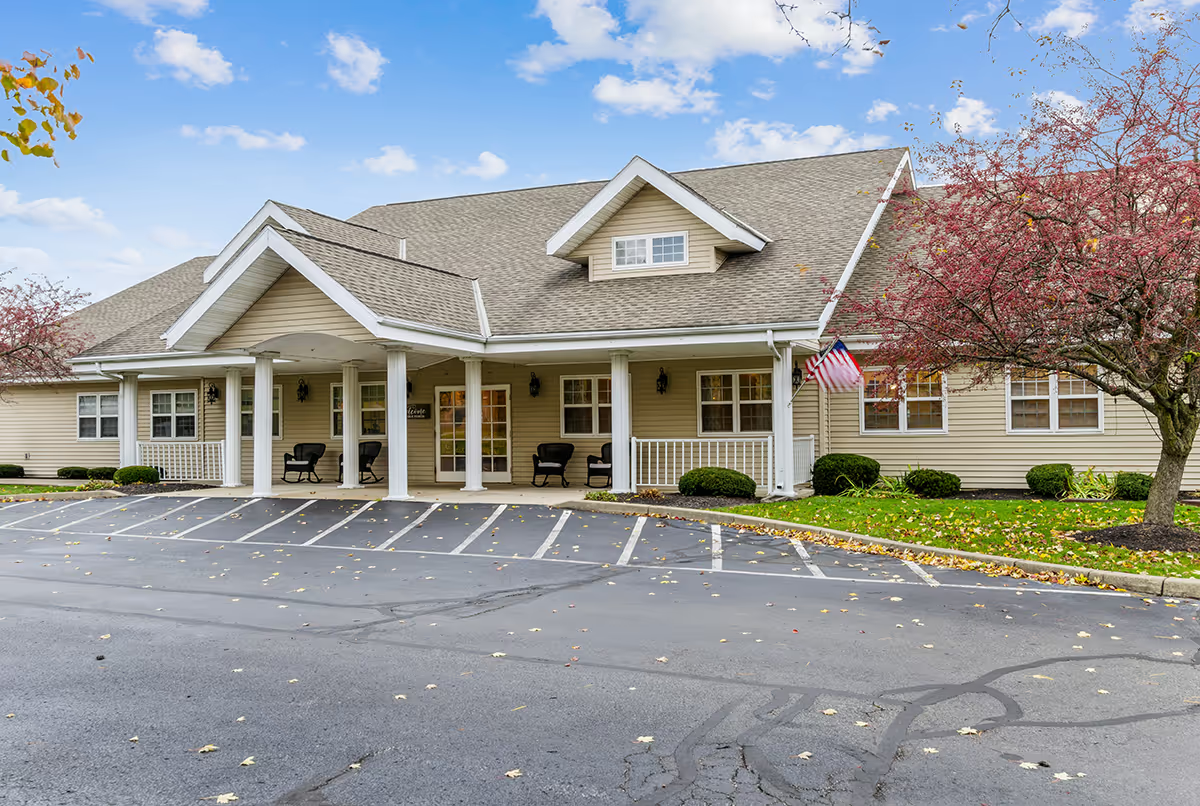
Facility infrastructure and management show strengths and weaknesses. The physical environment is generally described as clean and well-kept, but specific environmental comfort problems were noted (for example, heating in resident rooms). There are also references to serious incidents and ongoing regulatory scrutiny; these references suggest potential gaps in incident response, documentation, and compliance processes that warrant further inquiry.
Notable patterns across the reviews point to variability tied to staffing and management processes: when staffing and clinical oversight are adequate, reviewers report compassionate, effective care and good therapy outcomes; when staffing is thin or communication processes falter, families report delays in assistance, inconsistent clinical decision-making, and frustration with access. For families considering this facility, recommended inquiries include current staffing ratios, clinical oversight and medication-management practices, recent inspection findings or corrective actions, incident-reporting procedures, and opportunities to observe staff–resident interactions and activity programming during a visit.