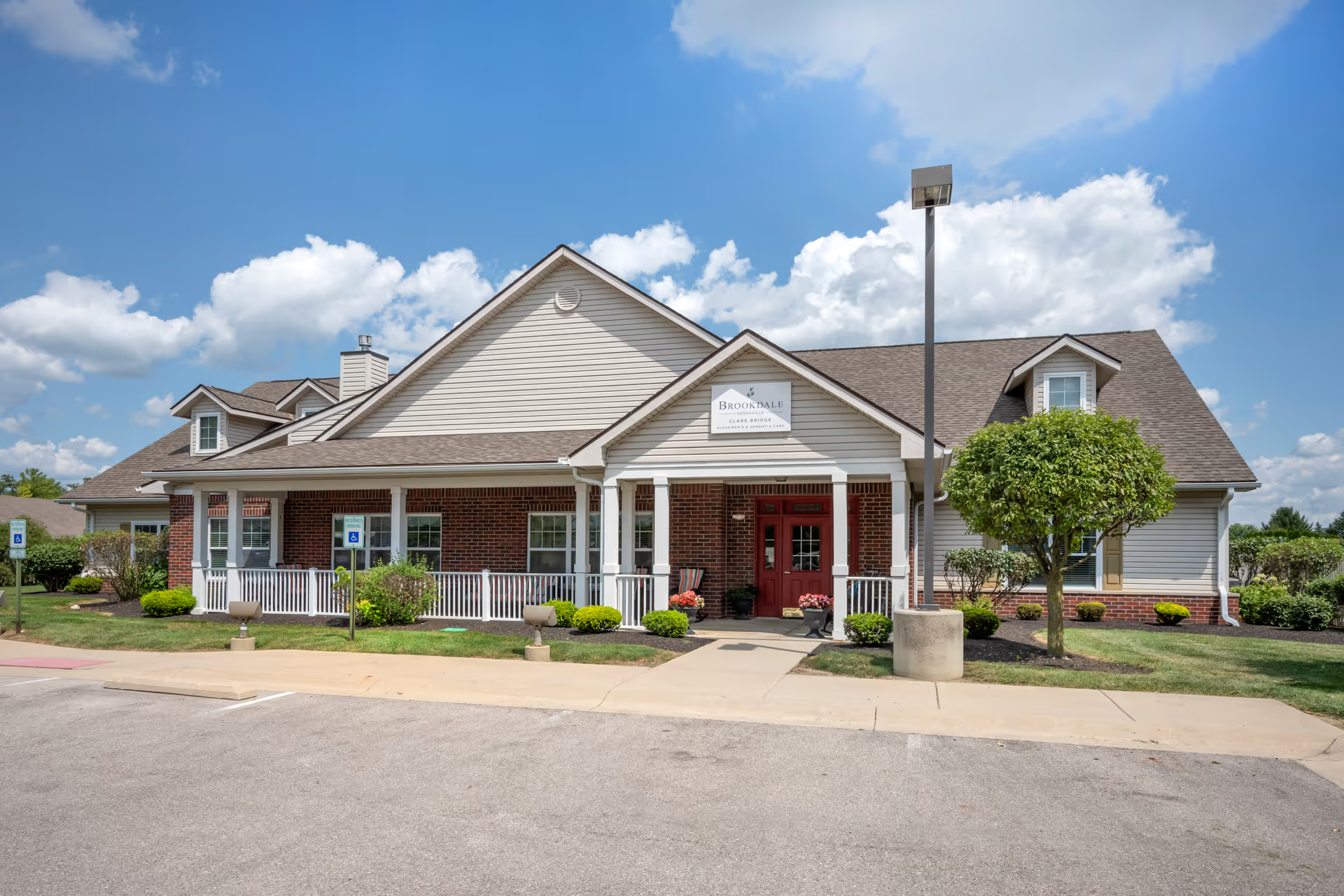
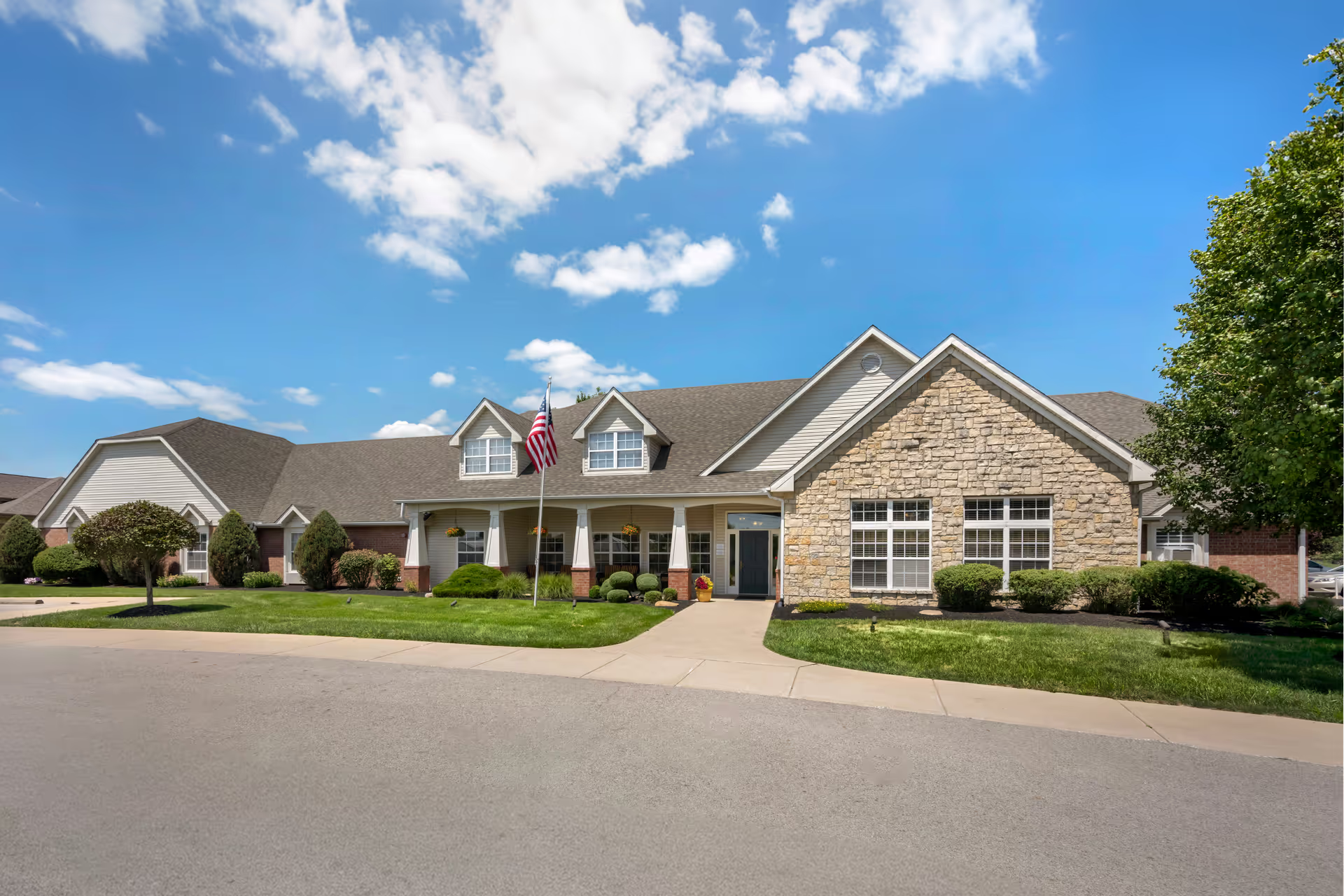
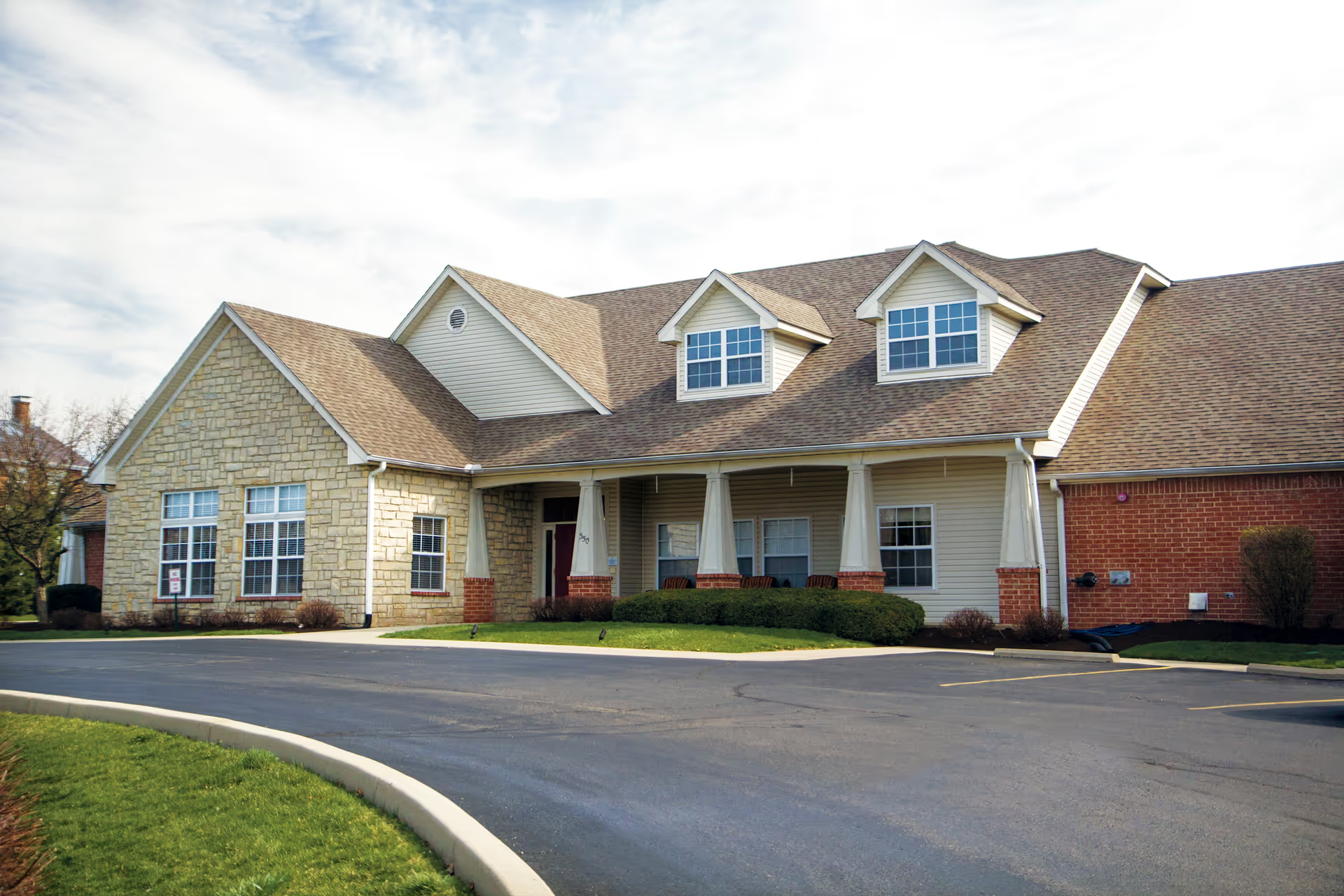
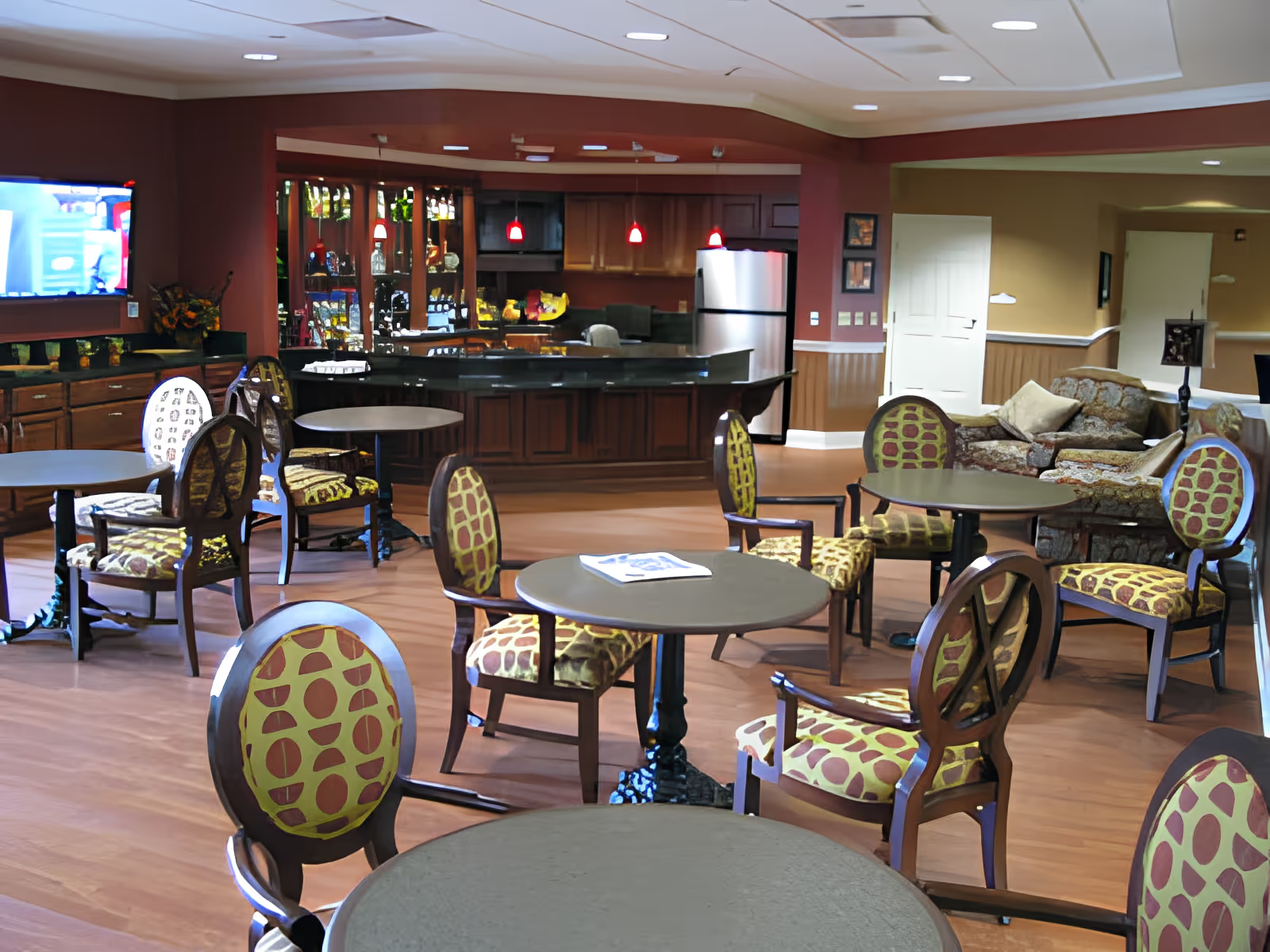
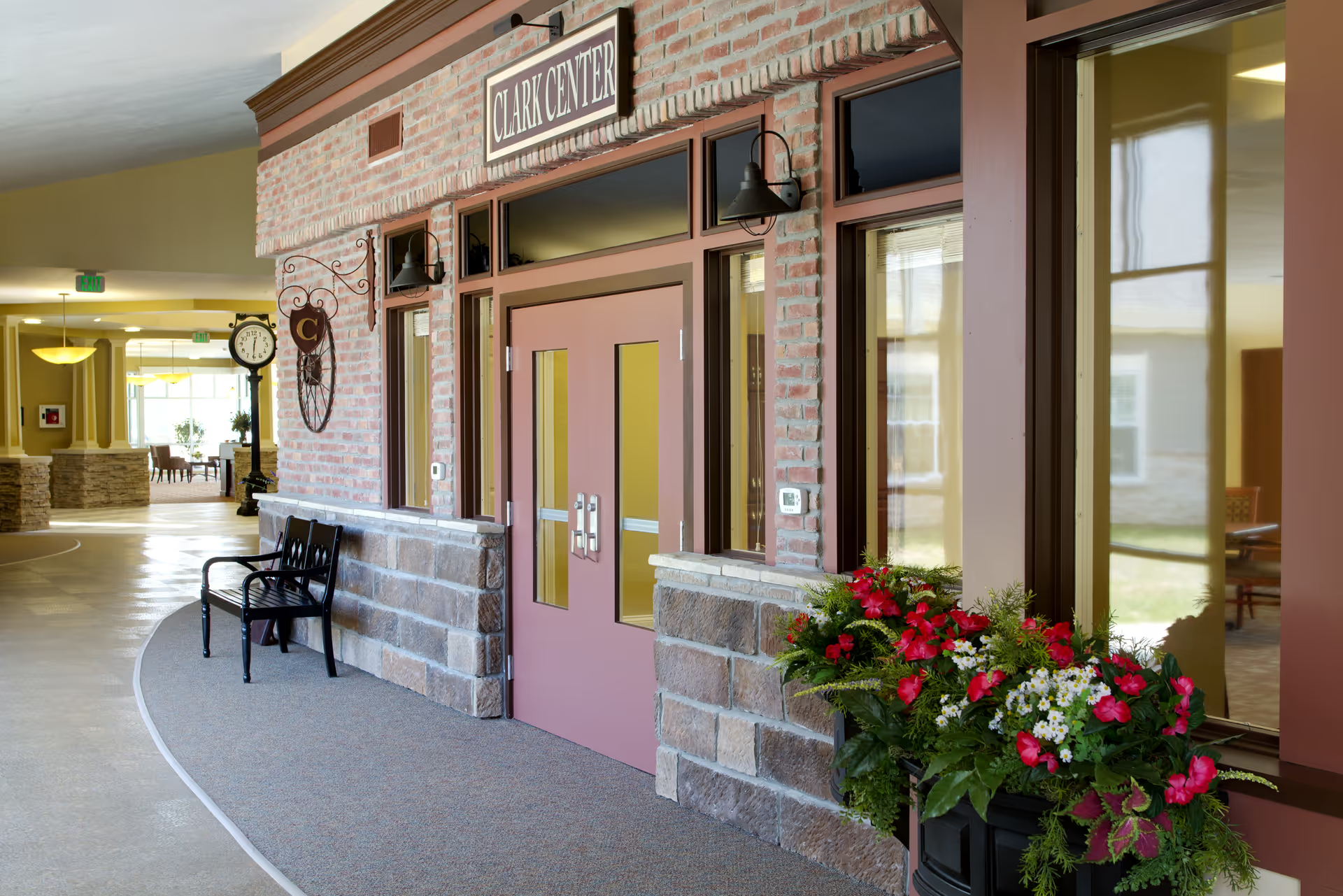
Overall impression Oakley Place presents as a small, home-like assisted living community with a consistent emphasis on personalized, compassionate care. Reviewers frequently highlight a warm atmosphere where staff know residents by name, individualized meal preparation is available, and housekeeping maintains clean common areas and rooms. The physical environment — single-level layout, wide hallways, well-kept landscaping and a courtyard — supports mobility and a non-institutional feel that many families and residents find comforting.
Care and staff Care quality is a prominent strength for the community. Nursing staff, RCPs, aides, activities personnel, and housekeeping are repeatedly described as attentive, patient, and willing to go beyond basic expectations. Several accounts note strong dementia-friendly practices and 24/7 communication for families of residents with cognitive impairment. Staff responsiveness, relationship-building, and a family-like culture are recurring themes that contribute to residents’ sense of safety and well-being.
Clinical operations and safety patterns Alongside the positive feedback, a subset of reviewers raised operational concerns that warrant attention. These center on variability in staffing levels and occasional short-staffing, which some families linked to slower responses and a need for more aides at certain times. There are also comments indicating gaps in how incidents — particularly falls — are communicated and managed with families, suggesting room for clearer protocols and more consistent incident-notification practices. A few reviews expressed concerns about medication-management practices; prospective families should inquire specifically about medication administration, monitoring, and documentation. Finally, the community appears focused on assisted living-level care rather than higher-acuity skilled nursing, so families seeking skilled medical management may find capacity limited.
Dining, activities, and amenities Dining experiences receive mixed but generally favorable remarks: many residents enjoy tailored meals and a chef who accommodates preferences, while other reviewers cited uneven food quality and opportunities for improved consistency. The activity program is a clear positive, featuring daily events, music therapy, outings, arts and crafts, baking, and social opportunities that encourage participation and socialization. Amenities such as an on-site hair salon, physical therapy services, and accessible outdoor spaces add to resident quality of life.
Management and administrative concerns Management impressions are mixed. Numerous reviews praise the director-level staff for proactive communication and resident advocacy, but a distinct set of concerns point to administrative instability, occasional unprofessional conduct, billing/invoicing delays, and dissatisfaction with rate changes. These comments suggest variability in leadership experience or transitions that some families perceived as affecting operational consistency.
What to verify during a tour Given the combination of strong person-centered care and the operational concerns noted above, families evaluating Oakley Place should ask targeted questions about current staffing ratios and shift coverage, fall-prevention and incident-notification protocols, medication administration and oversight, recent leadership turnover or changes in management, and how meal quality is monitored. Touring during different shift times and speaking with both direct-care staff and administrators can help clarify whether the facility’s strengths align with a prospective resident’s needs.
Bottom line Oakley Place appears to offer a warm, home-like environment with many examples of individualized, compassionate care and an active social program. Prospective residents and families will likely appreciate the community feel, cleanliness, and engaged staff. At the same time, verify operational areas — especially staffing consistency, incident communication, medication-management processes, and administrative practices — to ensure they meet your expectations for safety and continuity of care.