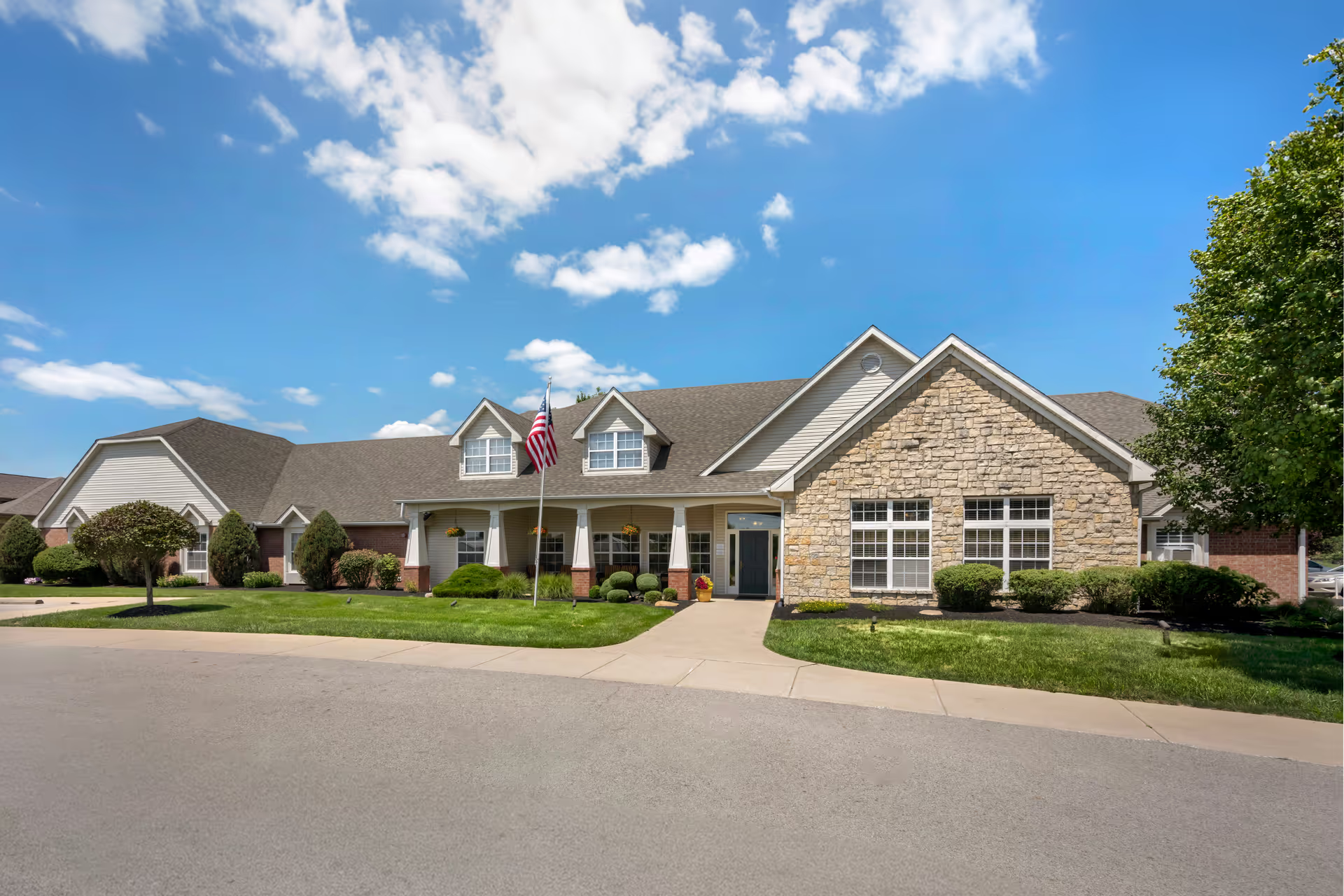
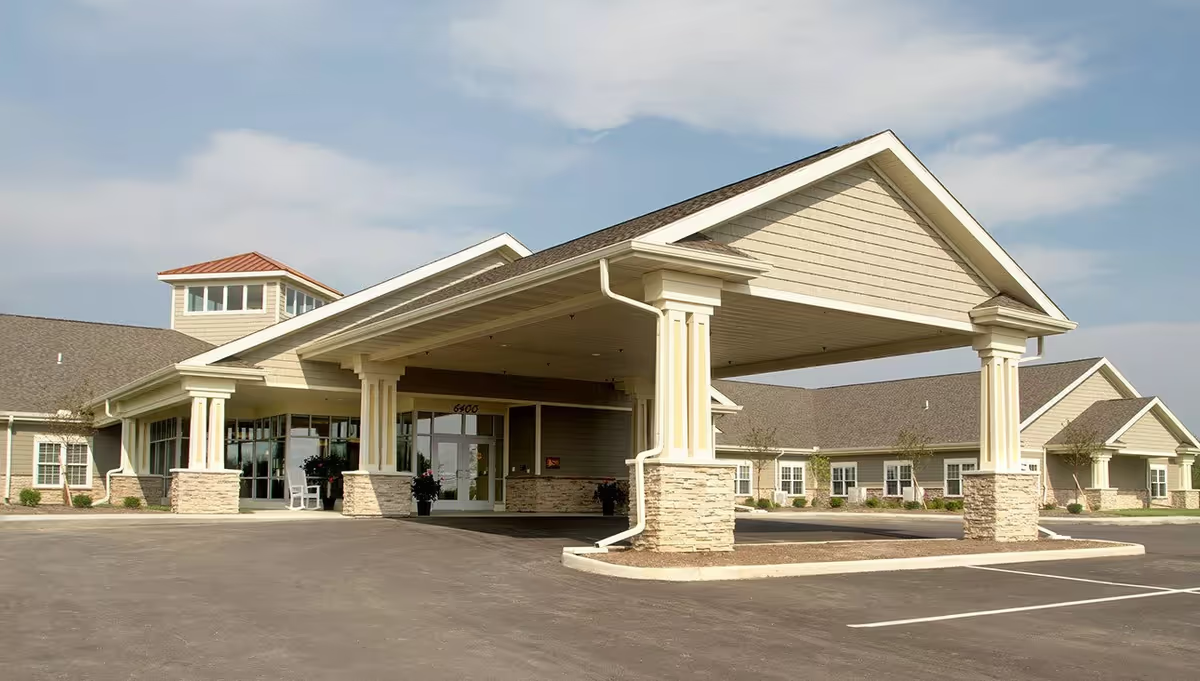
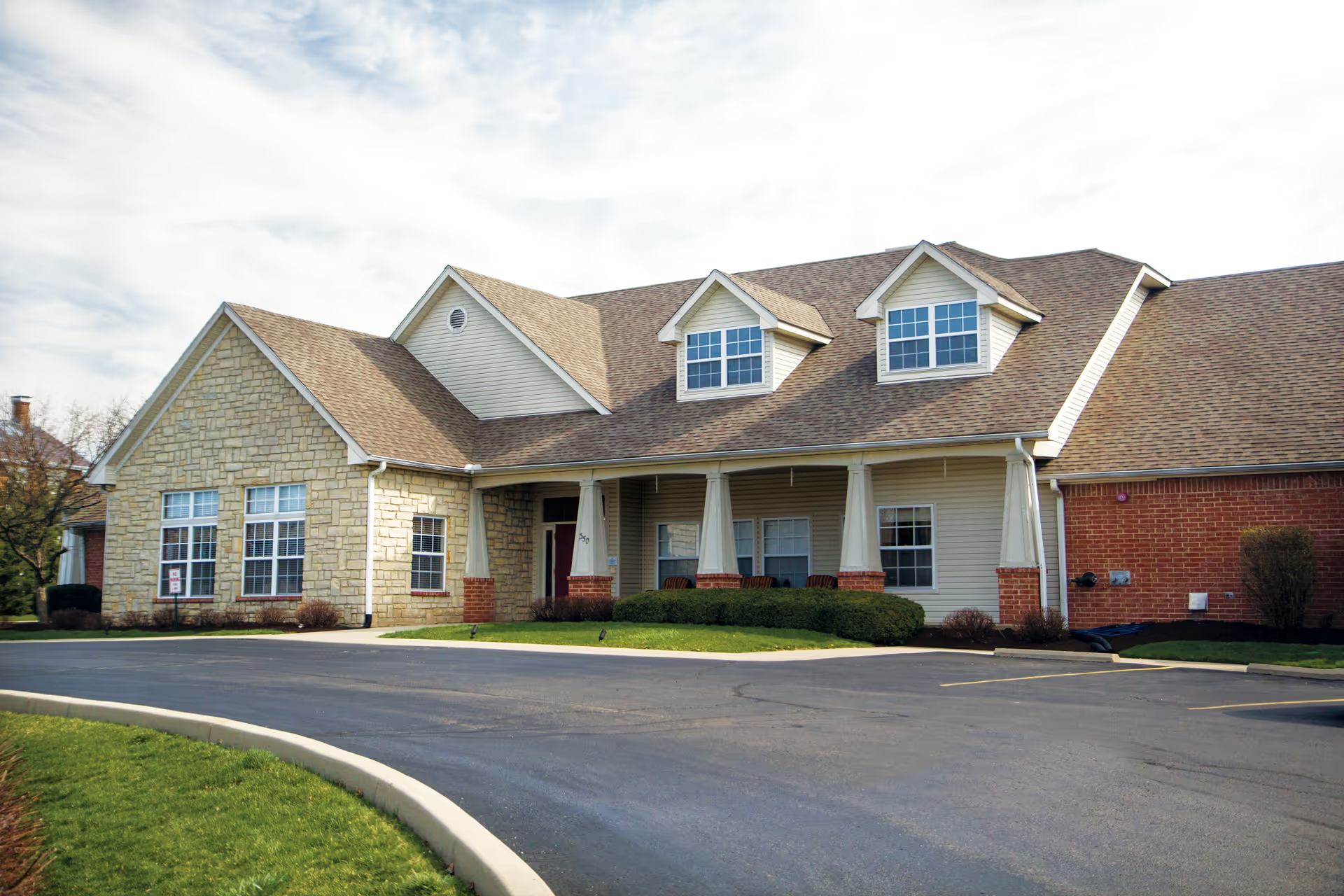
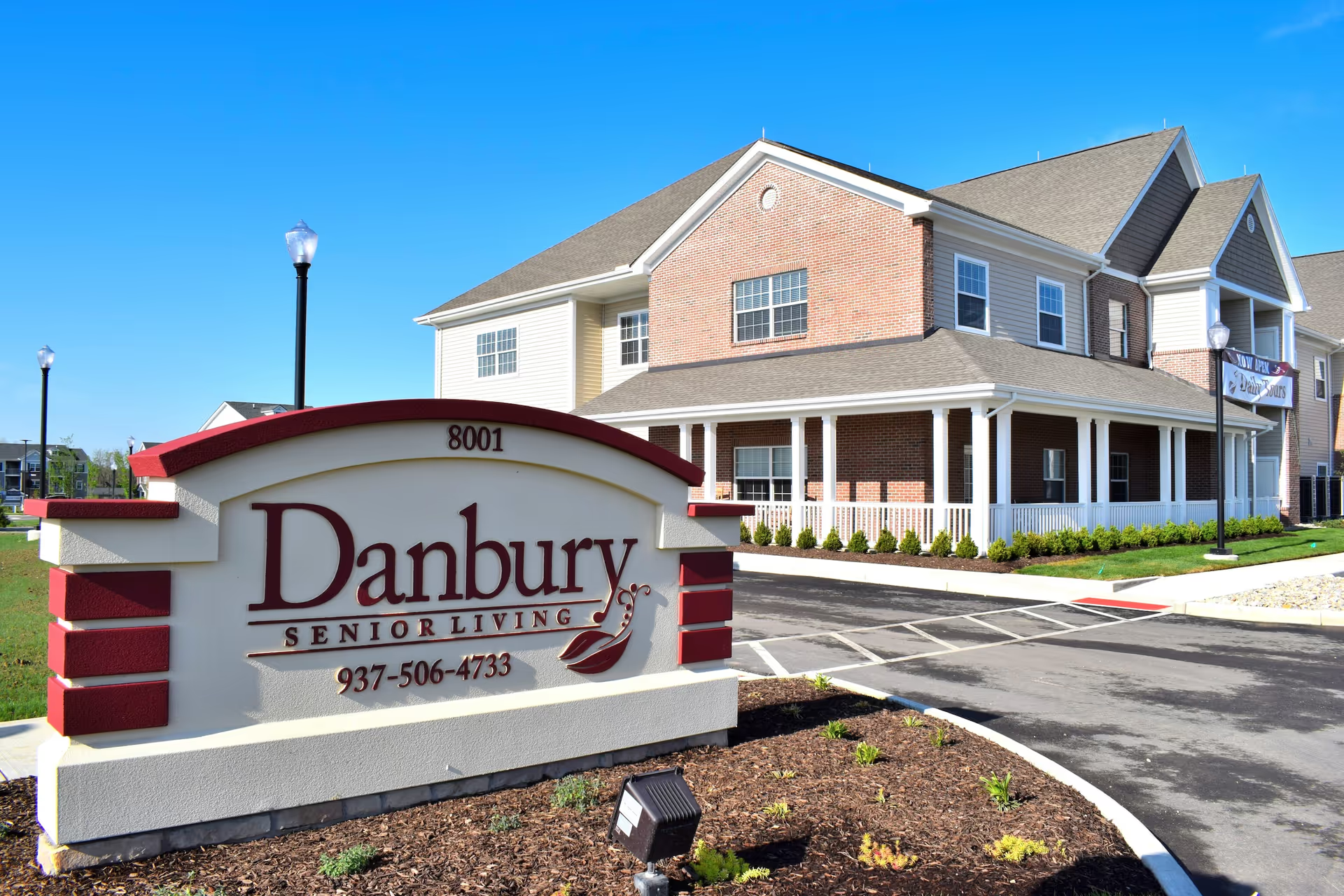
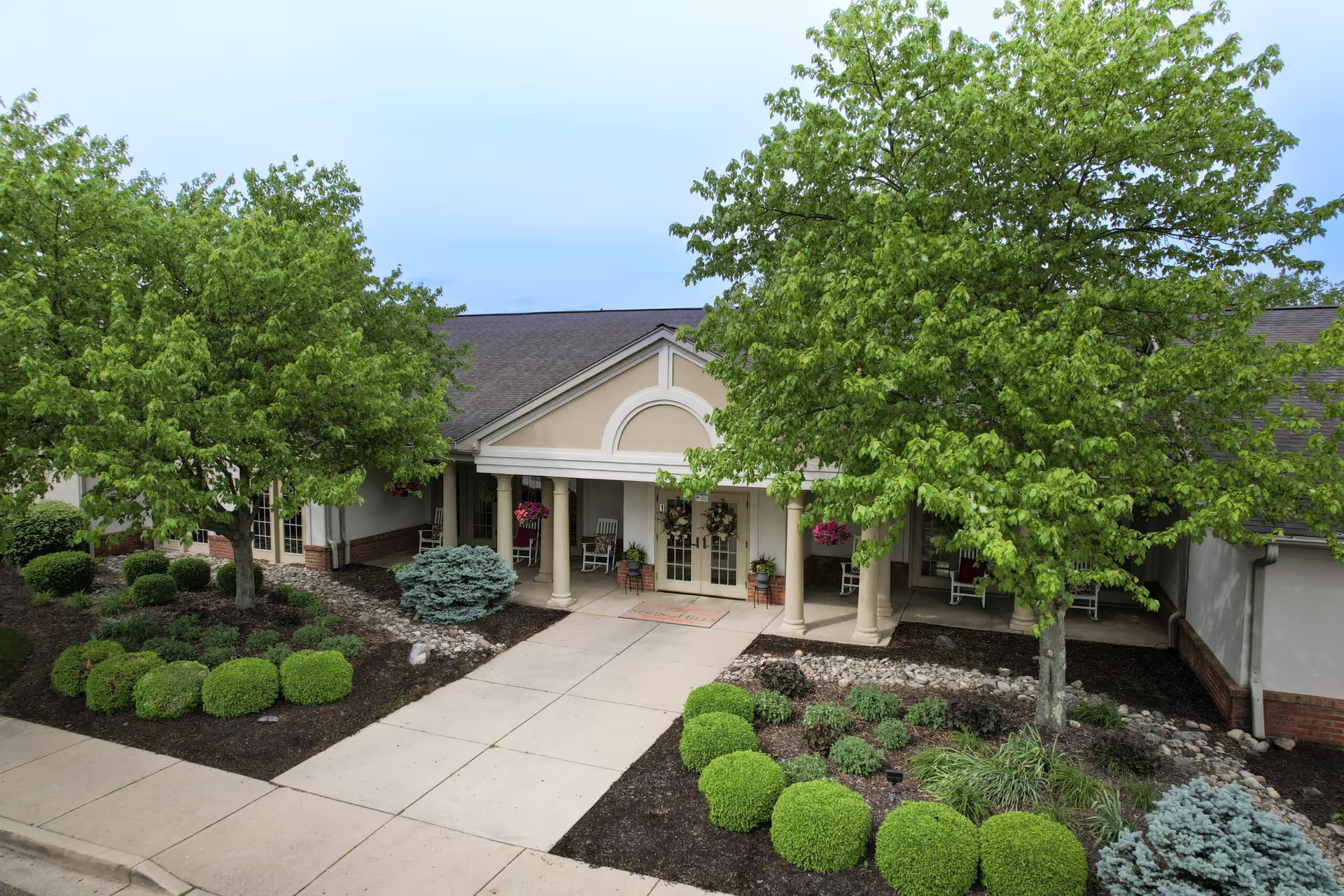
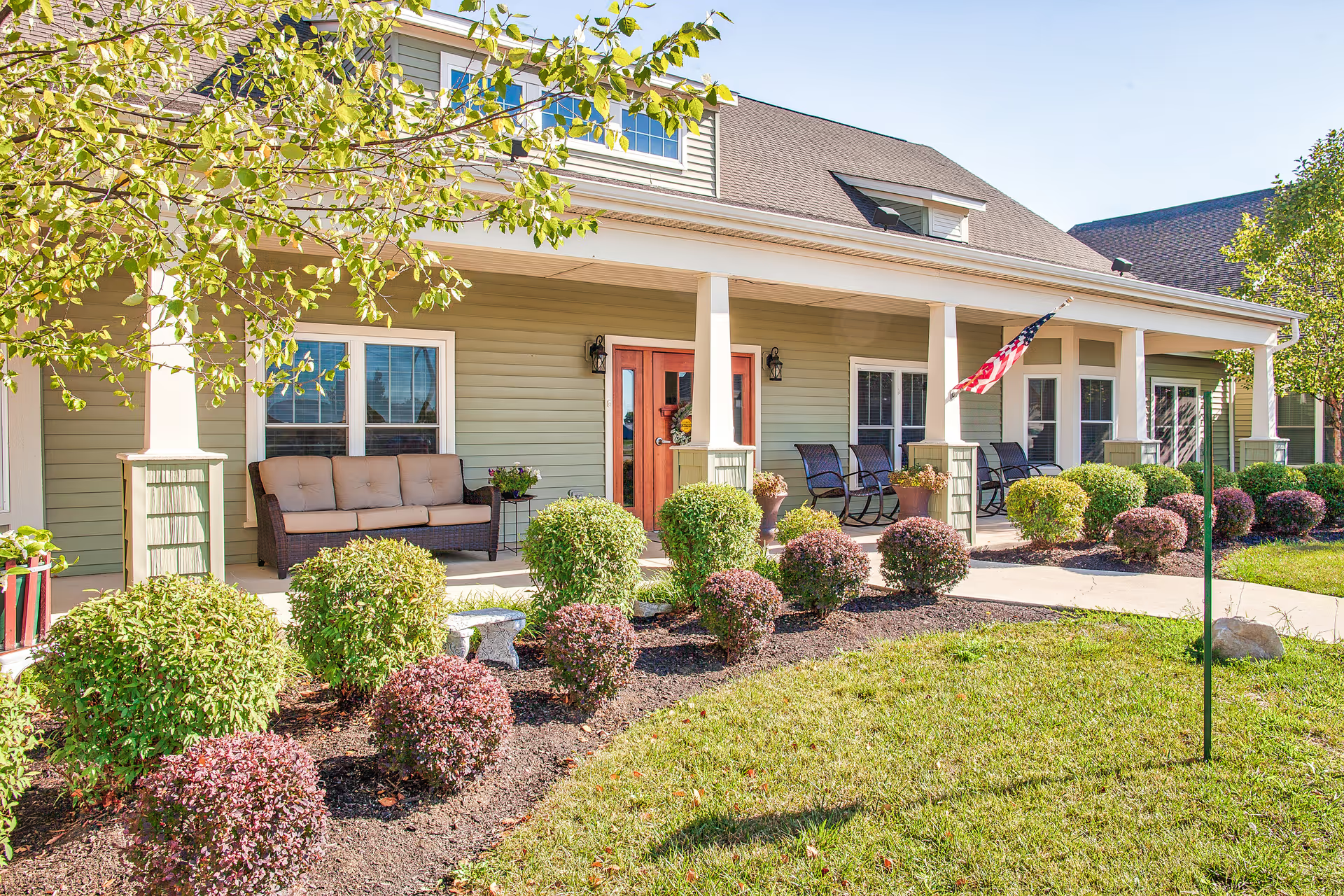
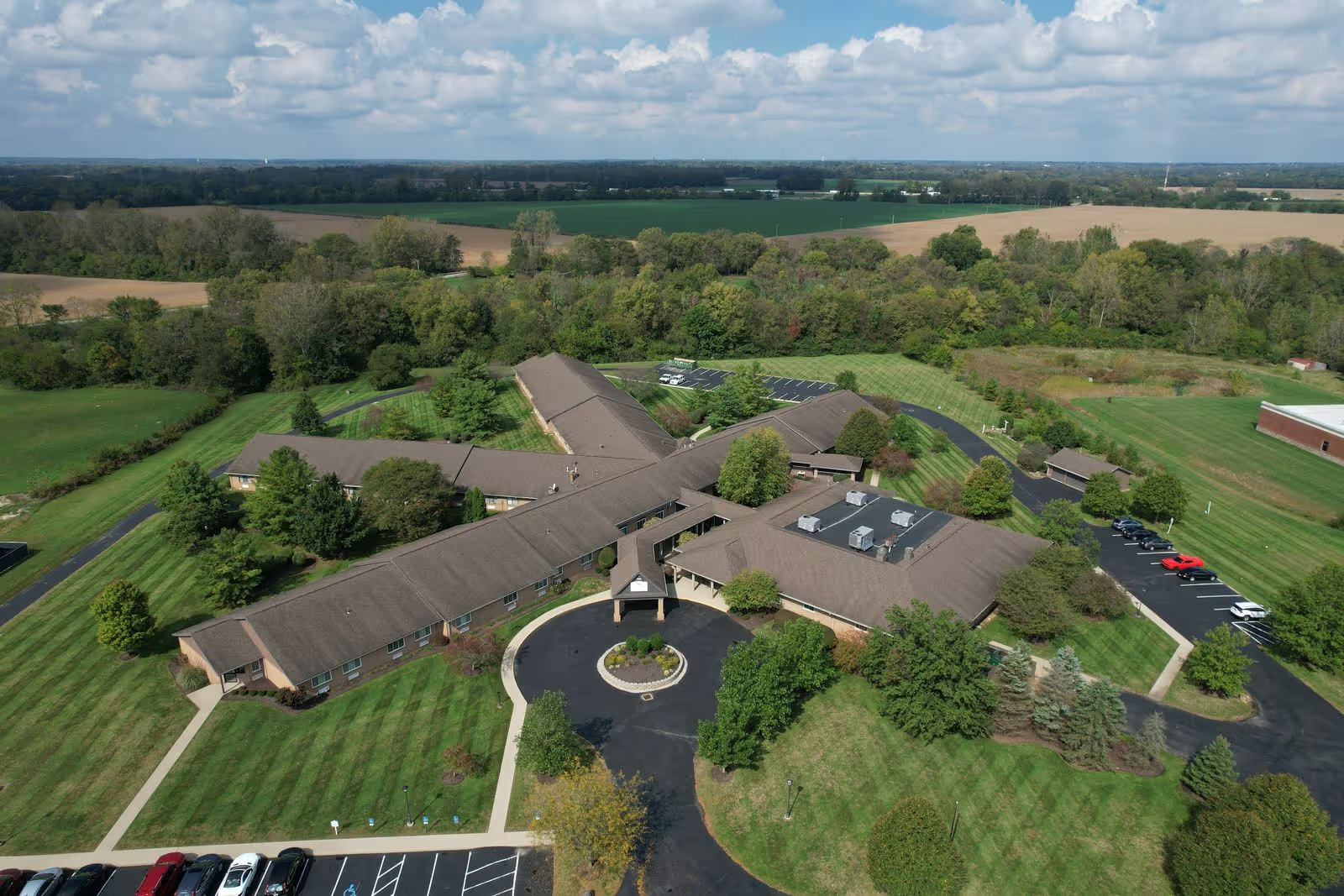
StoryPoint Troy presents as a modern, well-maintained senior living community with many operational strengths. Reviewers consistently highlight clean, bright common areas and spacious apartment layouts (high ceilings, open plans, accessible bathrooms). Housekeeping and maintenance receive frequent praise. The campus includes multiple amenities—chef-run dining venues, a bistro, private dining, salon/barber services, on-site therapy spaces, a media room, landscaped outdoor space, and transportation for appointments and outings—which support a resort-like resident experience.
Staff quality is a recurring positive theme. Many families and residents describe compassionate, attentive caregivers, supportive front-desk and activities teams, and engaged leadership (executive director and department heads). The facility offers tiered care with options for independent living, assisted living, and memory care, and several reviews note 24/7 nursing access and coordination with hospice and visiting clinicians. These features contribute to overall family confidence and reports of improved resident well-being.
Dining and life-enrichment are notable strengths. The culinary program, led by an identified chef, is often described as restaurant-style with varied menus, special-event meals, and a visible kitchen. The activities program is broad—music, bingo, art, outings, holiday events, and frequent excursions—which supports social engagement. Transportation and coordinated trips to local retail and cultural sites are frequently used and appreciated.
However, there are recurring operational concerns prospective families should probe. Staffing consistency is a common theme: reviewers describe variability in caregiver responsiveness, perceived understaffing on night shifts and weekends, and uneven performance among aides. Relatedly, a few accounts describe delays in emergency response and gaps in care continuity, particularly in the memory-care unit. Therapy services are generally available, but there are reports of outsourced therapy arrangements that did not match expectations; clarify who provides therapy and how it is coordinated.
Food quality is praised by many but not uniformly; some families described a decline over time or a difference between meal quality in independent-living versus memory-care areas. Financial policies also drew attention—several reviewers referenced rigid billing requirements, extra fees, and post-death billing practices that families found burdensome. Communication with management is often positive, though a number of reviews cite occasional lapses in responsiveness or follow-up that affected family satisfaction. Finally, there is at least one serious allegation regarding staff hiring and background screening; that issue warrants direct inquiry during a tour and reference to the provider’s hiring and oversight policies.
Recommendations for prospective residents and families: tour multiple care areas at different times of day, ask about staffing ratios and on-shift clinical coverage, request specifics on memory-care staffing and meal plans for that unit, confirm therapy providers and whether services are in-house or outsourced, and obtain clear written detail on billing, deposits, and termination/death-notice policies. Also request documentation of background checks and hiring practices if that is a concern. Overall, StoryPoint Troy appears to offer high-quality amenities, engaged staff, and a strong social program, balanced by operational areas—staffing consistency, therapy coordination, and billing transparency—that merit focused questions during the decision process.