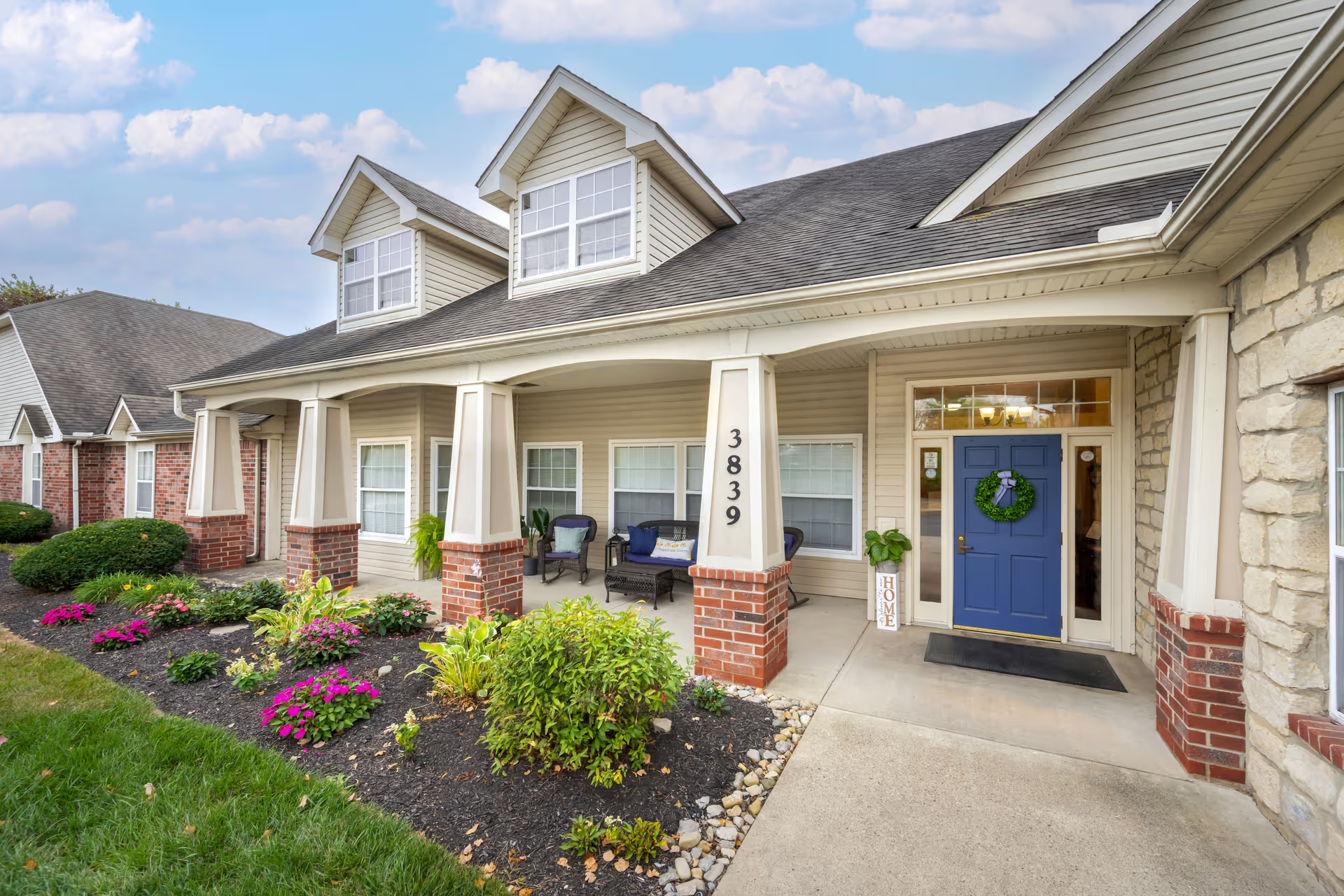
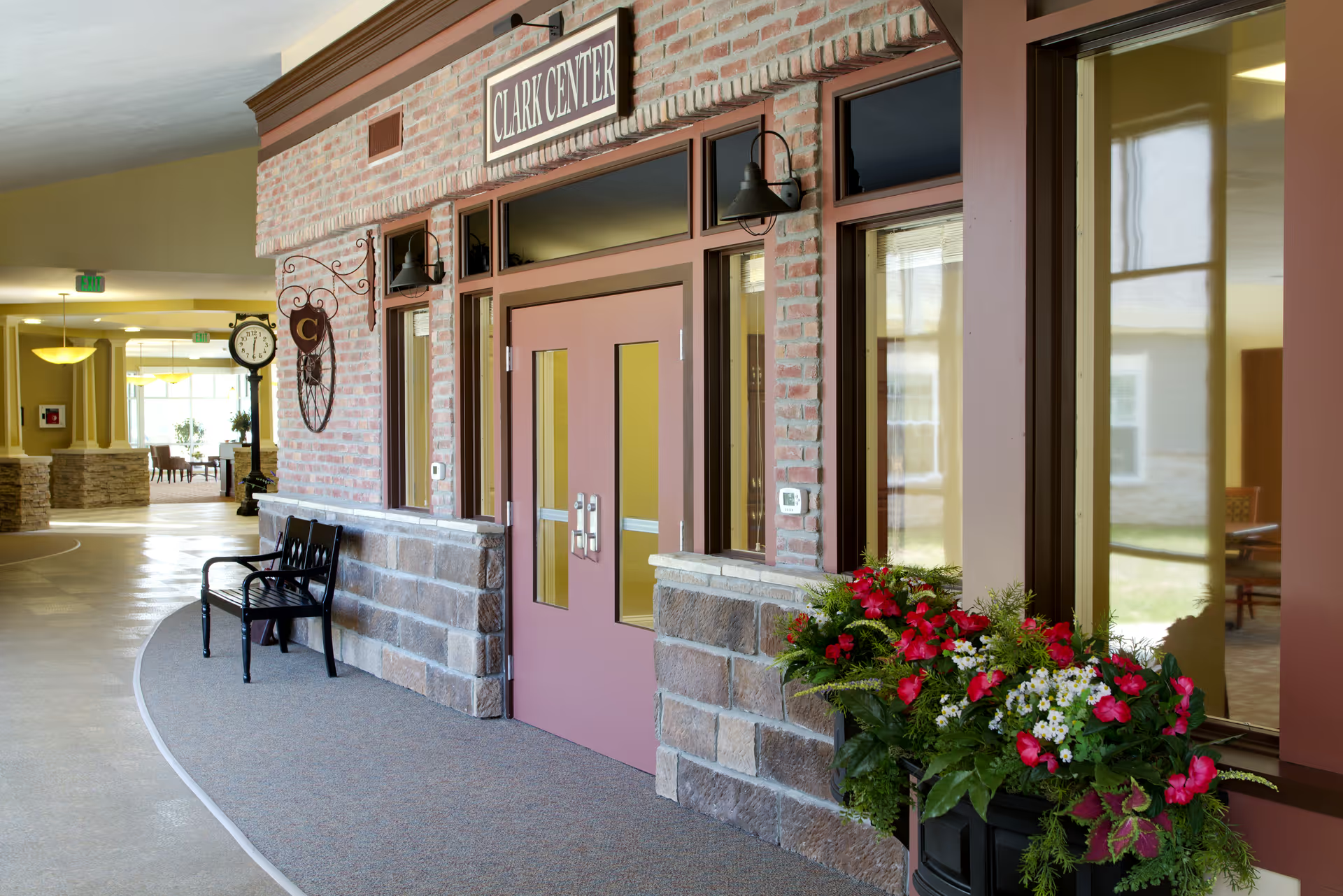
The reviews portray a facility with clear operational strengths alongside recurring operational challenges. Families frequently praise the direct-care workforce: many accounts emphasize compassionate, attentive aides and nurses, 24/7 nursing coverage, and proactive clinical staff who facilitate rehabilitation (OT/PT) and measurable health improvements. Reviewers also highlight a warm, social environment supported by a robust activities program (bingo, balloon volleyball, exercise, arts, outdoor barbecues and movie nights) and family-oriented events. The memory-care unit is described as structured and inviting by multiple families, and common areas are often noted as updated, clean, and well-maintained. Apartment-level amenities such as kitchenettes and walk-in showers, flexible visitation/independent access, and respite/short-stay options add practical value.
Dining is a frequent point of praise: several families describe nutritious, appealing meals and an engaging dining program; some even characterize meals as exceptional. At the same time, there are repeated notes about inconsistent food quality and kitchen staffing problems that have produced delays and limited menu availability at times. In-room meal service and specific accommodations (pre-cut meals for Parkinson’s) are appreciated when they are implemented reliably, but some reviewers reported instances of delayed or lower-priority in-room service.
Operationally, the facility appears to struggle with staffing consistency. High turnover and use of agency or floating staff are linked to variability in staff familiarity with residents, delays in medication delivery and daily care tasks, and occasional lapses in documentation or follow-through. Communication between clinical staff and families is uneven: while some families experience proactive updates and good problem-solving, others describe repeated information requests, delayed responses, and billing or refund complications. Several reviewers also raised sanitation and housekeeping concerns in specific areas and noted maintenance issues such as exterior appearance or building-access vulnerabilities.
Management impressions are mixed. Many families commend individual leaders and front-line supervisors for responsiveness, empathy, and helpful transition support. Conversely, there are accounts describing inconsistent managerial availability, billing complexity related to a la carte charges, and friction during periods of ownership or staffing change. Practical constraints are also noted: the facility does not accept Medicaid, and some families pointed to extra fees for specific services, which affects cost comparisons.
Overall, the facility shows strengths in person-centered caregiving, social programming, rehabilitation services, and many well-kept communal spaces. Prospective residents and families should weigh those strengths against recurring operational patterns: variable staffing consistency, intermittent kitchen and housekeeping disruptions, occasional communication and billing shortcomings, and limited dementia-specific activity options. Those evaluating the community would benefit from focused questions on staffing ratios, the use of agency staff, protocols for medication and in-room meal delivery, housekeeping standards, and transparent explanation of any a la carte charges prior to move-in.