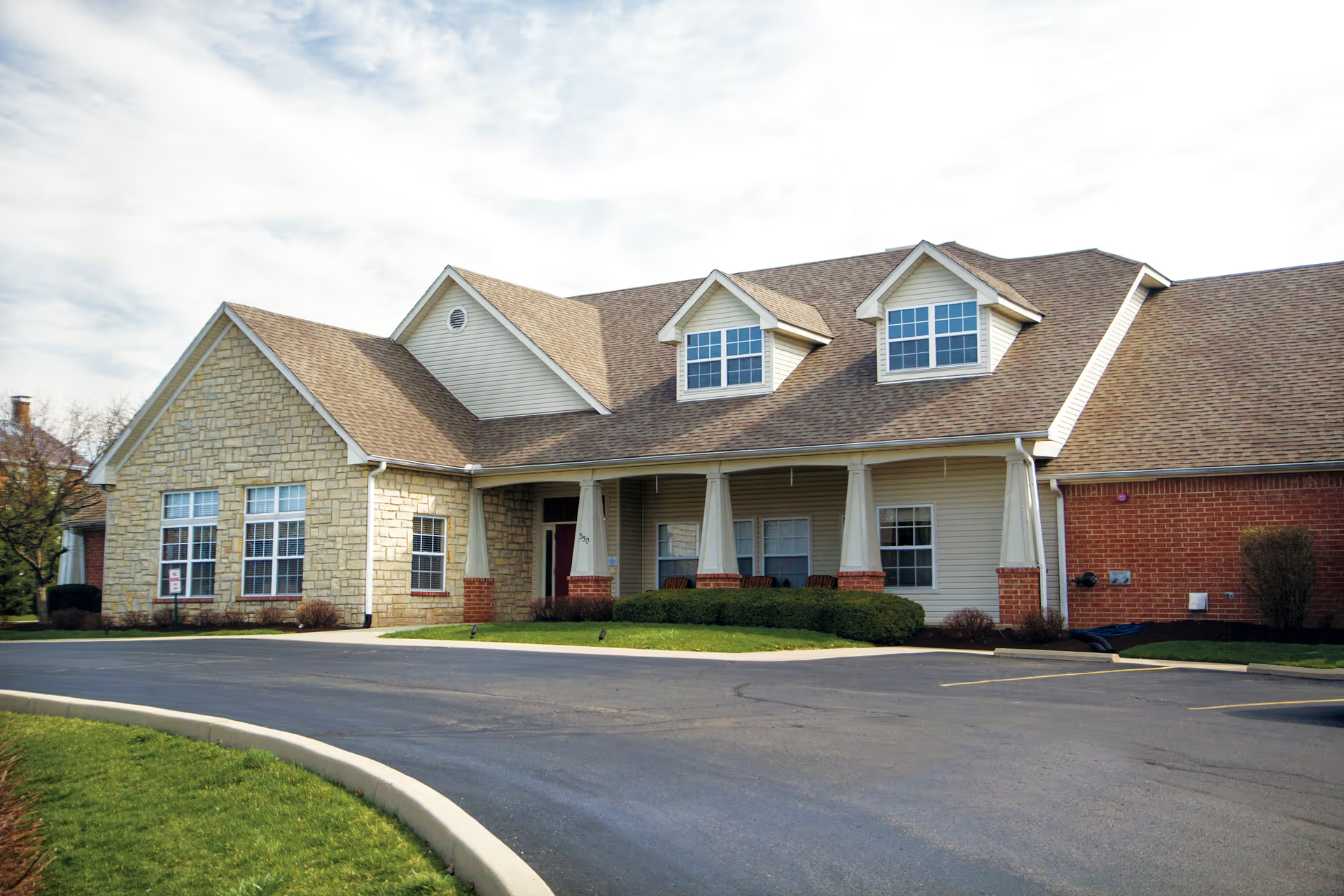
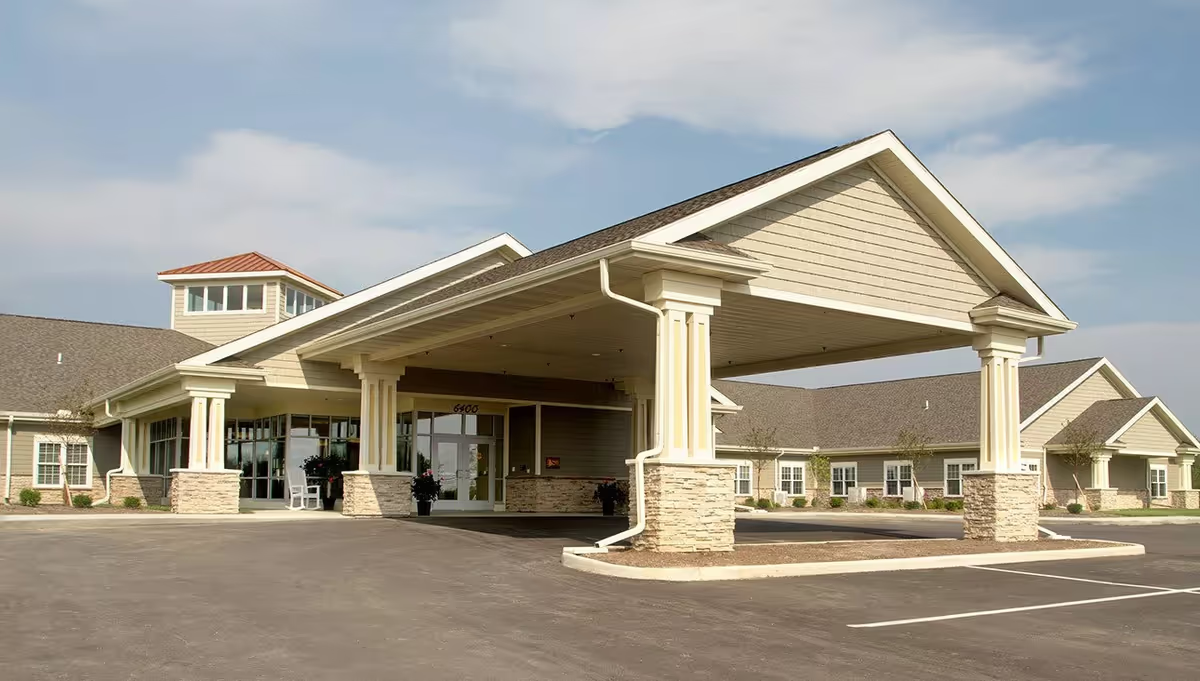
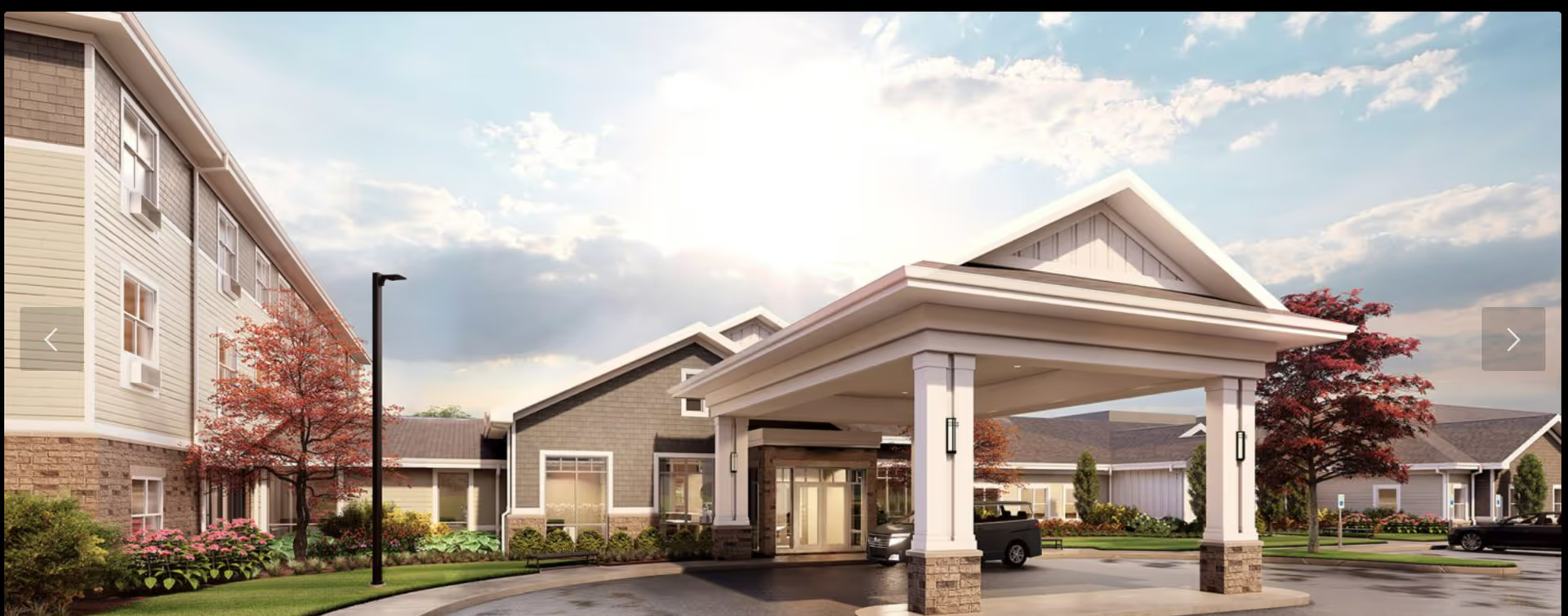
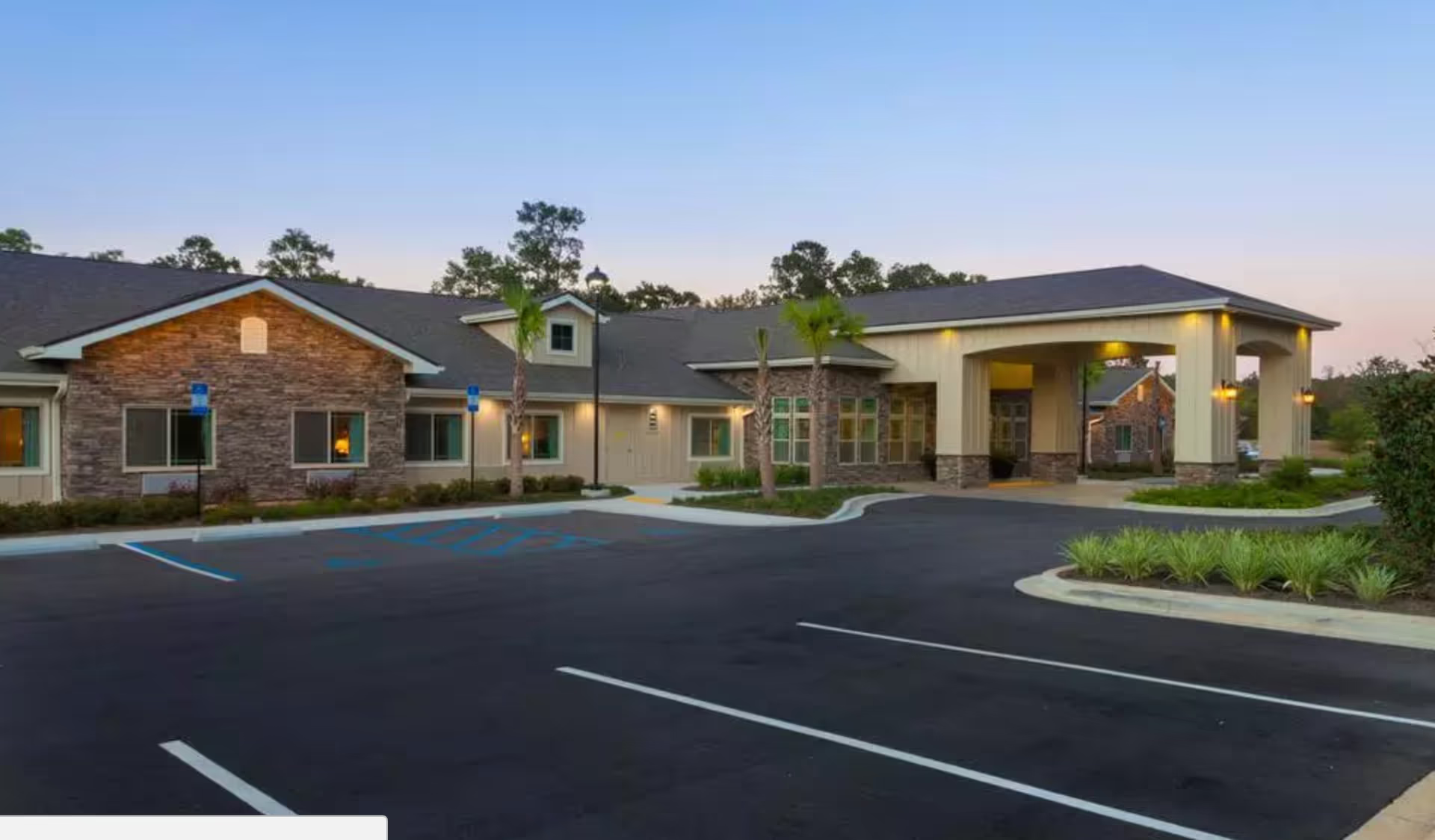
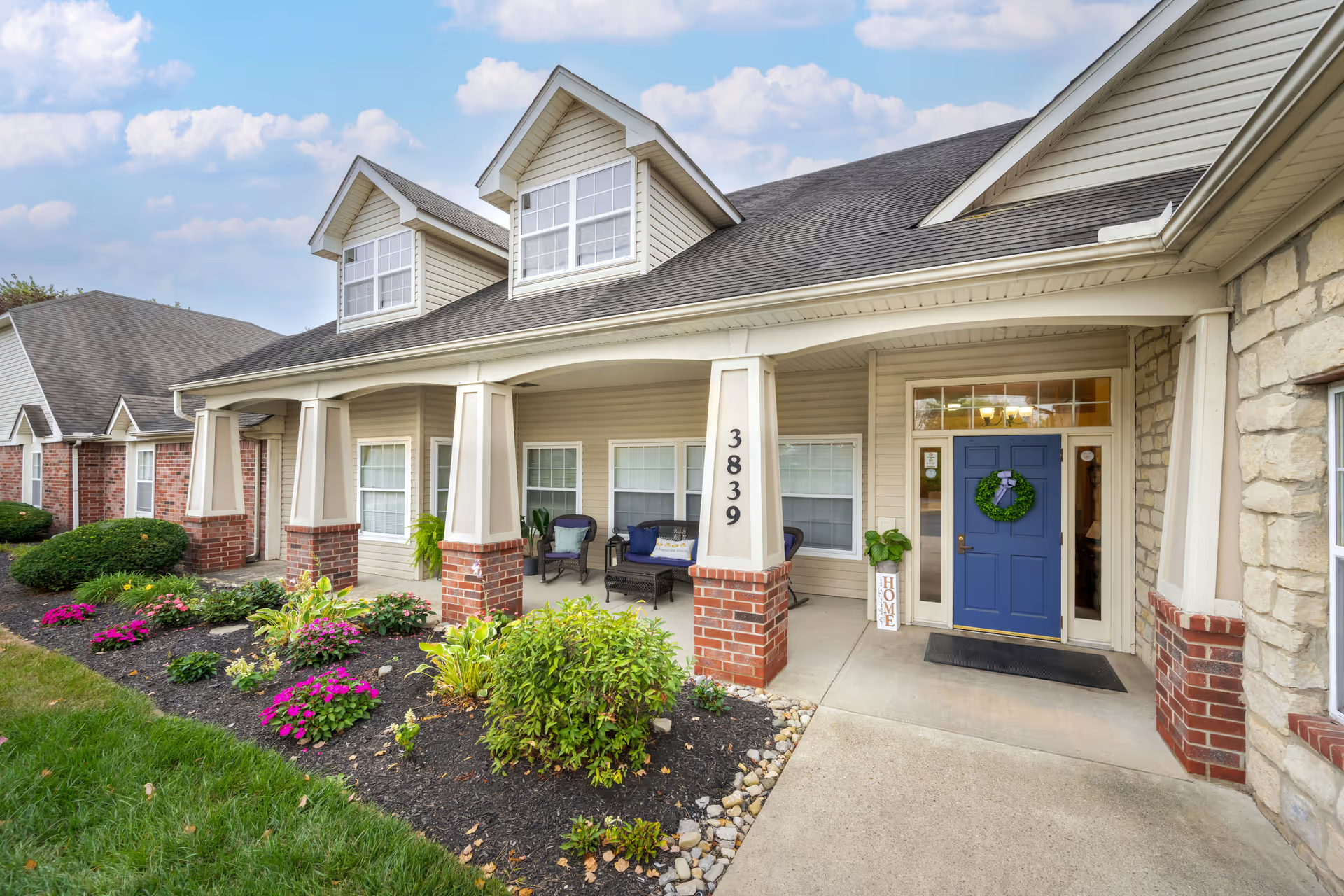
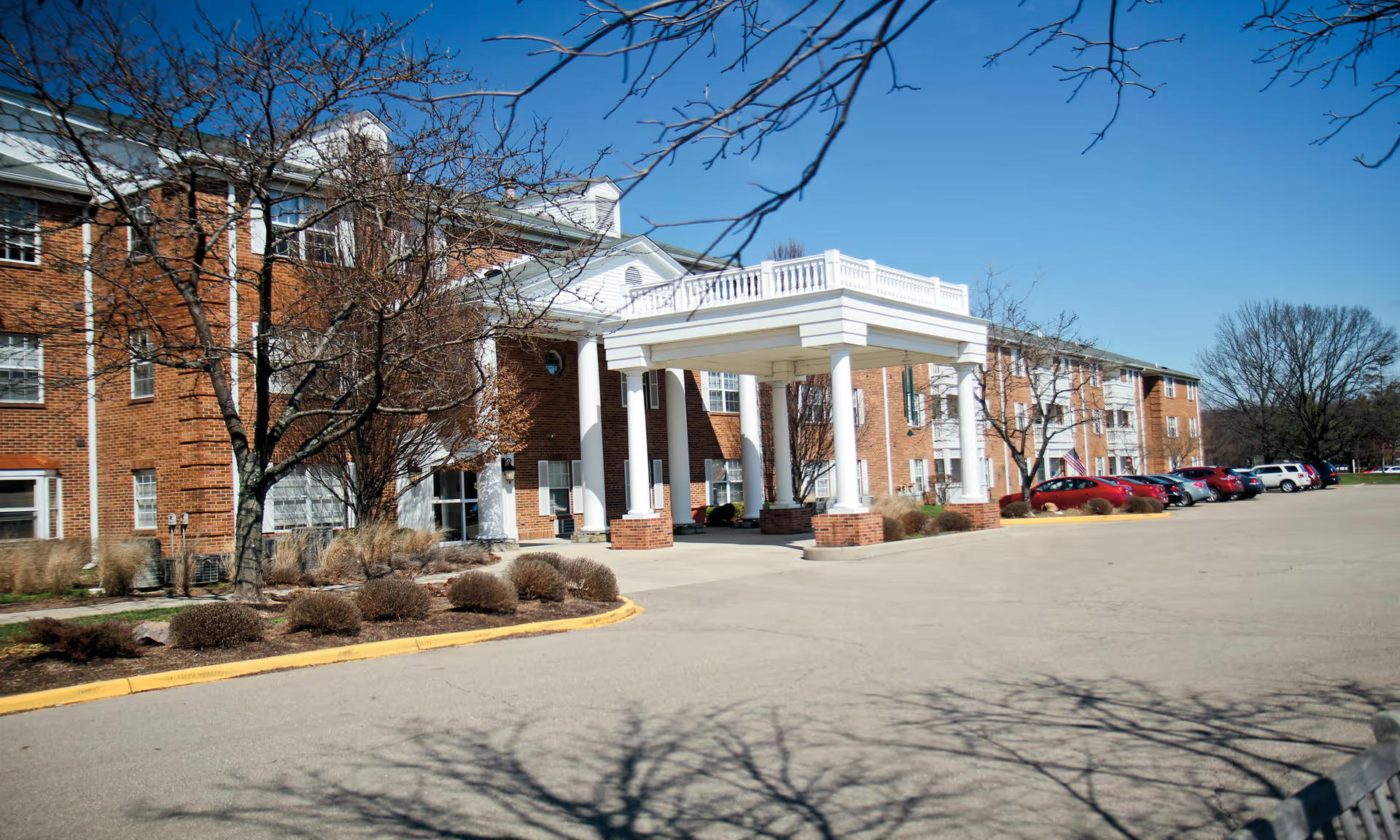
Spring Hills Singing Woods presents as a community with many of the attributes families look for in assisted living: a home-like atmosphere, attractive grounds and courtyards, a single-floor/easy-to-navigate layout, and apartment-style units with patios. A frequent strength cited is the staff—many families describe warm, personable caregivers, attentive nurses, hands-on directors, and an active activities team. The community offers a broad activity calendar (music, sing-alongs, crafts, daily exercise, socials), in-house therapy and rehabilitation options, pet/animal visits, and dining that several families called restaurant-quality under an experienced chef. Memory-care services are available and some families reported effective collaboration with the memory-care team.
Care quality is a mixed pattern. Numerous accounts praise individualized attention, compassionate end-of-life care, and clear health-related communications at times. At the same time, families have raised operational concerns that affect care consistency: medication-management weaknesses, lapses in following care plans, and variability in assistance with bathing or dressing. Although 24-hour nursing is an advertised feature, execution has been uneven according to reviewers, with instances of delayed monitoring or long response times to call buttons. These issues translate into a need for active family advocacy in some cases.
Dining and activities are overall strong points but show variability. Many residents enjoy varied menus, weekly specials, and a high-quality lunch program; the activities program is lively and well-staffed when personnel are present. However, reviewers also described inconsistent meal service (late or cold meals, missing items on occasion) and dining-room staffing shortfalls that can produce waits or reduced table service. Prospective families should observe meal service at multiple times of day when evaluating fit.
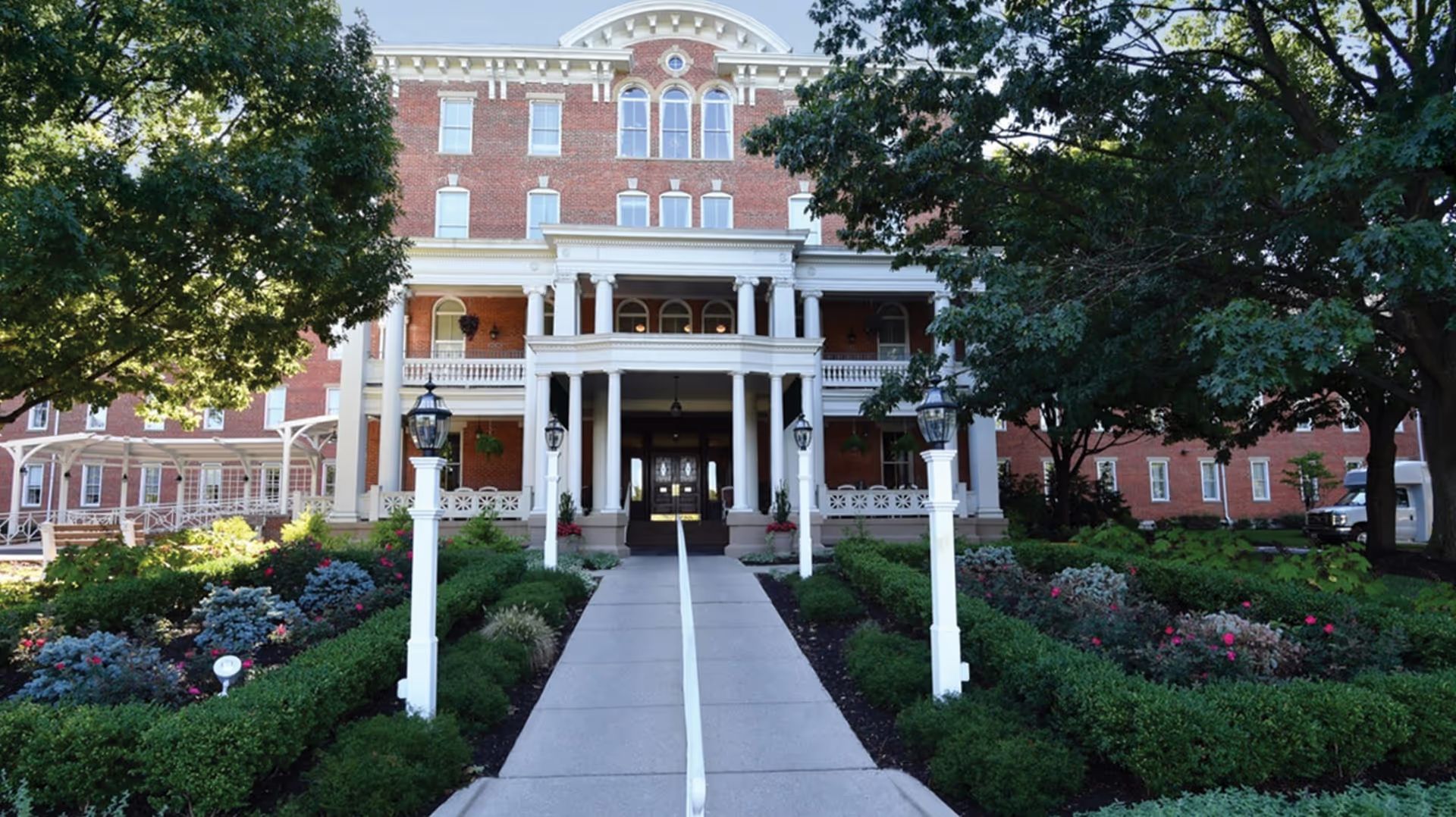
The physical plant is generally well-regarded: clean common areas, attractive landscaping, secure courtyards, and thoughtful decor. Accessibility and logistics merit attention—there are reports of entry doors, ramps, or thresholds that are awkward for larger wheelchairs or bulky deliveries, and some families noted housekeeping and sanitation inconsistencies. These are operational issues that can be clarified in a tour and by asking about maintenance and housekeeping schedules.
Management and operations show both strengths and variability. Many reviewers praised specific administrators and move-in staff for being candid and supportive. Conversely, others described difficulties reaching executive leadership, uneven follow‑through on requests, and noticeable staff turnover. Reliance on agency staff during gaps appears to contribute to inconsistency in care-plan adherence and cross-department communication (for example, between nursing and activities). Affordability questions were also raised: some families cited additional monthly care fees beyond base rent that affected long-term suitability.
Overall, Singing Woods appears to deliver a caring, activity-rich environment with strong dining and attractive grounds for many residents. The most consistent cautionary themes are operational: staffing stability, medication and ADL assistance consistency, timely response to calls, housekeeping regularity, and management follow-up. Prospective residents and families should schedule multiple visits (including meal times and shift changes), ask for current staffing ratios and turnover data, review medication-administration protocols and care-plan auditing, confirm accessibility features needed for mobility equipment, and get a clear written explanation of all additional care fees and housekeeping schedules. Those steps will help determine whether the community’s many strengths align with a particular resident’s clinical and daily-living needs.