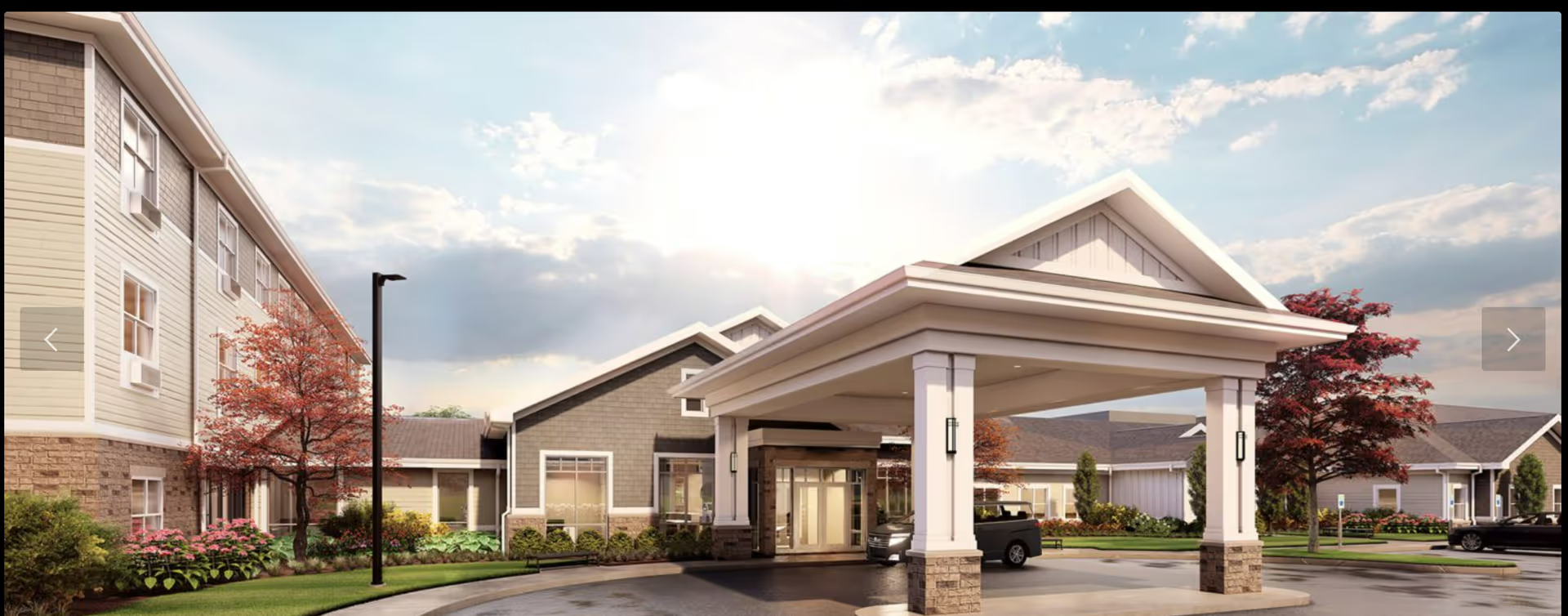
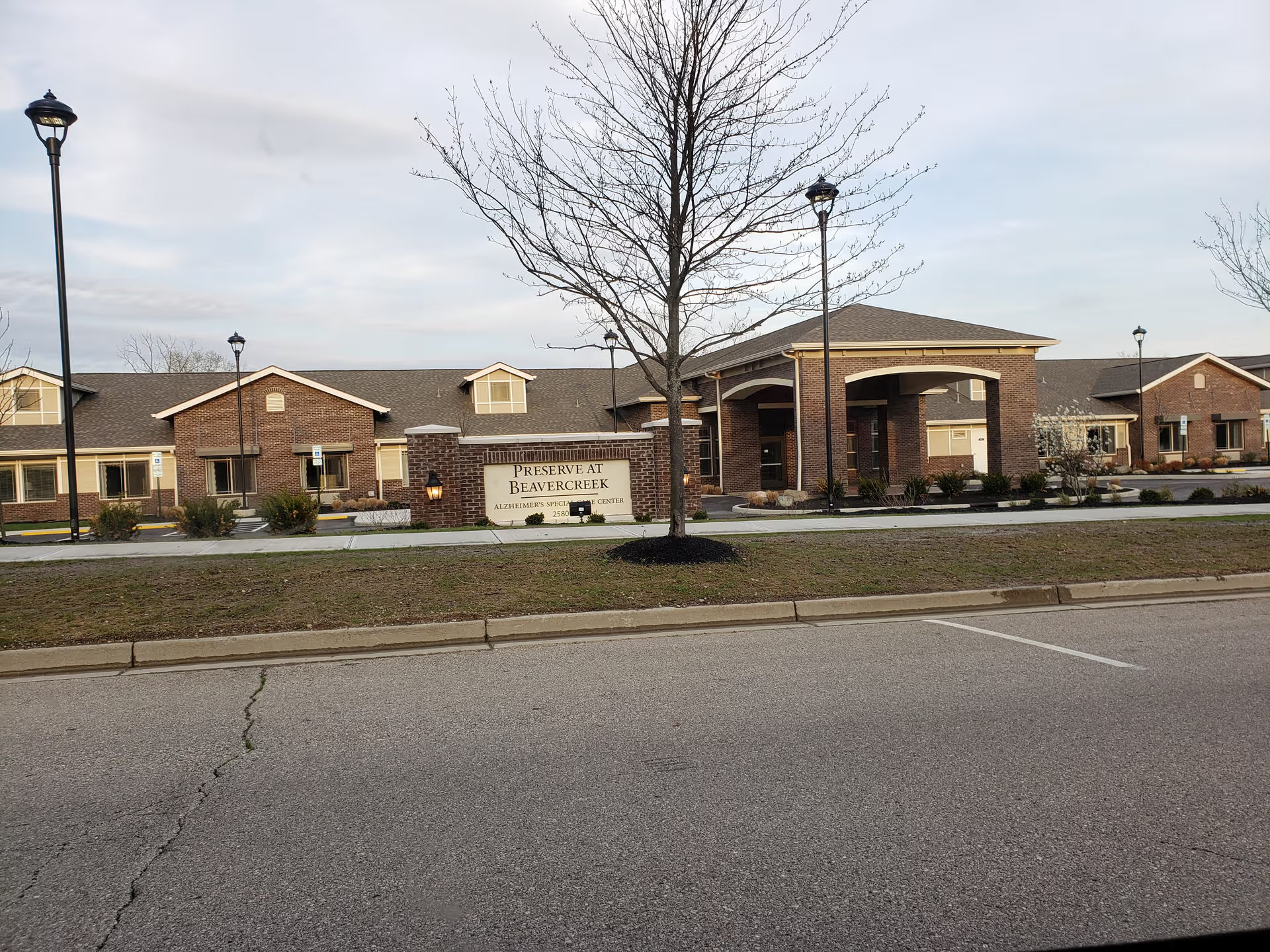
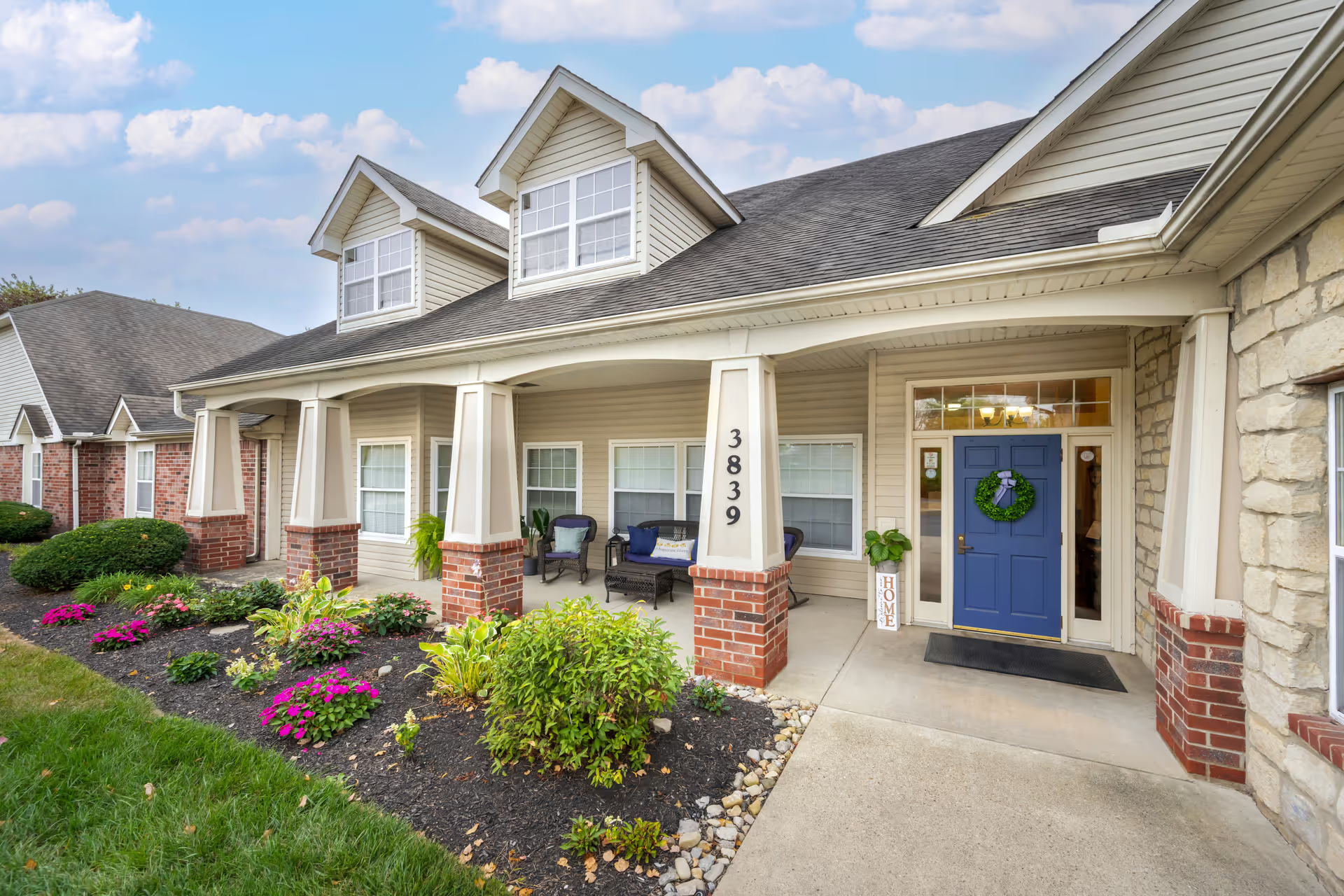
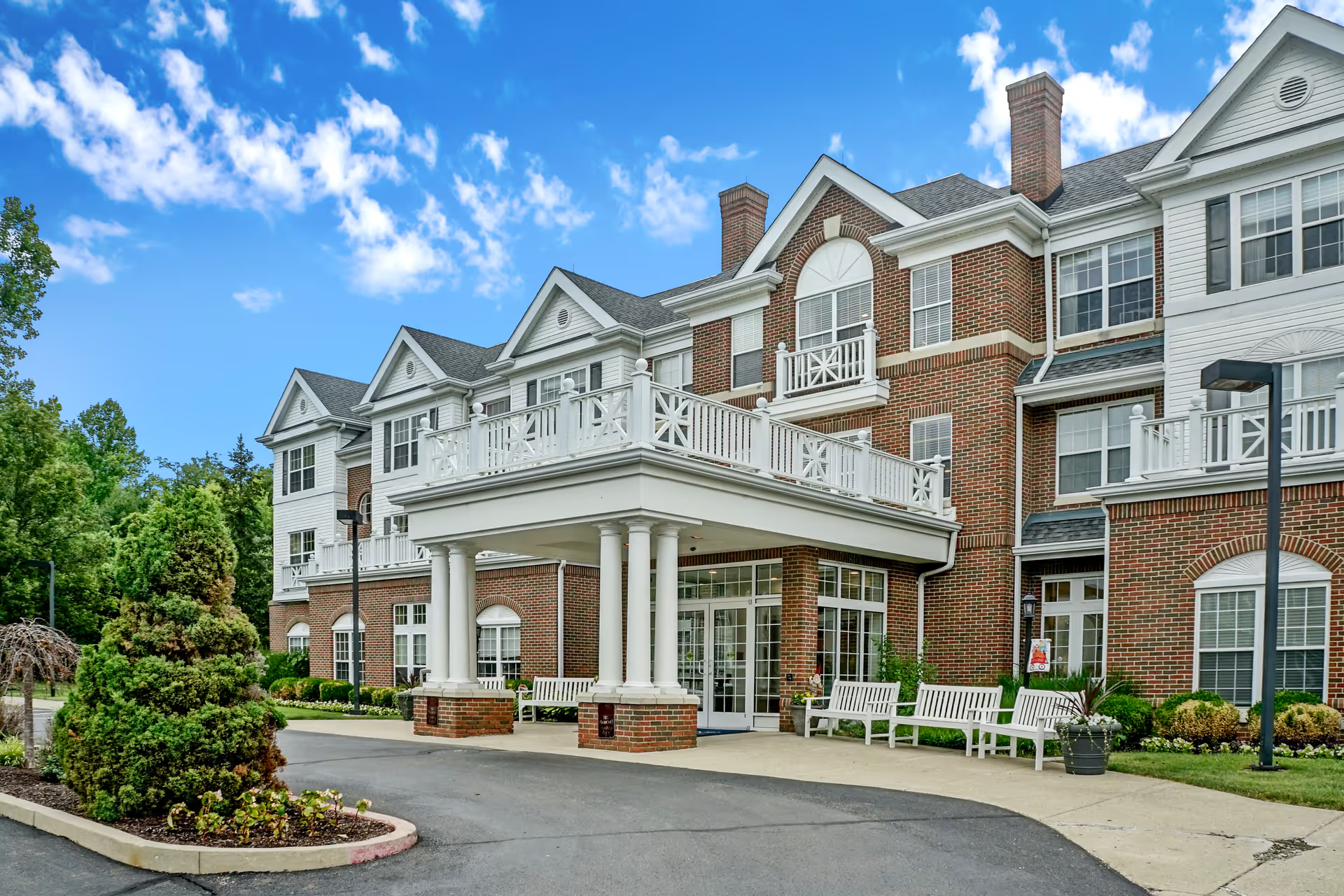
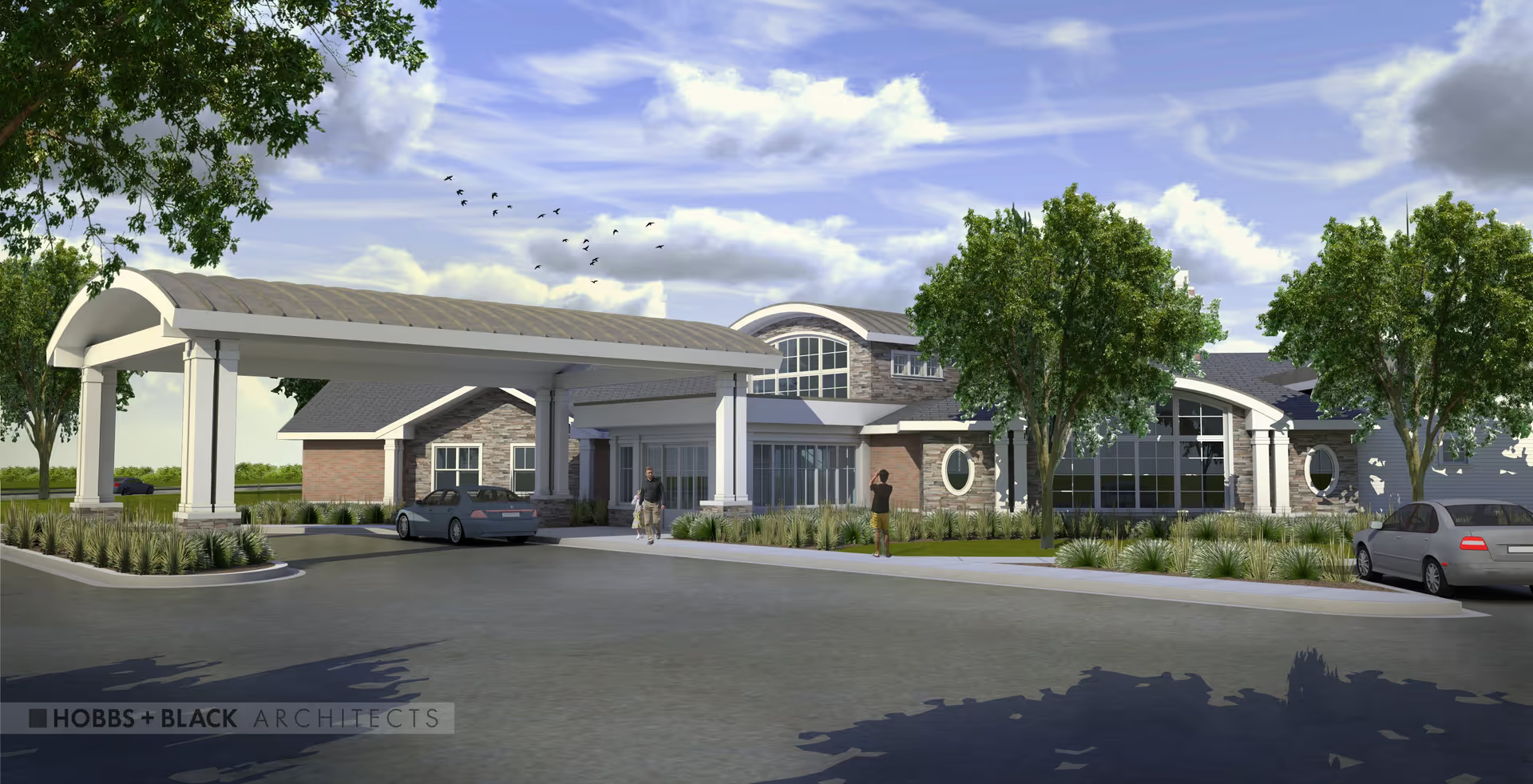
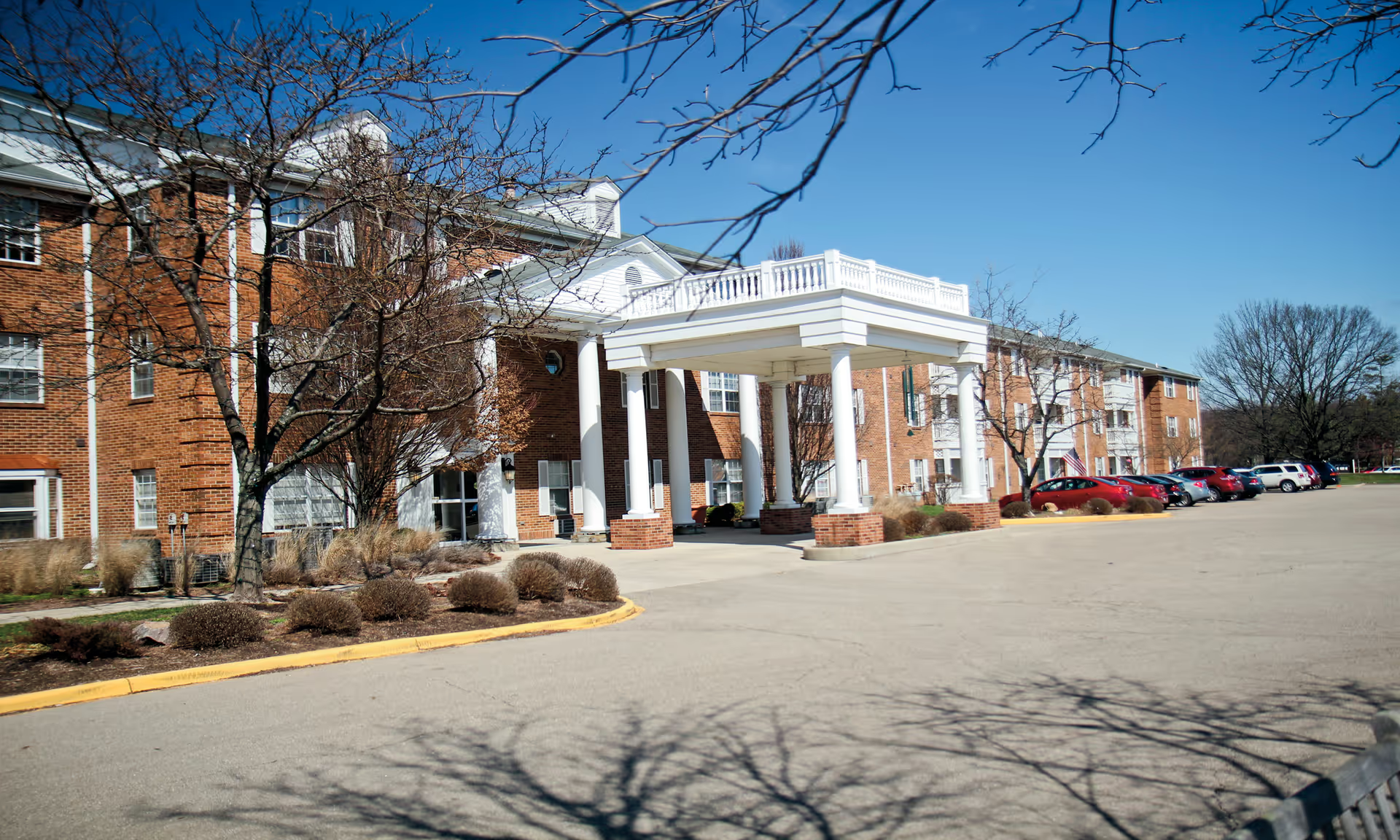
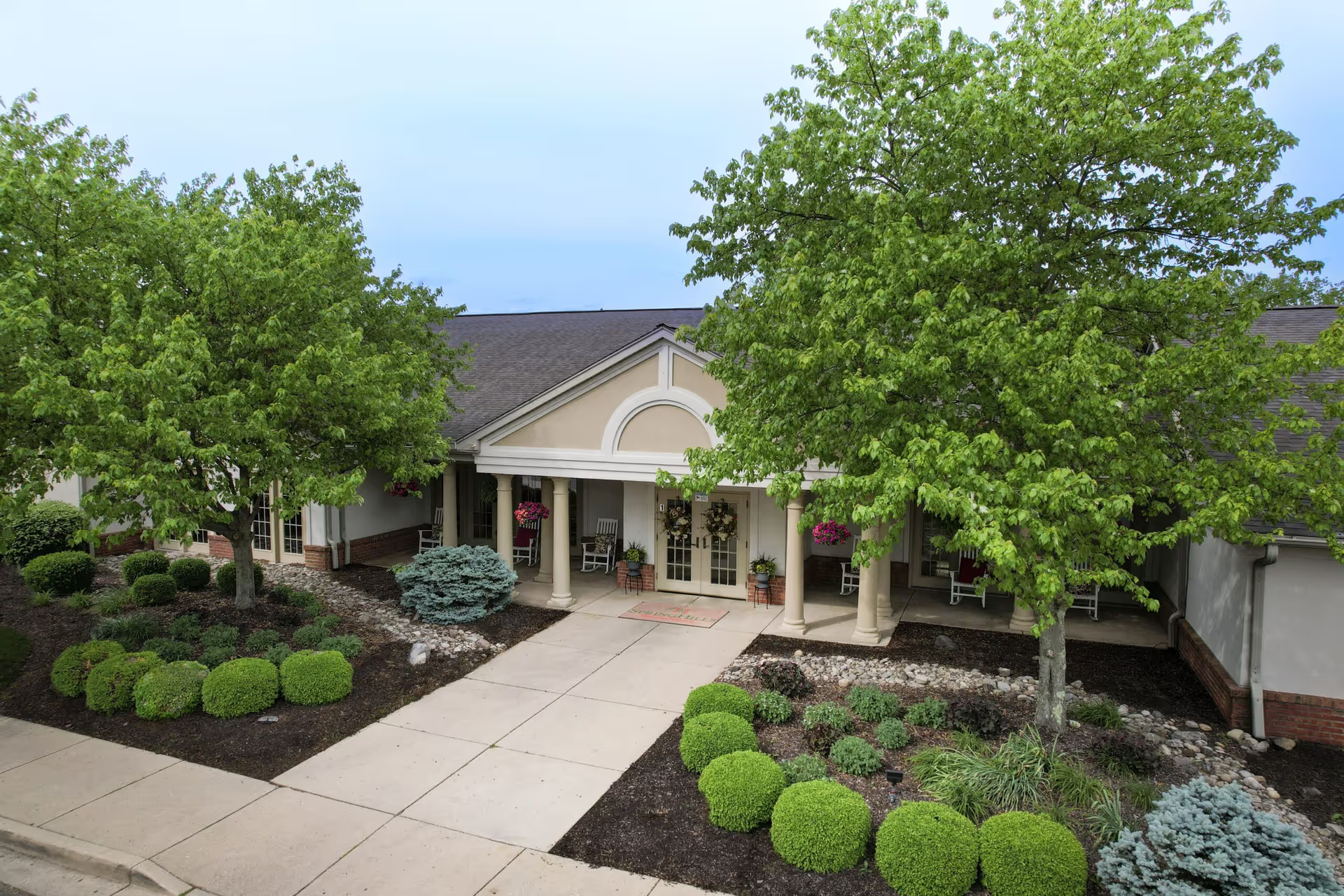
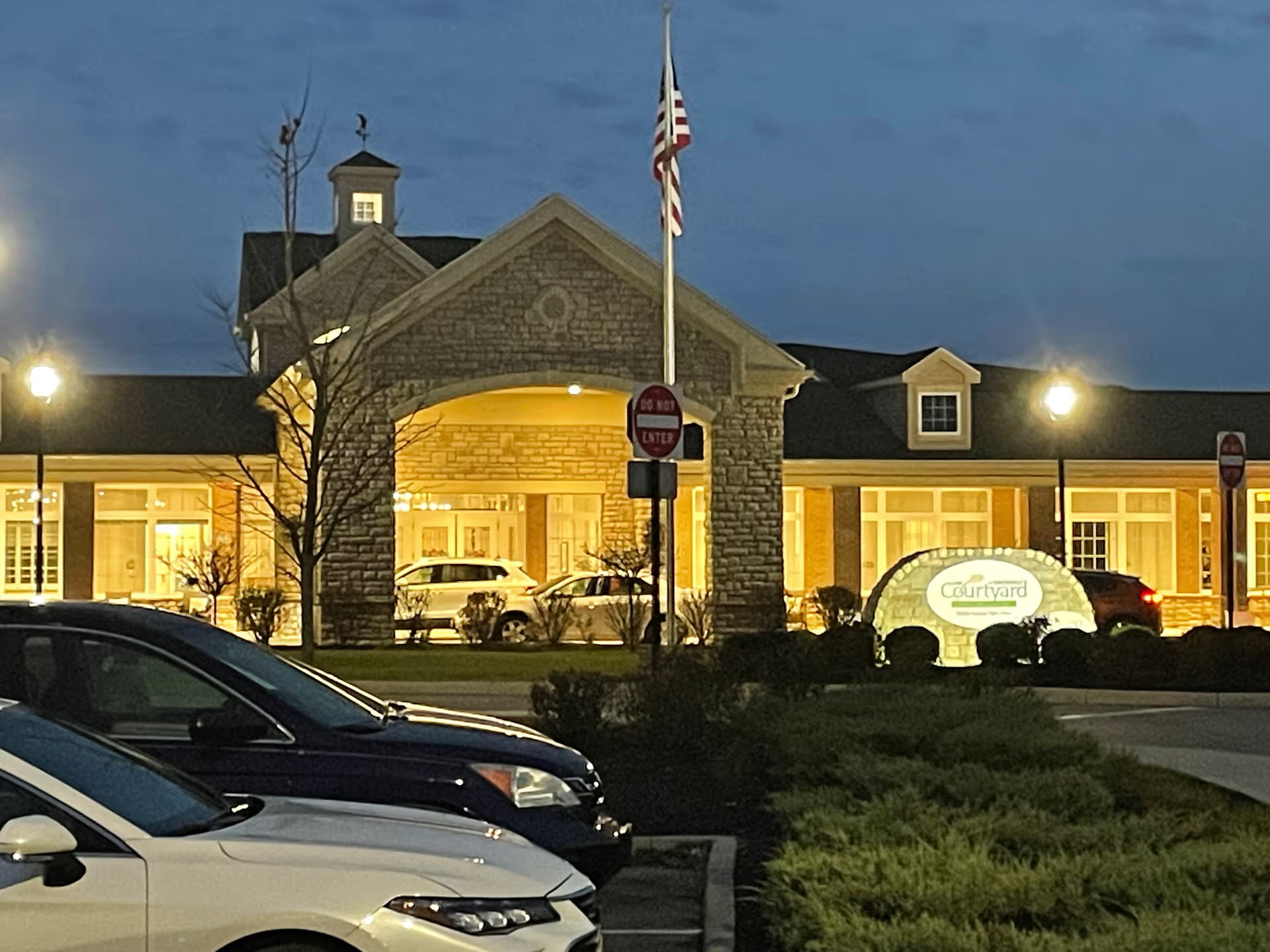
Wilmington Place presents as a large, well-maintained historic campus with extensive amenities and an active social calendar. Reviewers frequently highlight the attractive architecture, park-like grounds, and an indoor program of offerings that includes two movie theaters, a bowling alley, fitness spaces, a salon, on-site stores, and multiple communal dining venues. The community offers a full continuum of care and on-site rehabilitation services, which is a strong draw for families planning for progressive needs.
Staff quality is a recurring strength: many reviewers describe caregivers, front-desk personnel, therapists, and dining servers as friendly, knowledgeable, and attentive. Long staff tenure and name recognition were cited as contributors to a welcoming atmosphere. At the same time, accounts about staffing are mixed—while some families report quick maintenance response times and proactive follow-up, other accounts describe slower responsiveness, delayed assistance for personal needs, and understaffing in certain units, especially within higher-dependency care areas.
Dining and food services are an area of mixed feedback. The facility's restaurant-style dining and large, decorated dining rooms are often praised, and several reviewers complimented specific menu items and diabetic/low-salt accommodations. However, there are recurring comments about inconsistent food quality and preparation (dry meats, repetitive side dishes), and some residents/families expressed dissatisfaction with portioning, meal variety, or perceived value. Ancillary charges for items such as laundry, Wi‑Fi, or extra meals and occasional surprise differences between initial quotes and final billing have produced concerns about pricing transparency.
Clinical care and safety perceptions also show variability. On the positive side, on-site physical and occupational therapy and knowledgeable nursing staff were frequently commended. Conversely, there are facility-level concerns about medication administration consistency and about dementia-care staffing and protocols; several accounts describe delays in attending to personal-care needs, missed medication timing, or other operational lapses in higher-dependency areas. Because these matters relate directly to resident safety and clinical outcomes, they are important points for prospective residents and families to evaluate during visits and care-team discussions.
Activity programming and social life are widely cited strengths: the community is described as lively and inclusive, with regular music, exercise, clubs, outings, and social meals that foster friendships. The campus scale supports a range of options but also creates practical challenges for mobility—some residents find distances between apartments, dining rooms, and activity spaces long, and building navigation can be initially confusing.
In summary, Wilmington Place offers strong physical assets, a rich activities program, on-site therapy and a visible culture of hospitality that many residents and families value. Prospective residents should weigh those strengths against operational trade-offs flagged in reviews: variable dining consistency, occasional staffing and responsiveness gaps, pricing and billing clarity, and specific concerns about dementia-care and medication-management controls. Those priorities can be explored directly during a tour by asking for recent staffing ratios, meal-sampling options, written fee schedules, and descriptions of clinical protocols and dementia-care staffing models.