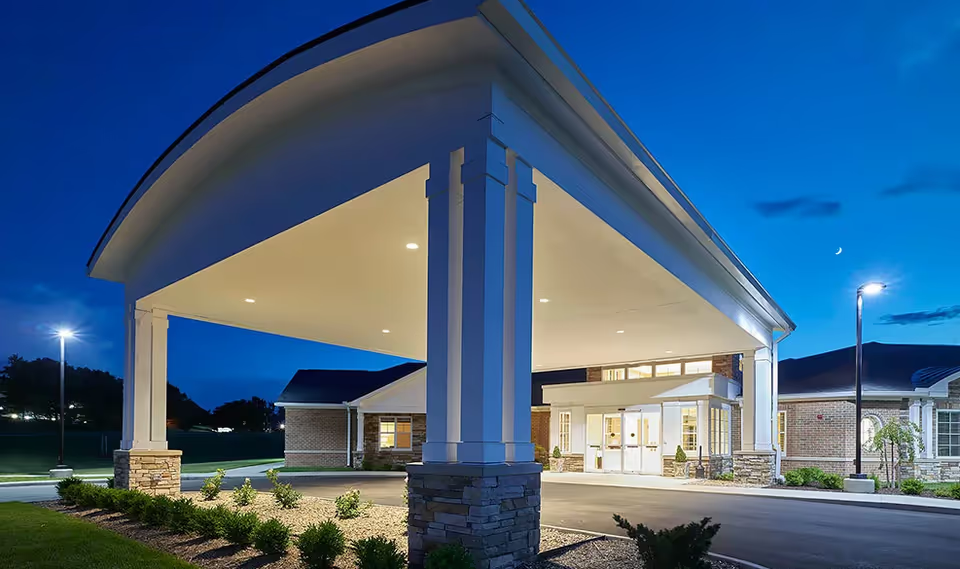
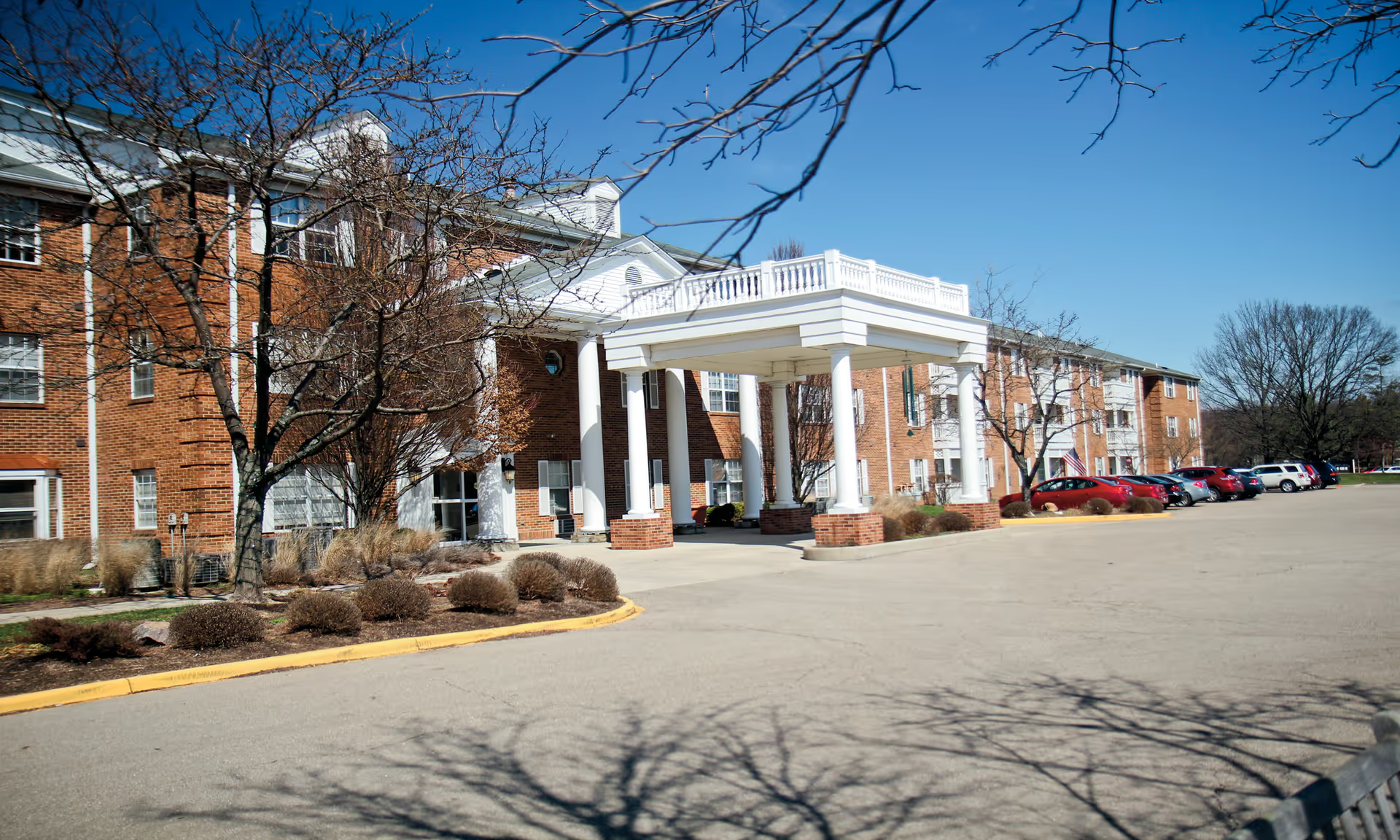
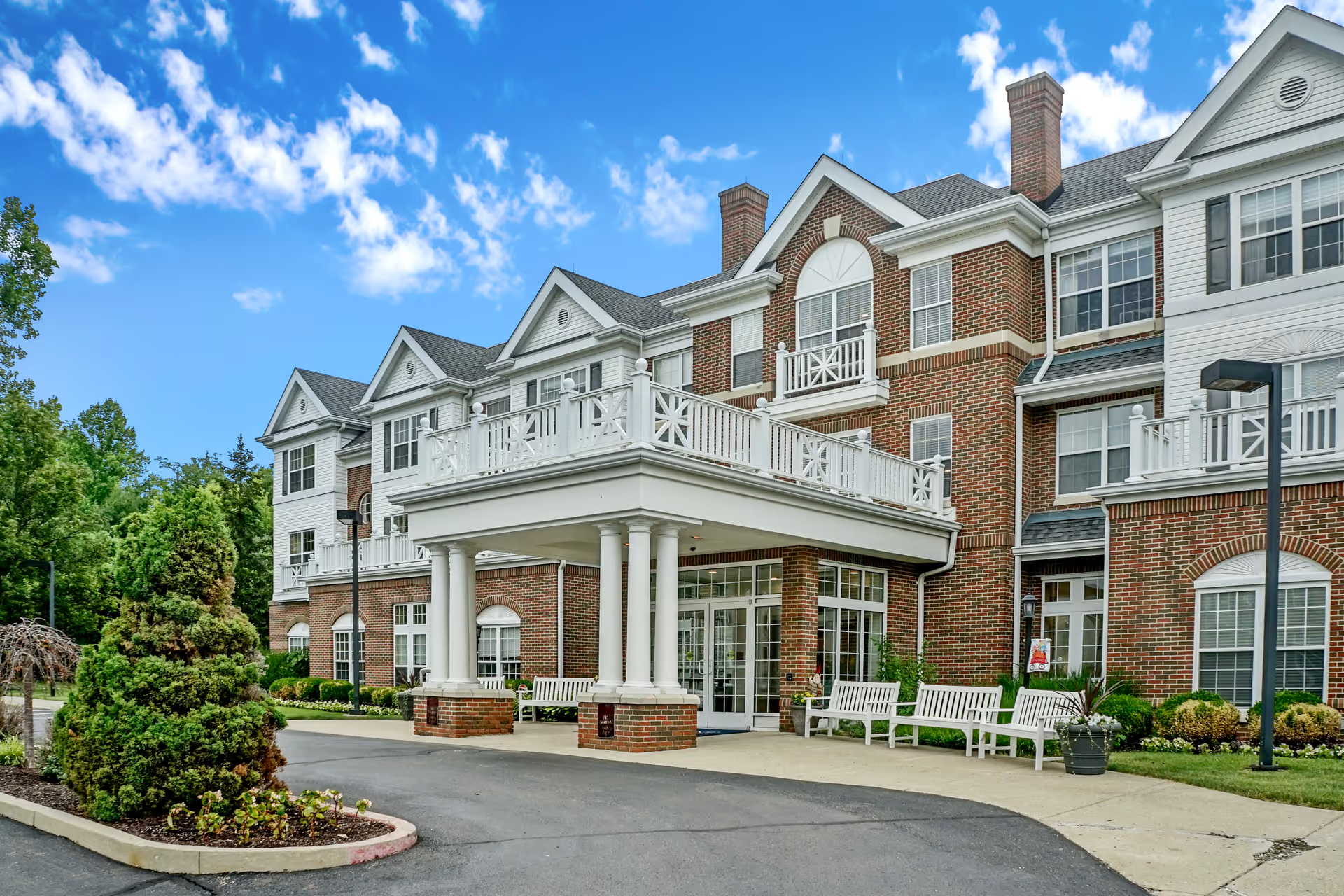
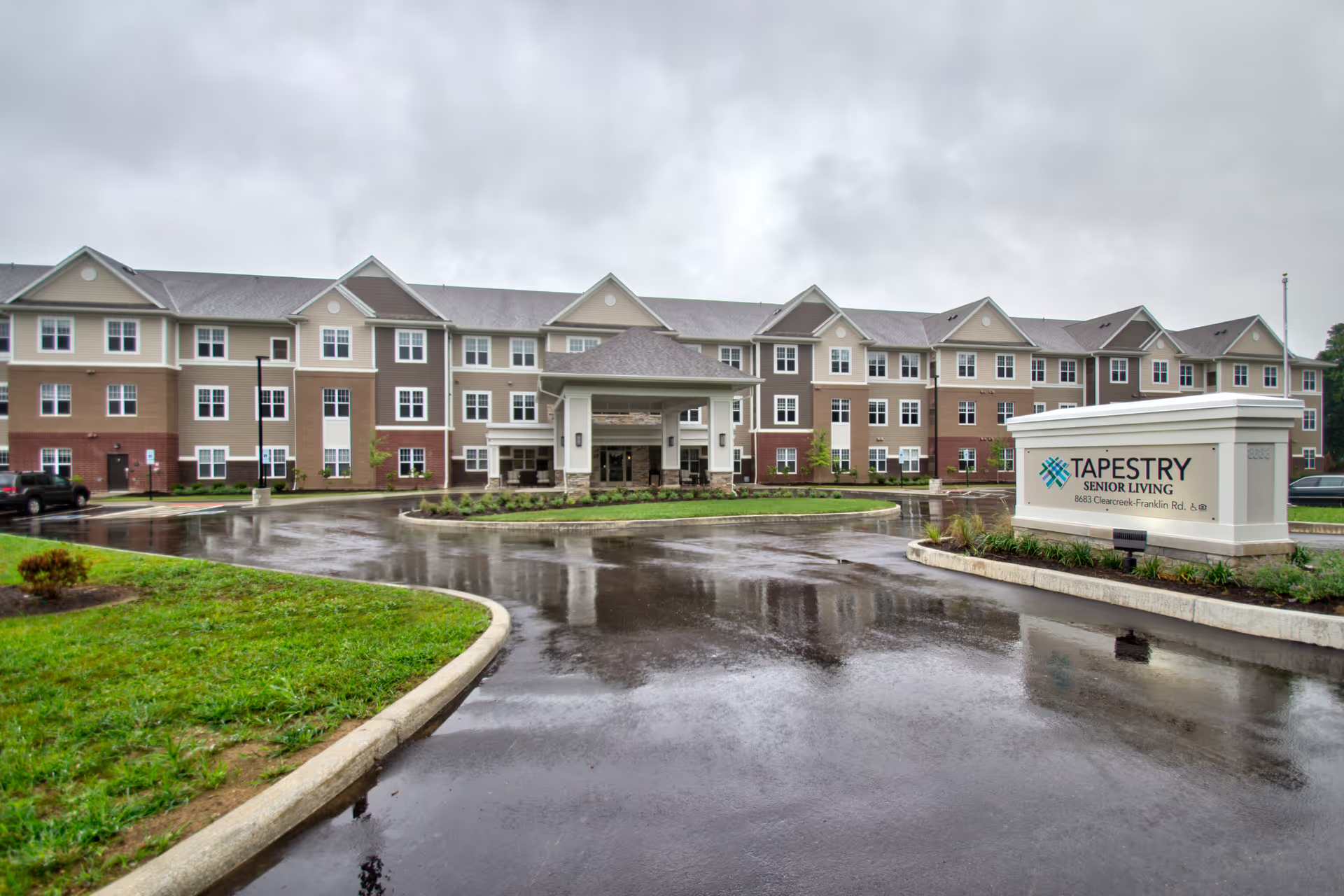
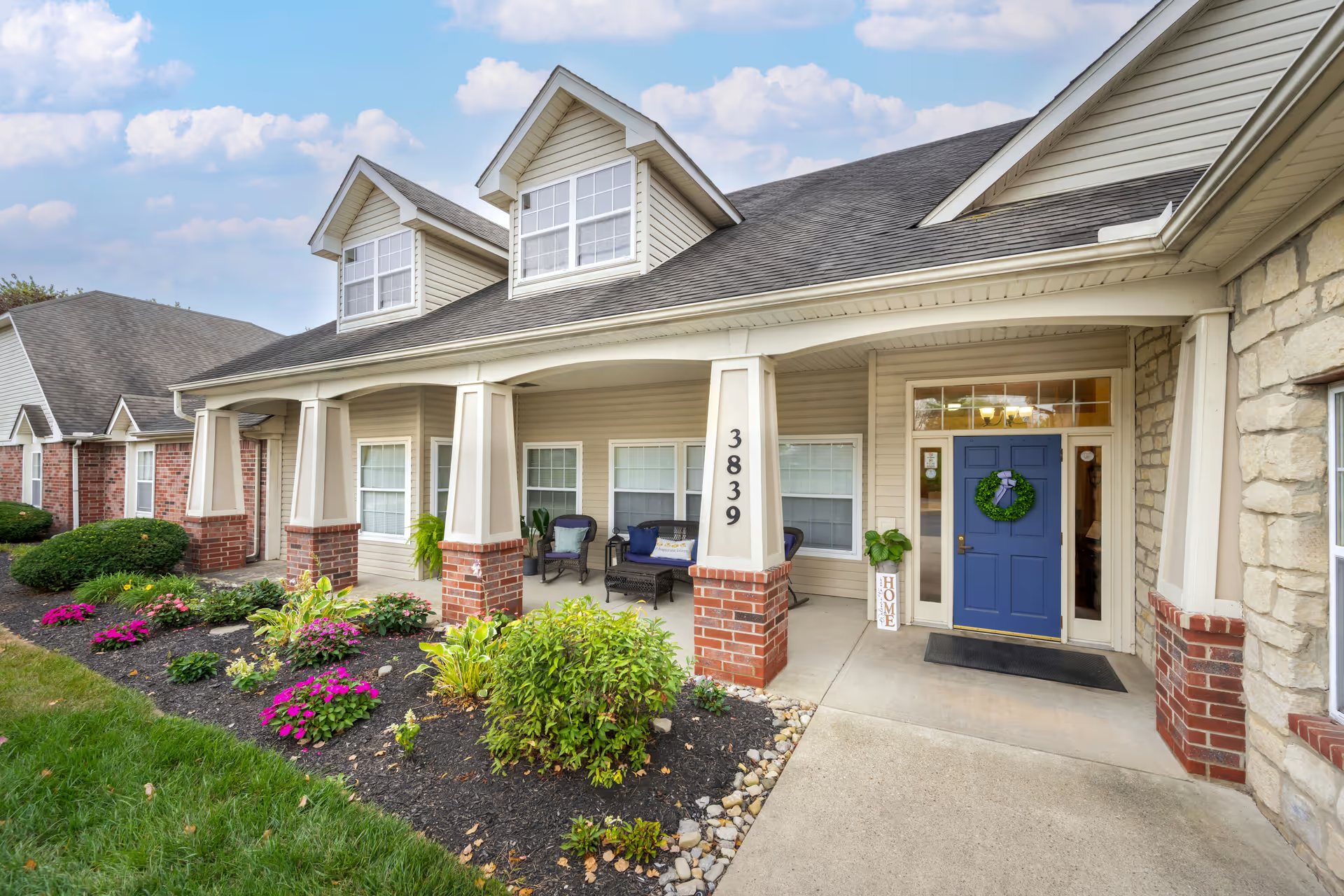
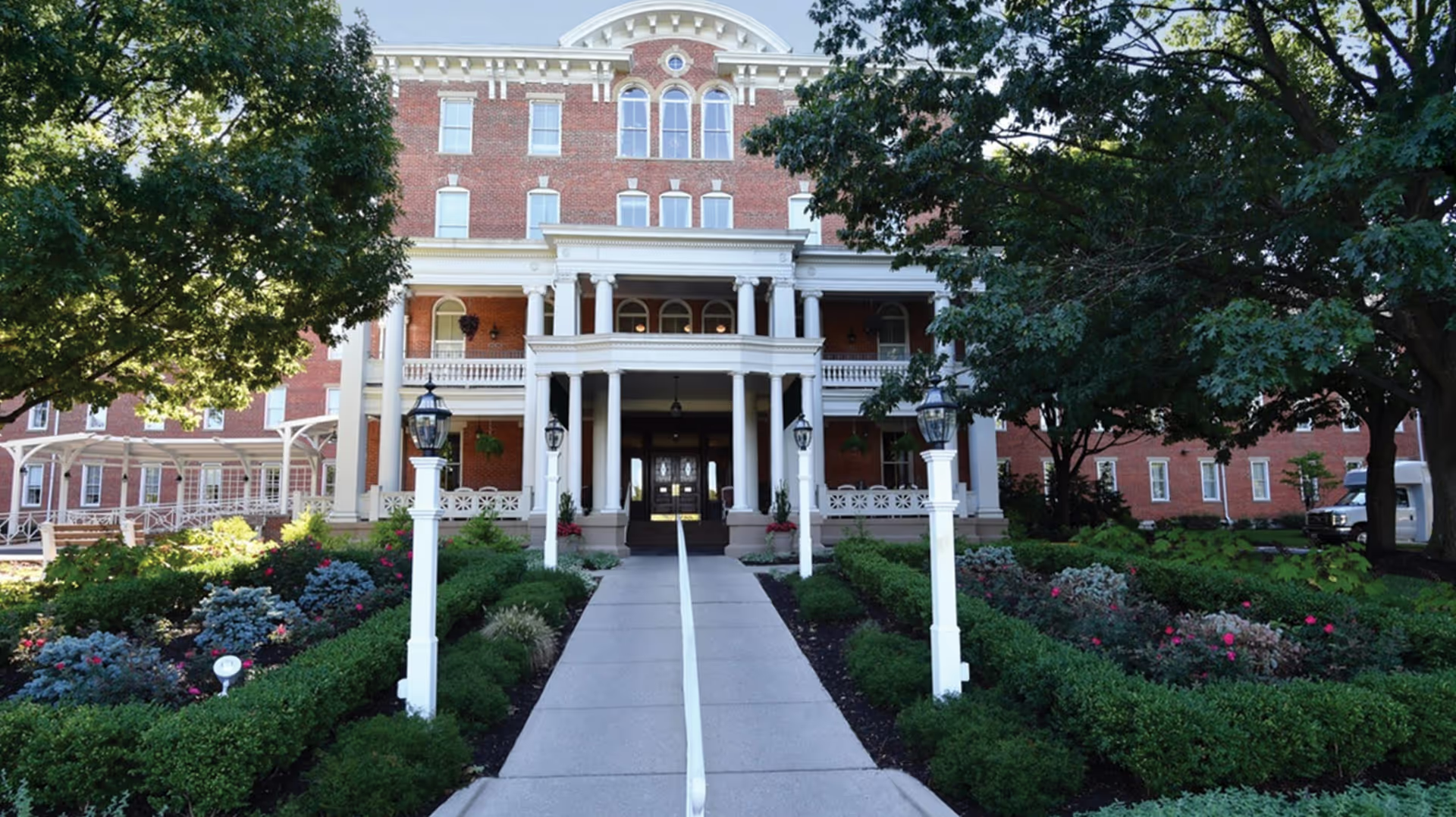
The Courtyard at Centerville is presented consistently as a new, upscale community with a strong emphasis on physical design, amenities, and a home‑like feel. Reviewers highlight bright single‑floor apartment layouts, spacious two‑bedroom units (many with in‑unit laundry and garages), well‑manicured grounds, and an extensive suite of common facilities that includes a movie theater, salon, gym, rehab room, pool, library, and multiple activity spaces. The facility’s design and finishings, coupled with restaurant‑style dining spaces and social areas, create an environment many families describe as bright, clean, and welcoming.
Care and staffing receive mixed but generally positive commentary. A large number of families praise compassionate, attentive caregivers, nurses, and front‑desk personnel and point to strong move‑in support, personalized assistance with room setup, and active family communication (photos, videos, and regular updates). Memory care is frequently described as secure and home‑like, with several staff members singled out for sustained compassion. At the same time, there are recurring operational concerns: staffing turnover and the use of agency personnel are cited as contributors to inconsistency, and several families cited intermittent lapses in responsiveness to call lights or alarms. There are also mentions of gaps in continuity of clinical leadership and incomplete documentation of policies and procedures; these are operational traits families should review with leadership during a tour.
Dining and food service generate polarized impressions. Some reviewers praise a high‑quality, restaurant‑style dining program and specific chefs, while others report cold meals, limited selection, or declines in quality following staffing changes. Meal coverage also varies by household—examples include an a la carte option and notes that lunch service may be limited in certain units—so prospective residents should verify which meals are included in fees and which incur additional charges.
Activities and resident engagement are consistent strengths. The community posts a visible activity calendar and runs a broad mix of programming (games, exercise, movies, live music, happy hours, outings, religious services). Activity staff are frequently described as creative, enthusiastic, and effective at fostering resident social connections and meaningful daily routines.
Management and operational patterns are a mixed picture. Many families commend responsive staff leadership, smooth admissions and transitions, and a family‑oriented culture. Nevertheless, reviews also reference management turnover, front‑desk coverage gaps, inconsistent mail handling, and occasional problems with continuity of care—issues that have affected family trust in specific instances. There are isolated allegations of problematic conduct or communication by individual staff or management; these accounts contrast with the many positive experiences and suggest that prospective residents and families should ask directly about staff stability, turnover rates, agency staffing usage, hospice protocols, and escalation pathways.
Overall, Courtyard at Centerville offers comprehensive amenities, a carefully designed physical environment, and many examples of engaged, compassionate staff and programming. Prospective residents should balance those strengths against operational concerns around staffing continuity, variable dining performance, and episodic responsiveness. Recommended next steps for families: tour the specific household where the resident would live, request current staffing ratios and turnover data, review sample weekly menus and fee schedules for meals, and ask for written policies on clinical leadership transitions and hospice coordination.