Overall impression: Fairmont Senior Living of Washington Township is described by many families as a warm, family‑oriented community with strong strengths in caregiving, dining, and activities. Reviewers consistently praise compassionate direct-care staff, long-tenured employees in several roles, and a bright, well‑maintained public environment. The community offers a range of care levels including assisted living and a secure memory‑care unit, plus on‑site clinical services (physician, podiatry, physical therapy) and transportation to off‑site appointments, which many families find convenient.
Care and staff: A prominent theme is staff engagement — caregivers, nurses, dining staff and activities personnel are often characterized as attentive, empathetic and proactive. Several reviewers highlighted individualized care plans and designated caregivers who know residents by name, which supports comfort and continuity. At the same time, there are recurring operational concerns: the facility faces hiring and retention pressures that contribute to inconsistent frontline training and variability in staff knowledge of resident profiles. Some families described slower response times to call lights or delayed clinical follow-up after acute events, and a few noted instances of distracting staff behavior (for example, personal device use) and concerns about staff conduct or communication tone. Management transitions and occasional communication or billing issues were also cited as affecting consistency.
Dining and nutrition: Dining is a strong point for many families. The community is frequently commended for an accommodating chef, appealing menus, attention to nutrition, and an inviting dining room. Activities around meals (holiday brunches, special events) are noted as enhancing quality of life. However, there are intermittent reports of inconsistent meal‑service execution—plate cleanup and meal presentation have room for improvement in some instances—so meal experience can vary by shift.
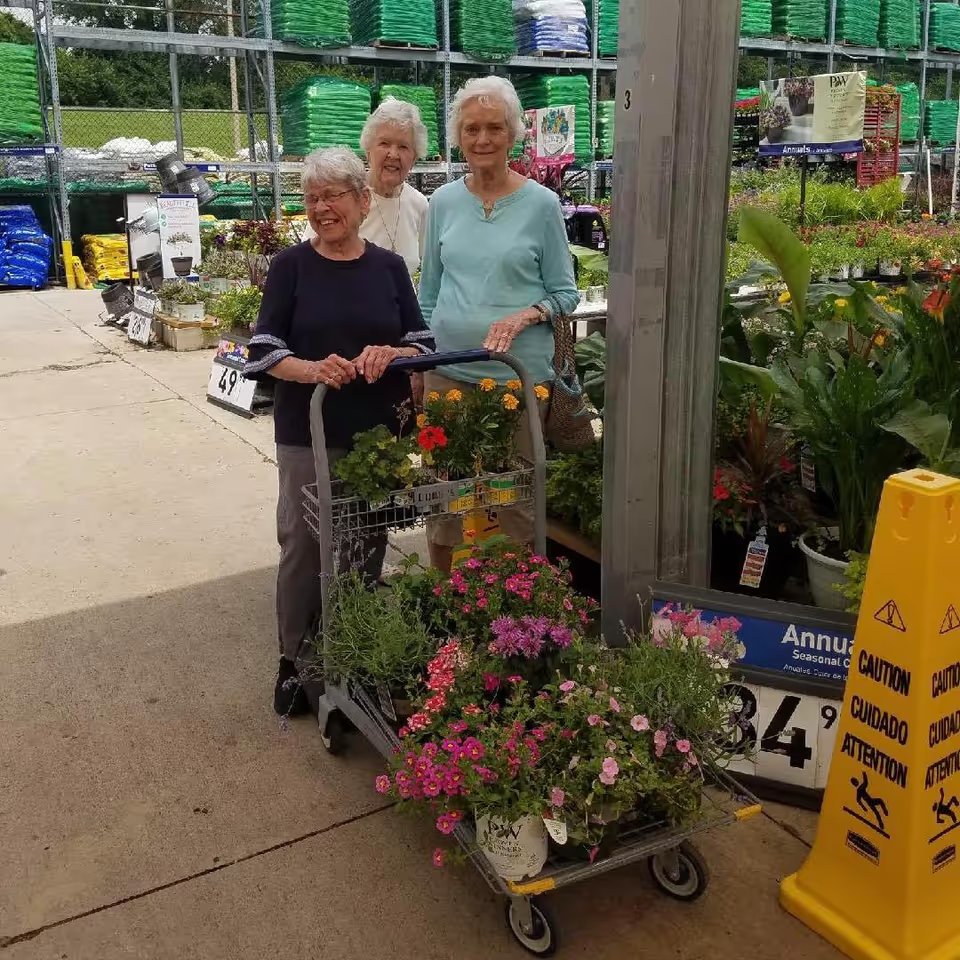
Activities and social life: The activity program is robust and varied, with on‑campus programming (holiday events, music, lectures, visiting church groups, animal visits) and frequent outings to local restaurants and entertainment. Reviewers point to a capable activities director, purposeful scaling of activities for residents’ abilities, and many family‑friendly events. This area is consistently described as promoting socialization and resident engagement.
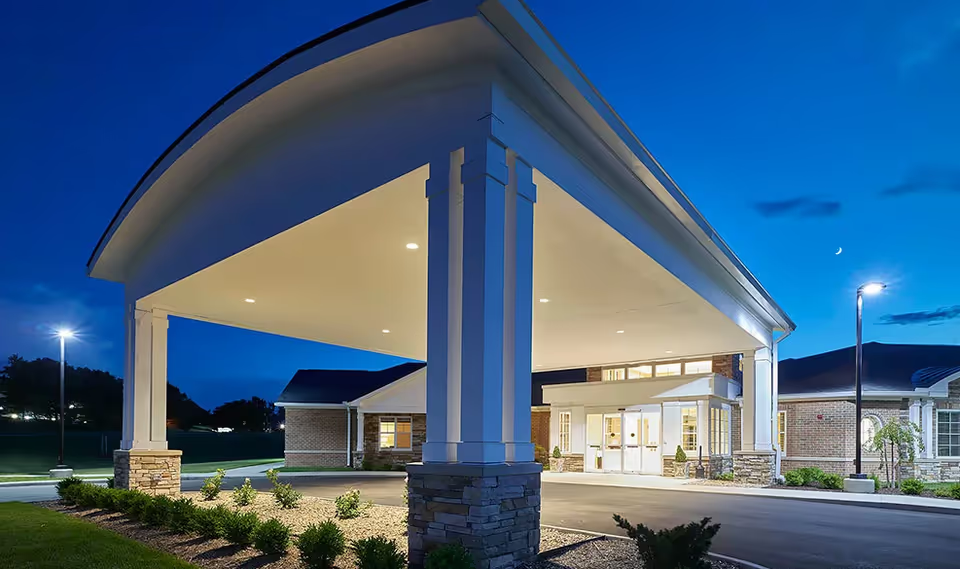
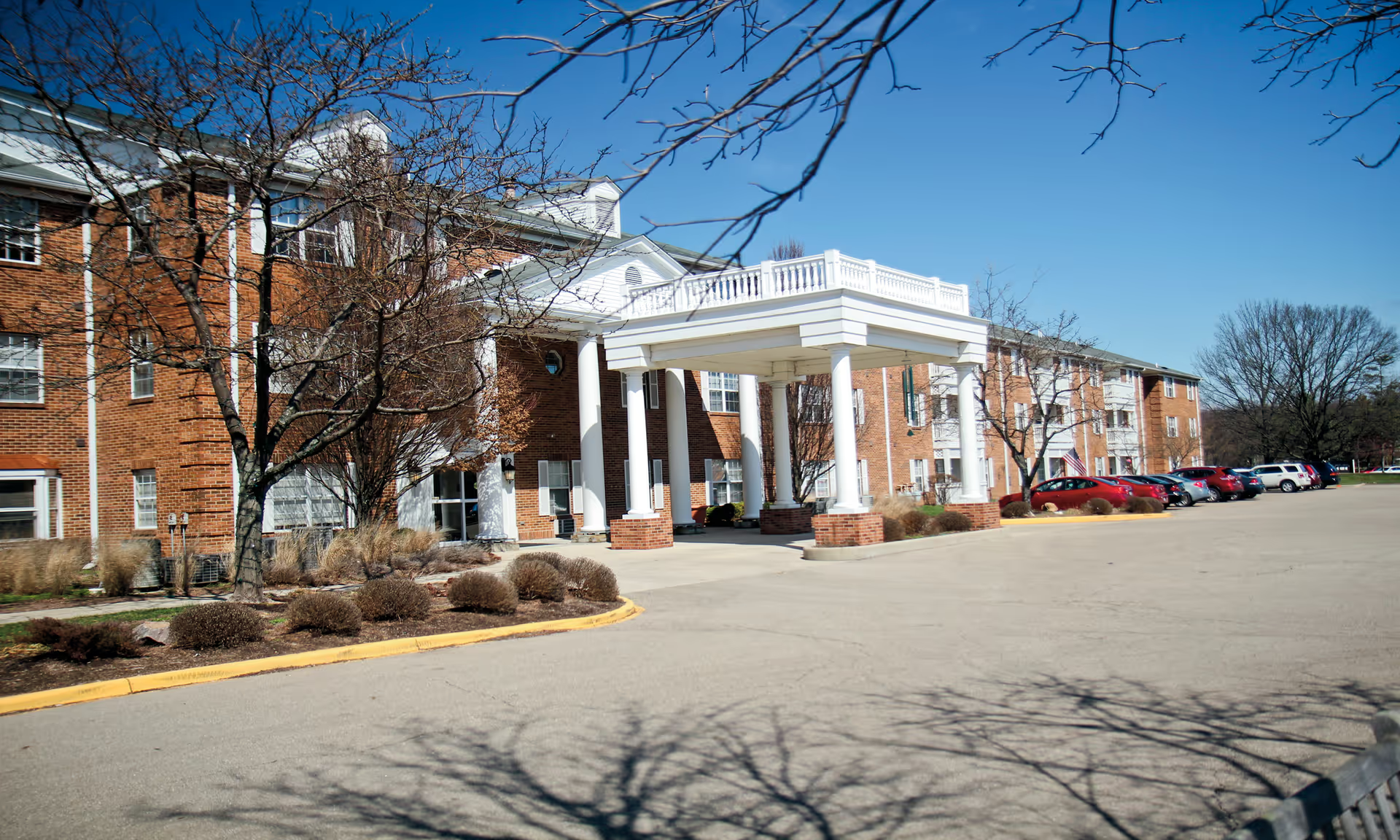
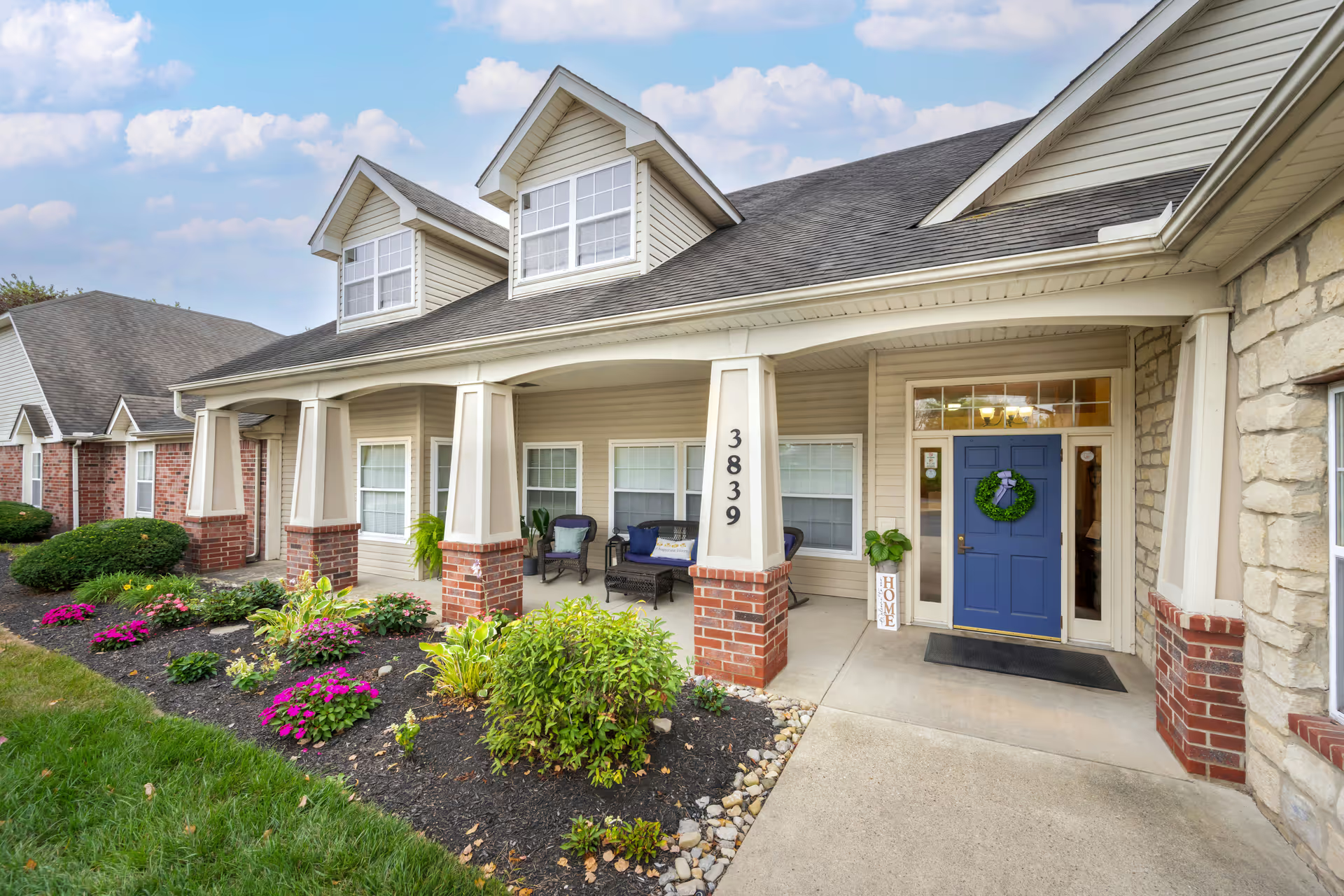
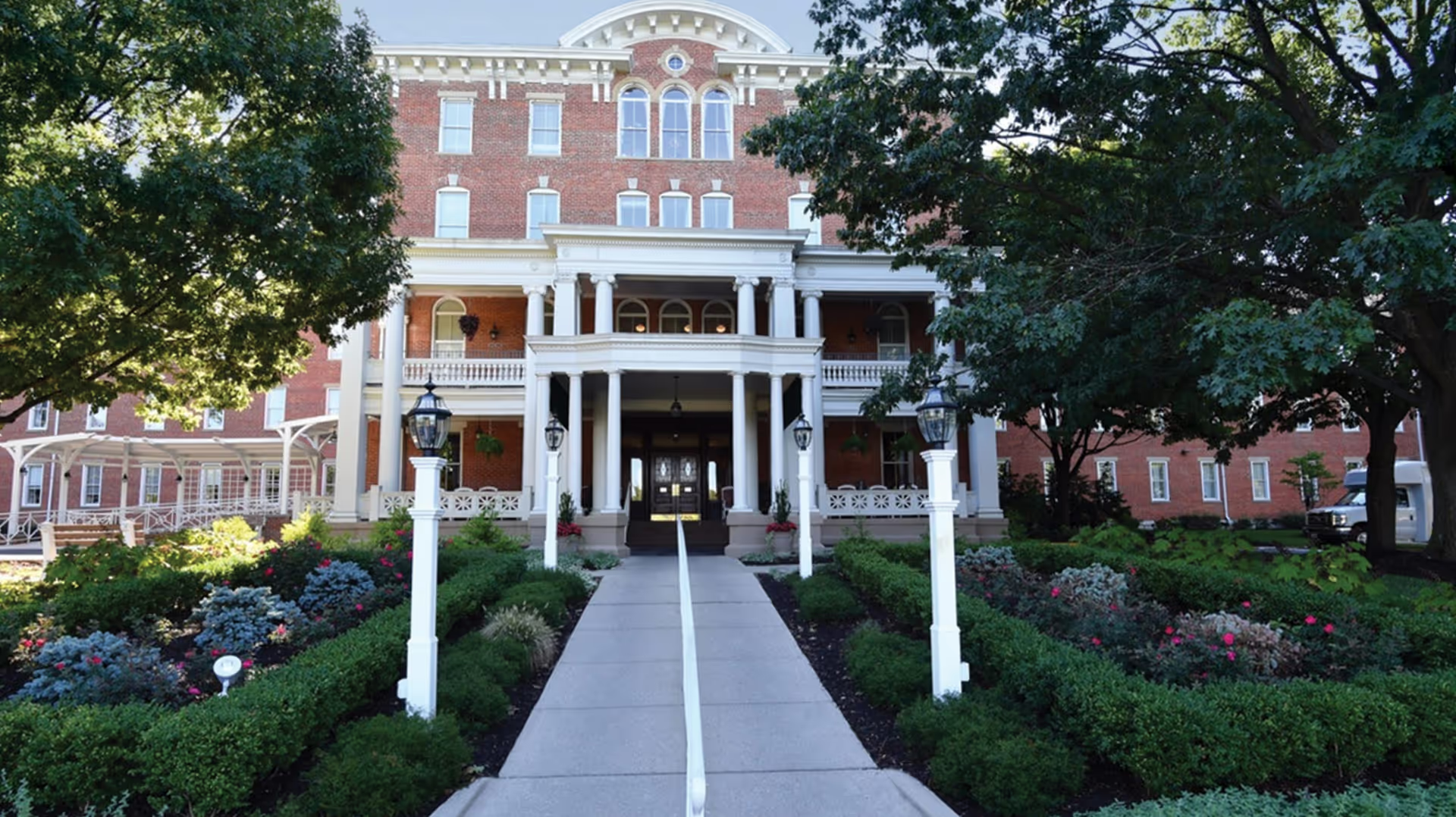
Facilities and safety: Common areas, dining spaces, and some resident rooms are described as modern, bright and hotel‑like; outdoor patios and accessible grounds are valued. Nevertheless, multiple reviews identify facility‑level physical issues: smaller or older resident rooms, worn carpets or flooring that raise fall‑safety considerations, limited natural light in some rooms, and bolted or difficult windows. There are occasional comments about wayfinding in the larger building footprint. A small number of accounts raise sanitation or pest‑control concerns in isolated instances; these appear to be exceptions rather than the dominant experience but warrant operational attention.
Management and notable patterns: Many families praised effective transition support, compassionate leadership, and long‑term staff members who provide continuity. Conversely, ownership or management changes were mentioned as sources of unease for some families, and concerns about affordability (including medication‑management cost) were frequent. The strongest operational themes to address are staffing and training consistency, responsiveness and clinical follow‑up processes, and variability in resident‑room condition and meal execution. Prospective residents and families should weigh the facility’s clear strengths in dining, activities and engaged staff against these operational caveats, and consider an in‑person tour that inspects room size/lighting, flooring, staff response times, and asks specific questions about staffing levels, training, medication charges, and recent management changes.