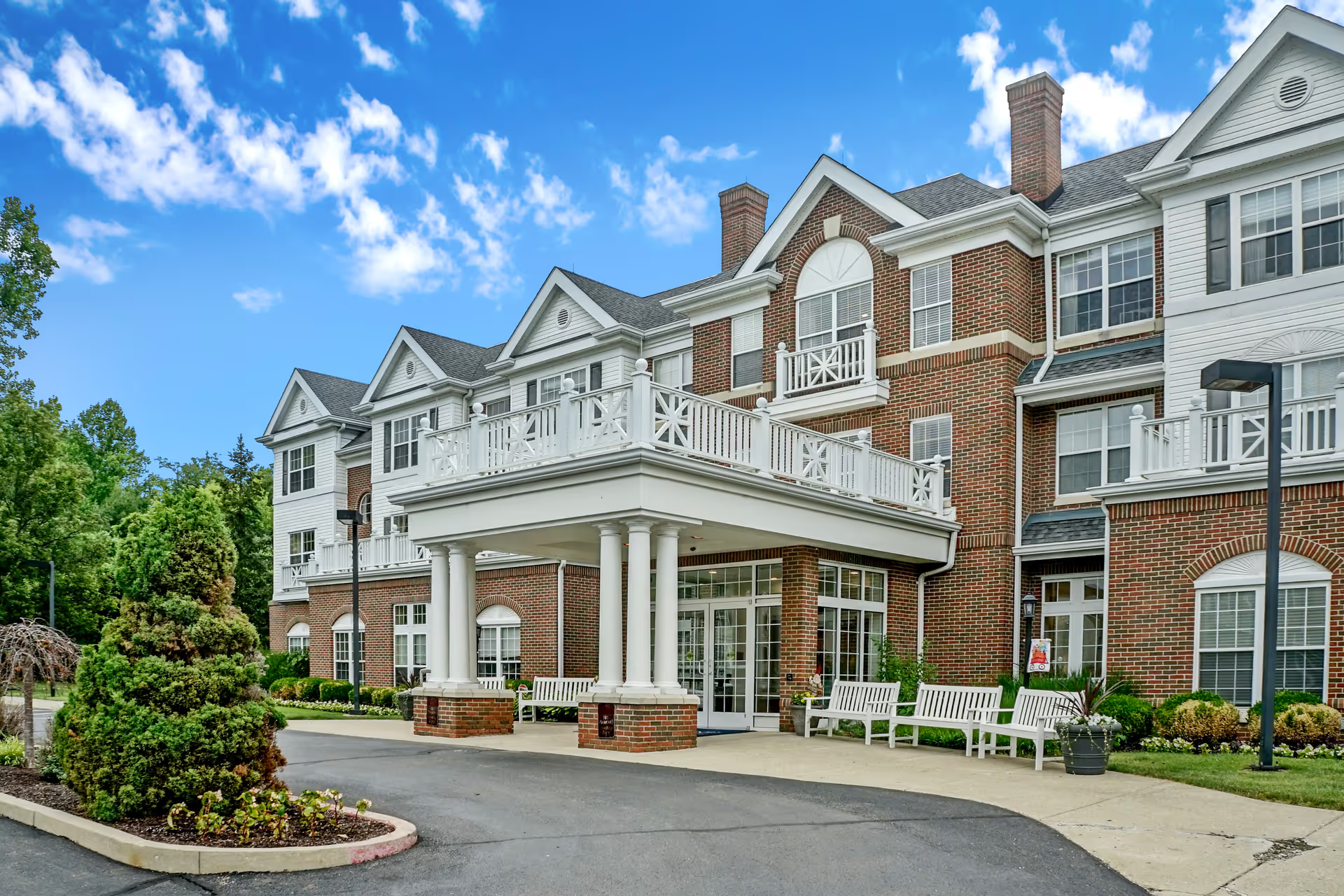
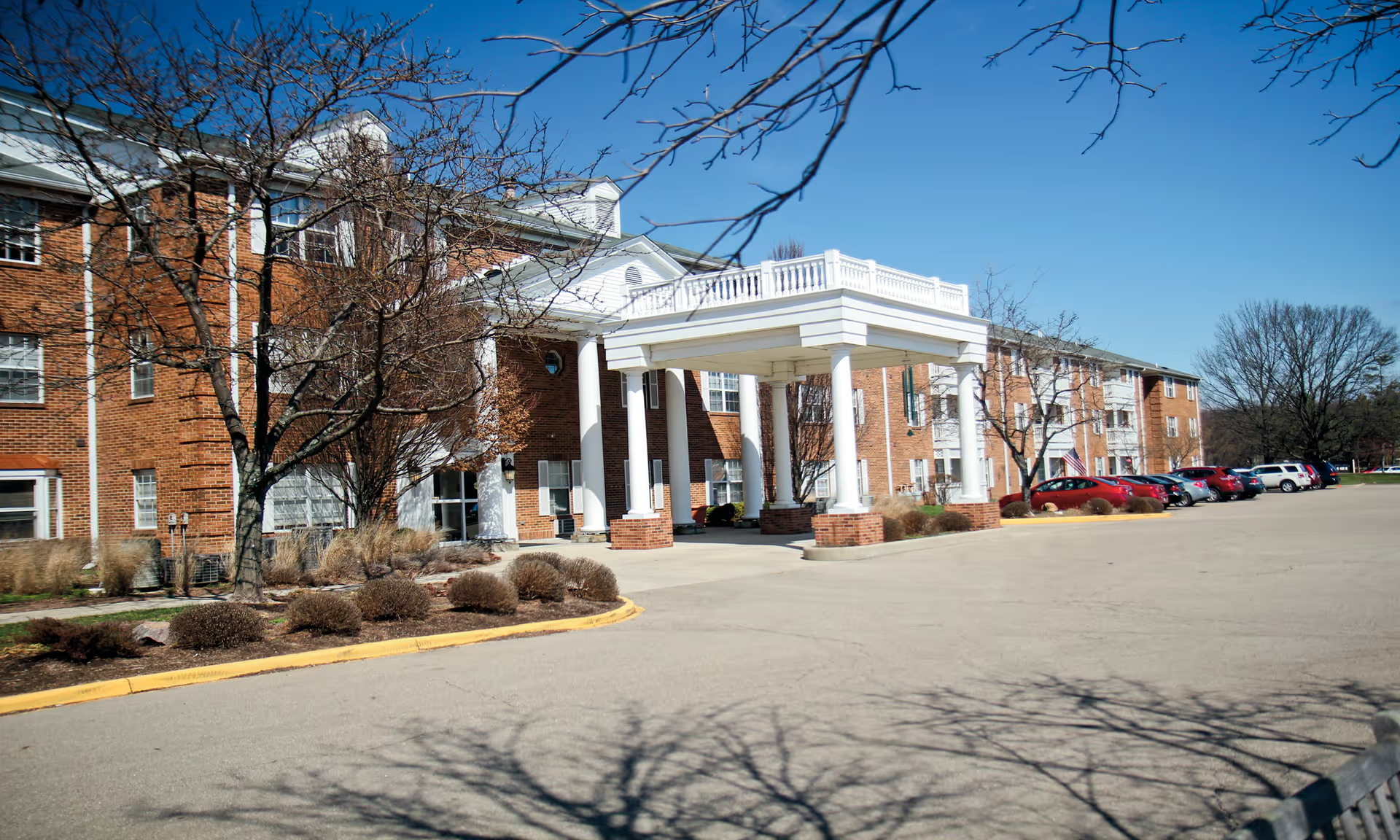
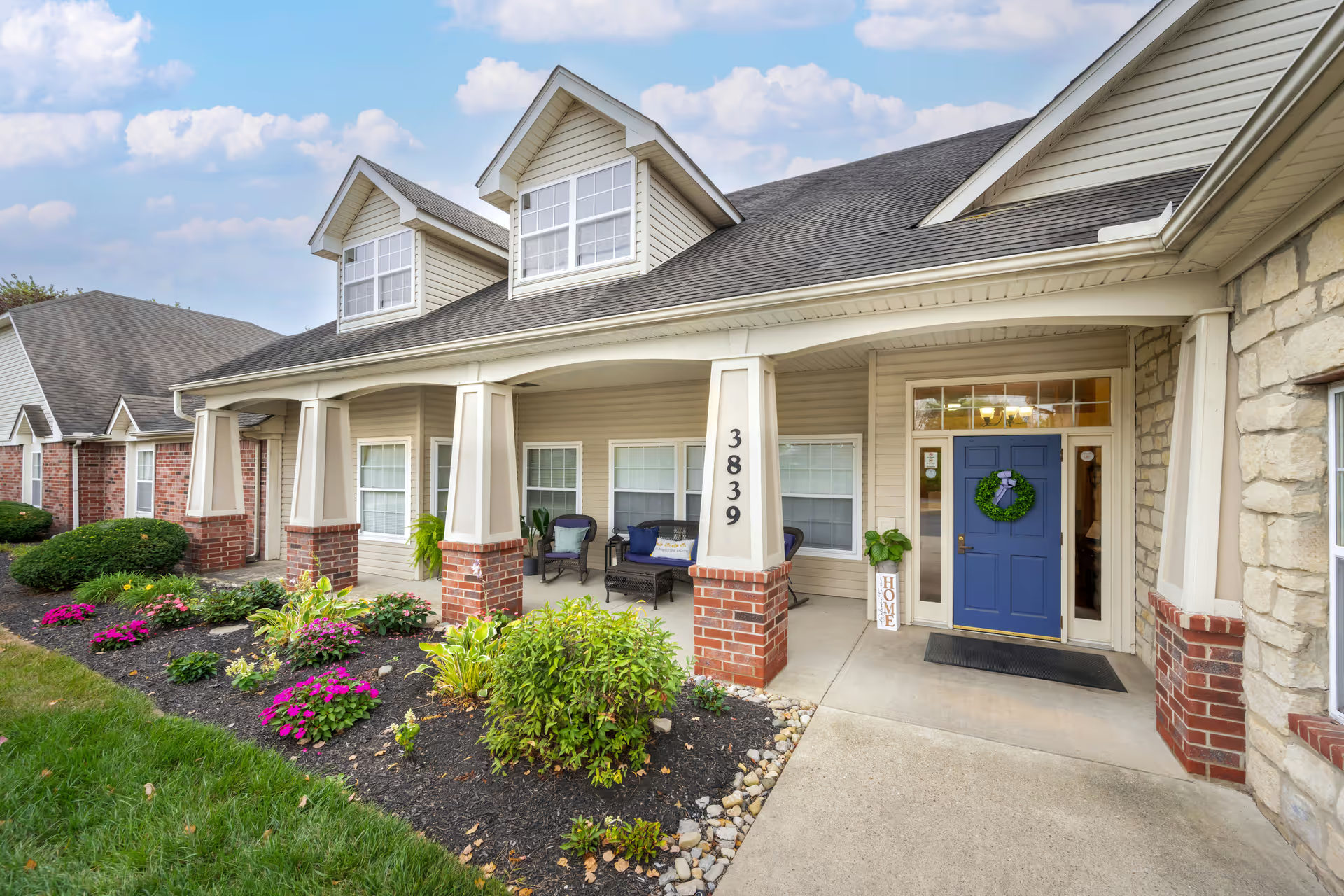
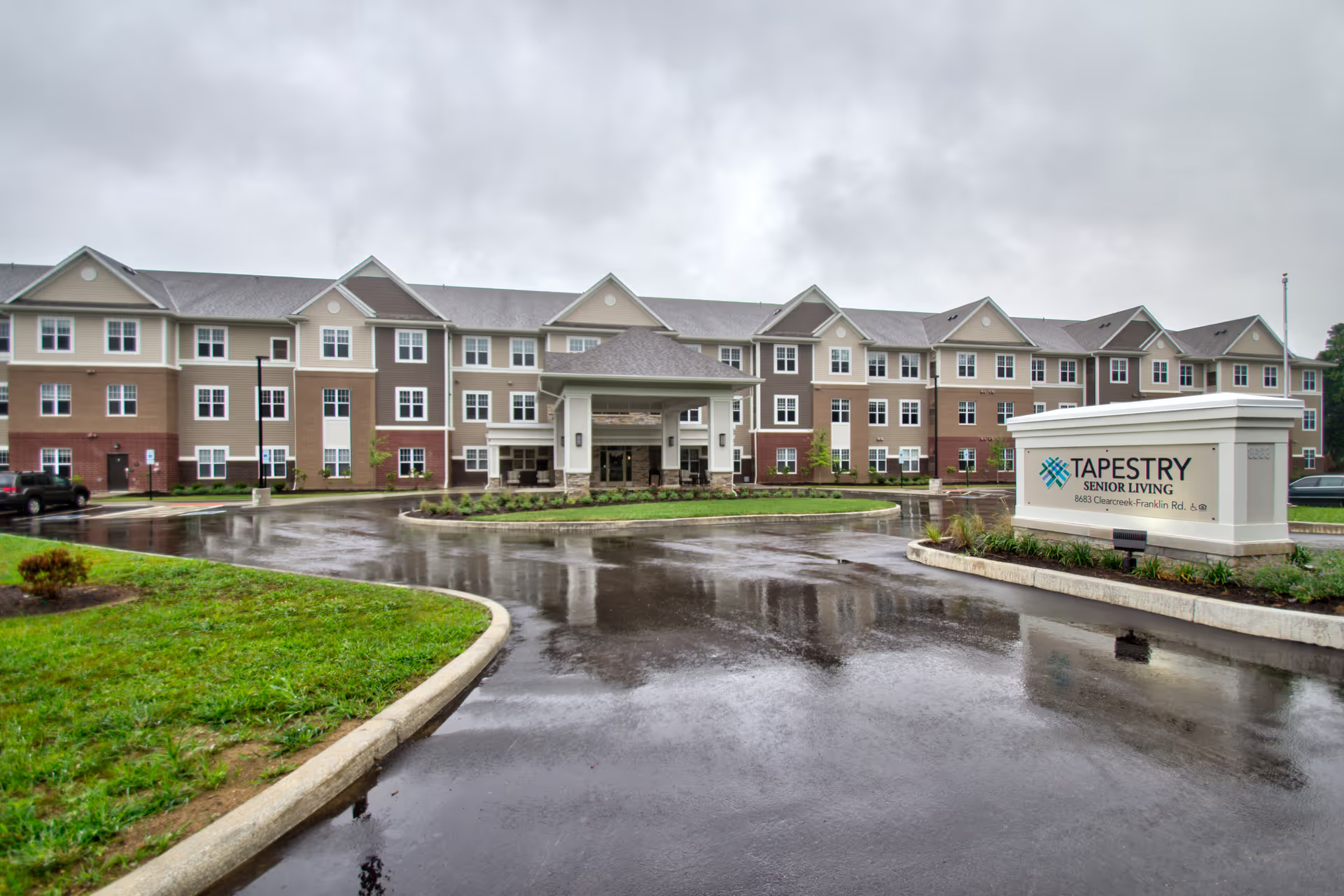
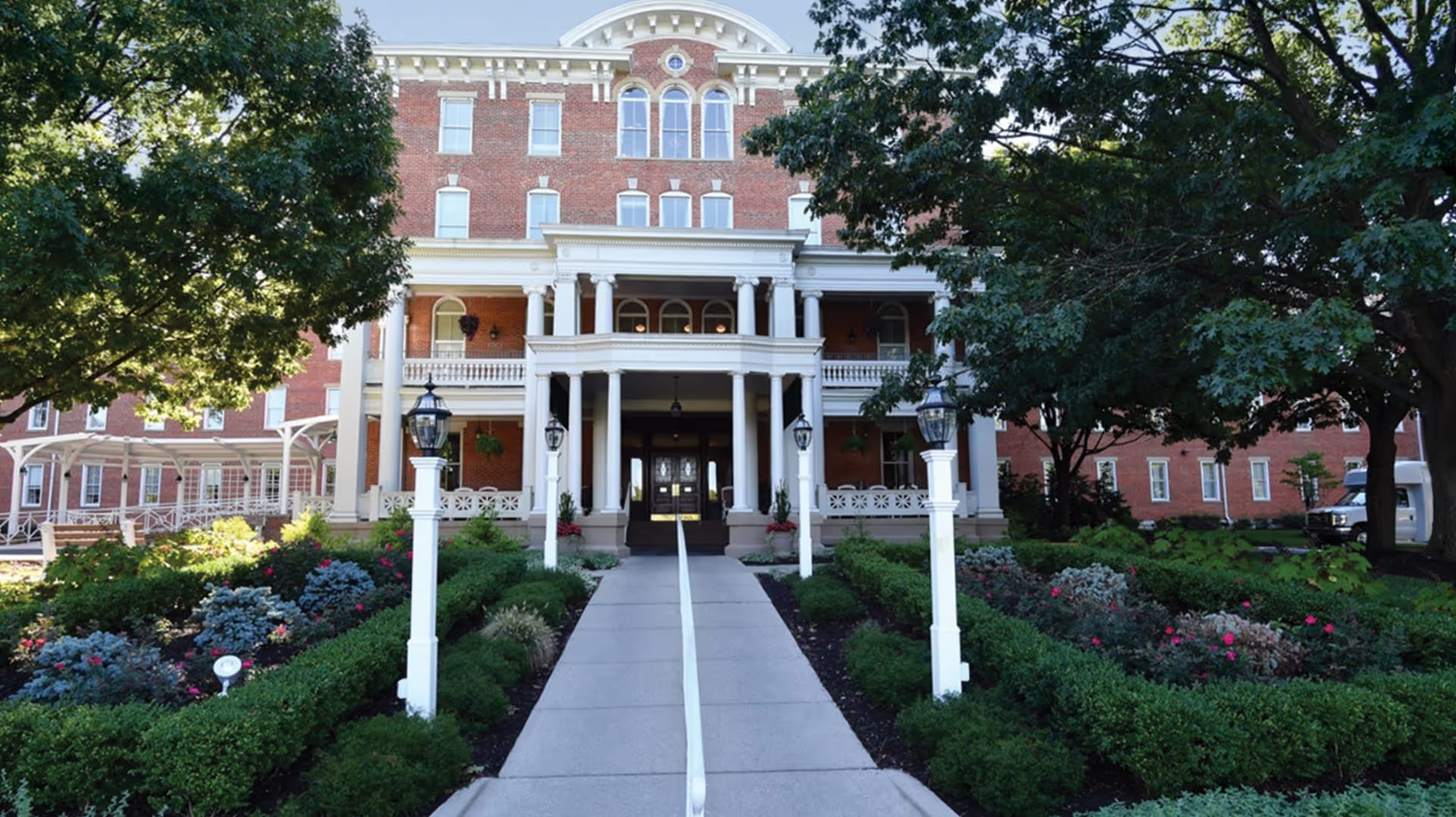
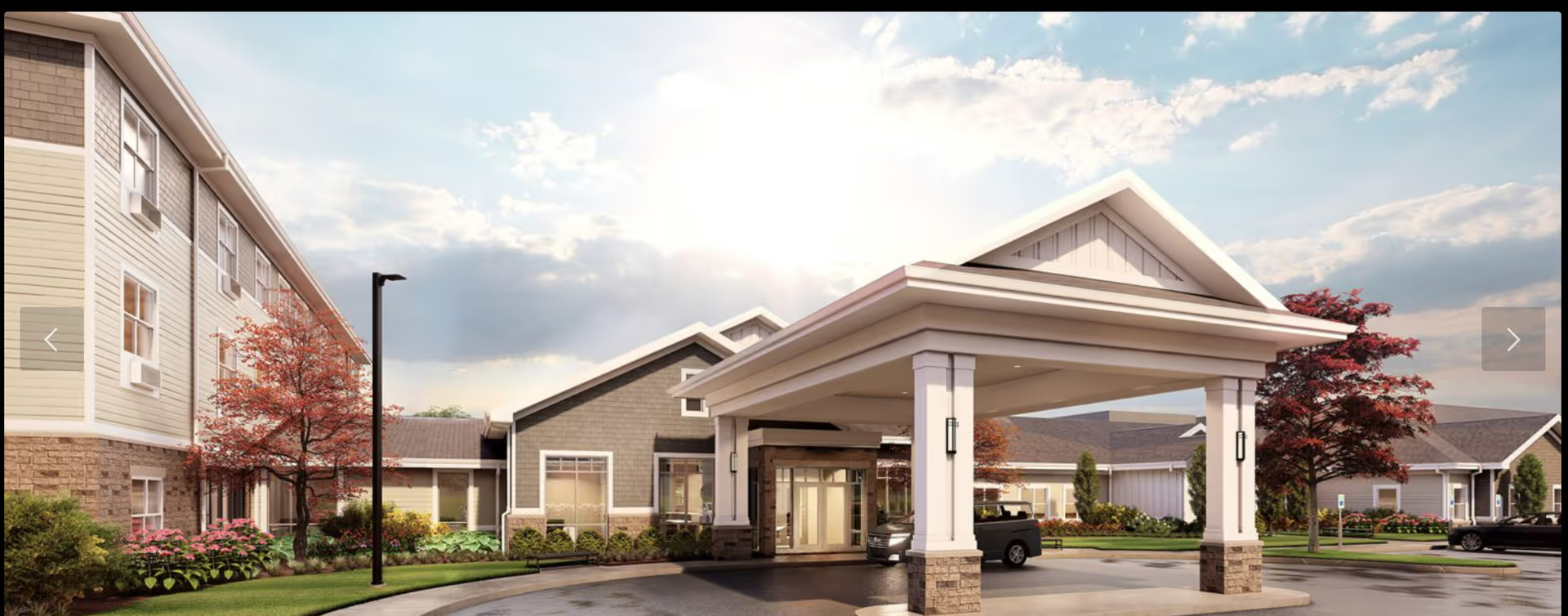
Kauhale Centerville elicits strongly polarized impressions: many families describe a warm, activity-rich community with chef-driven dining and staff who form close, personalized relationships with residents; others raise substantive operational and clinical concerns. Across positive accounts there is consistent praise for memory-care programming, a busy activity calendar (including parties, outings, weekly live entertainment and special events), and dining led by a chef who tailors meals to preferences. The building and grounds are frequently described as attractive and well maintained, with a secure central courtyard and bright common areas that support social interaction.
Care quality and staffing present a mixed picture. Numerous families highlight compassionate caregivers, effective nursing coordination, personalized care plans, and successful transitions from rehab to assisted-living supports. At the same time, a pattern of variability emerges: staffing levels and clinical coverage are uneven at times, overnight monitoring and response times have been noted as inconsistent, and some families describe delays in attending to residents’ needs. Several accounts point to gaps in training for managing unpredictable dementia-related behavior and for working with residents who have hearing or visual impairments. There are also specific, serious allegations in a small number of accounts (including privacy concerns, medication-practice questions, and property-handling issues) that increase perceived risk and should be explored by prospective families and regulators as appropriate.
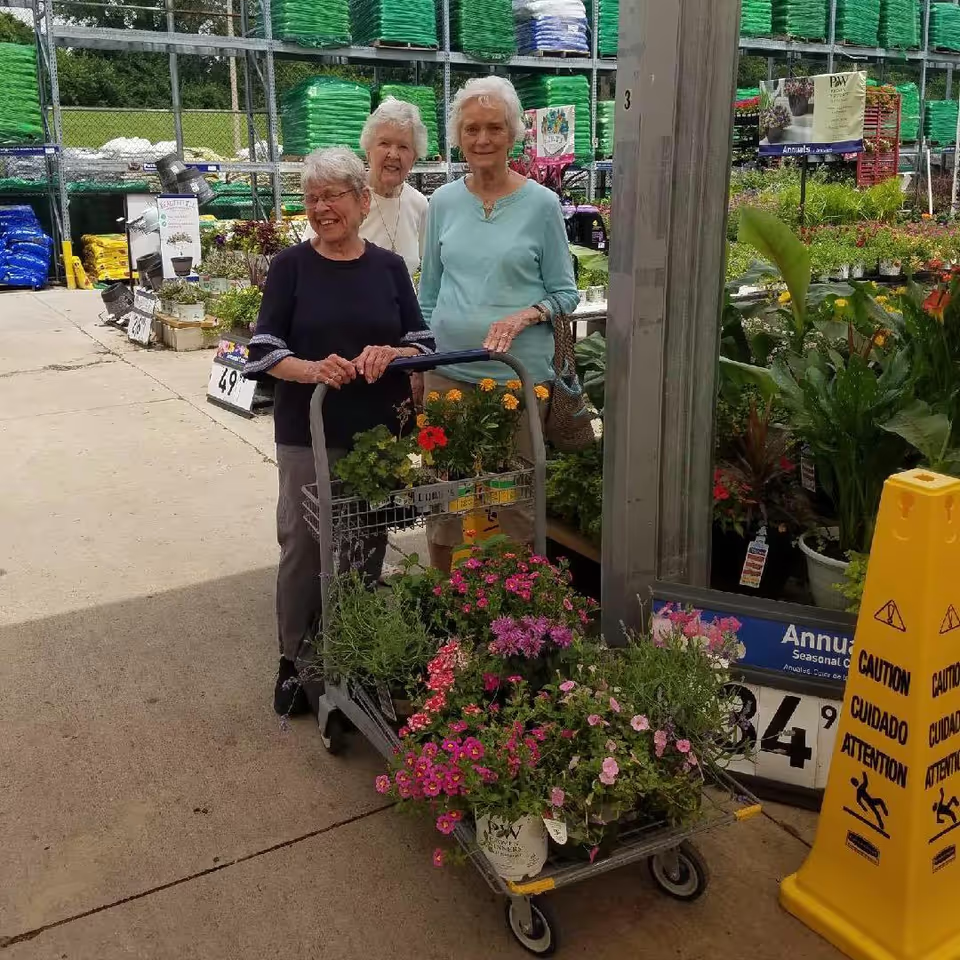
Dining and activities are clear strengths for many residents. The community’s dining program is often characterized as restaurant-quality with menu flexibility and staff who go out of their way for resident preferences and family presence. The activities department is frequently highlighted for variety and energy — crafts, outings, games, special-theme events, and recurring entertainment. However, engagement is not uniformly experienced: some residents are highly active while others have had limited participation, and activity access for less-mobile individuals has been described as uneven.
Facilities and management show similar contrasts. The overall environment is described as clean, bright, and hotel-like by many, and administrative staff are commended for making move-ins smooth and for facilitating family communication. Conversely, there are operational weaknesses such as inconsistent laundry and personal-property management, billing and front-desk responsiveness issues, and limited weekend religious-service options. The building’s circular, large footprint is attractive but may present wayfinding and privacy challenges for some families and residents.
Notable patterns for prospective families: the community excels in social programming, dining, and staff who form affectionate relationships with residents, but operational reliability can vary depending on staffing levels and specific team members on duty. When evaluating Kauhale Centerville, families may wish to verify current staffing ratios and clinical coverage (including overnight nursing), ask about staff training in dementia and sensory impairments, review medication oversight procedures and property-inventory practices, and observe evening and weekend operations. This mixed-but-often-positive profile suggests the facility can offer an engaging, compassionate environment for many residents while also presenting areas that merit careful inquiry for families with higher clinical or safety needs.