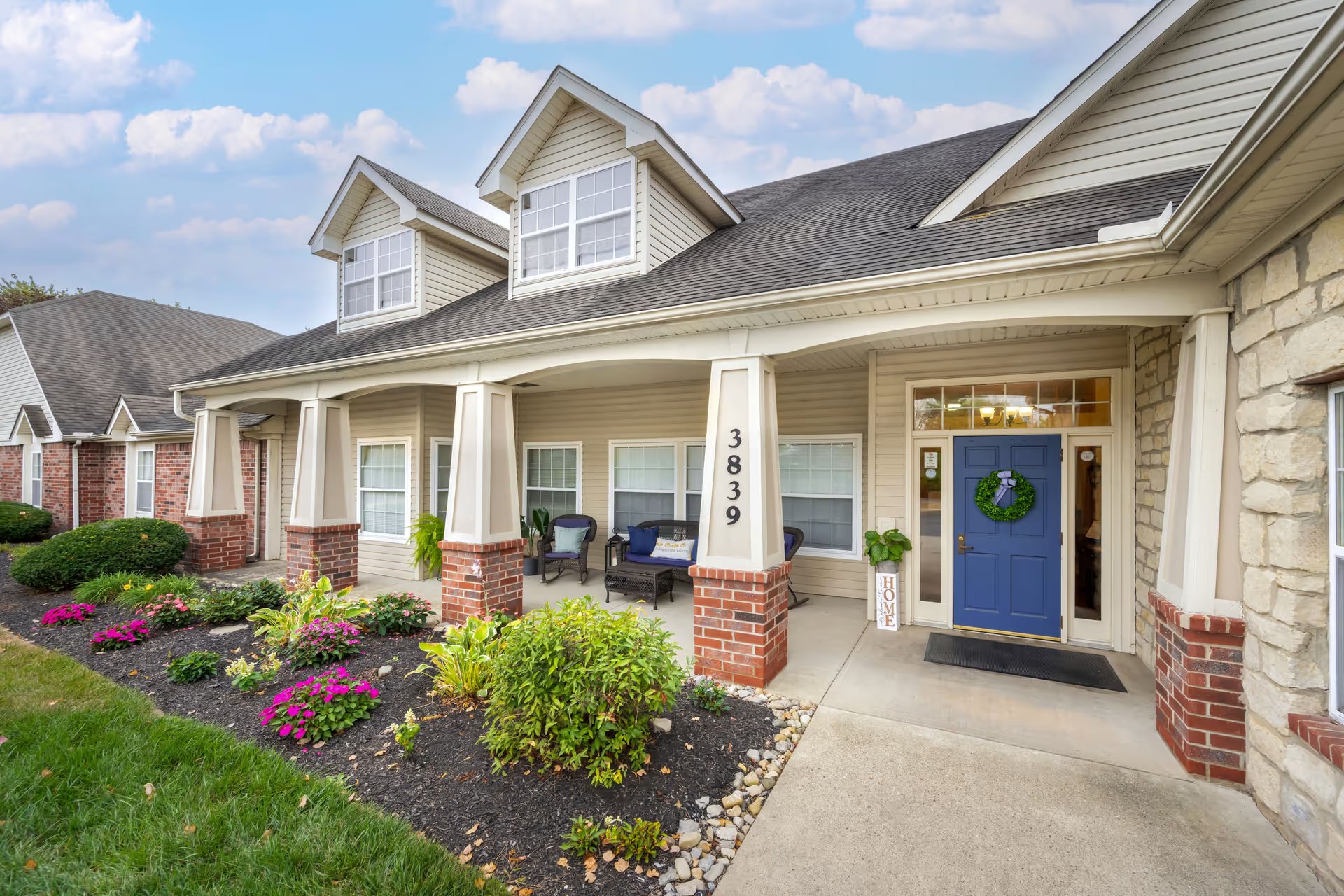
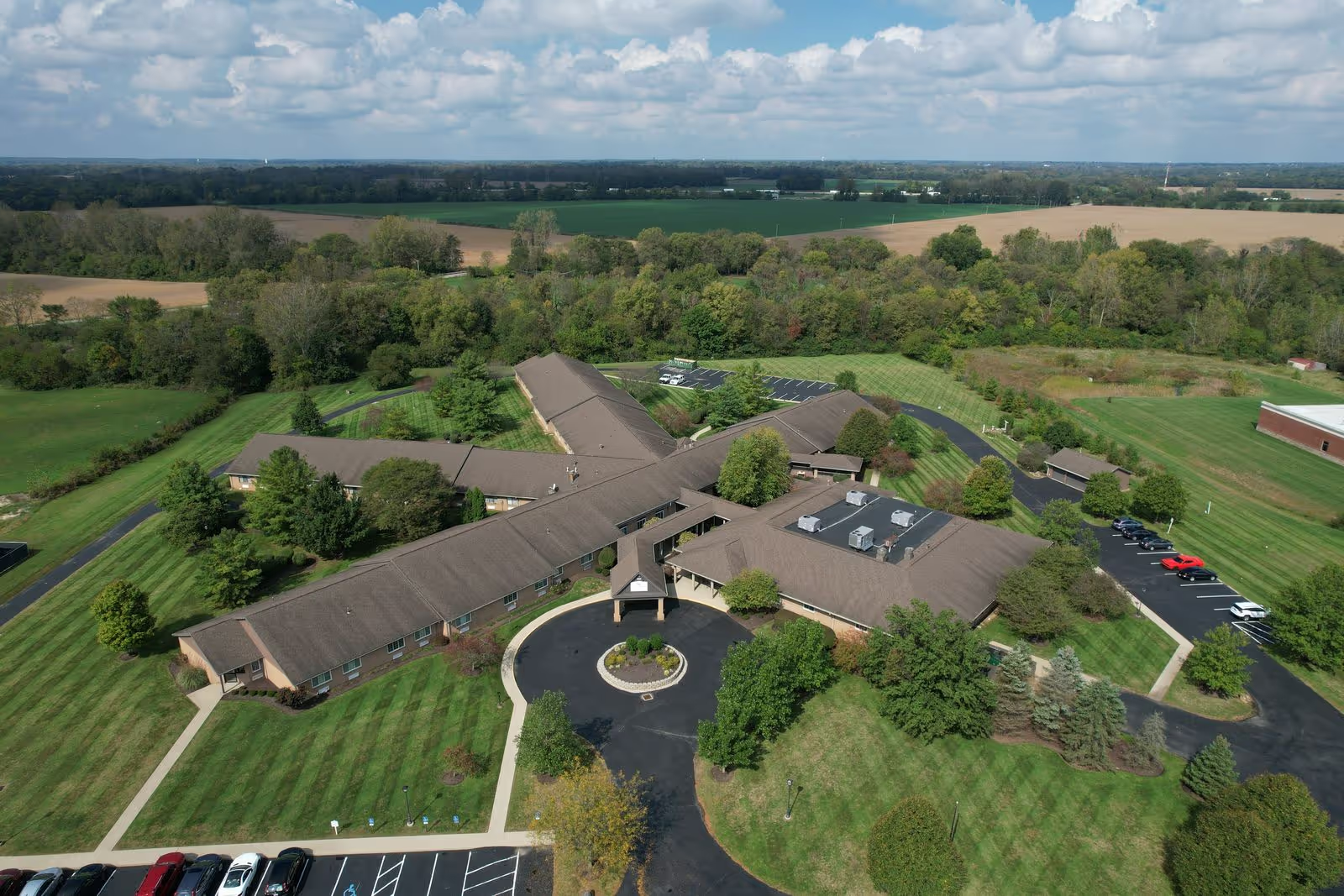
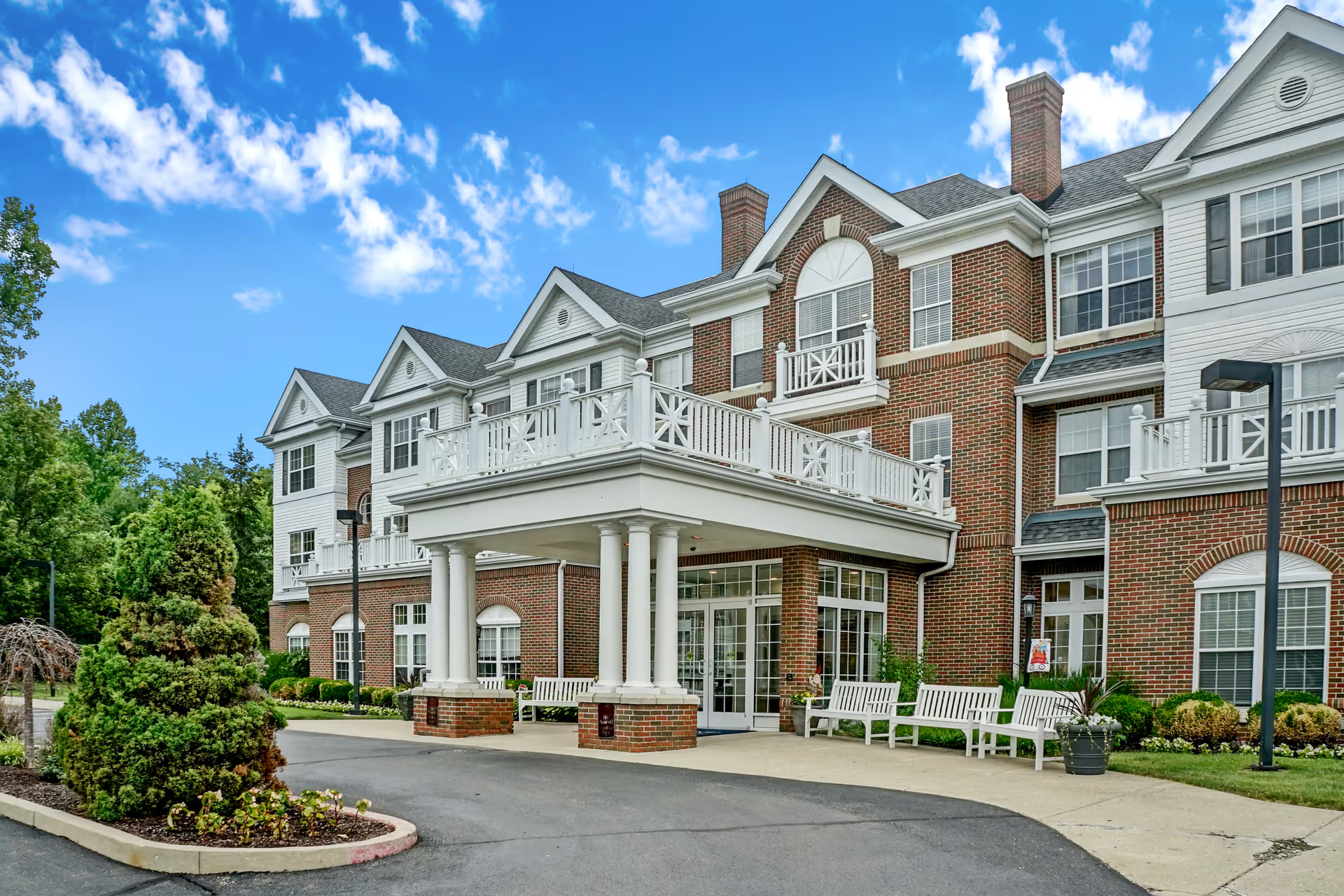
The Ashford of Beavercreek is described overall as a modern, newly constructed community with a well‑appointed interior and private apartment units. Many accounts emphasize the facility’s cleanliness, contemporary finishes, accessible layout (handrails), and included amenities and utilities. Several families highlight a warm, community‑oriented atmosphere driven by an active activities program, an engaged activity director, and communal dining spaces that support social interaction and friend‑making. Hospice coordination and supportive end‑of‑life care were noted as strengths in some cases.
Care quality and staffing perceptions are mixed. Numerous reviewers praise individual caregivers, nurses, and aides for being compassionate, respectful, and responsive; some families report prompt corrections to issues and improved response times following a management change. However, there are consistent operational concerns: inconsistent clinical oversight and medication management (including delayed or incorrect medication administration), high staff turnover that affects continuity of care, and delays in responding to nurse‑call requests and family care requests. In the memory‑care area specifically, reviewers raised concerns about supervision levels and consistency of routine personal care; sanitation concerns in some care areas were also mentioned. There are also accounts indicating weaknesses in laundry and property handling.
Dining and activities are generally viewed positively for fostering engagement and socialization, and some residents enjoy the meals and communal dining. That said, meal quality appears variable across reports and some families describe meals that did not meet expectations. The community offers limited in‑unit kitchen amenities (microwave and refrigerator only), which may be a consideration for those who expect full kitchen facilities.
Management and patterns over time: multiple comments point to an early period of leadership and staffing instability followed by improvements after leadership change; families who toured more recently often described better staffing and responsiveness. Persistent themes to investigate during a visit include staffing continuity and ratios, medication‑administration protocols, memory‑care supervision practices and sanitation procedures, laundry/property controls, dining samples and menu consistency, and the specifics of contract terms and pricing (noting the facility’s premium cost structure and available early‑sign incentives).
For prospective residents and families, the Ashford presents strong physical attributes, an active social program, and many praised caregivers, but also operational risks that warrant direct questions and observation during a tour. Asking for recent staffing metrics, examples of clinical oversight and medication‑error prevention, memory‑care staffing plans, incident/complaint resolution procedures, and a dining trial will help evaluate whether the facility’s strengths align with an individual’s care needs and expectations.