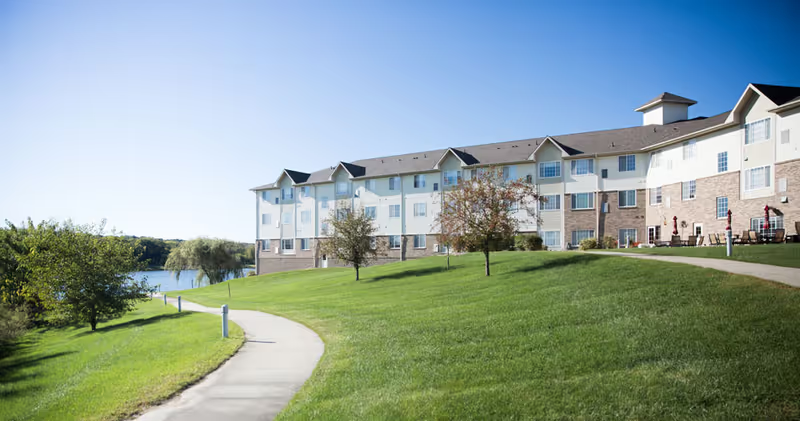
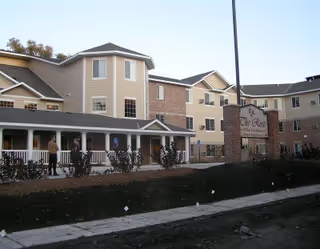
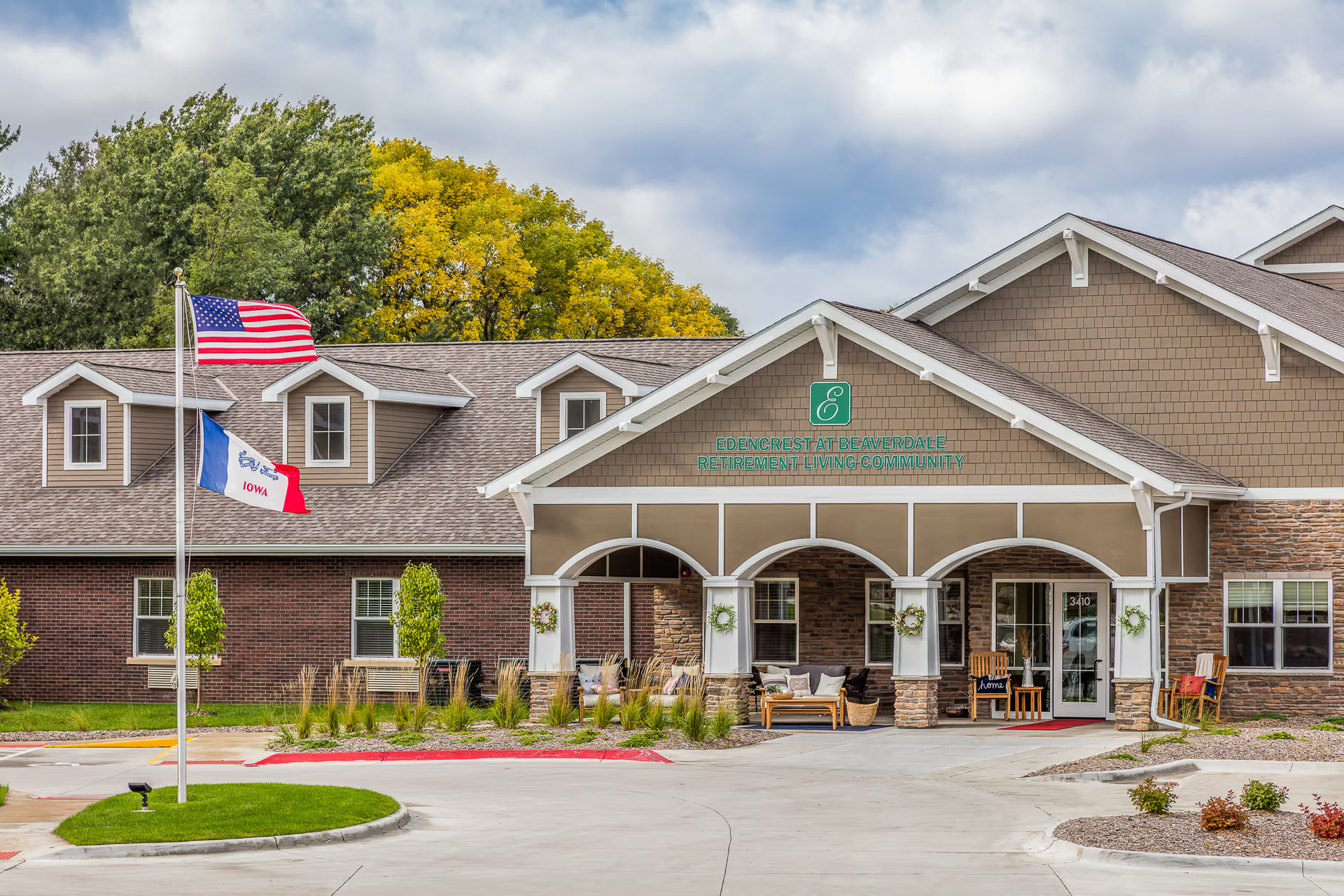
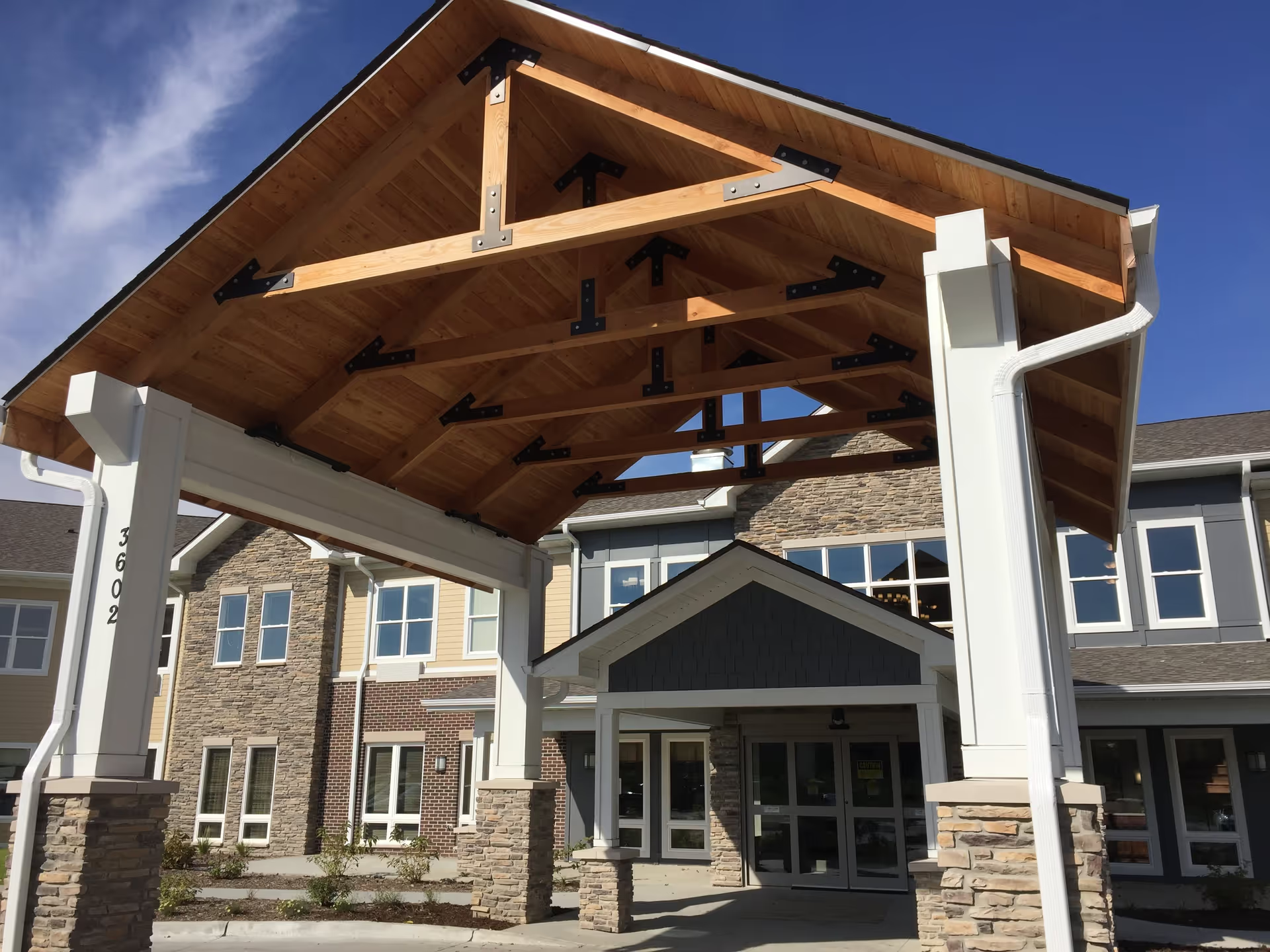
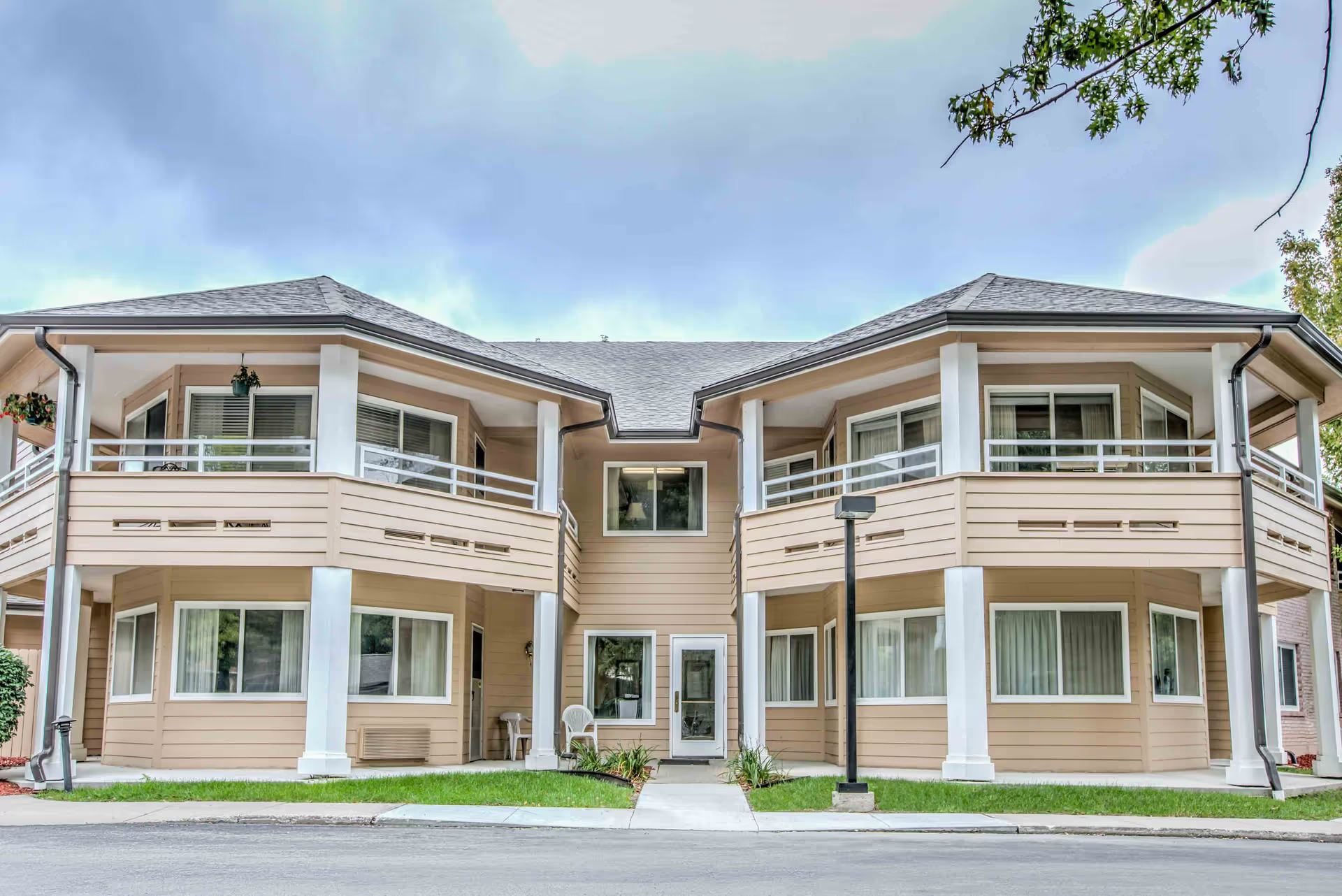
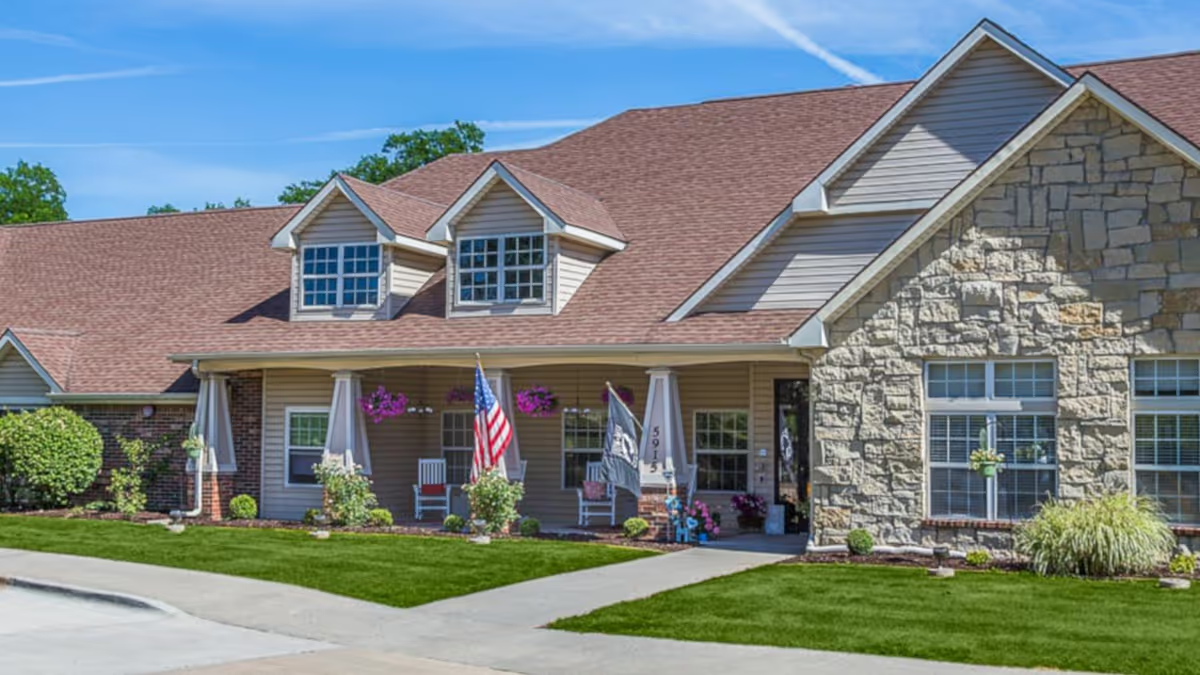
Edencrest at the Tuscany elicits strongly mixed but specific impressions. Many families and residents praise the facility’s physical environment and community life: the building is frequently described as attractive, bright, and well maintained, with roomy apartment layouts, balconies, accessible kitchens, and in-unit laundry that support independence. Common areas are noted as clean and tastefully presented, and the campus layout appears to facilitate social interaction and outings.
Care and staff performance are key drivers of the positive sentiment. A substantial portion of comments highlight compassionate, resident-centered caregivers, an organized community-relations team that eases move-in, and responsive clinical staff with timely emergency responses. Individual staff members are frequently named as exemplary, and the community is often described as welcoming, with active programming and a variety of activities and outings that residents enjoy.
However, recurring operational concerns temper the overall picture. Communication with families is inconsistent in frequency and clarity, and reviewers describe managerial turnover and perceived instability in upper management. Staffing variability—particularly on weekends or when contract staff are used—along with occasional staffing shortages, is reported to produce service delays and uneven care continuity. Memory-care services receive mixed assessments: some praise the memory-care staff, while others express doubts about staff training and the unit’s overall suitability for residents with advanced cognitive needs.
Clinical and operational risks flagged in the reviews include gaps in medication-management processes and documentation, which have contributed to family anxiety in isolated cases. Housekeeping and maintenance follow-through are inconsistent across reports: some describe immaculate conditions, while others point to lapses that affect perceptions of sanitation and upkeep. Families also note practical operational issues such as mail-processing inefficiencies, a confusing phone system, and key-fob/access-control usability problems. Cost and payer limitations are relevant for some families—Edencrest at the Tuscany is not Medicaid-approved, and there are allegations concerning billing practices after a resident’s death that merit direct inquiry.
Dining impressions are variable: several reviewers commend meal variety and accommodating staff, while others cite declines in food quality related to chef turnover. Activity offerings are a consistent strength, with frequent outings, events, and an energized atmosphere noted by many residents. Management-related themes are bifurcated—some families report proactive, organized leadership and smooth transitions, while others describe poor responsiveness and supervisory gaps; this suggests uneven managerial performance over time or between teams.
For prospective residents and families, the facility’s strengths are its physical environment, active programming, and many committed frontline staff. Important areas to investigate on a tour and in follow-up conversations include current staffing levels and weekend/agency staffing practices, memory-care training and protocols, medication-administration and documentation procedures, housekeeping and maintenance schedules, billing policies (including end-of-life billing practices), and technology/access systems such as phone routing and key-fob operations. Asking to speak with current family members or to review recent state inspection summaries and staffing ratios will help clarify how consistently the facility delivers on its strengths and addresses the operational concerns noted above.