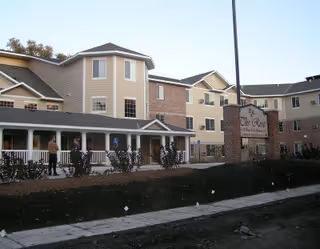
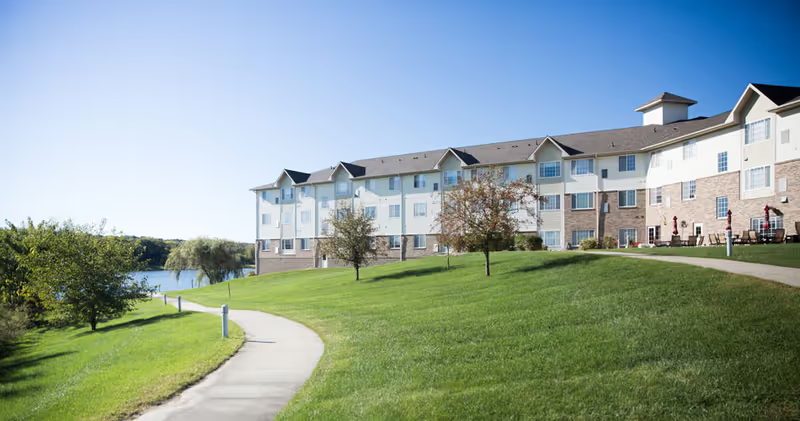
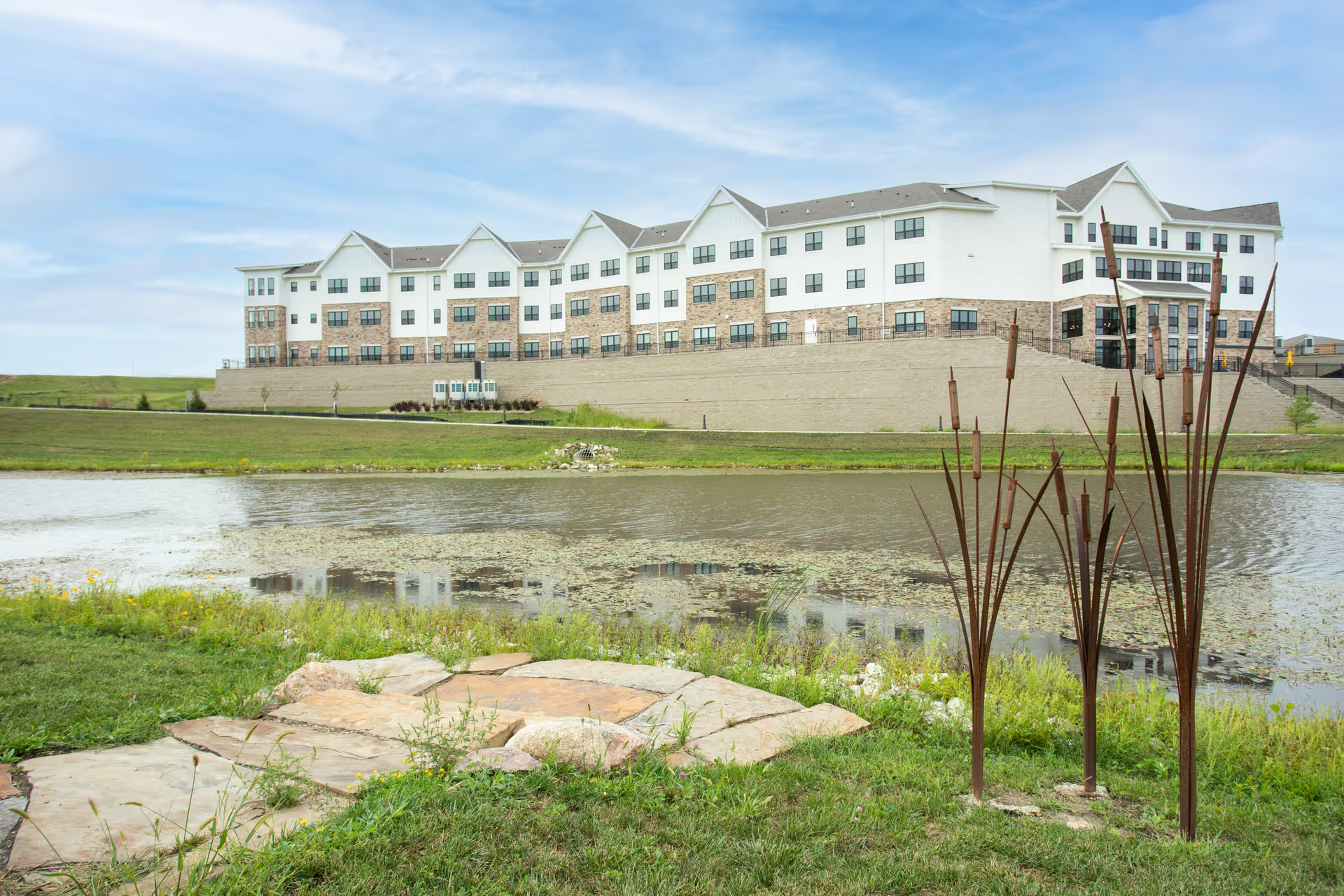
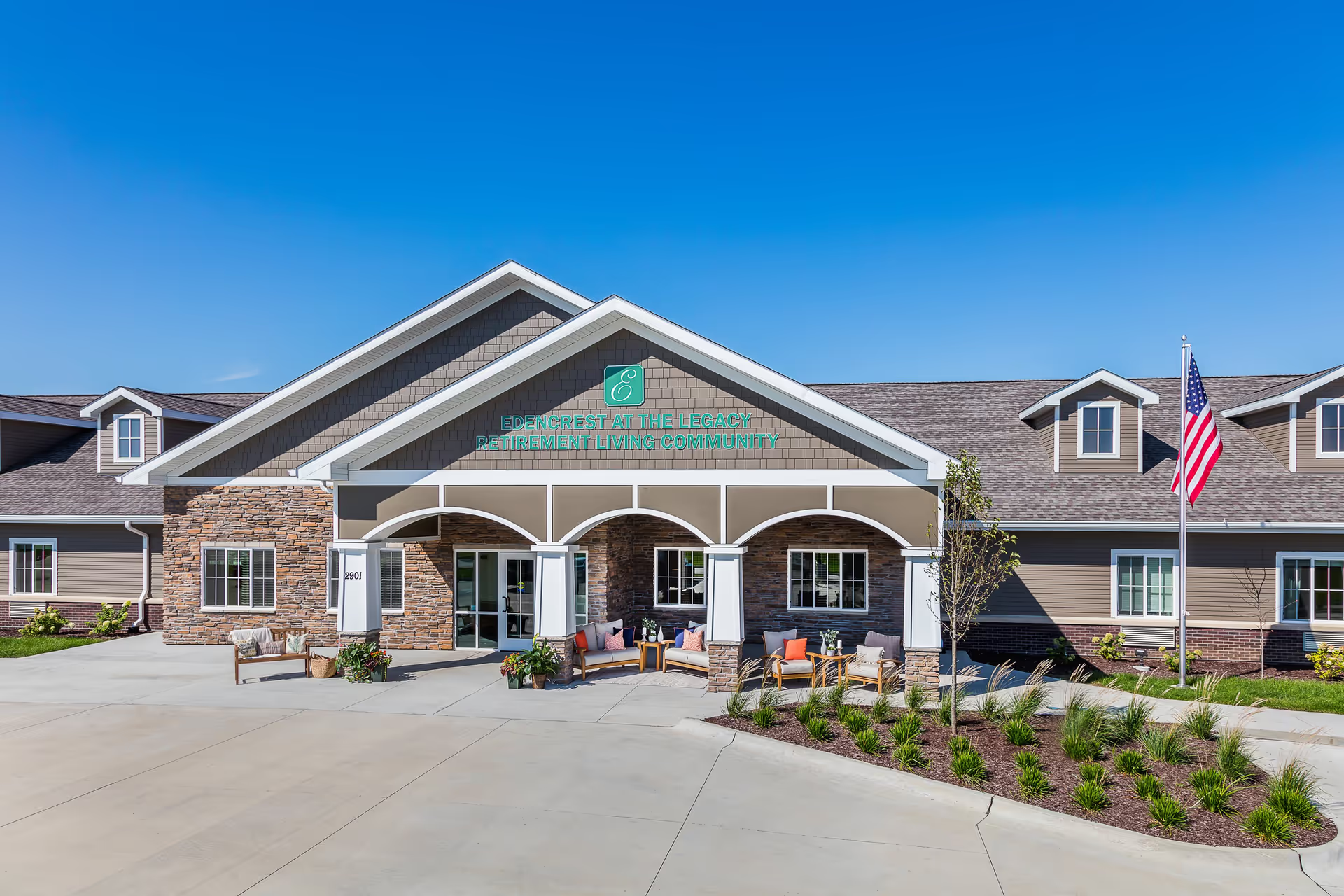
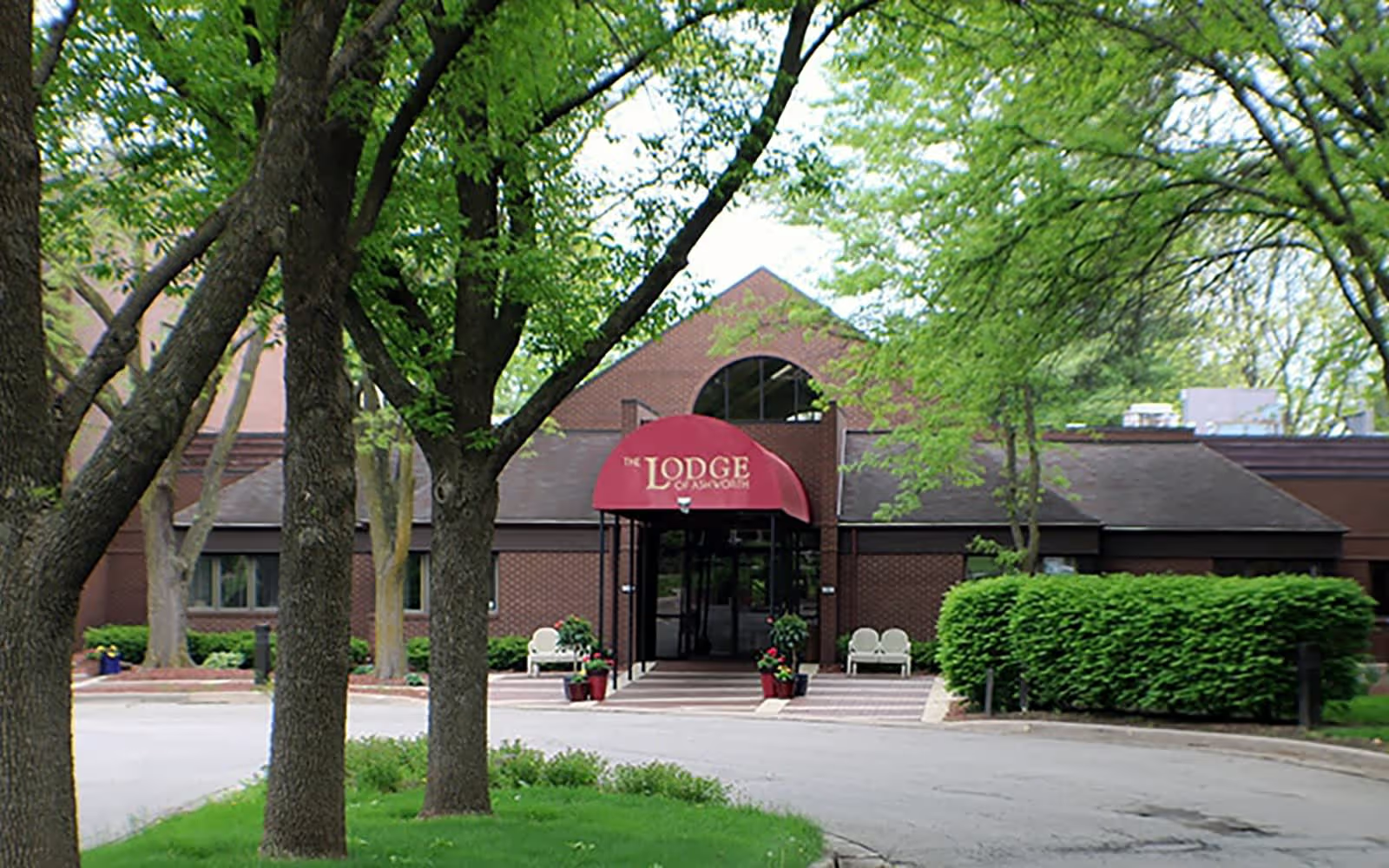
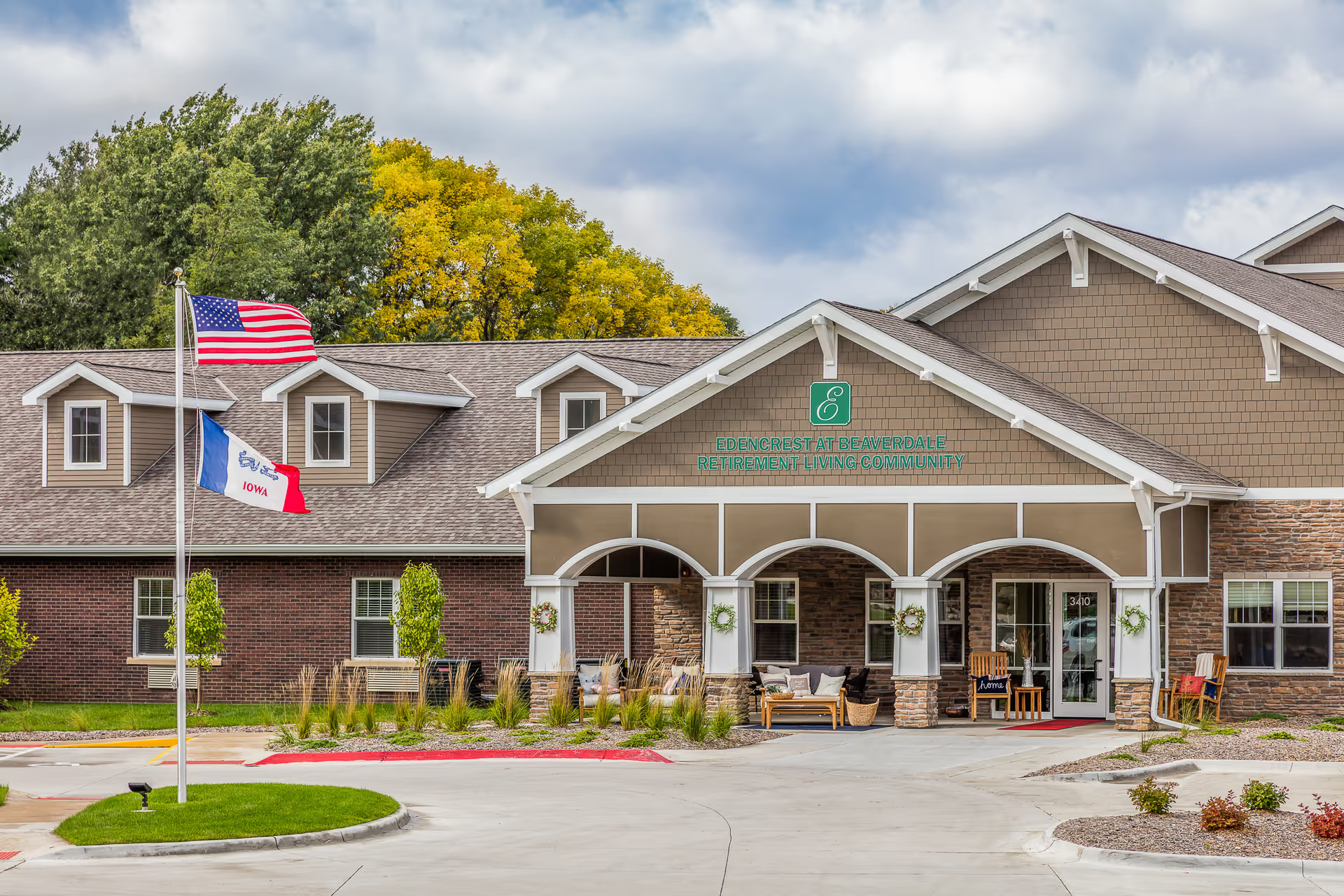
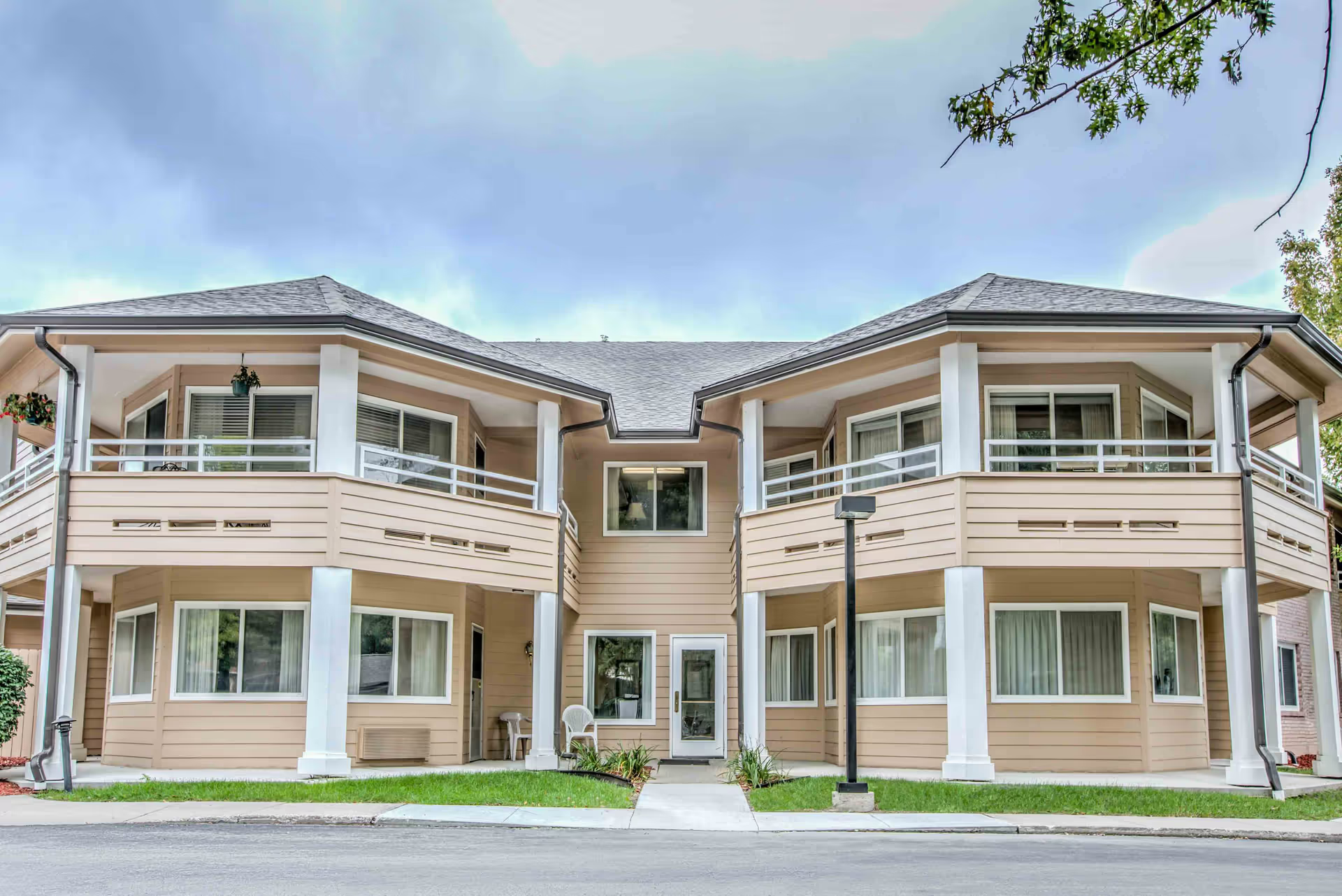
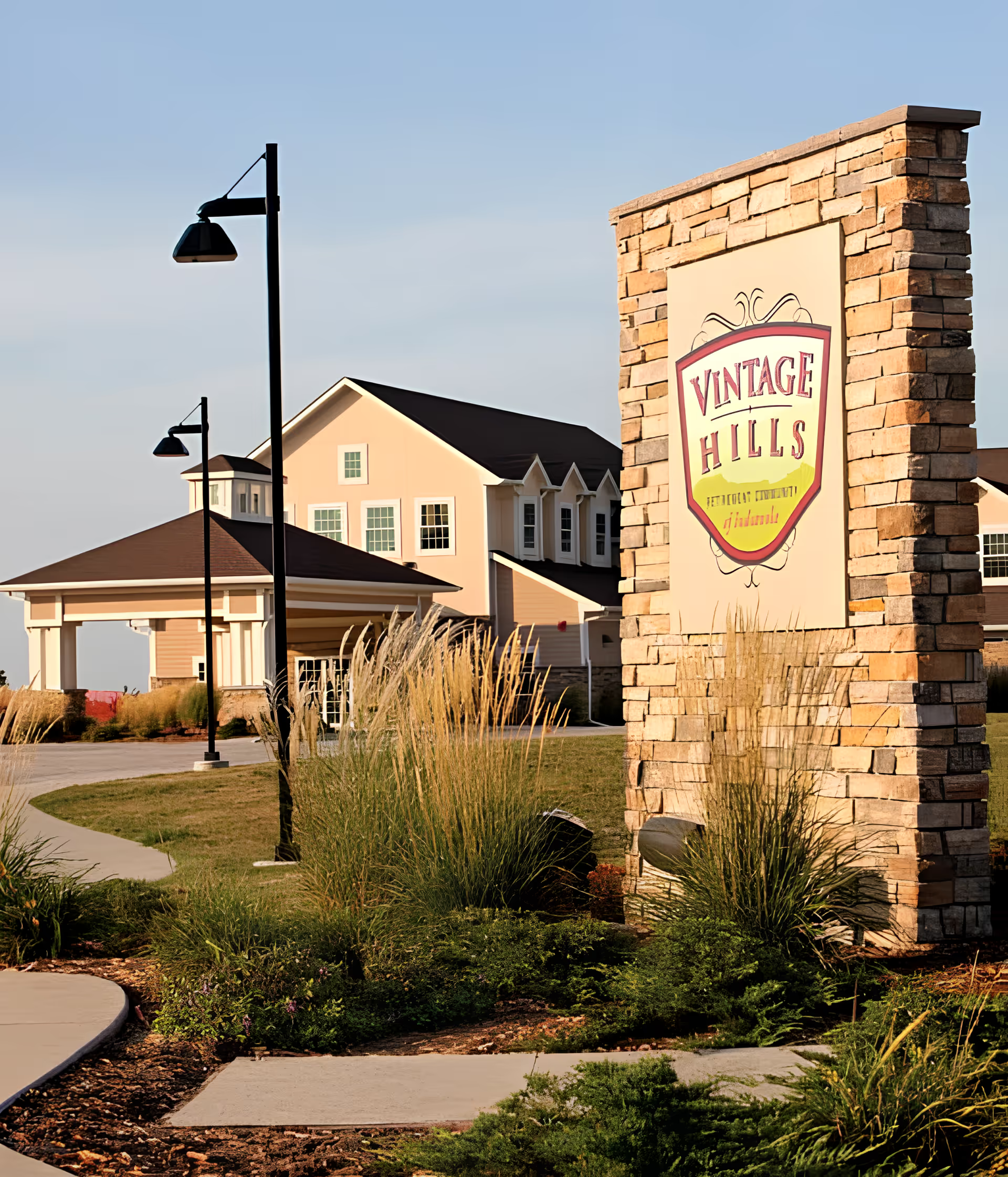
Addington Place of Des Moines (also referenced as Prairie Hills/Des Moines in some comments) presents as a well-appointed, community-oriented assisted living and memory-care option with many strengths in resident life and environment. The property, grounds and common areas are frequently described as attractive, quiet and well-kept; features highlighted include gardens, a courtyard, a Japanese garden, water features, and ample outdoor space. Apartment options include studios and larger two-bedroom memory suites, and many families emphasize a home-like interior and strong resident engagement.
Care and staff are central to the facility's positive reputation. Numerous accounts describe warm, compassionate caregivers and a family-like atmosphere where staff remember residents by name and participate actively in social events. Daytime clinical coverage (RN availability on weekdays) and access to mobile doctor visits and transportation services are appreciated components of care continuity. At the same time, recurring concerns relate to inconsistent responsiveness, periods of understaffing, and variability in staff training and certification; these operational issues have at times led to delayed attention or frustration for families seeking timely updates.
Dining and activities are notable strengths. Reviewers consistently praise a robust activities calendar—exercise classes, bingo, outings, holiday events and regular social clubs—with high participation and a welcoming atmosphere. The community also offers an on-site hairdresser and frequent special events that families value. Dining receives mixed but generally positive comments: many families call the food good and well-balanced, while other comments point to occasional inconsistency and chef turnover that can affect menu variety and quality.
Facility upkeep and maintenance are mostly seen as strengths (clean, appealing common areas and well-cared-for grounds), yet several comments cite variability in housekeeping and maintenance responsiveness. Communication and management represent a clear pattern of mixed experiences: some families praise hands-on directors and smooth transitions, while others note frequent management changes, poor phone responsiveness, and lapses in notifying families about hospitalizations or missed appointments. These communication and care-coordination gaps are the most consistent operational concerns and are often linked in accounts to staffing pressures and turnover.
For prospective families: Addington Place offers many elements attractive for assisted living and memory-care residents—engaging programming, appealing grounds, secure memory units, and an emphasis on a homelike community. Prospective residents should ask about current staffing ratios, staff training and certification policies, protocols for clinical incident and hospitalization notifications, dining-staff stability, and timelines for Medicaid/VA placement if public-pay pathways are needed. An in-person tour that includes a conversation with nursing leadership and a sample activity period can help assess how the facility’s operational strengths align with an individual resident’s care and social needs.