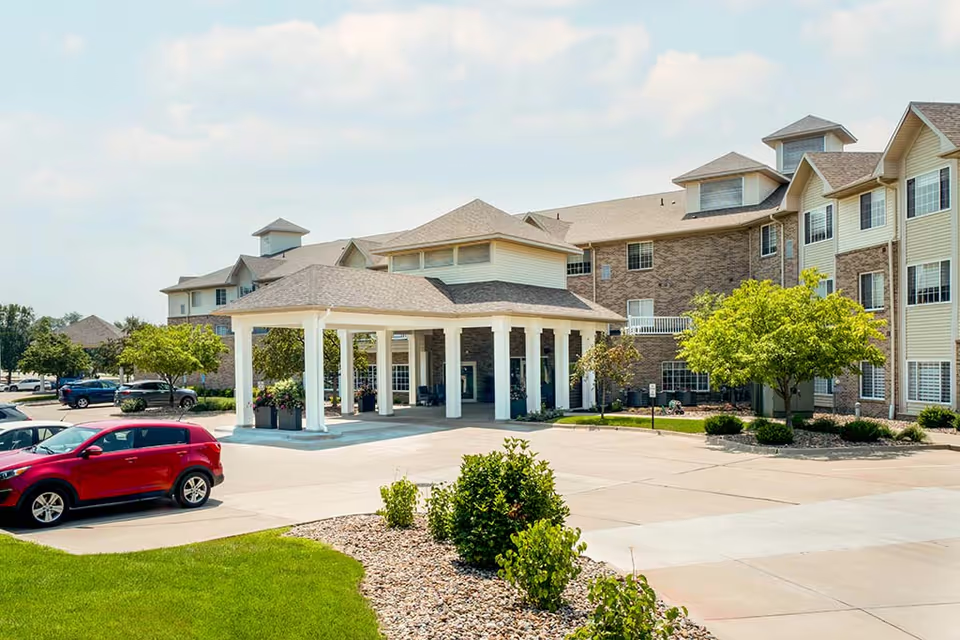
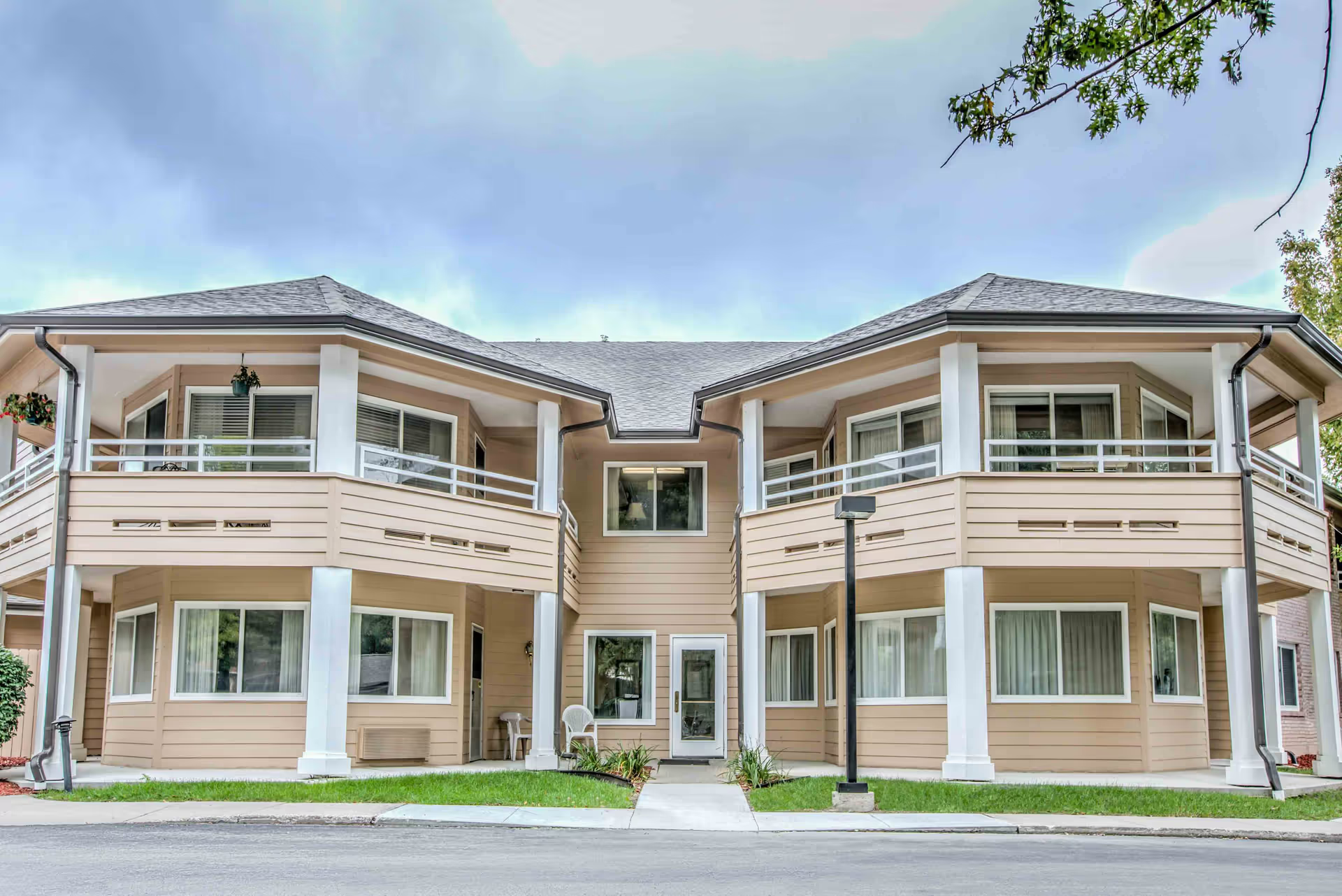
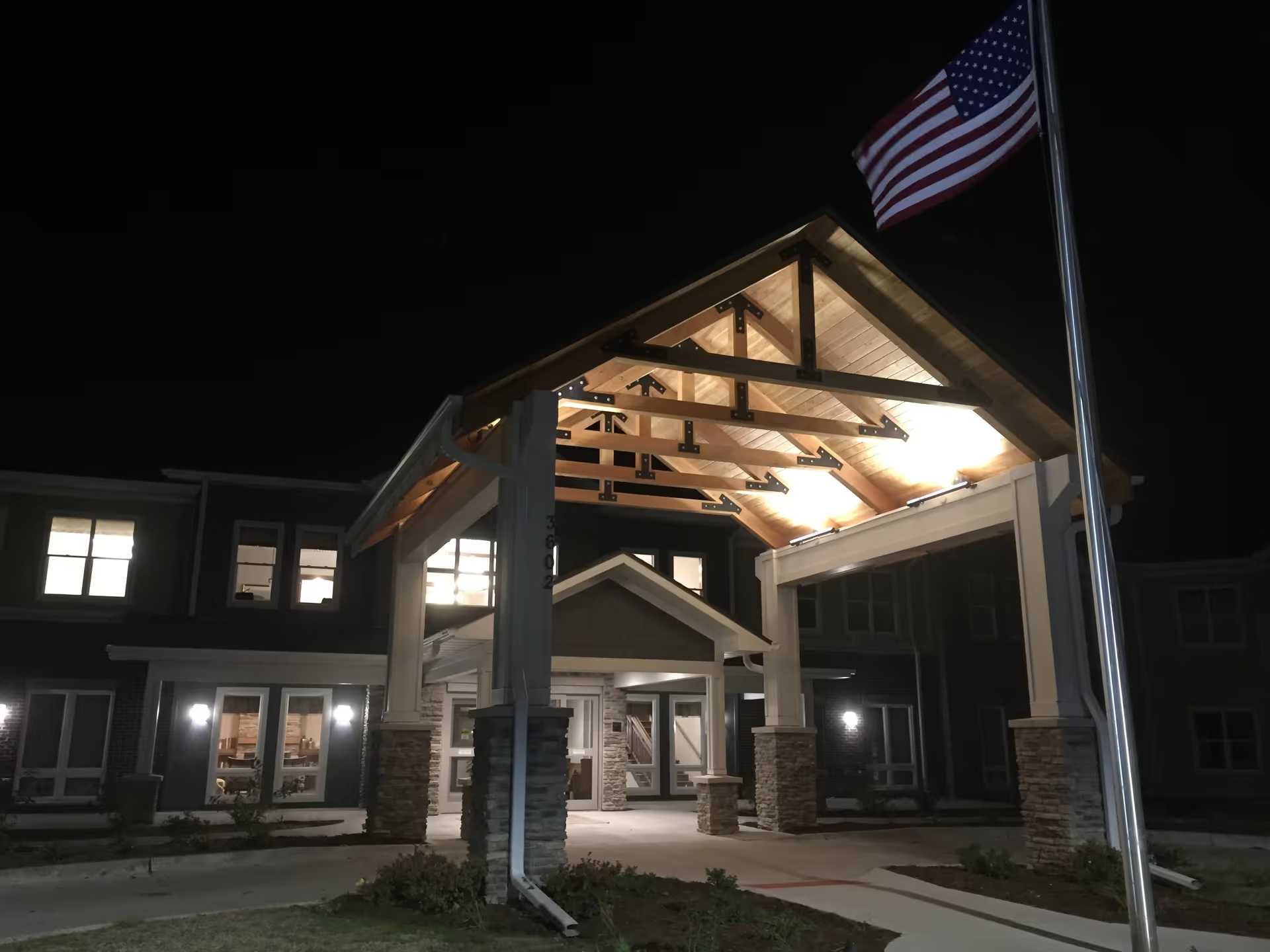
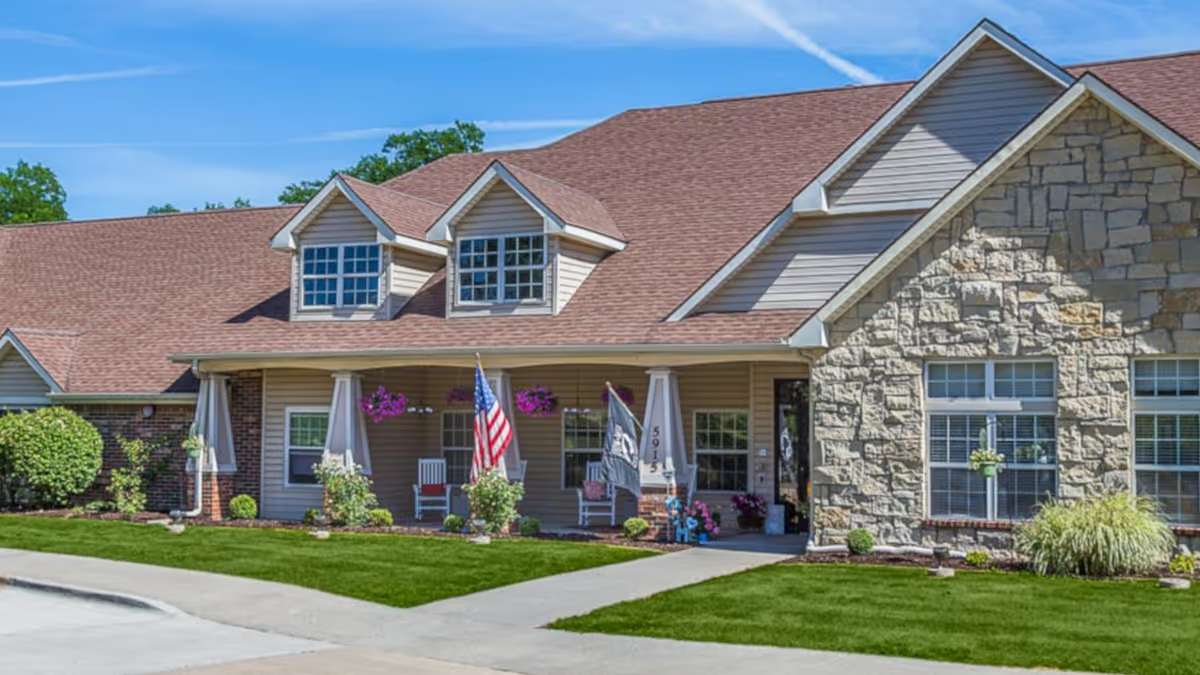
Prairie Vista Village presents as a modern, well-appointed senior living campus with multiple levels of care housed in a bright, spacious facility. Review content emphasizes a newly constructed appearance, clean common areas, wide hallways, high ceilings, and apartments with large windows that provide abundant natural light. The campus offers a wide range of onsite amenities — table-service dining with menu options and three meals daily, a hair salon and spa, skilled rehab and therapy services, library and common spaces, outdoor walking paths, and organized transportation for shopping and medical appointments. Many accounts highlight an inviting, family-like atmosphere and staff members in admissions and therapy roles who are knowledgeable and helpful.
Care and staffing are described in mixed terms. Strengths include daily nurse visits and available rehabilitation services, with individual staff members (therapy and admissions) frequently praised for competence and compassion. At the same time, a substantive pattern in the feedback points to operational inconsistencies: families described uneven care continuity, episodes of delayed clinical escalation, and limited availability of on-site physicians. These items suggest variability in how clinical needs are triaged and followed up across shifts or units. Reviewers also raised concerns about staffing stability; high turnover and reactive staffing patterns were linked to the perception of inconsistent day-to-day care.
Dining and housekeeping evoke both praise and concern. Several comments note enjoyable meals and attractive dining areas, while others cite inconsistencies in food quality and kitchen practices that raise sanitation questions. Prospective residents should observe a meal service and ask about food-safety protocols during a visit. Activities programming is generally regarded as robust — bingo, exercise classes, live entertainment, and faith-based services were mentioned — though a smaller number of comments indicate lower activity participation or a quieter social atmosphere in some wings.
Management and communication emerge as an important theme. Positive interactions with named staff and tour guides were common, and the facility is perceived as family-friendly by many. Conversely, other accounts describe gaps in managerial responsiveness, inconsistent communication with families, and variable staff professionalism. These operational gaps correlate with the clinical concerns outlined above and with isolated reports of delayed attention to urgent issues.
Taken together, the pattern suggests Prairie Vista Village offers strong physical amenities, rehabilitation services, and an attractive living environment, with notable strengths in admissions, therapy, and communal programming. At the same time, prospective residents and families should investigate clinical-operational factors during a tour: ask for details on staffing ratios and turnover, physician and nurse coverage hours, protocols for urgent escalation, food-safety procedures, and examples of how management addresses quality concerns. Observing a mealtime, speaking with current residents and families, and requesting documentation of staffing and incident-response policies will help clarify whether the facility’s positive features are matched by consistent clinical and managerial performance.