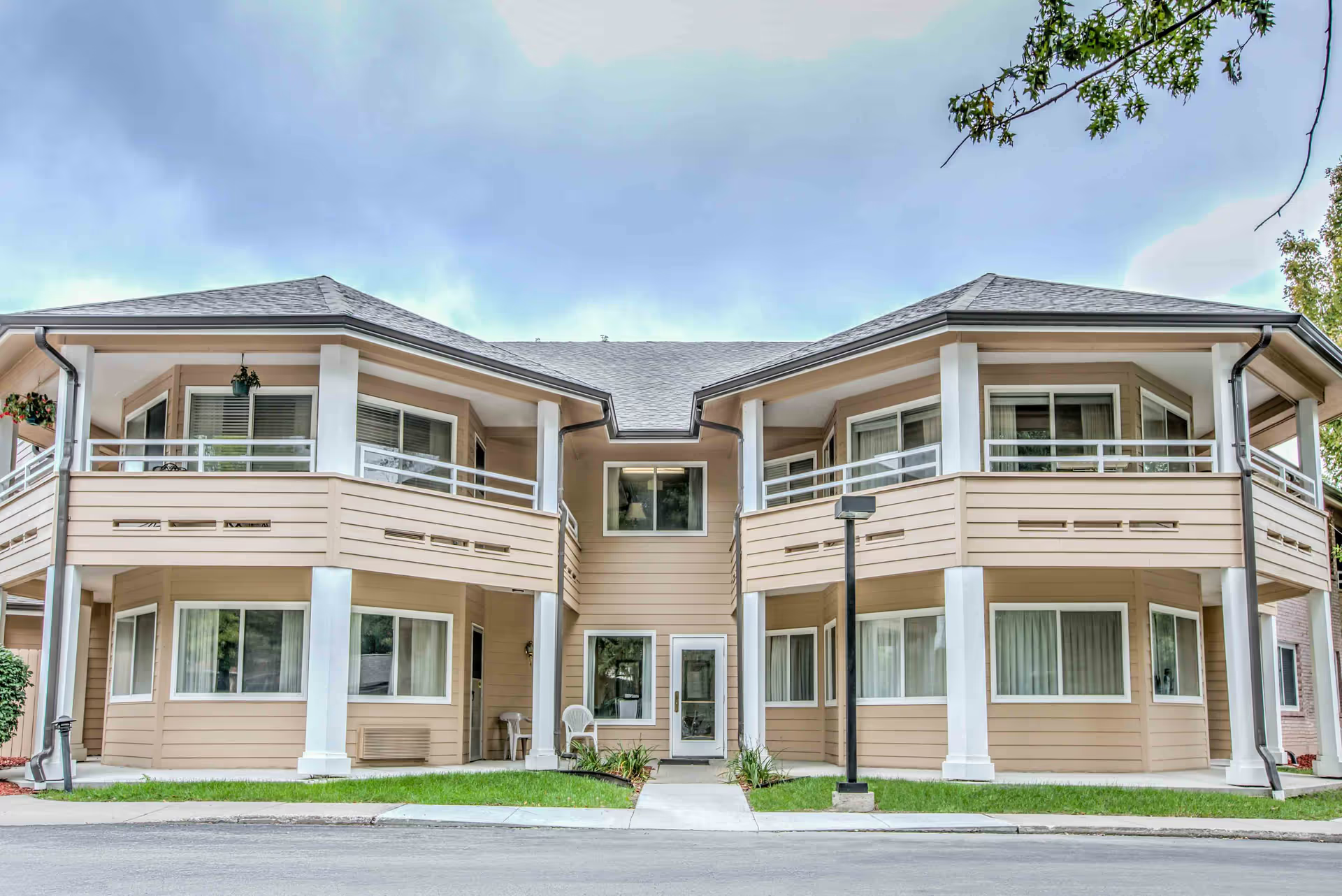
Overall impression: Courtyard Estates at Hawthorne Crossing elicits strongly mixed feedback. A substantial number of reviewers emphasize its strengths as a smaller, home-like community with staff who are described as caring, attentive, and personally engaged. Many families highlight effective admission support, helpful management, and staff who go “above and beyond,” creating a sense of comfort and social connection for residents. At the same time, a subset of reviews raise significant operational and clinical concerns that prospective families should evaluate carefully.
Care quality and staffing: Strengths include consistent praise for hands-on caregiving, specific staff members and leadership who are proactive, and instances of responsive coordination for out-of-state families. Positive comments indicate personalized attention and staff familiarity with individual resident needs. However, reviews also point to inconsistent staffing levels and supervision, delays in attending to resident needs, and gaps in clinical continuity. There are expressed concerns about recurrent respiratory and urinary infections for some residents and about incontinence-care delays; these suggest variability in clinical oversight and infection-management practices that merit direct inquiry during any visit.
Staff, communication, and management: Many reviewers commend the day-to-day staff and name directors and nurses as strong points; several describe the community as family-like with staff who engage residents and families. Conversely, a recurring operational issue is uneven communication — difficulty reaching staff by phone, slow return calls, and limited proactive family updates. Management perception is mixed: some families praise engaged leadership and improvements, while others report inadequate responsiveness. Reviews also reference allegations of serious incidents and state scrutiny; prospective families should request current status on any regulatory actions and ask management how such issues were addressed.
Dining and activities: Dining is regularly cited as a positive. Reviewers note home-cooked-style meals, a varied menu, accommodating cooks, and flexible dining options such as alternate entrées and any-time dining. The activity program is another clear strength: there are frequent mentions of exercise classes, games, outings (shopping and local restaurants), gardening, music and massage therapy, and themed family events. For residents seeking social engagement, the programmatic offerings and transportation support are a substantive benefit.
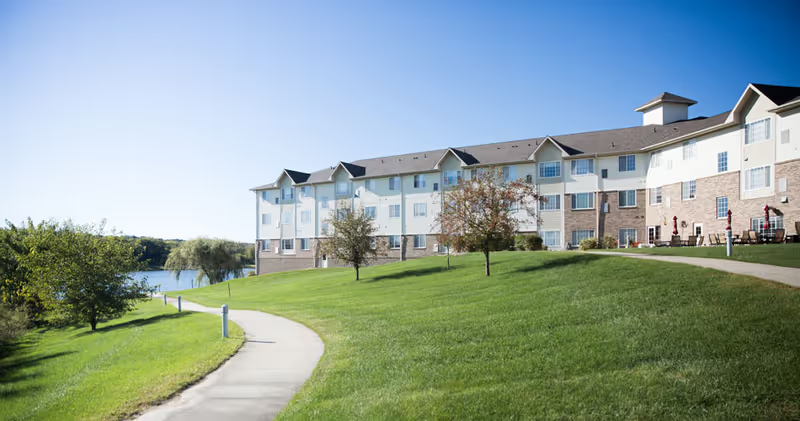
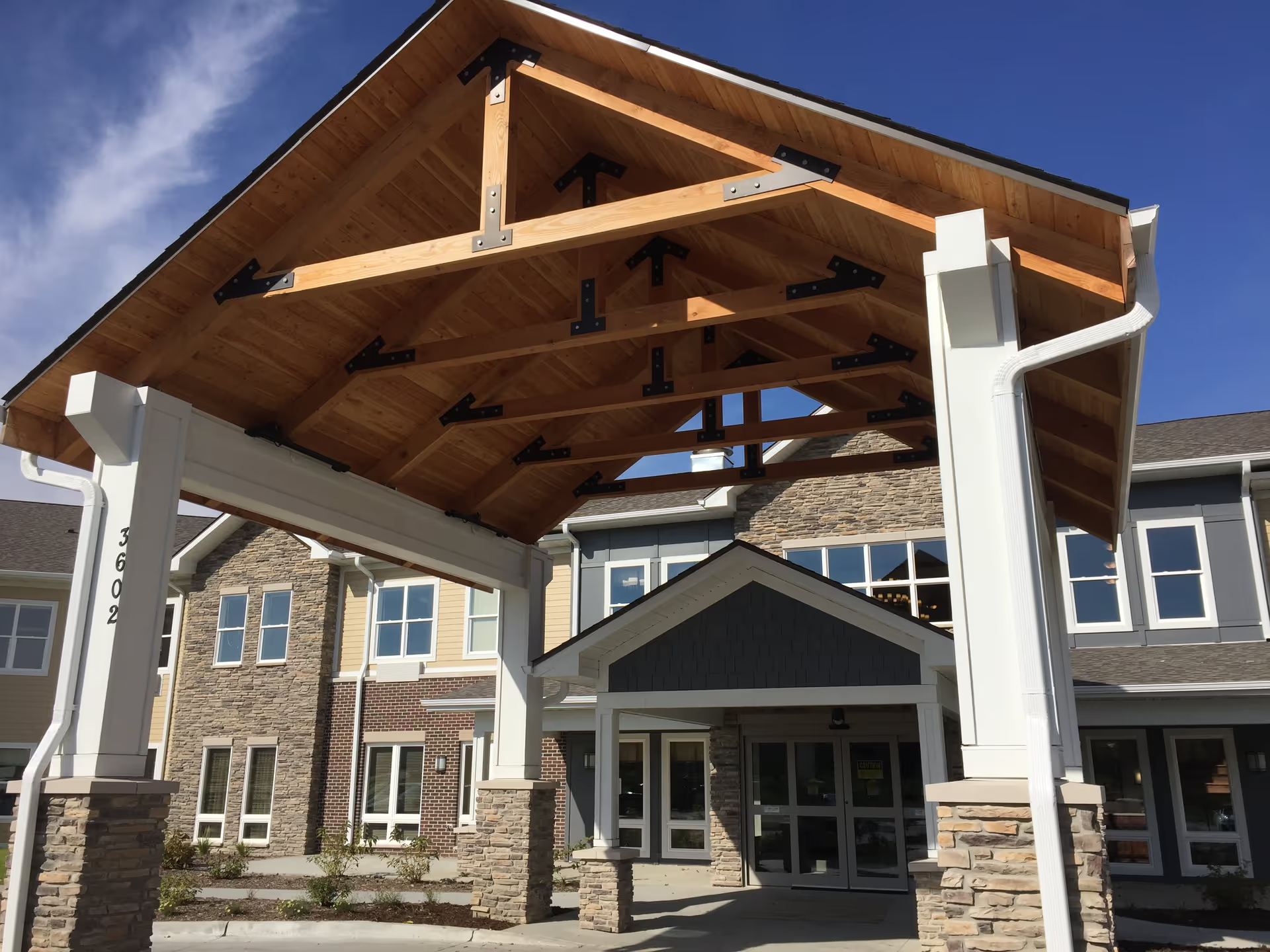
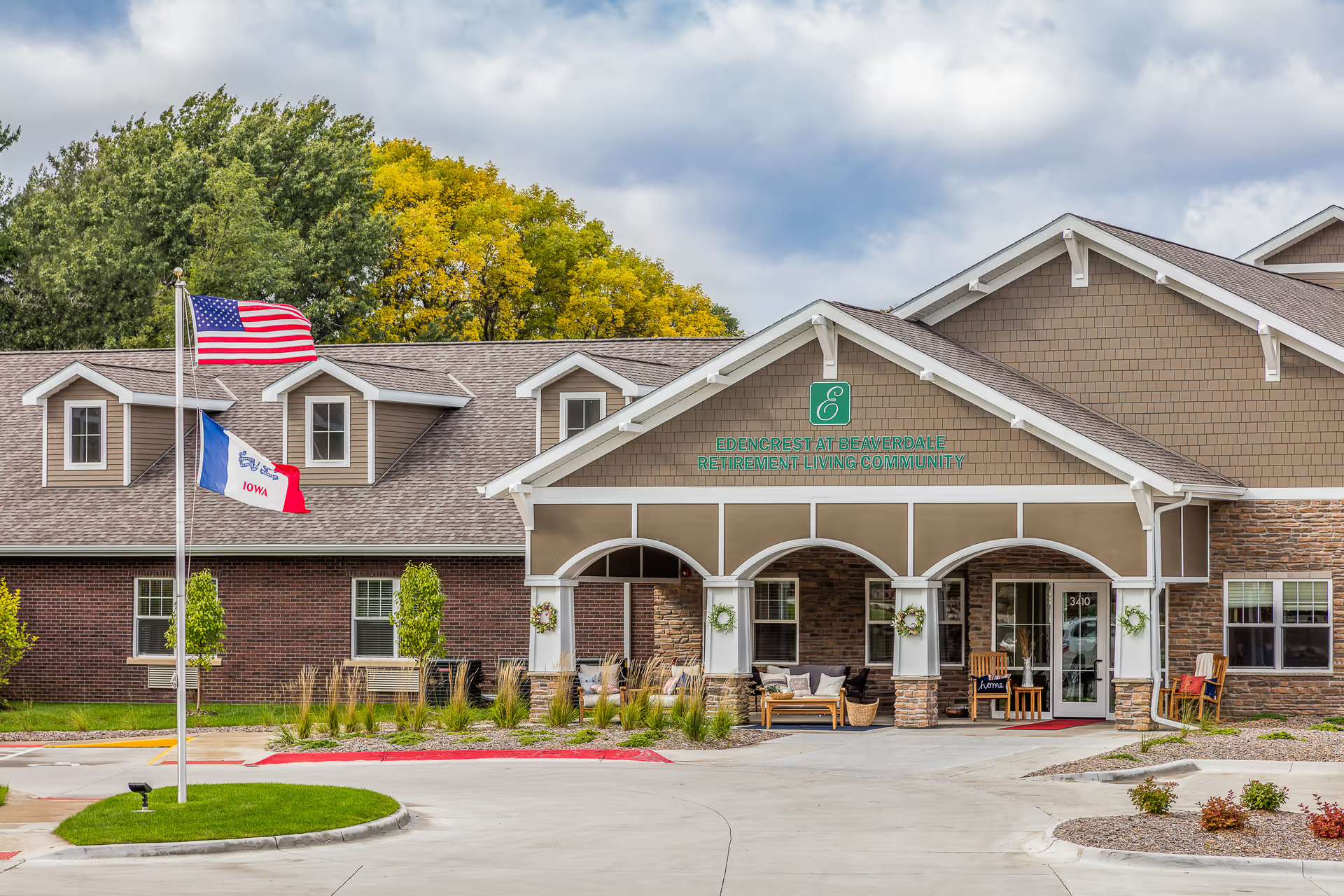
Facilities and environment: Many descriptions depict a clean, bright, and well-maintained communal environment with spacious apartments and pleasant dining areas. Some reviewers note dated finishes in areas (carpeting) and mention renovation plans; others express concern about flooding risk and maintenance variability. The community’s smaller size and rural setting are attractive to some for the quieter atmosphere and courtyard/garden spaces but may be a drawback for families concerned about distance and access.
Safety and sanitation: While many families report a safe, secure environment, several reviews raise operational safety and sanitation concerns that should be probed during a tour. Examples include reports of other residents accessing rooms, incidents that suggest lapses in supervision, and sanitation or odor concerns in particular rooms or common areas. These point to the need for clarity on staffing ratios, monitoring practices, infection-control protocols, and housekeeping schedules.
Recommended next steps for families: Visit the community with a checklist that covers staffing levels by shift, clinical oversight and infection-prevention protocols, emergency response procedures, and family communication practices. Ask for details about any regulatory reviews or corrective actions referenced in public records, and inquire how the facility has changed practices in response. Verify dining options and sample a meal if possible, and observe activities and mealtimes. For families whose loved ones require memory-care services, confirm the proximity and coordination with the sister memory-care unit and how transitions are handled.
In summary, Courtyard Estates at Hawthorne Crossing offers notable strengths in staff engagement, dining, and social programming that many families find comforting and valuable. At the same time, reviewers identify operational and clinical variability — particularly around staffing, communication, safety oversight, and sanitation in some areas — that warrant focused questions and direct observation before making a placement decision.