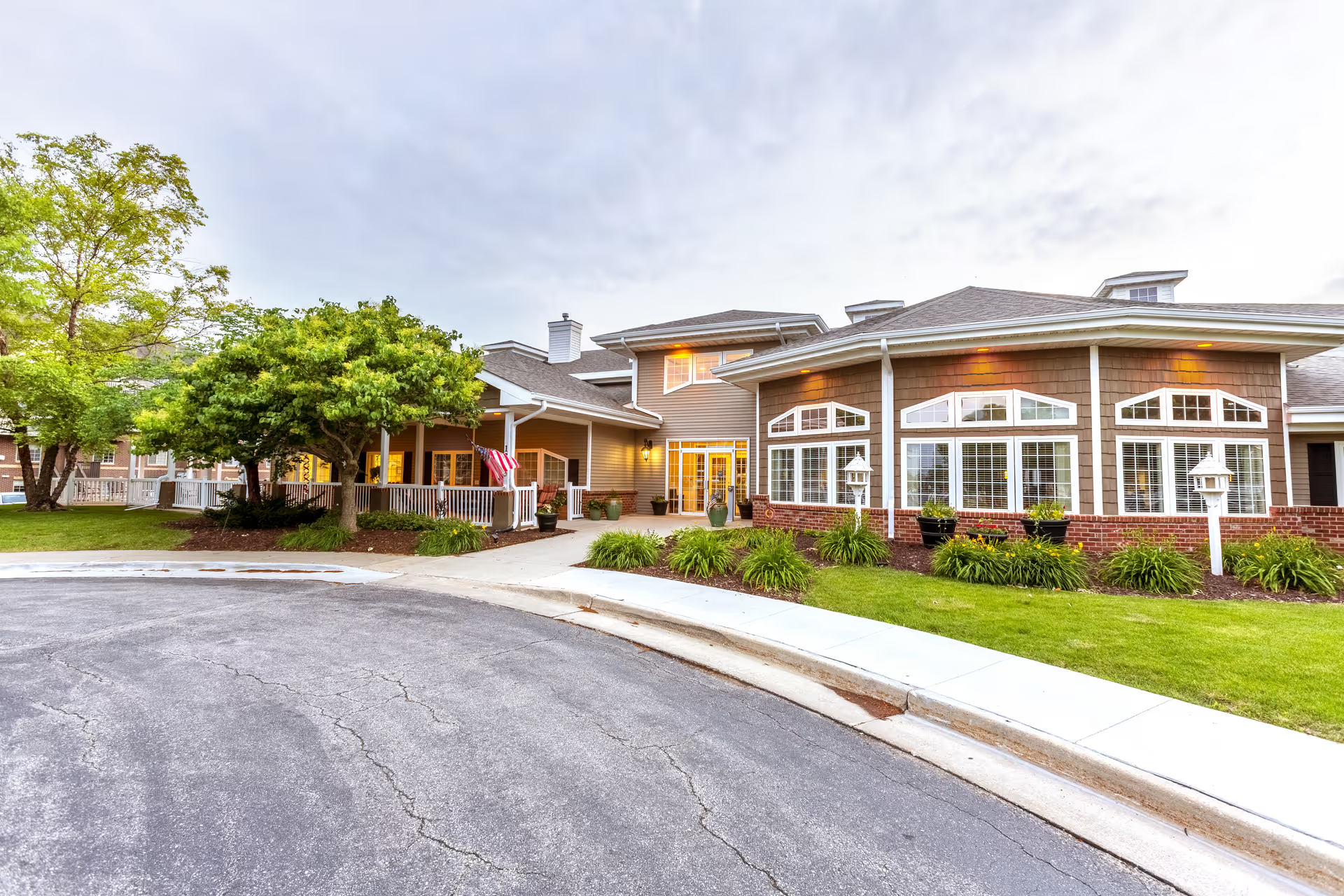
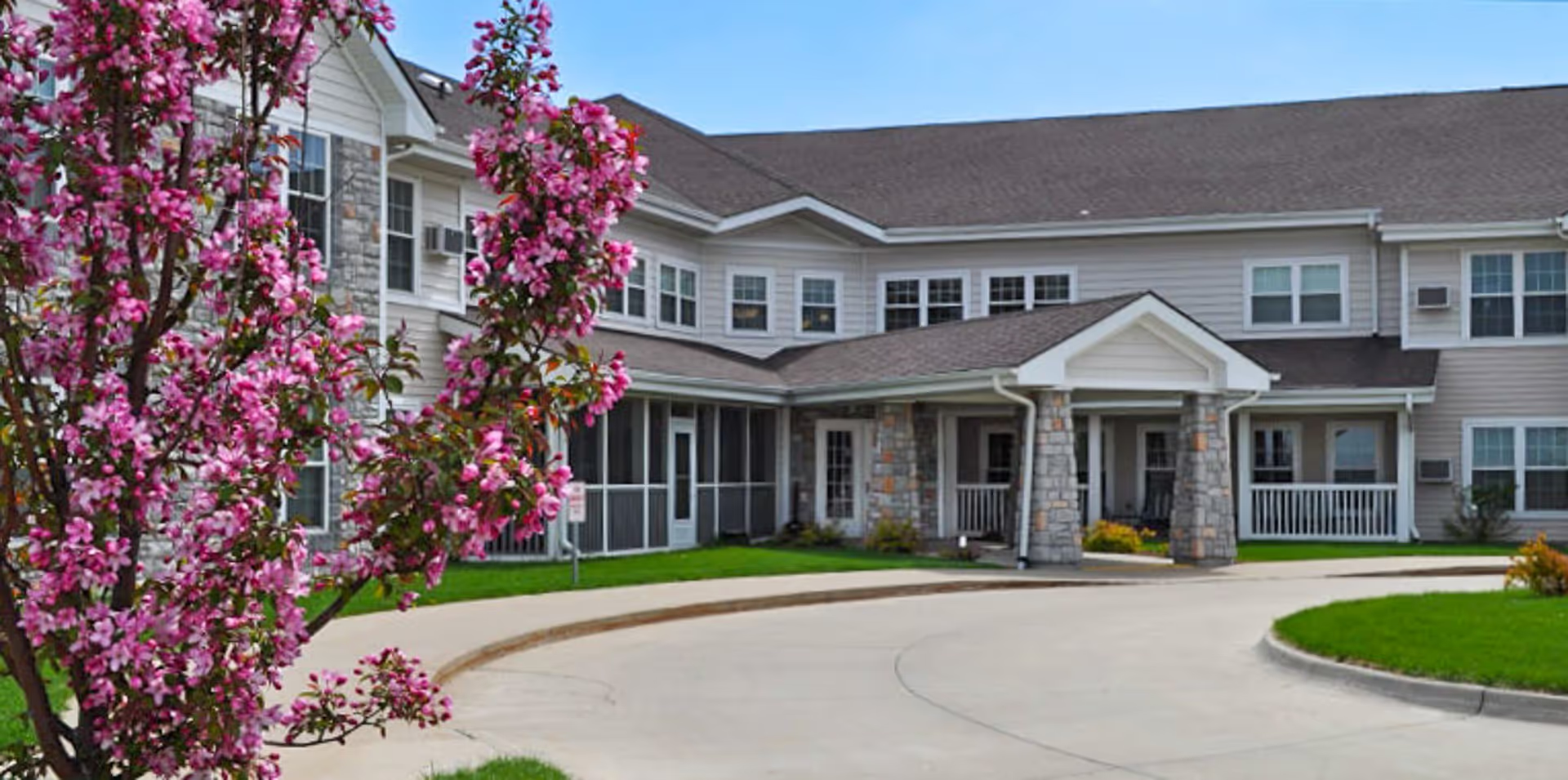
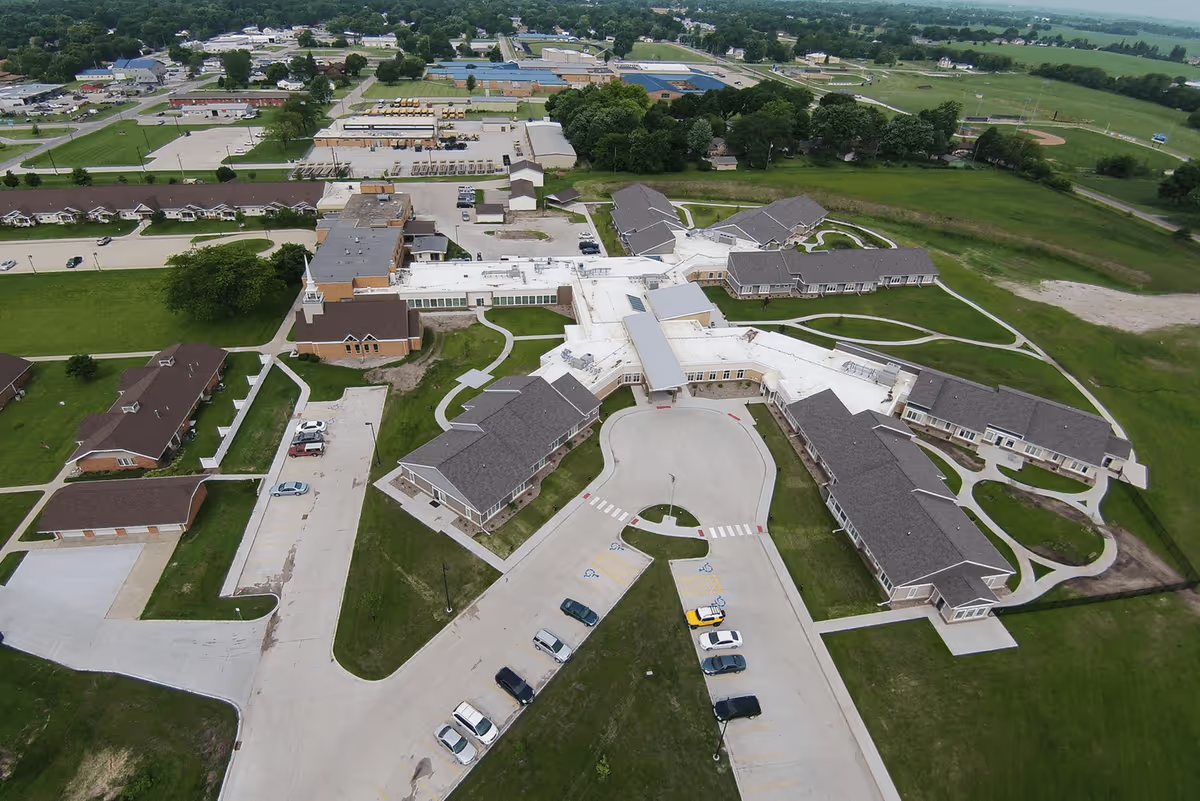
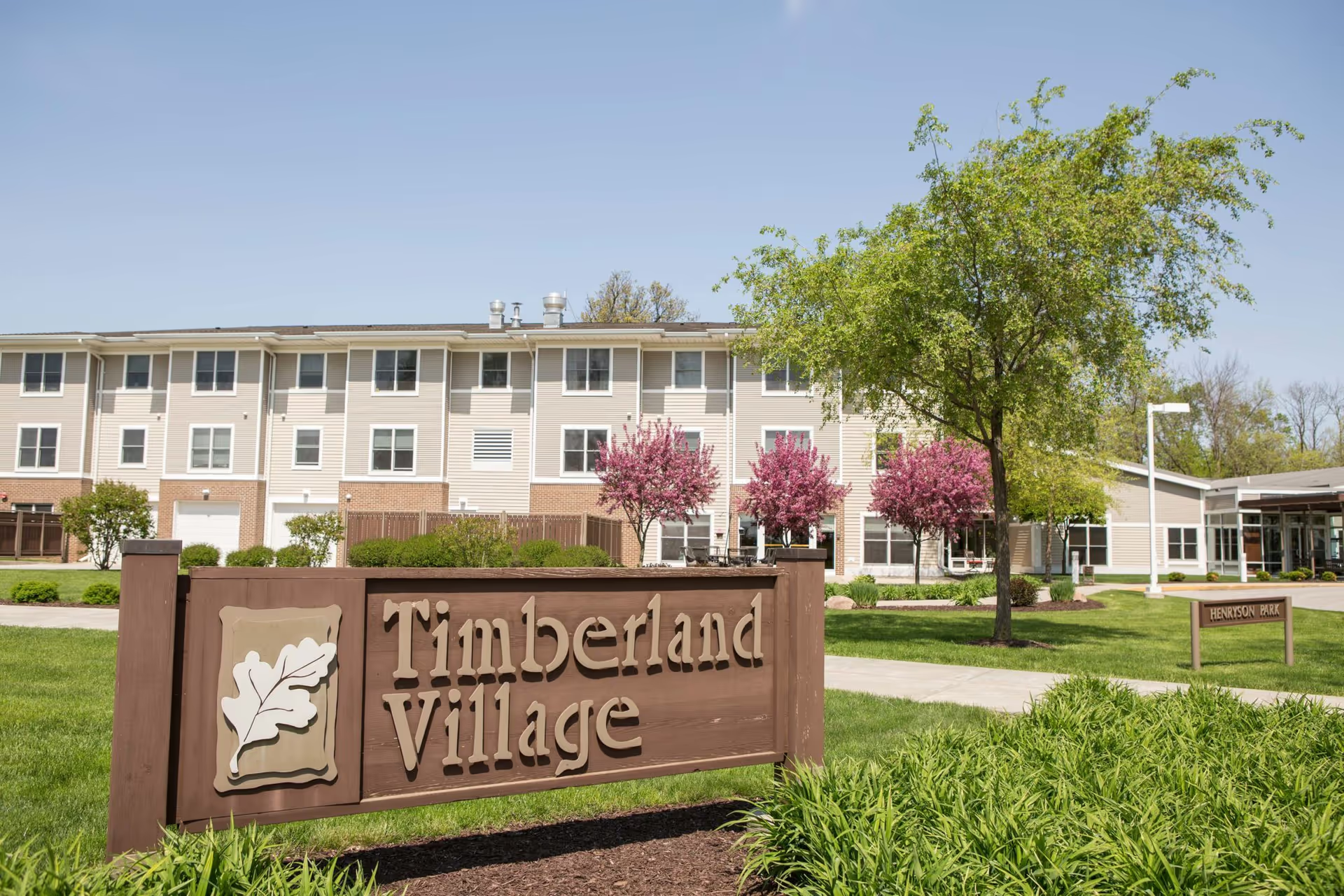
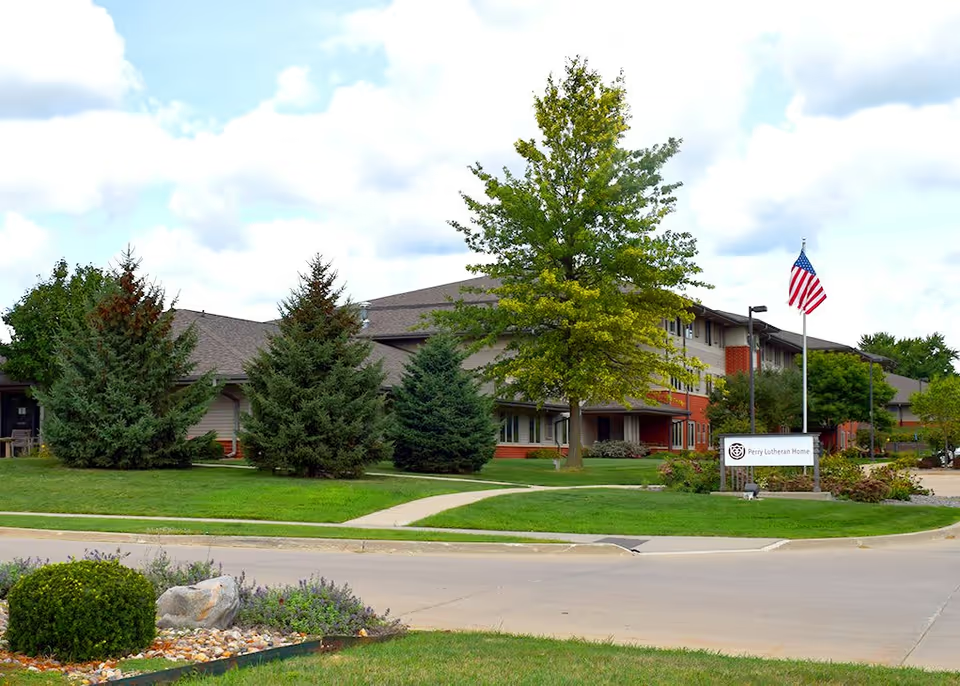
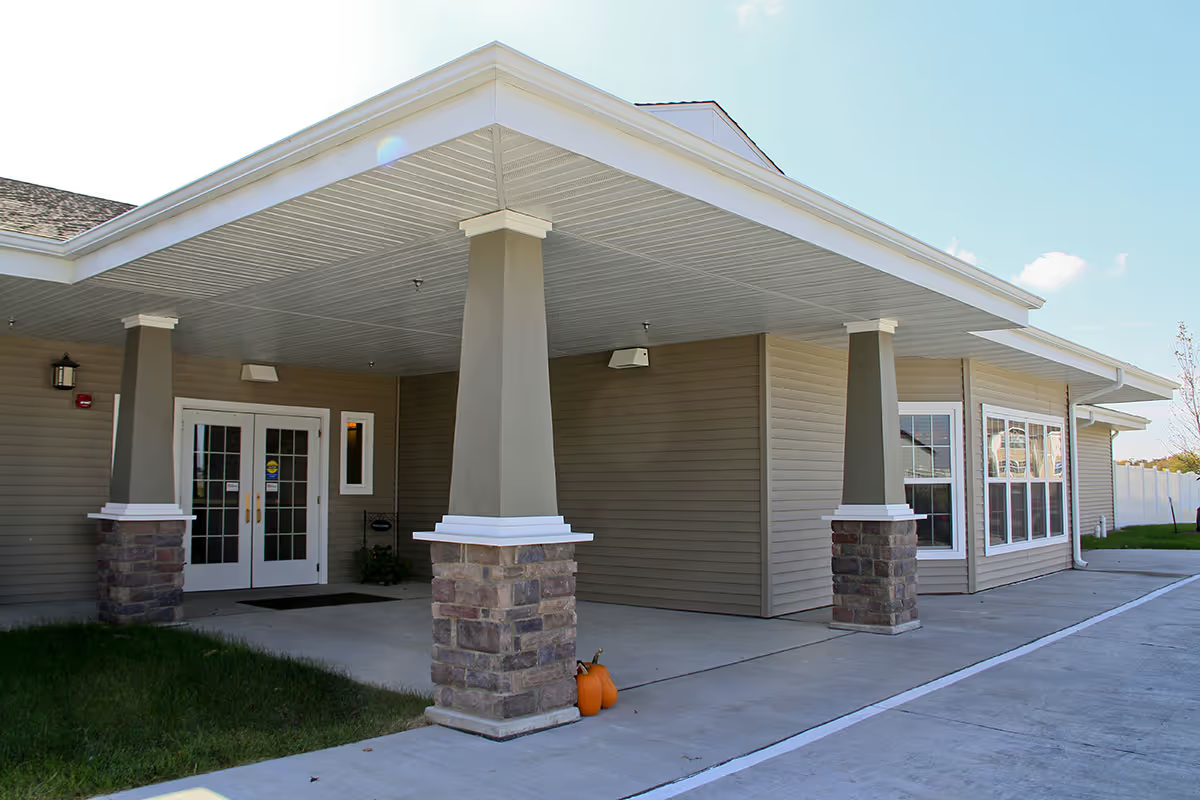
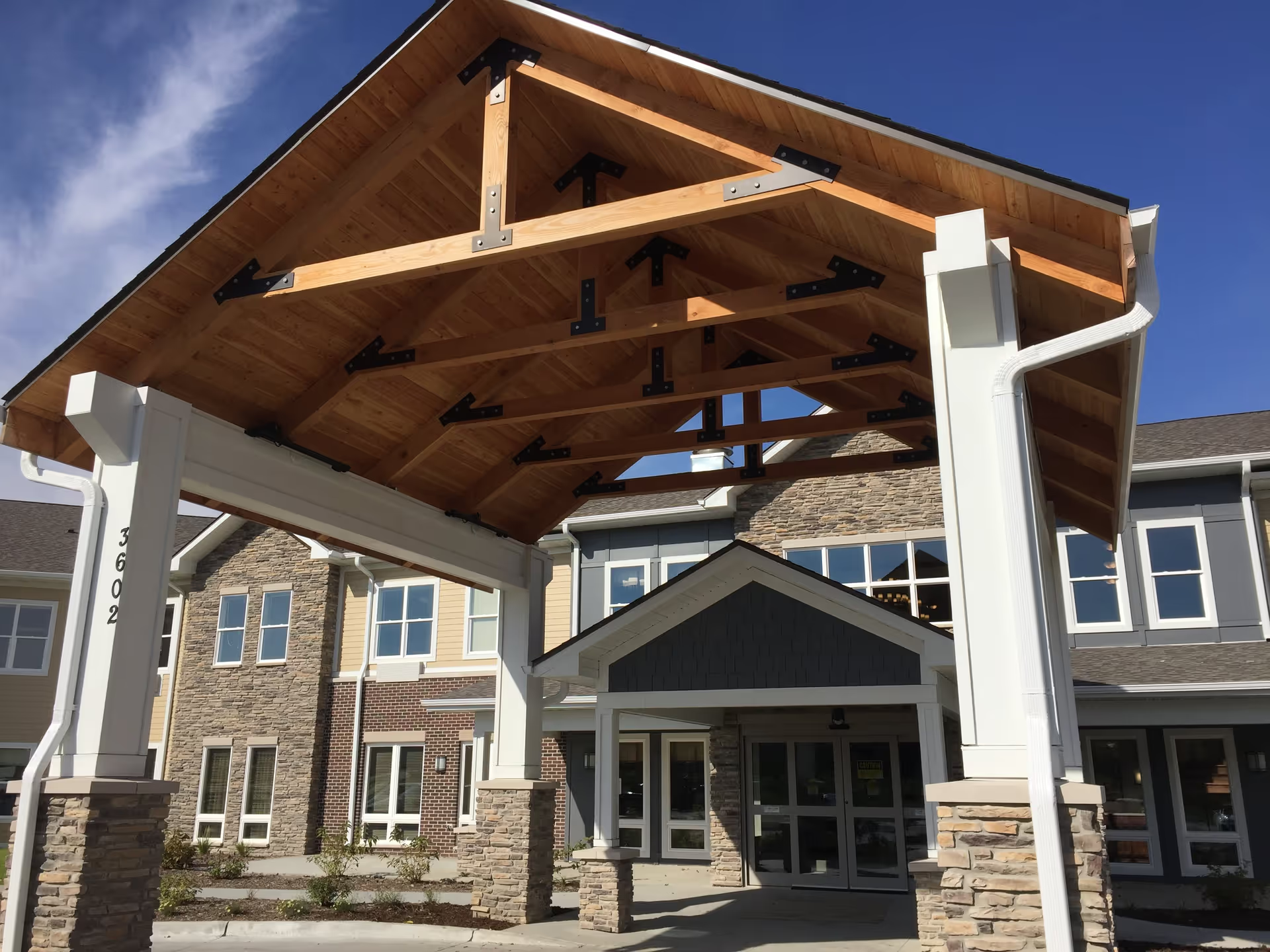
Overall impression Westhaven Community presents as a modern, small‑scale senior housing option with many families praising its compassionate culture and a peaceful, Christian‑valued environment. Several accounts describe clean, well‑kept spaces, private‑room options, and hospice‑capable, comfort‑oriented care. Individual staff members received strong positive mention; these endorsements are accompanied by multiple family recommendations, indicating that the facility meets or exceeds expectations for many residents.
Care quality and staff Care descriptions are mixed but lean positive. Numerous families described caring, attentive bedside staff and prompt nursing attention for routine and comfort needs; hospice and comfort‑focused services were specifically highlighted as strengths. At the same time, reviews reveal operational inconsistencies: some families experienced delays in responsiveness, concerns about staff tone or conduct, and continuity gaps when agency CNAs were used. Individual staff were singled out for praise (a named caregiver was praised by one family), which suggests pockets of strong, consistent caregiving amid broader variability.
Facilities, dining, and activities Reviewers consistently describe the physical environment as modern and well‑maintained, with a small‑scale layout that contributes to a calm atmosphere. There is frequent comment on cleanliness and private‑room accommodations. There is limited specific commentary about dining quality or the range of activities; the absence of repeated commentary on these areas suggests they were not prominent drivers of satisfaction or concern in the available summaries.
Management and communication Management and administrative processes show a split pattern. Several families praised timely resolution of concerns and clear communication in certain cases, while others described disorganized admissions, capacity‑management issues, and promises that were not fulfilled during intake. Family–staff communication quality appears variable: in some cases families reported strong, proactive outreach; in other cases, miscommunication and a suspicious or defensive tone were cited. These patterns point to inconsistent operational practices rather than uniformly poor leadership.
Notable operational patterns Two operational themes emerge as areas for improvement: consistency and continuity. First, responsiveness and family communication are uneven—some families experience swift, empathetic interactions while others encounter delays or tone‑of‑voice concerns. Second, reliance on agency CNAs and variable personal‑care scheduling were associated with continuity gaps, and there are specific clinical concerns summarized as pressure‑injury prevention lapses and incontinence‑care timing issues. Both types of concerns indicate opportunities to strengthen staffing consistency, scheduling practices, and clinical oversight.
Bottom line for families Families seeking a small, modern community with comfort‑focused hospice options, individualized attention from committed staff members, and a calm, faith‑oriented atmosphere may find Westhaven a good fit. Prospective residents and decision‑makers should, however, ask targeted questions during tours about admissions processes, staffing models (including use of agency staff), bathing and personal‑care schedules, pressure‑injury prevention protocols, and how the community handles family communication and promises to ensure those operational areas align with their expectations.