Overall impression: Addington Place of Clinton elicits consistently positive comments about the interpersonal side of care and the facility environment, alongside a set of operational concerns that prospective families should evaluate. Many families describe warm, compassionate caregivers who engage residents in respectful, family-like ways; others praise maintenance responsiveness, a clean atmosphere, and a welcoming community orientation. At the same time, reviews indicate recurring operational issues — primarily around communication, medication handling, and management follow-through — that can affect confidence and perceived value.
Care and staff: Strengths center on interpersonal care quality. Reviewers frequently describe aides, nurses, and leadership as kind, attentive, and willing to go above and beyond. Memory-care monitoring practices such as hourly checks are noted, and several families highlighted sensitive end-of-life support. However, there is variability in staff performance and training: some experiences point to timely, detail-oriented care, while others describe delays in responding to needs. This pattern suggests generally strong caregiving culture tempered by occasional staffing inconsistencies and gaps in staff training or supervision.
Clinical operations and safety: Multiple reviews raise concerns about medication administration and incontinence support. Descriptions translate to medication-administration inconsistencies and delays in attending to personal-care needs. These are operational issues rather than uniform practices, but they are important to verify during a tour and care-plan review. Pest-control concerns were raised for specific units, indicating the need to ask facility leadership about recent pest-control measures and sanitation monitoring.
Dining and activities: The community offers a range of activities — outings, crafts, games, and seasonal events — and these are a clear strength for many residents. Common areas, a courtyard, and social spaces are appreciated. Dining receives mixed feedback: some families describe good, accommodating kitchen staff and flexible meal choices, while others note inconsistent meal quality. Another practical point: activity schedules are not reliably visible online, so families should request in-person or printed schedules to assess programming.
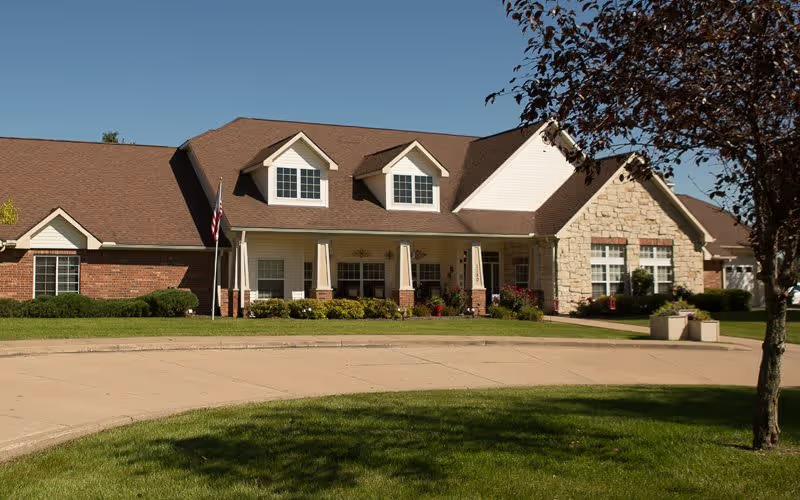
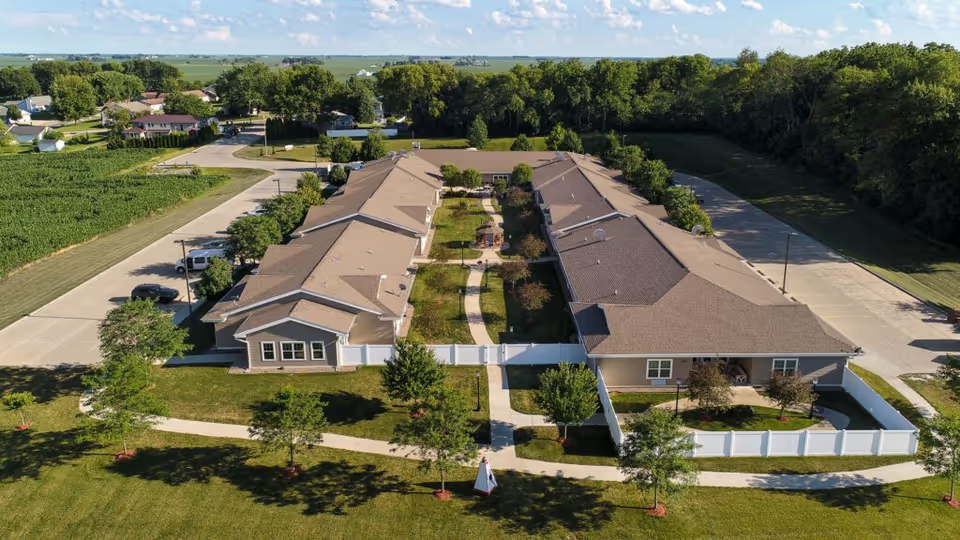
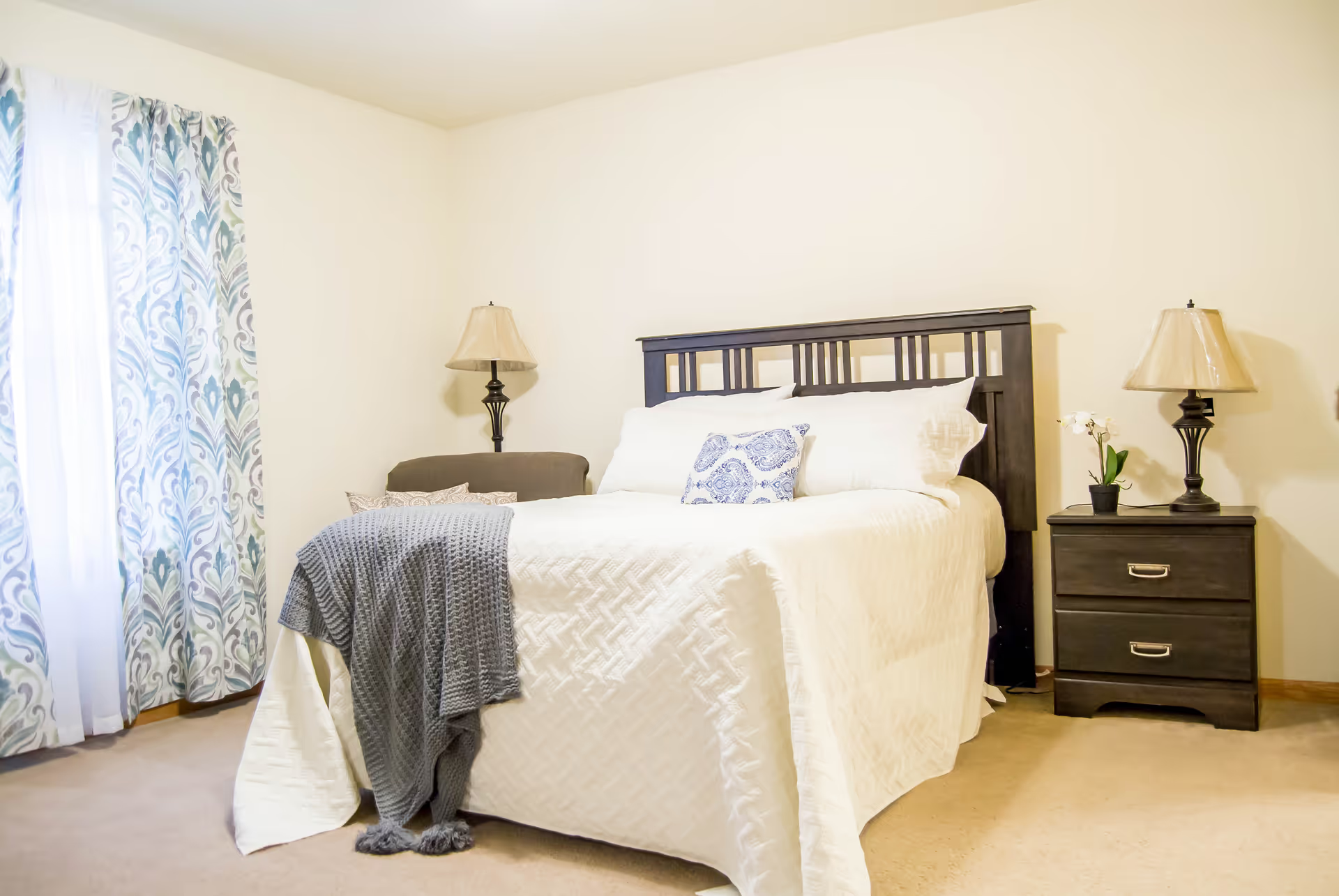
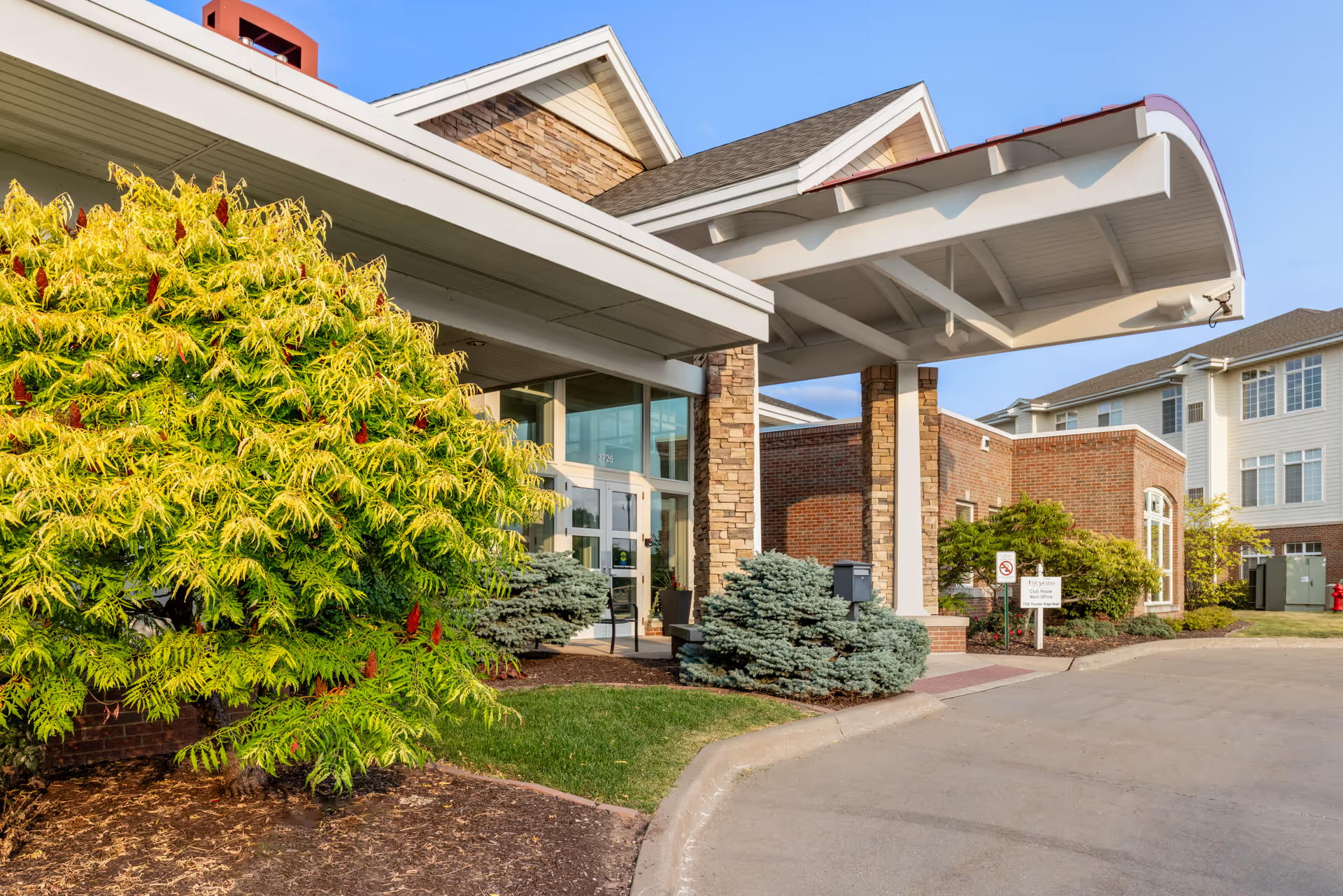
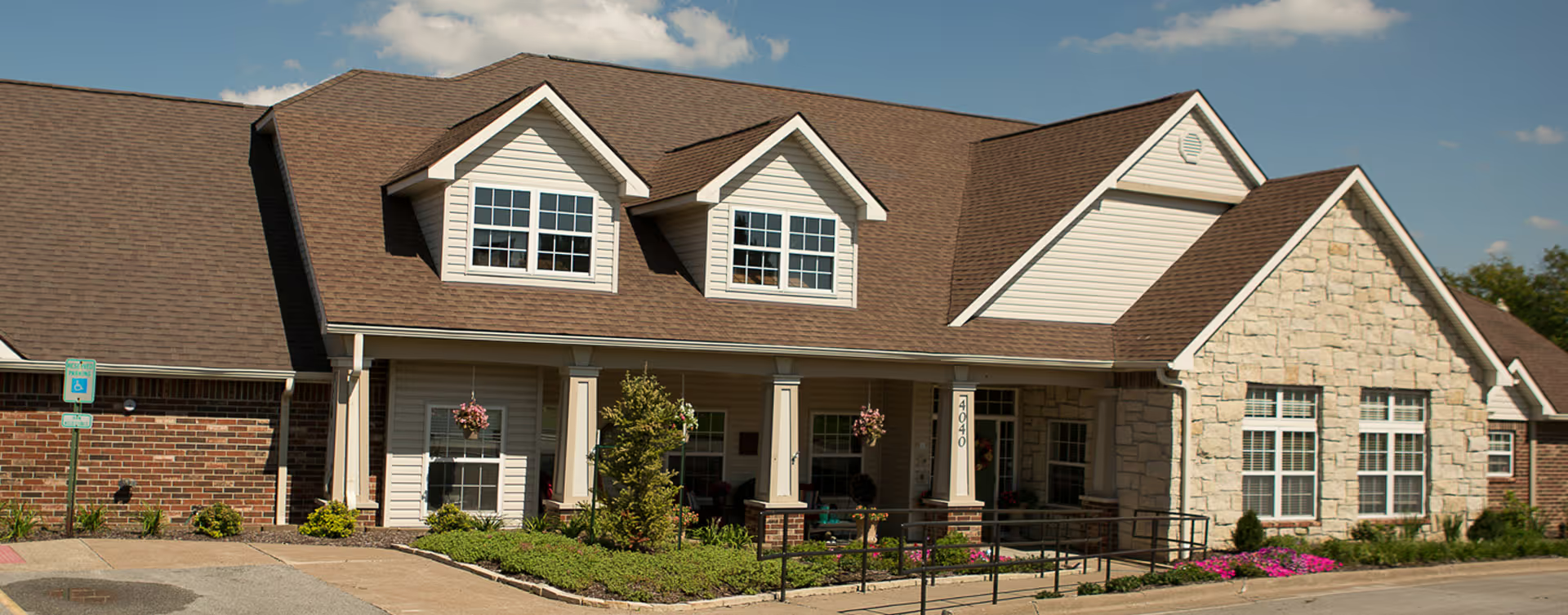
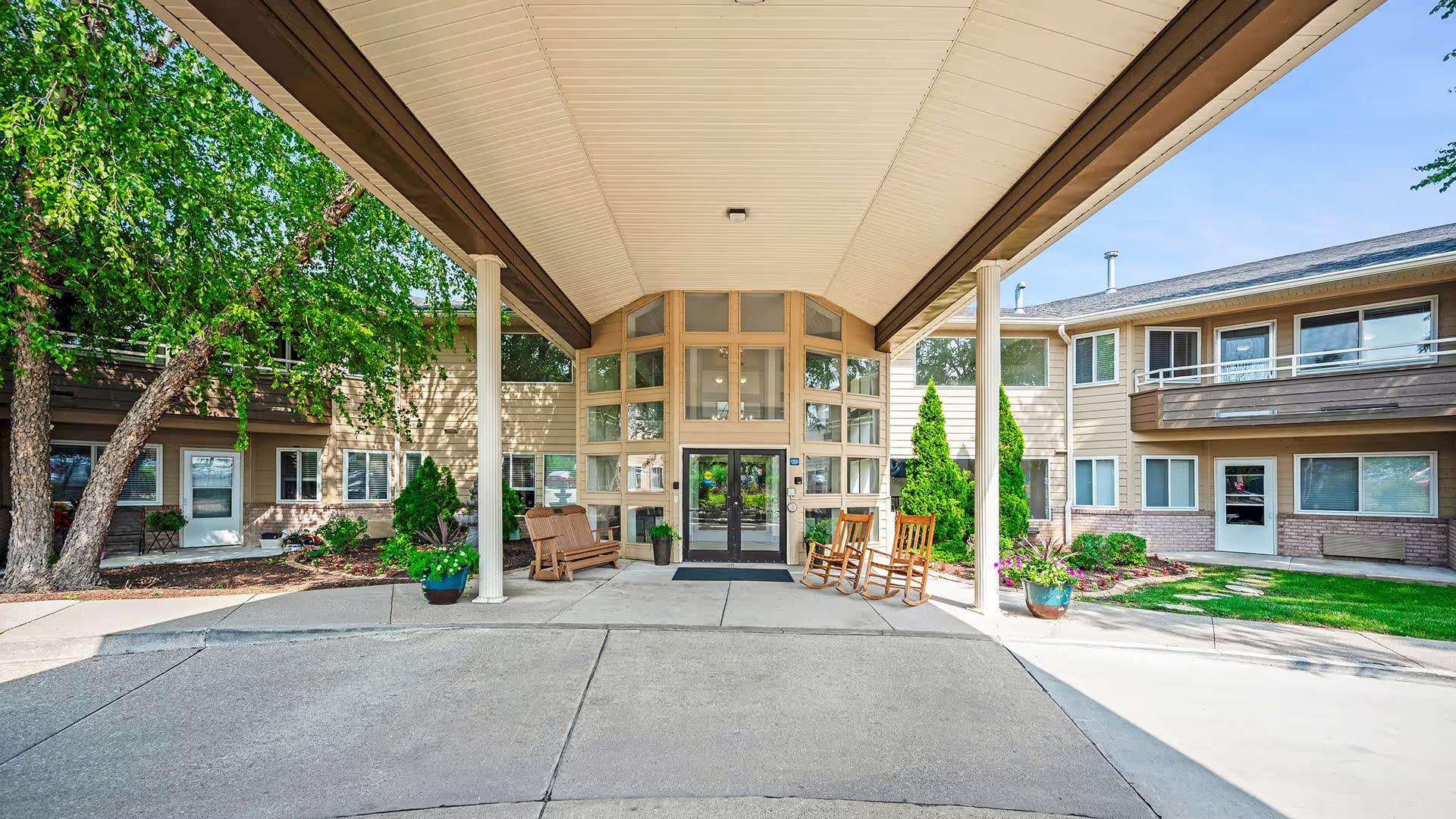
Facilities and environment: Many reviewers praise the facility's cleanliness, pleasant common areas, and well-kept rooms. Positive comments include helpful maintenance staff and a generally pleasant atmosphere. A minority of comments cite odor concerns or localized sanitation issues; these should be clarified directly with management during a visit.
Management, communication, and value: A recurring theme is uneven communication and follow-through from management — hard-to-reach contacts, delayed clinical updates, missed promises about follow-up meetings, and concerns about billing or prorated charges. There are also mentions of rising costs and concern over value for money. A few reviewers reported serious interpersonal incidents involving families and staff; there are also allegations of theft and false accusations in isolated cases. These are significant enough to warrant direct inquiry about grievance procedures, incident reporting, and ownership transparency.
What to ask when you visit: verify current staffing levels and staff turnover; review medication-administration protocols and staffing for memory care; inspect sanitation and recent pest-control records; request written examples of recent activity calendars and sample menus; confirm billing practices, prorated charge policies, and any pending ownership changes; and ask for references from current families. These checks will help families weigh the facility's strong caregiving culture and social programming against the operational areas that other families flagged.