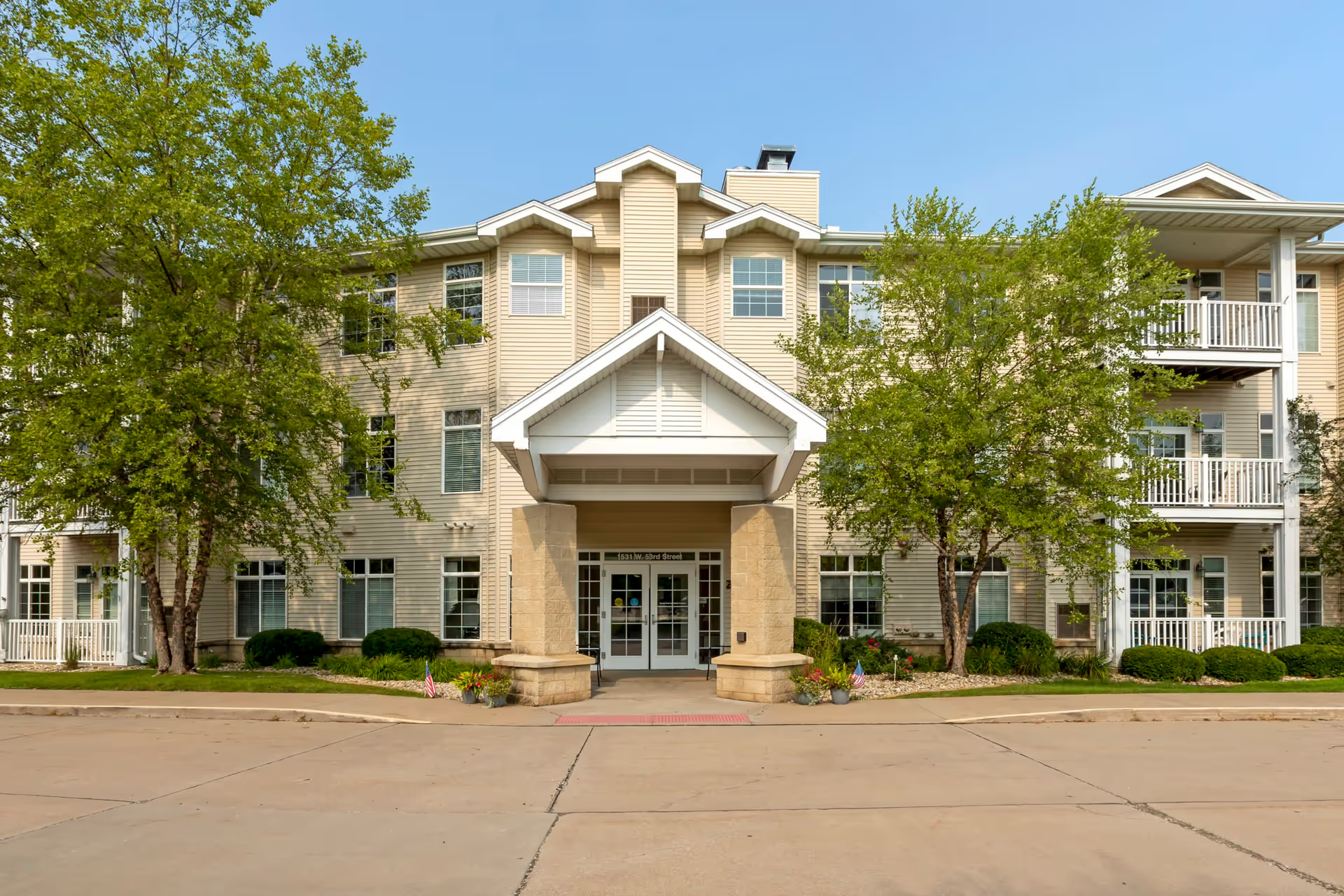
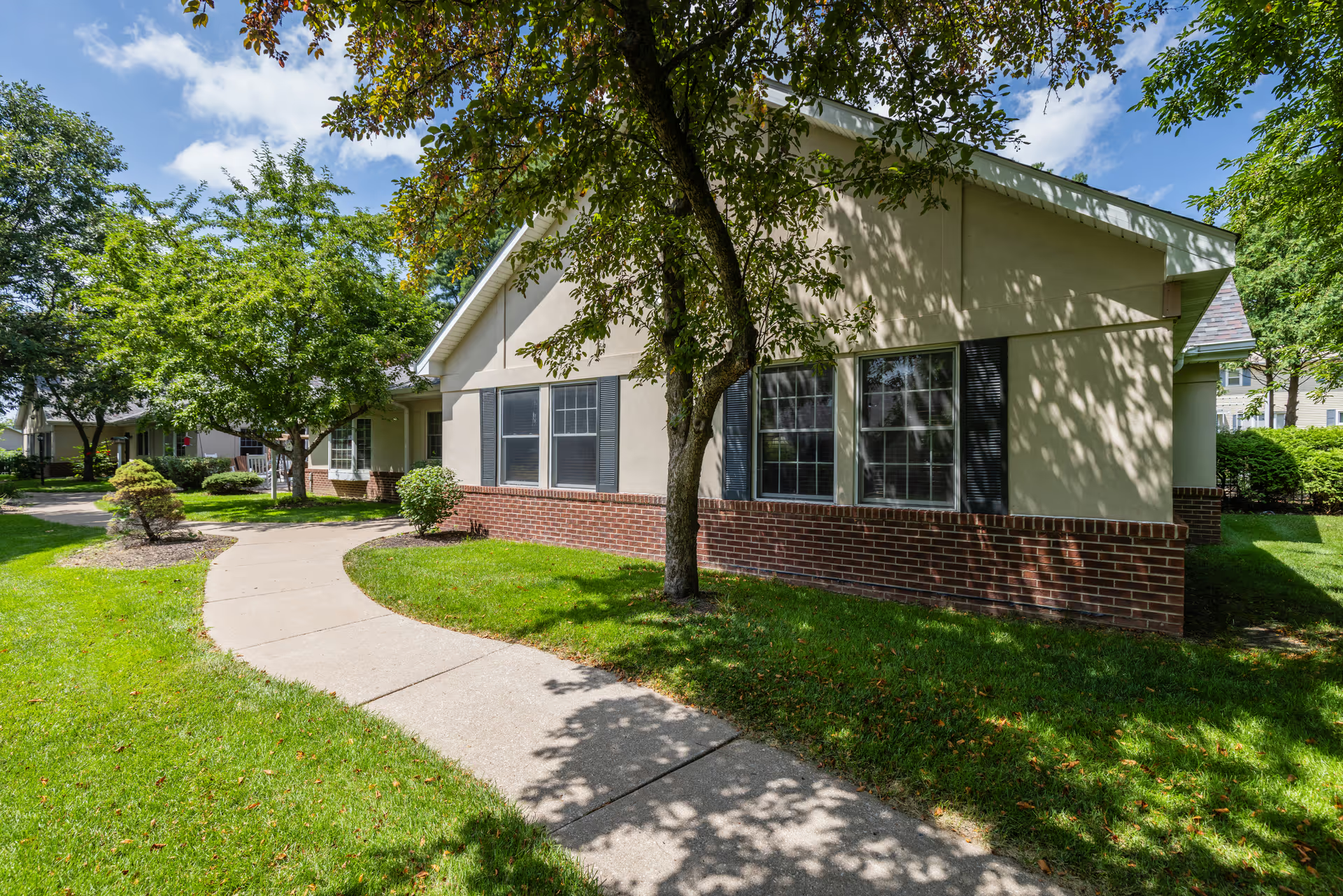
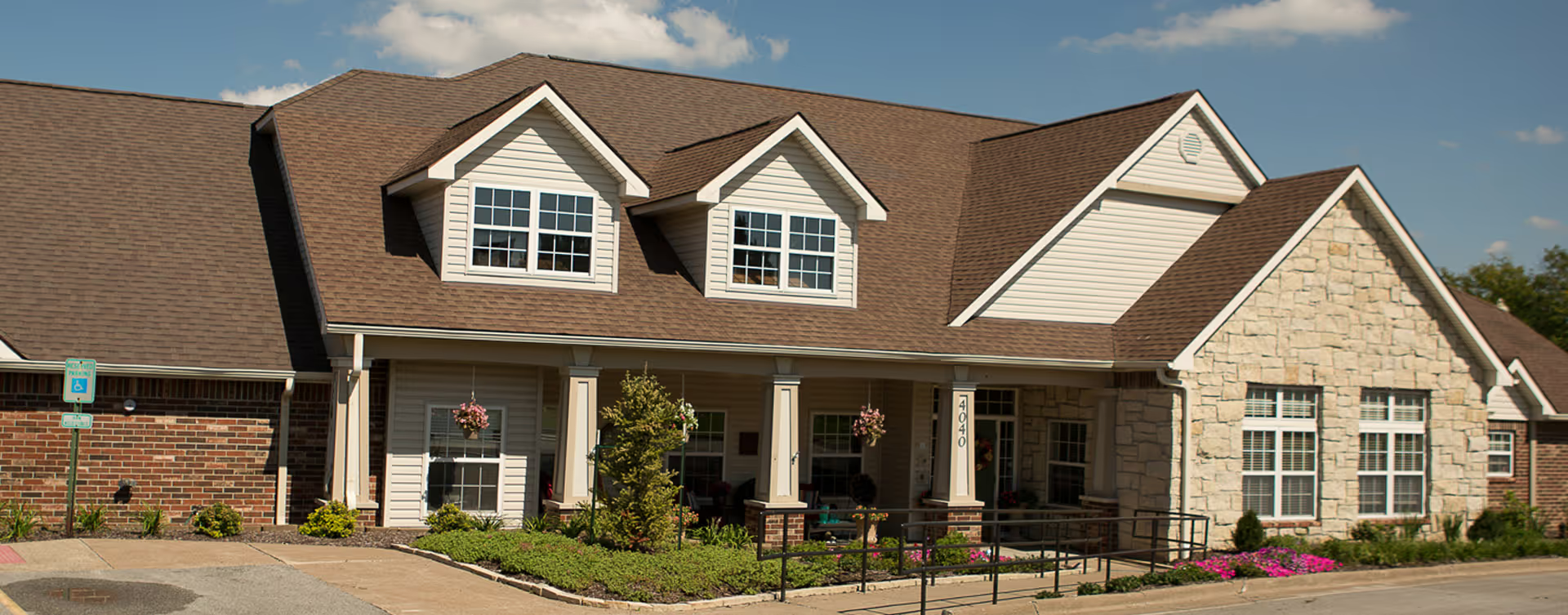
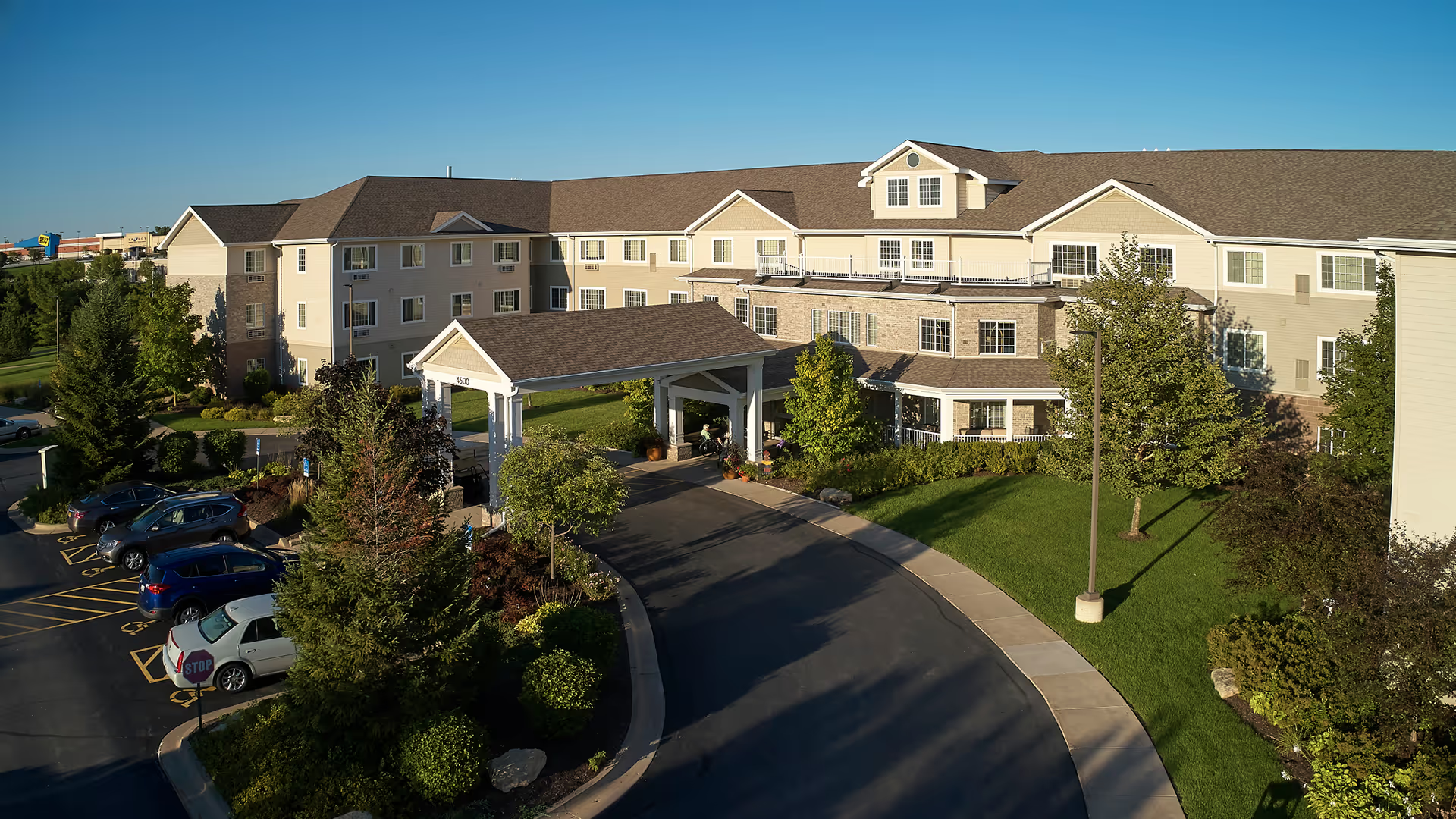
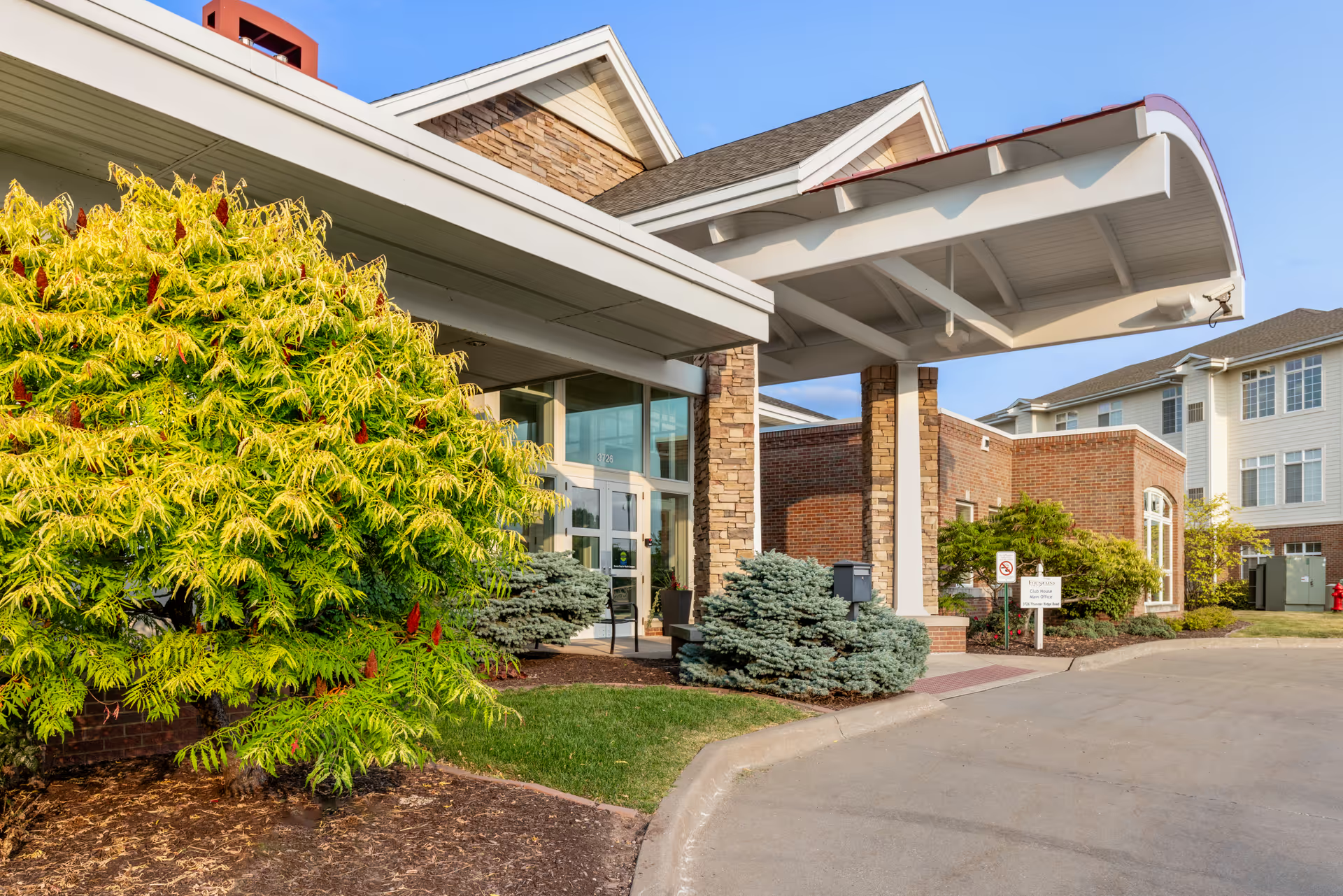
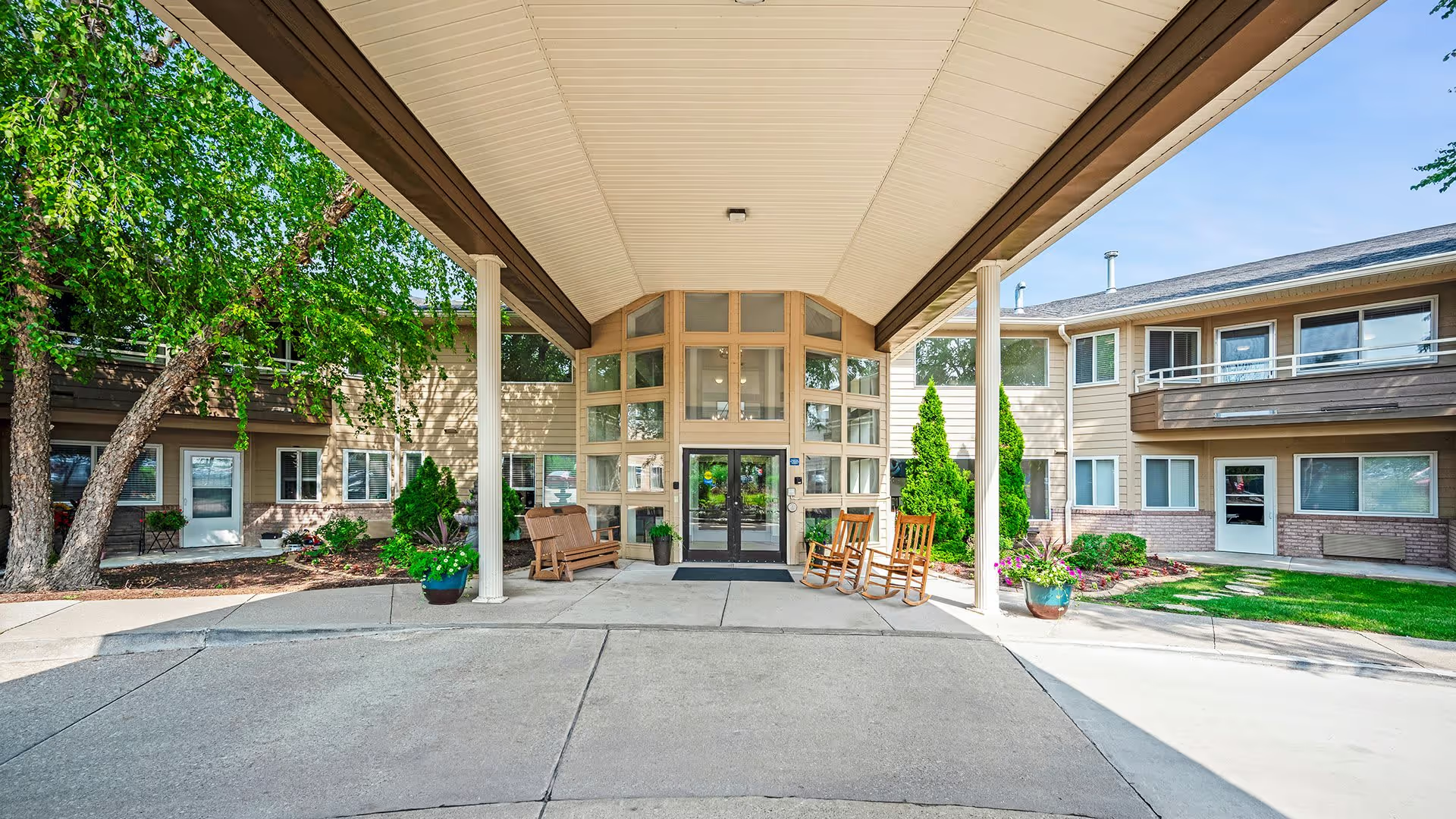
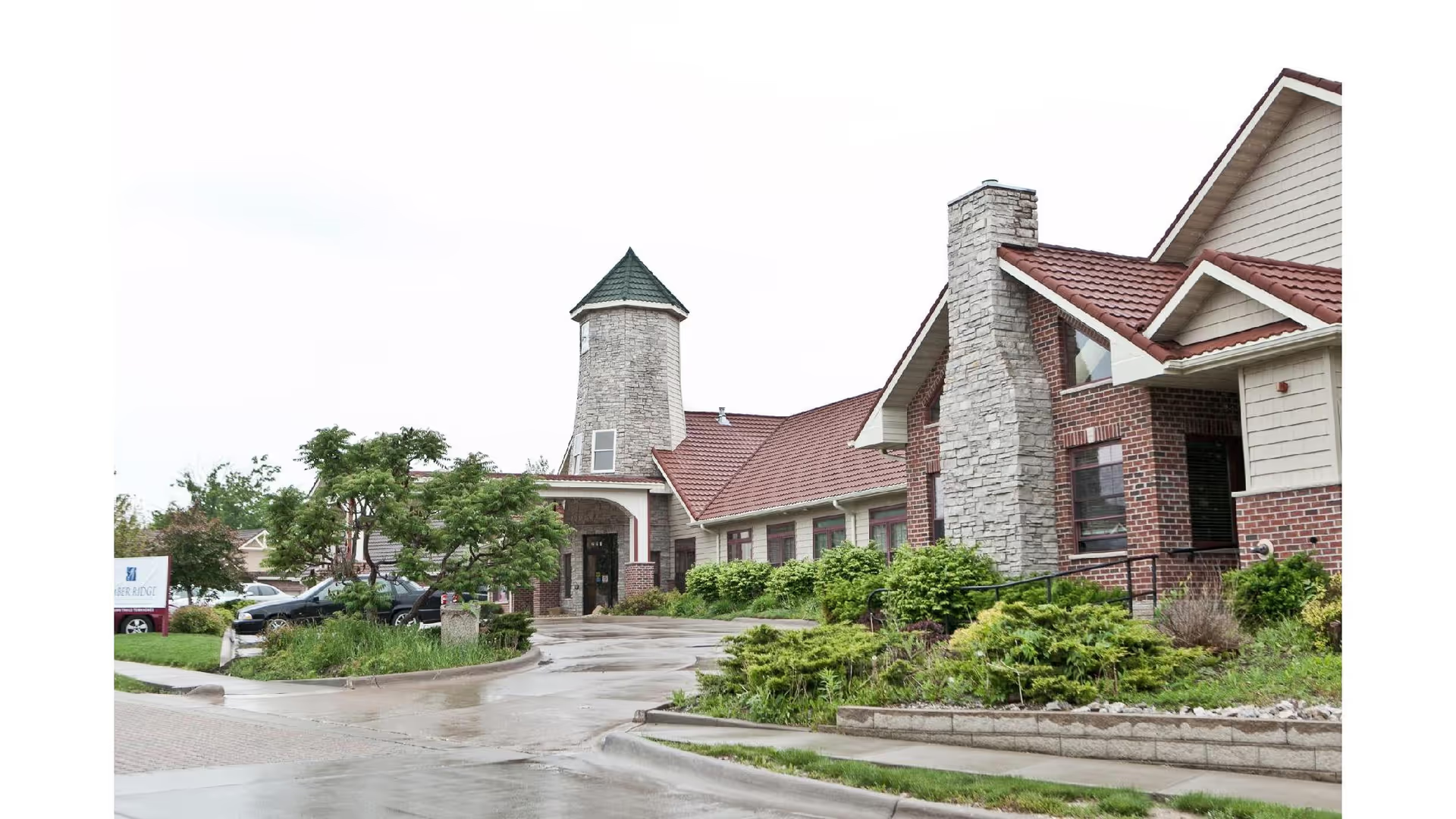
Overall impression: Grand Haven Retirement Community presents a well-maintained physical campus and an active social program that many families find supportive. The facility's assisted-living units are described as spacious, clean, and comfortable, with private bathrooms, a one-level layout that aids accessibility, and outdoor/gardening options. Dining and hospitality are frequently praised: three meals plus snacks, flexible food choices, special treats, transportation to appointments, and routine room-cleaning and maintenance services contribute to a high level of everyday convenience for residents.
Care and clinical oversight: Reviews describe a mixed clinical picture. Several families praised the on-site rehabilitation and therapy offerings and noted improvements in mobility and speech for some residents, as well as 24/7 nursing availability. However, other families raised concerns about medication-management and clinical monitoring. These concerns include episodes where residents appeared less responsive after medication changes, multiple falls requiring emergency care, and uneven attention to personal-care tasks such as bathing and oral care. Collectively these items indicate variability in clinical supervision and fall-prevention practices that prospective families should clarify with the provider.
Staff and training: Staff are routinely described as warm, friendly, and compassionate; many accounts highlight caregivers who create a family-like atmosphere and engage residents in activities. At the same time, reviewers noted inconsistent staff competency, especially in the memory-care unit, where interactions and dementia-specific approaches were seen as inadequate by some families. Operational gaps such as lack of visible name tags or an accessible list of staff credentials, and a perceived emphasis on medication and meal delivery over social engagement, point to variability in staff training and role focus across units.
Activities and community life: Activity programming is a clear strength. Music, mystery trips, outings, group events, and opportunities to garden were repeatedly noted as valuable contributors to resident quality of life. During infection-control periods, staff adapted by delivering meals to rooms and maintaining programmed activities where possible. These offerings support social engagement and appear to be a consistent positive across much of the community.
Management, policies, and transparency: Several reviews raise operational concerns around contract terms and billing practices. Items flagged include nonrefundable deposits, charges for days not occupied, higher-level care fee structures, and notice requirements for discharge or relocation. Families also described inconsistent communication about changes in a resident's condition and decisions that felt abrupt or inadequately explained. These patterns suggest that prospective residents and families should review contract language carefully and seek clear, written explanations of clinical escalation criteria, billing policies, and discharge procedures before committing.
Decision guidance: Grand Haven offers many elements families value in a residential setting—clean physical spaces, robust activities, hospitable dining, and numerous staff who are described as caring and attentive. At the same time, recurring operational themes around clinical consistency, memory-care staffing, fall-prevention, medication oversight, and administrative transparency merit focused inquiry during tours and admissions discussions. Prospective residents or their representatives should ask targeted questions about staff training in dementia care, protocols for medication review and monitoring, fall-prevention measures, toiletry and personal-item access, channels and frequency of family updates, and specific contract/billing terms to ensure alignment with their expectations and care needs.