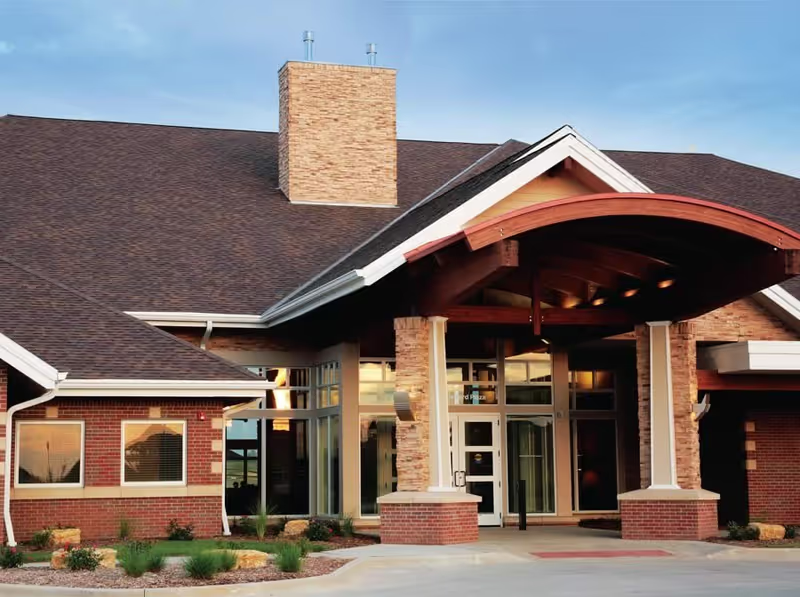
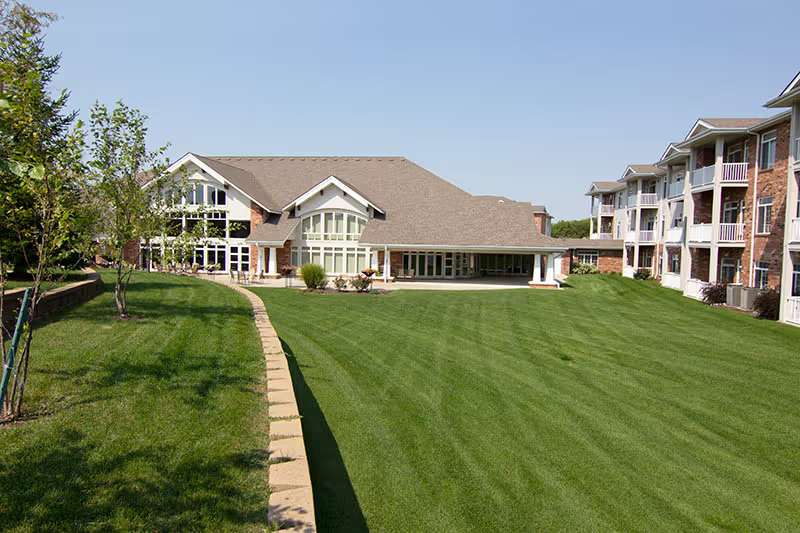
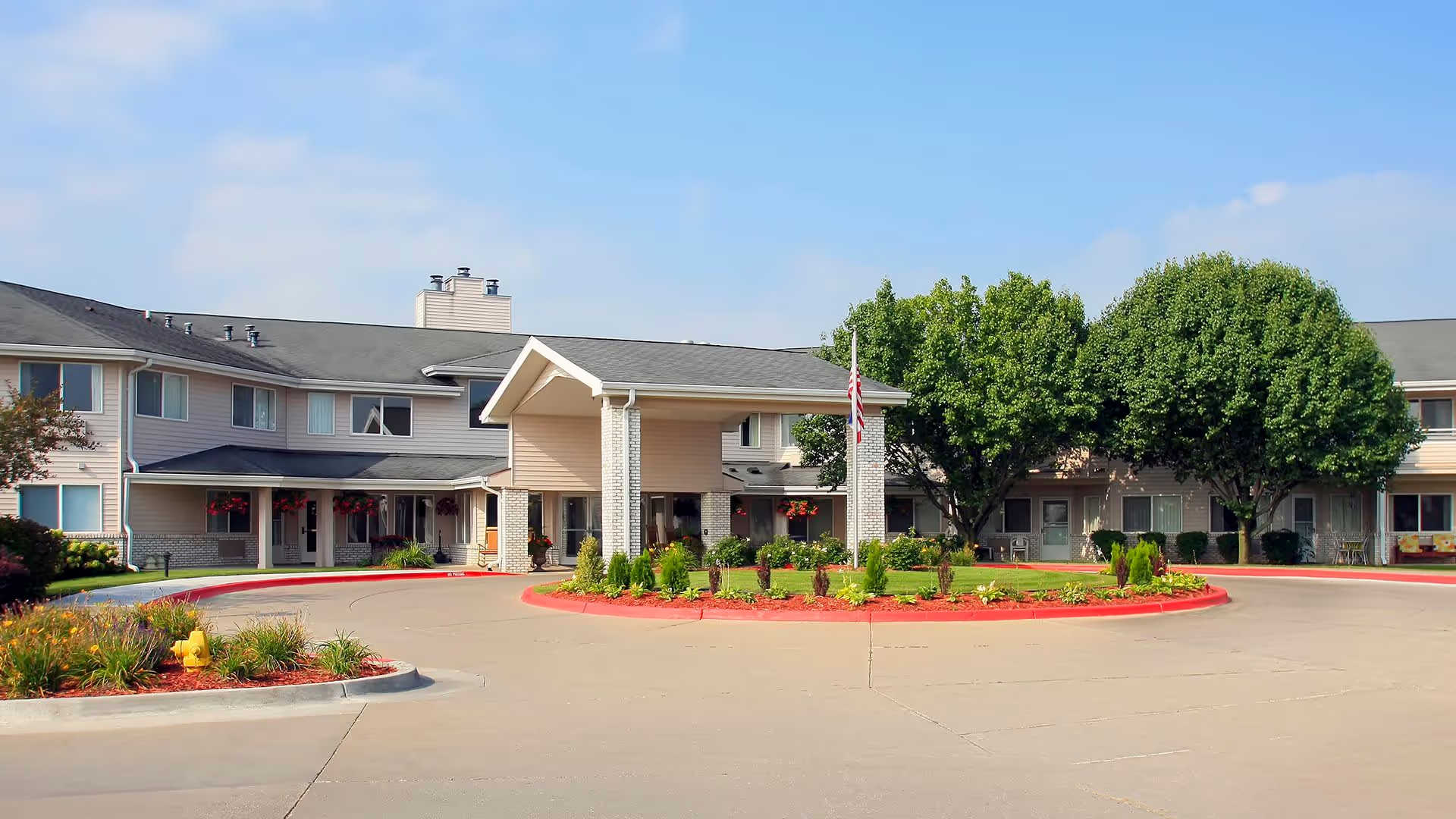
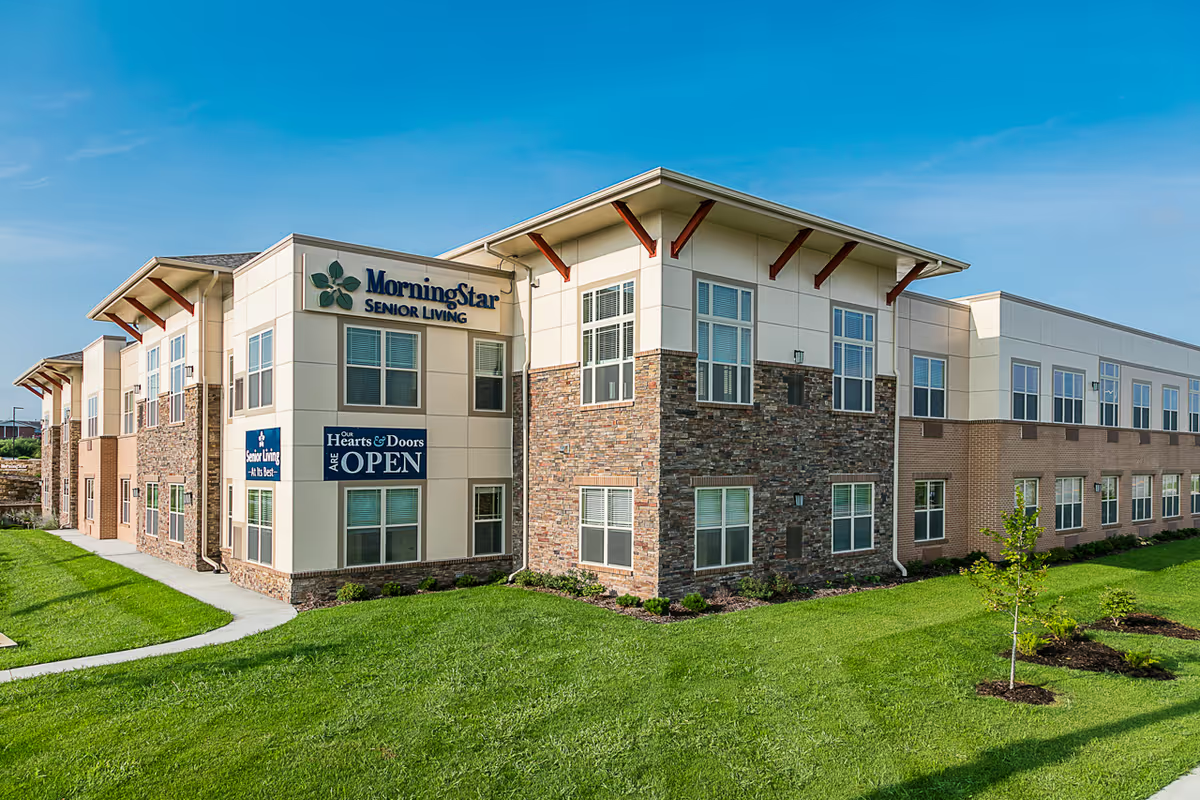
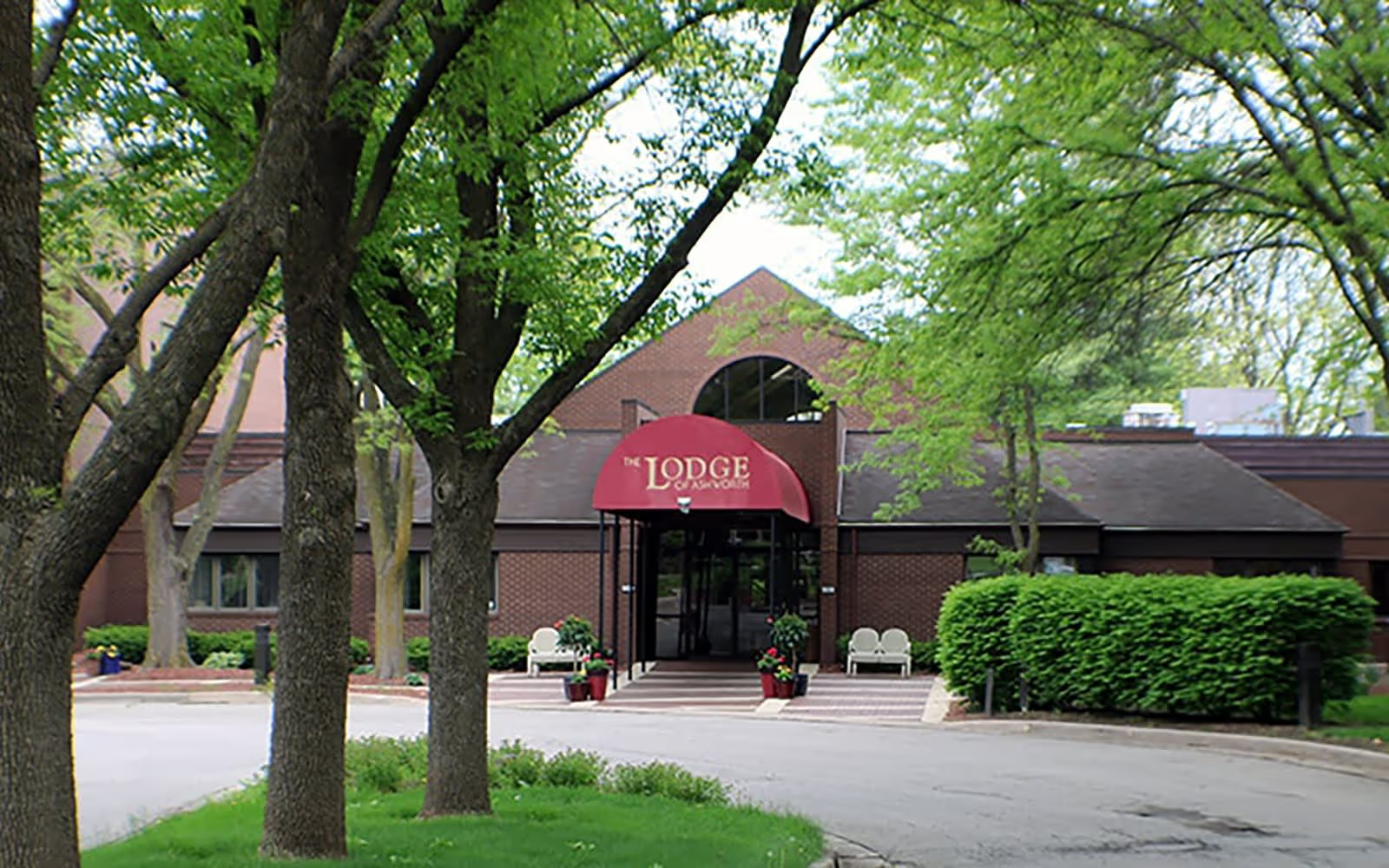
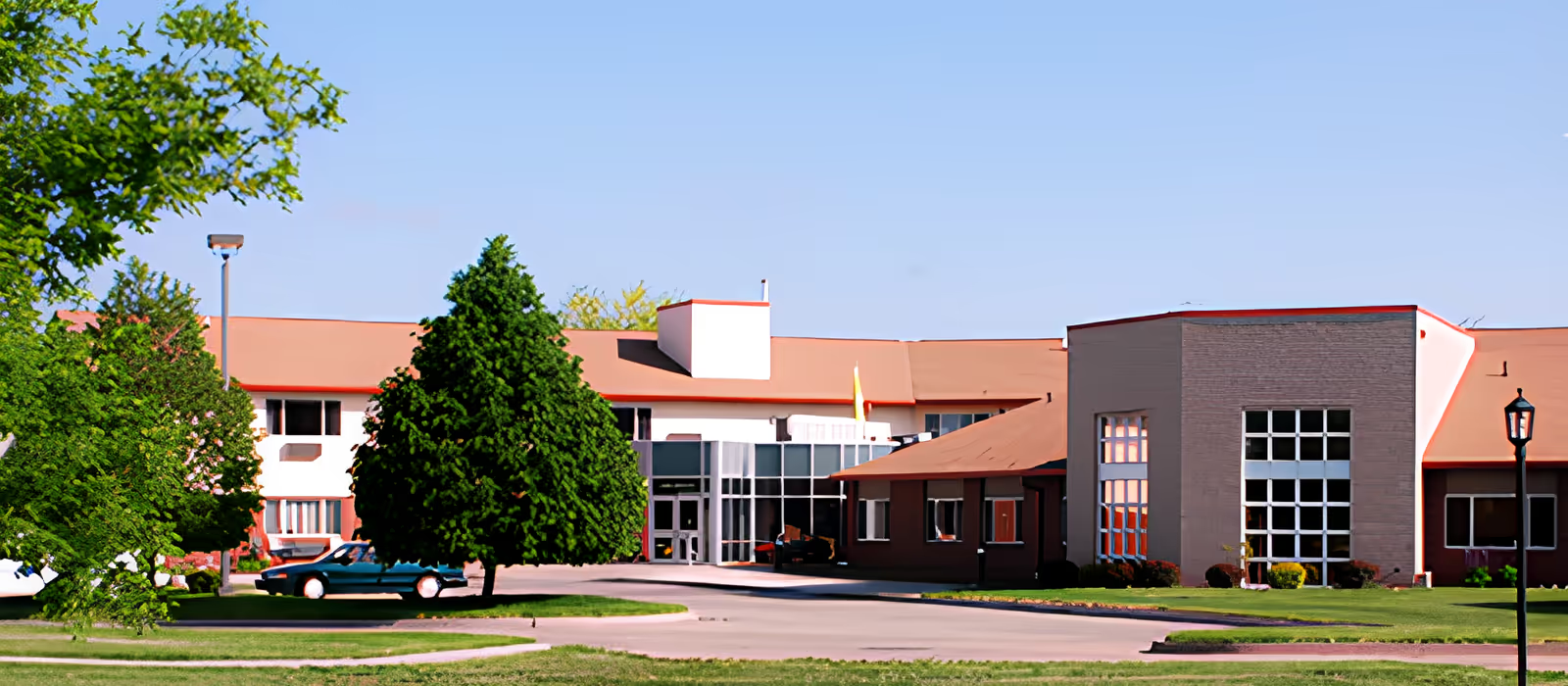
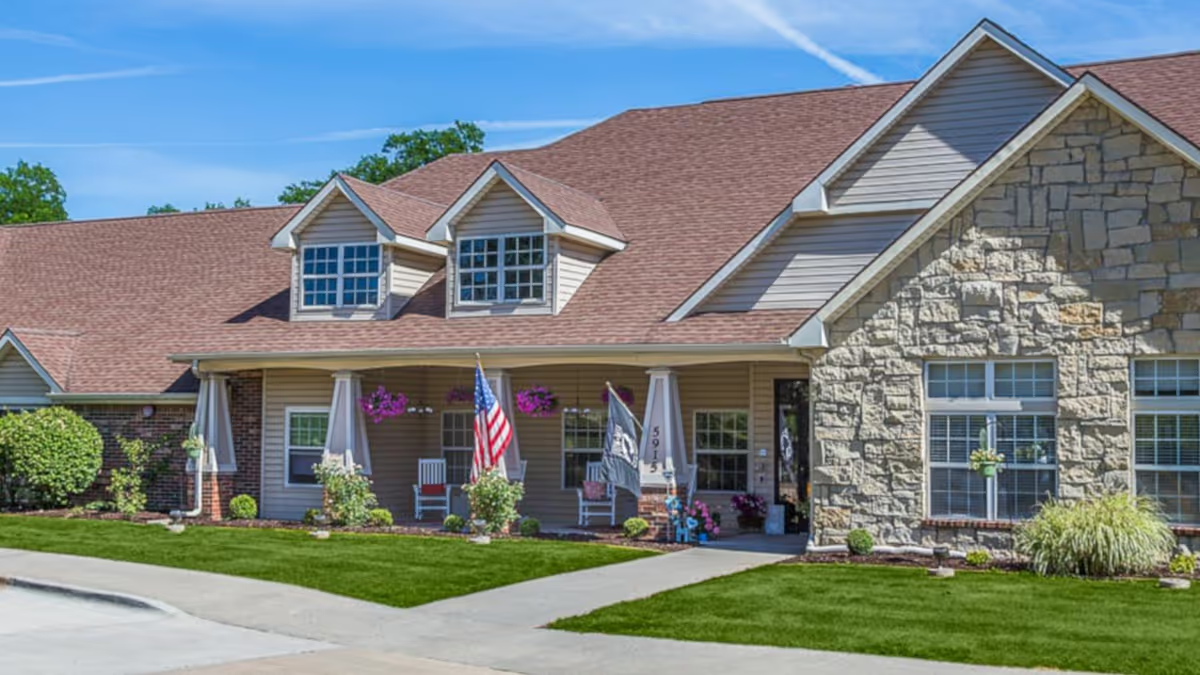
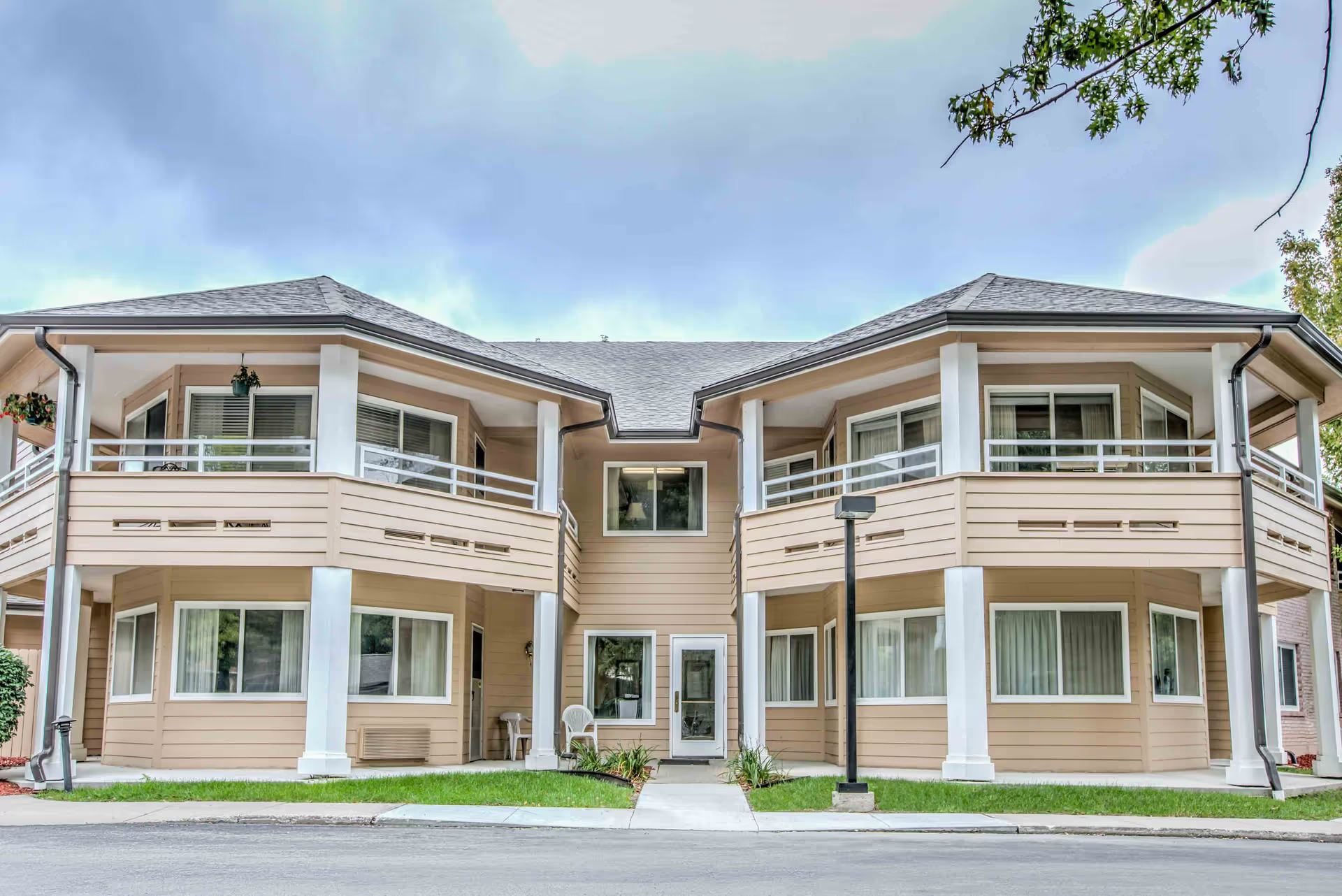
Walnut Ridge presents as a well-appointed, campus-style senior living community with substantial physical and programmatic assets. The facility’s design—wide hallways, high ceilings, abundant glass, and landscaped grounds—receives consistently positive mention, as do accessible outdoor walking areas and benches. Indoor amenities are a strong feature: an indoor pool with water‑aerobics and whirlpool, a staffed fitness/wellness center, theater and game rooms, and restaurant-style dining spaces. Apartment offerings include in-unit laundry, underground/heated parking, pet-friendly options, and various floor plans that support independent living while providing on-site assisted and memory-care services for residents needing higher levels of support.
Care quality and staff performance are prominent positives. Many accounts describe staff as professional, caring, and communicative; families report proactive outreach, frequent staff check-ins, and thoughtful transitions. The community’s early and sustained infection-control measures during the COVID-19 period are noted as comprehensive, including adaptations to meal delivery, visitation, and family communication. Memory care is staffed and structured in ways that families have found comforting, though occupancy and waitlists have limited immediate access for some.
Dining and activities are emphasized as strengths. Reviewers cite a wide variety of fresh, heart‑healthy meal options, a cafeteria-like restaurant environment, and both affordable and premium meal choices depending on the time of day and selection. Activity programming is broad and socially oriented—live music, theater groups, mixers, games, crafts, yoga, and movies—with particular praise for aquatic and fitness offerings that support wellness and social engagement. That said, activity frequency and availability have occasionally fluctuated due to infection-control measures or staffing constraints.
Operational and management patterns show both positives and areas for improvement. Families appreciate routine maintenance, quick apartment turnarounds between residents, and regular family updates via social channels. At the same time, there are consistent notes about premium overall cost and additional fees that can affect perceived value. Transportation services have been characterized as limited or inflexible, and there have been isolated examples of no-shows for therapy or confusion around transport schedules. Administrative responsiveness and tone have been uneven in some accounts, and coordination of long-term care insurance and care-level transitions has occasionally caused confusion for families navigating placement or coverage.
Several practical limitations emerge as recurrent themes: the facility’s size and long hallways can be challenging for residents with limited mobility; memory-care availability is constrained at times; and there are indications of inconsistent staffing levels that can produce intermittent service gaps. There is also a single, isolated account describing a serious staff-conduct allegation; while this appears to be an outlier in the broader set of feedback, it warrants follow-up by any prospective resident or family performing due diligence.
Overall, Walnut Ridge offers a high-amenity environment with robust wellness, dining, and social programming and a generally well-regarded staff culture. Prospective residents and families should weigh the premium cost against the facility’s amenities and staff strengths, confirm current memory-care availability and transportation arrangements, and discuss administrative communication expectations and insurance/contract details during a tour and contract review.