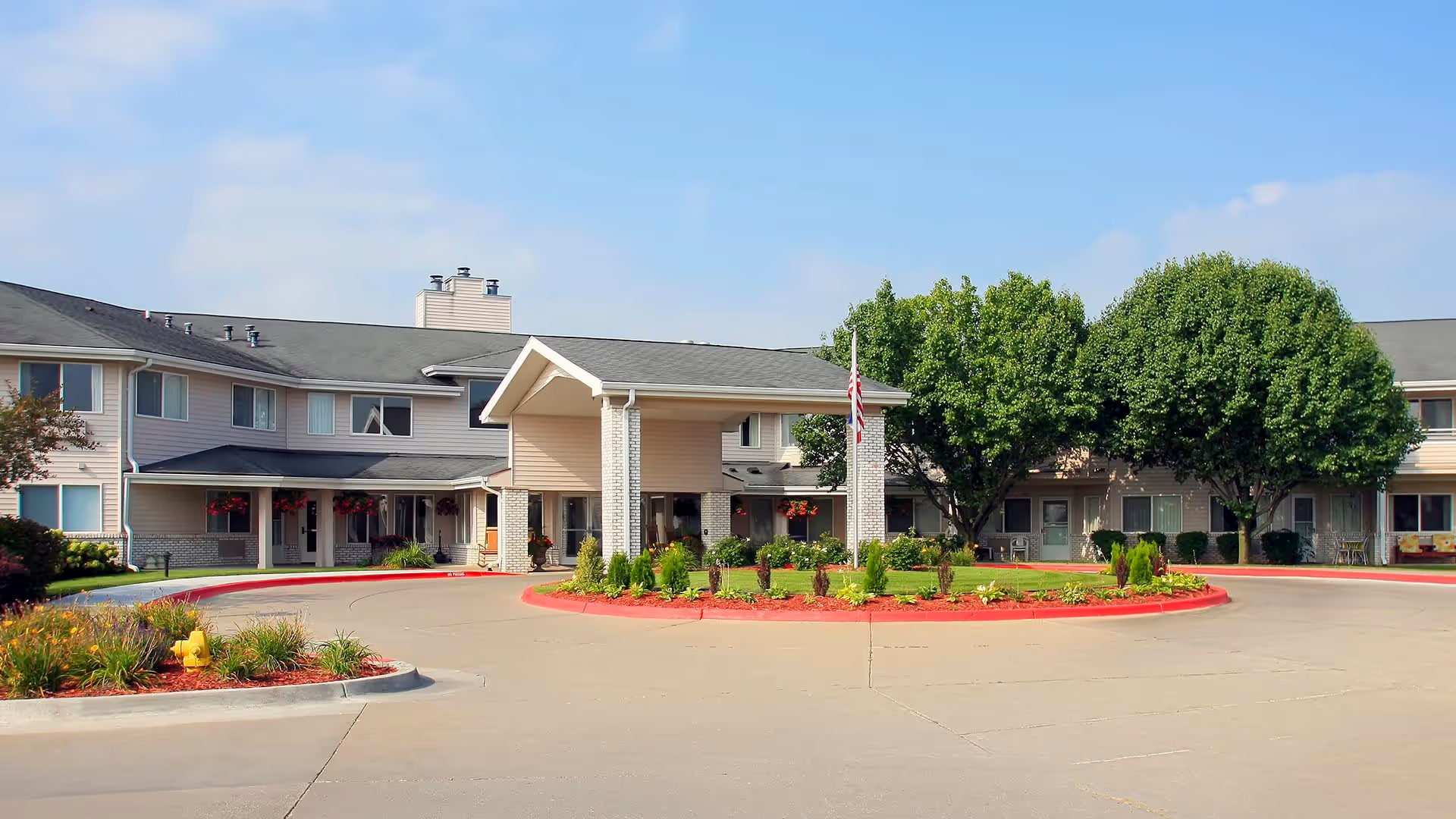
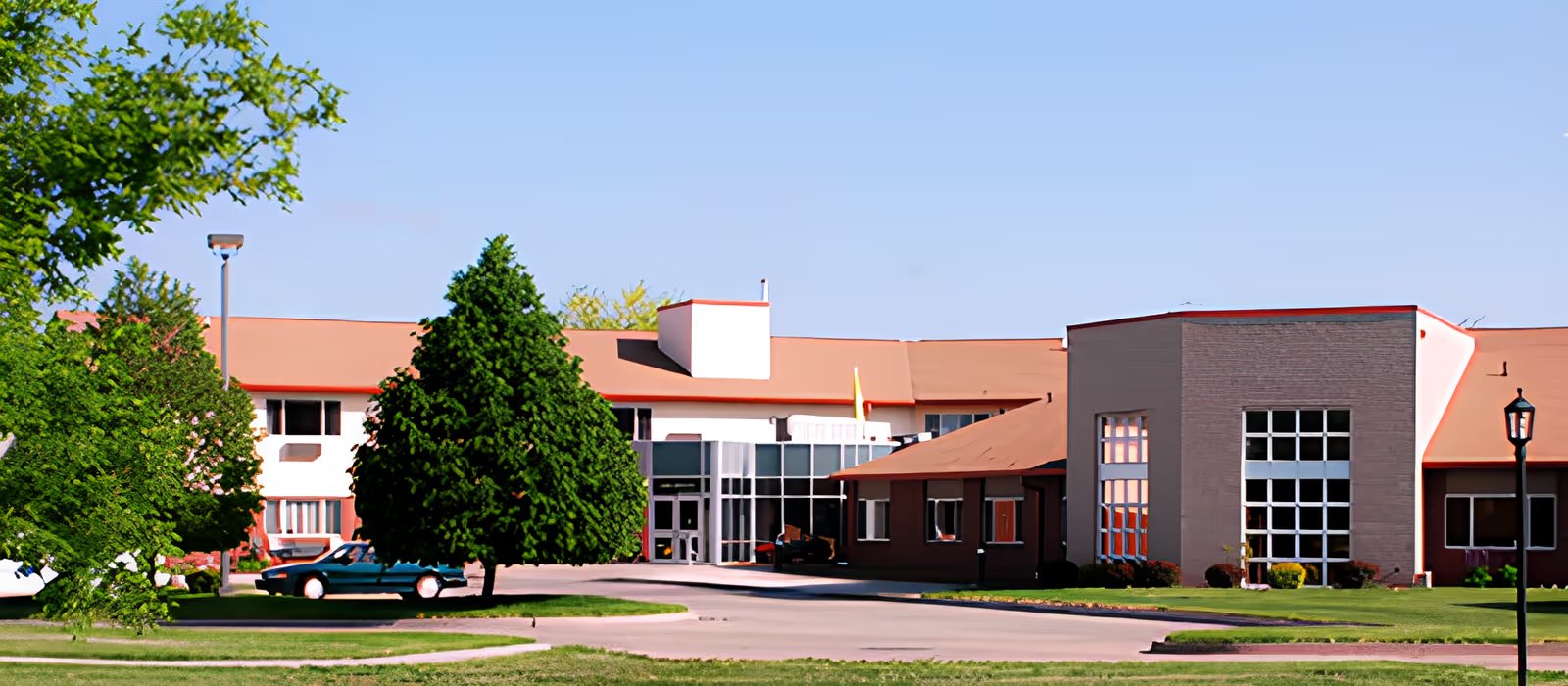
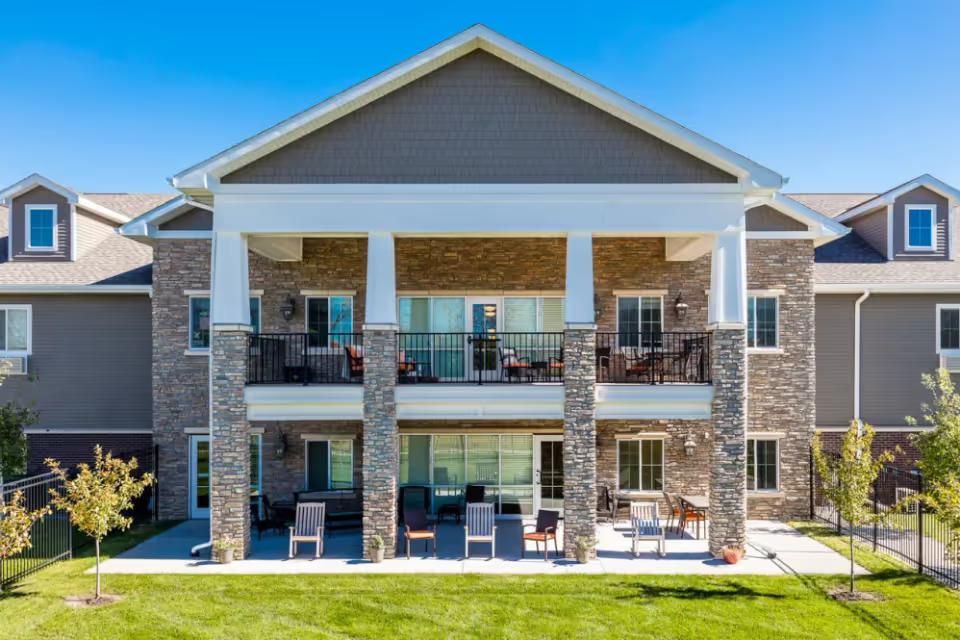
Calvin Community is consistently described as a warm, home‑like senior living community with many strengths in staffing, amenities, and resident engagement. Reviewers routinely praise long‑tenured, compassionate employees across nursing, activities, and dining teams; many emphasize attentive caregiving, strong family communication, and good coordination with hospice providers. The campus offers a range of tangible amenities that families value, including hotel‑style interiors in parts of the building, spacious apartments, a resident garage, a courtyard and walking paths, rehabilitation and exercise areas, and welcoming common spaces such as a coffee shop and library.
Care quality and staff performance receive the most positive attention. Numerous accounts highlight attentive nurses and aides, personalized interactions, and staff who take time to involve residents in activities and keep families informed. The activities department is described as proactive and inclusive, offering a varied schedule (religious services, games, manicures, movie nights, outings) that supports social life and resident engagement. Dining is frequently noted as a strength: reviewers describe varied, high‑quality meals and staff who accommodate dietary needs and facilitate communal dining.
Alongside these strengths, there are recurring operational concerns that prospective families should consider. Staffing levels appear inconsistent at times, with specific references to weekend shortages and situations where response systems (for example, call lights) did not function reliably. Several accounts describe sanitation or odor concerns in particular areas, which suggests unevenness in environmental services or incontinence‑care follow‑through. More serious clinical themes include gaps in monitoring and care coordination for higher‑risk residents — examples include delayed recognition of clinical changes, challenges in pain and anxiety management, and events that led families to question appropriateness of the placement for residents with advanced cognitive impairment. These issues point to variability in clinical oversight rather than a uniformly poor standard of care.
Facility condition and management present a mixed picture. Parts of the campus are described as high quality and well maintained, while other areas are characterized as older or undergoing construction. The organizational culture is often framed positively — nonprofit, resident‑first, and led by experienced staff — and many reviewers highlight responsive leadership. However, there are also serious finance‑related concerns raised about contract terms and beneficiary arrangements; these statements should prompt careful contract review and clear discussions with administration and legal/POA advisors before committing.
Practical recommendations for families: tour multiple wings (including rehab and memory‑care areas), ask specific questions about weekend staffing ratios and call‑response times, review clinical protocols for monitoring high‑risk residents and pain/anxiety management, confirm dementia‑care programming and suitability, inspect cleanliness practices and odor‑control measures, and review contract language regarding payments and beneficiary designations with counsel if needed. Overall, Calvin Community offers many appealing features—particularly around staff engagement, activities, and dining—but prospective residents and their families should weigh those strengths against the noted operational inconsistencies and ensure specific safeguards are in place for higher‑acuity or dementia care needs.