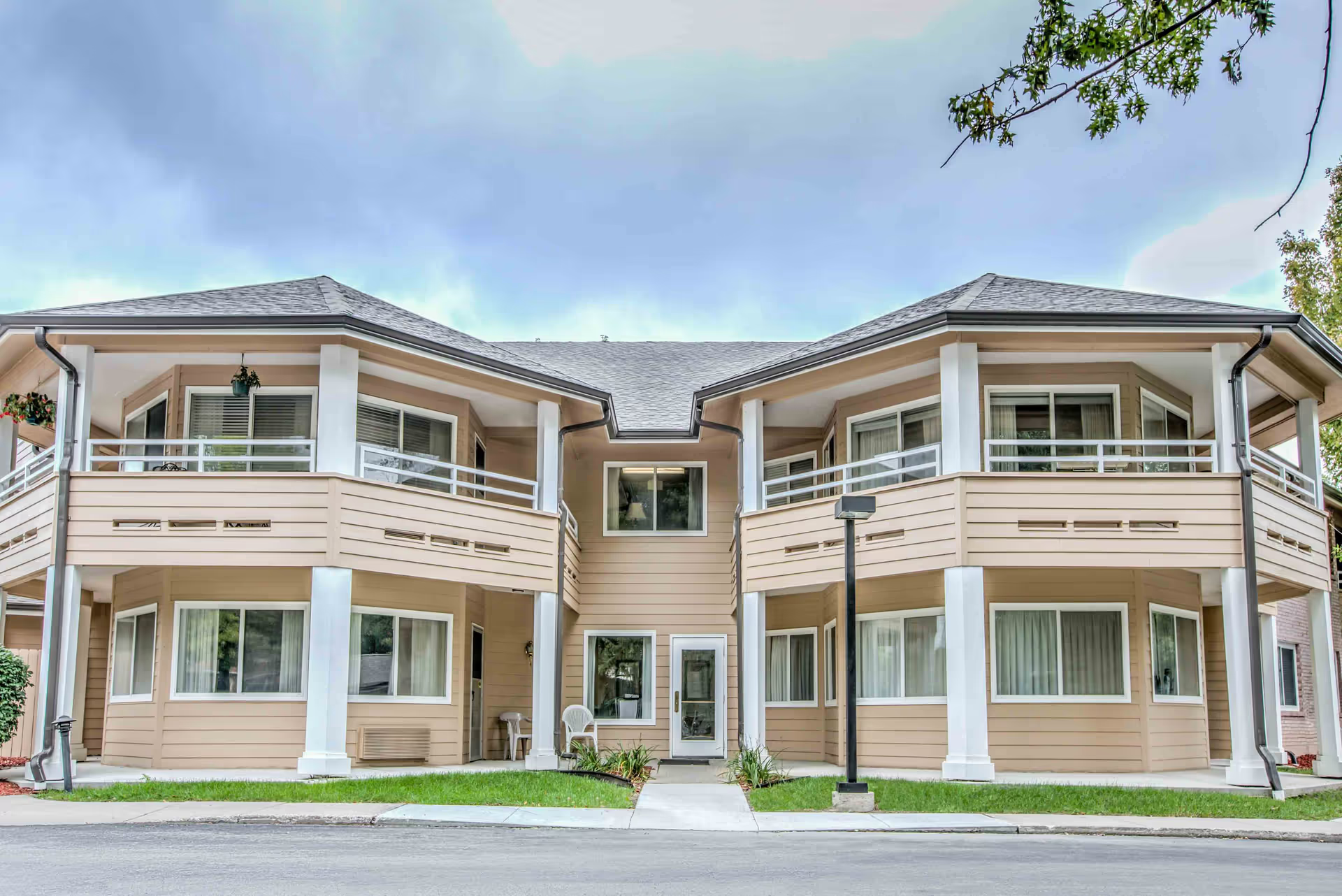
Kennybrook Village consistently presents as a well-maintained, amenity-rich continuing care community with a strong emphasis on staff engagement and resident well-being. Reviews emphasize a culture of attentive, compassionate caregiving led by clinical leadership (a nurse director) and supported by on-site medical oversight, medication-management systems, and rehabilitation services. Families and long-term residents frequently describe staff as personable, knowledgeable, and responsive; several tour experiences singled out individual staff members for clear communication and helpfulness. The combination of professional clinical support and warm staff–resident interactions is a prominent strength.
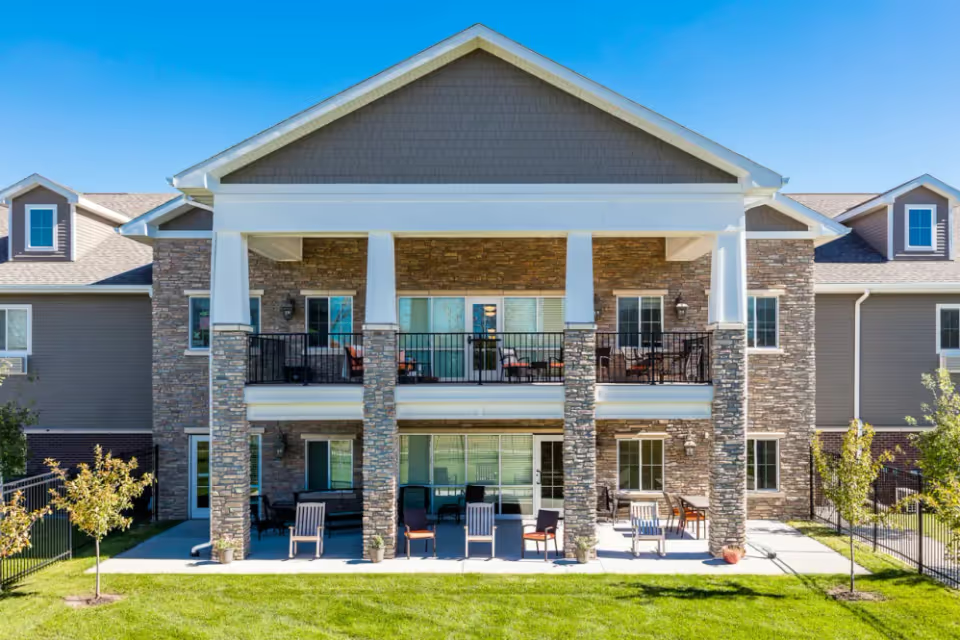
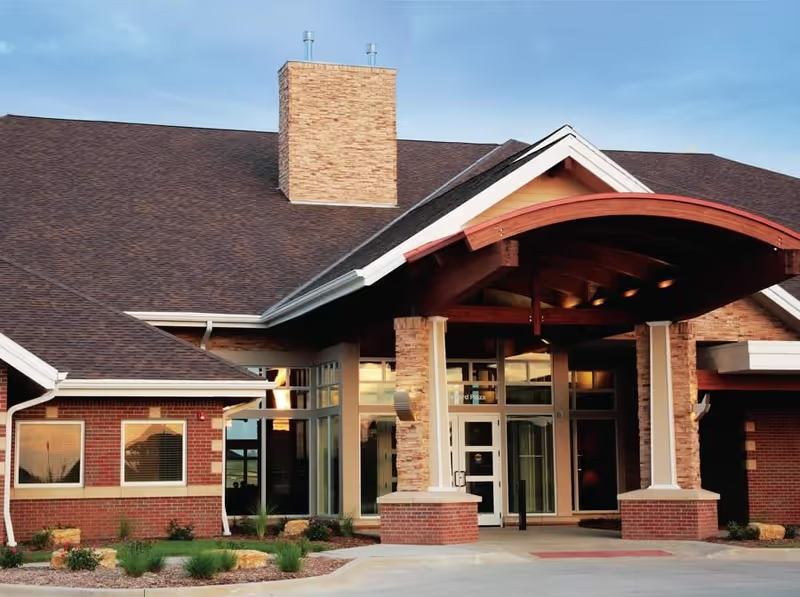
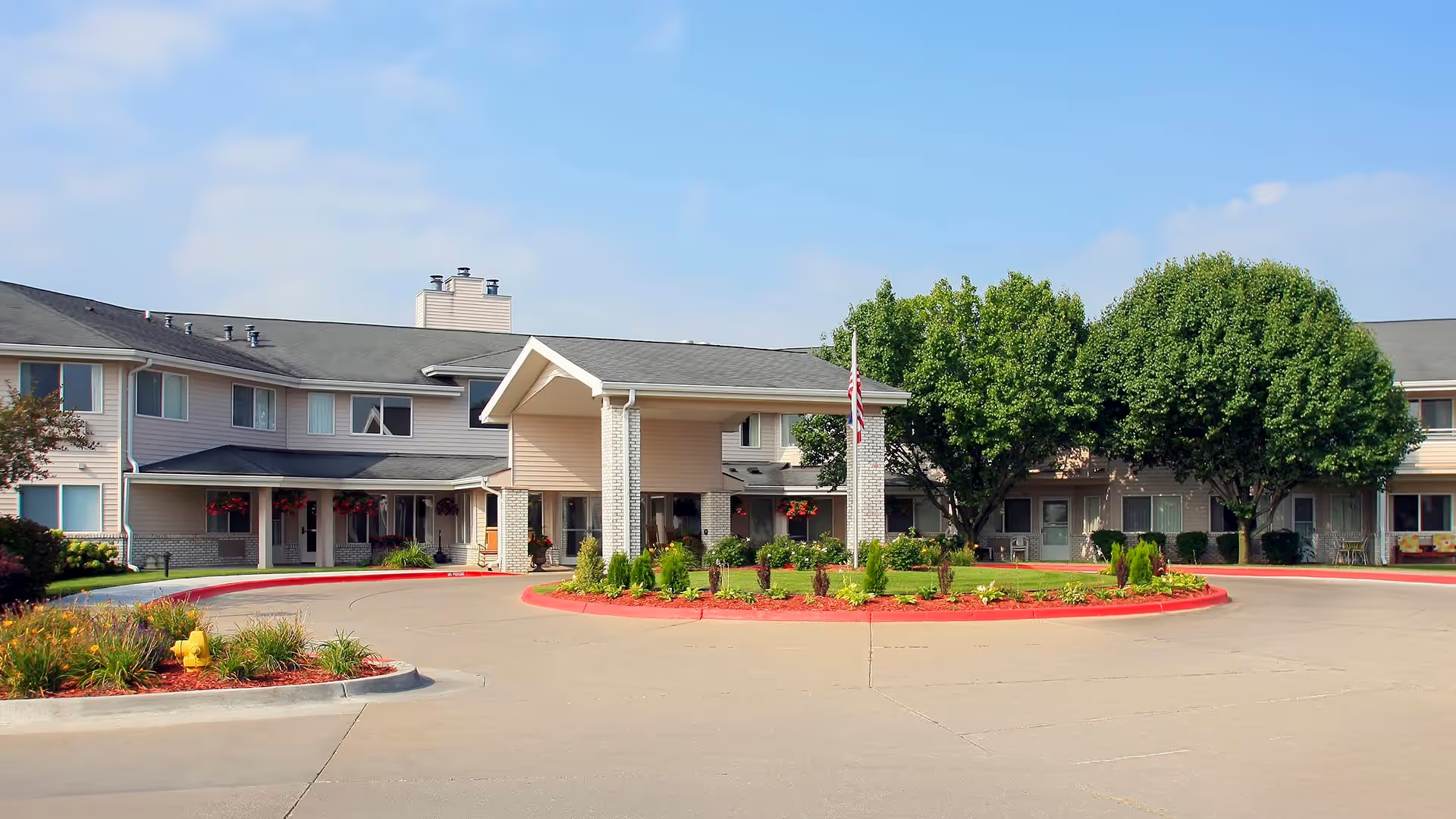
Facilities and apartments are described as spacious and homelike, with many units offering kitchenettes, walk-in closets, and thoughtful layout features. The building and grounds are repeatedly characterized as clean and well cared for. Kennybrook offers a broad set of on-site amenities — salon, fitness room, chapel/movie theater, coffee shop, private dining rooms — and hotel-like common areas that support socialization and family visits. On-site physical therapy and skilled rehab capacity, plus a separate memory-care house, provide continuity of care for residents whose needs escalate over time.
The activities program is robust and varied: daily exercise classes, music programs, Bible study and chaplain services, field trips, and off-site outings with transportation within a local radius. Reviewers note good resident engagement and a busy events calendar, which contributes to a generally upbeat community atmosphere. Dining is positioned as a positive feature overall (three meals daily, appealing menus), though a number of comments indicate variability in meal satisfaction; this is an area where family preferences and expectations appear to diverge.
Management and administrative performance receive mixed but generally positive commentary. Many reviewers praised the community’s organization, follow-up from marketing or admissions staff, and routine housekeeping/maintenance. At the same time, a recurring operational concern centers on admissions and financial practices: asset-based eligibility limits, waitlist constraints, and how deposits or wait-list fees are handled. Multiple reviewers expressed frustration with what they perceived as opaque disclosure of financial-policy details and with situations in which deposits were collected but admission could not be completed due to eligibility or funding limits. Availability is another practical constraint — waiting lists are reported, and openings may be declined or delayed when financial criteria are not met.
Other practical considerations flagged by reviewers include occasional differences in dining experience, some accessibility and bathroom design challenges in certain units, and clear limits to what the assisted-living level will manage clinically (for example, residents with advanced continence-care needs may require a different level of care). These are operational traits to confirm during a tour and in written policy review.
In summary, Kennybrook Village appears to offer high-quality, resident-focused care within a clean, well-appointed campus and a wide array of services and activities. The strongest patterns are in staff engagement, clinical oversight, amenities, and community life. Prospective residents and families should prioritize direct questions about admissions criteria, deposit and refund policies, cost structure, specific dining offerings, and the detailed scope of assisted-living clinical services (including how incontinence care is handled and what triggers transfer to a higher level of care) before committing. This will help align expectations about availability, costs, and the clinical services the community will deliver over time.