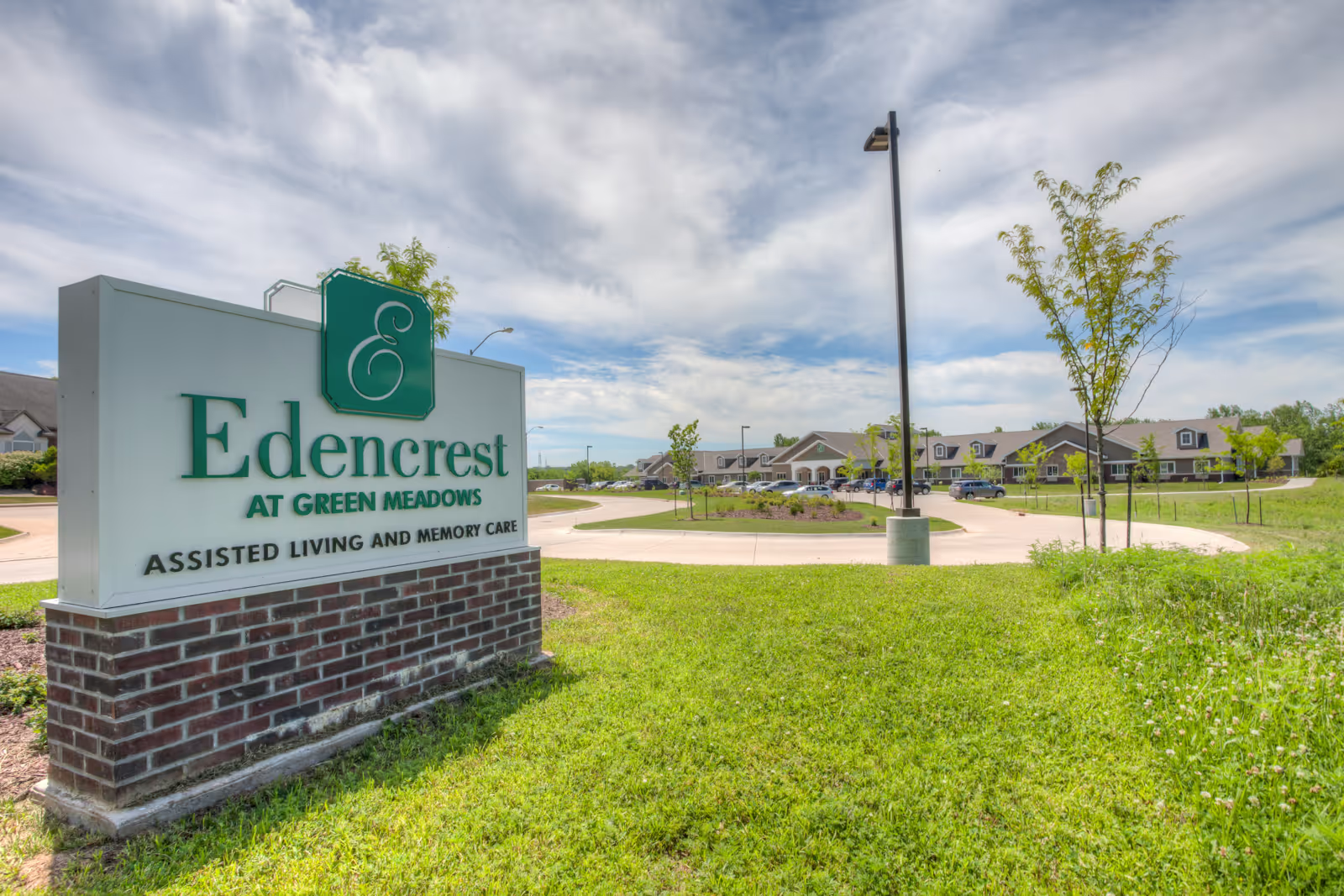
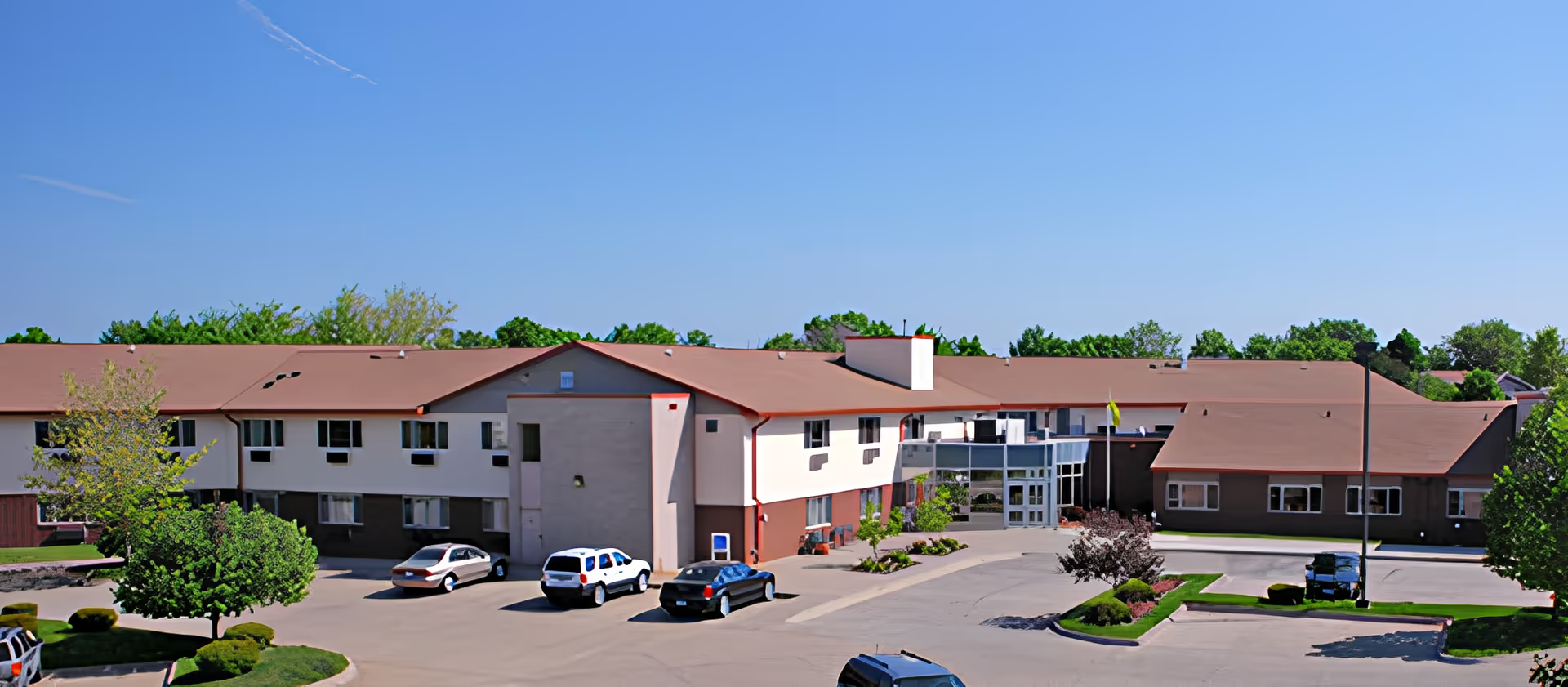
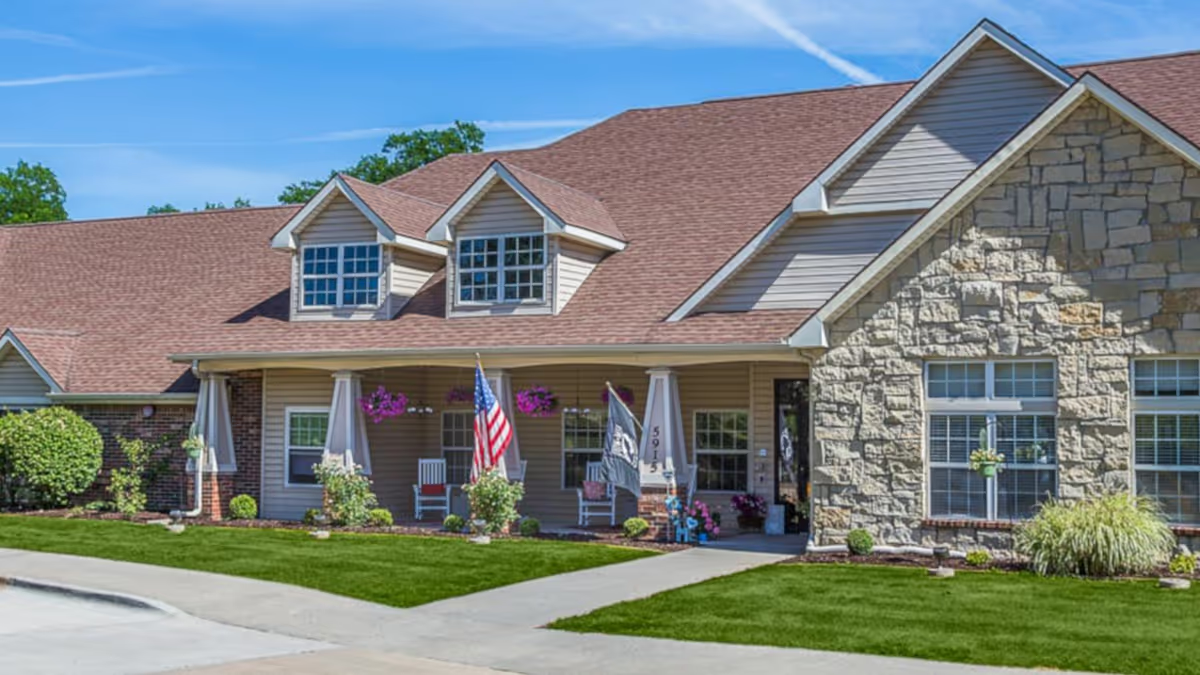
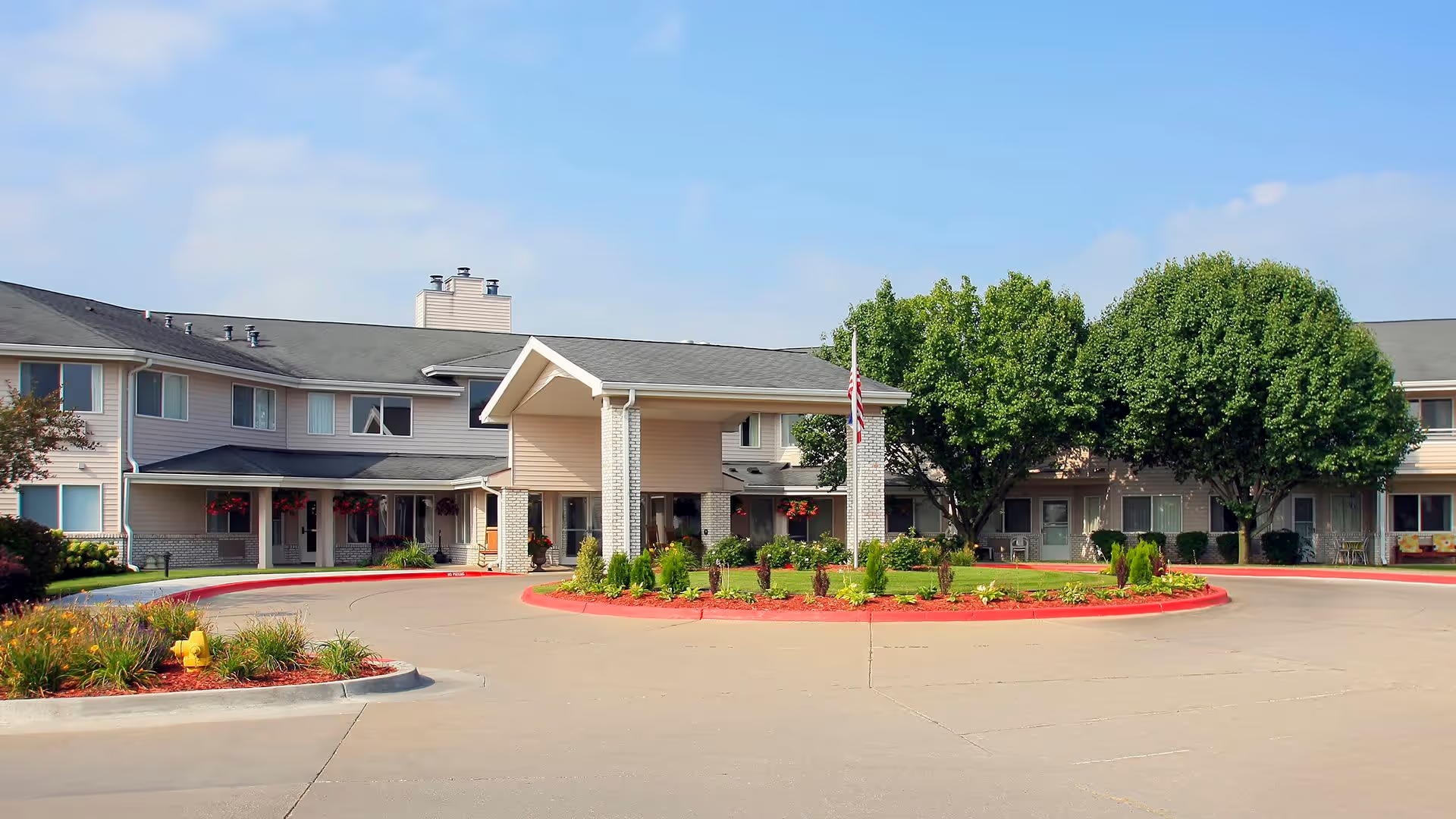
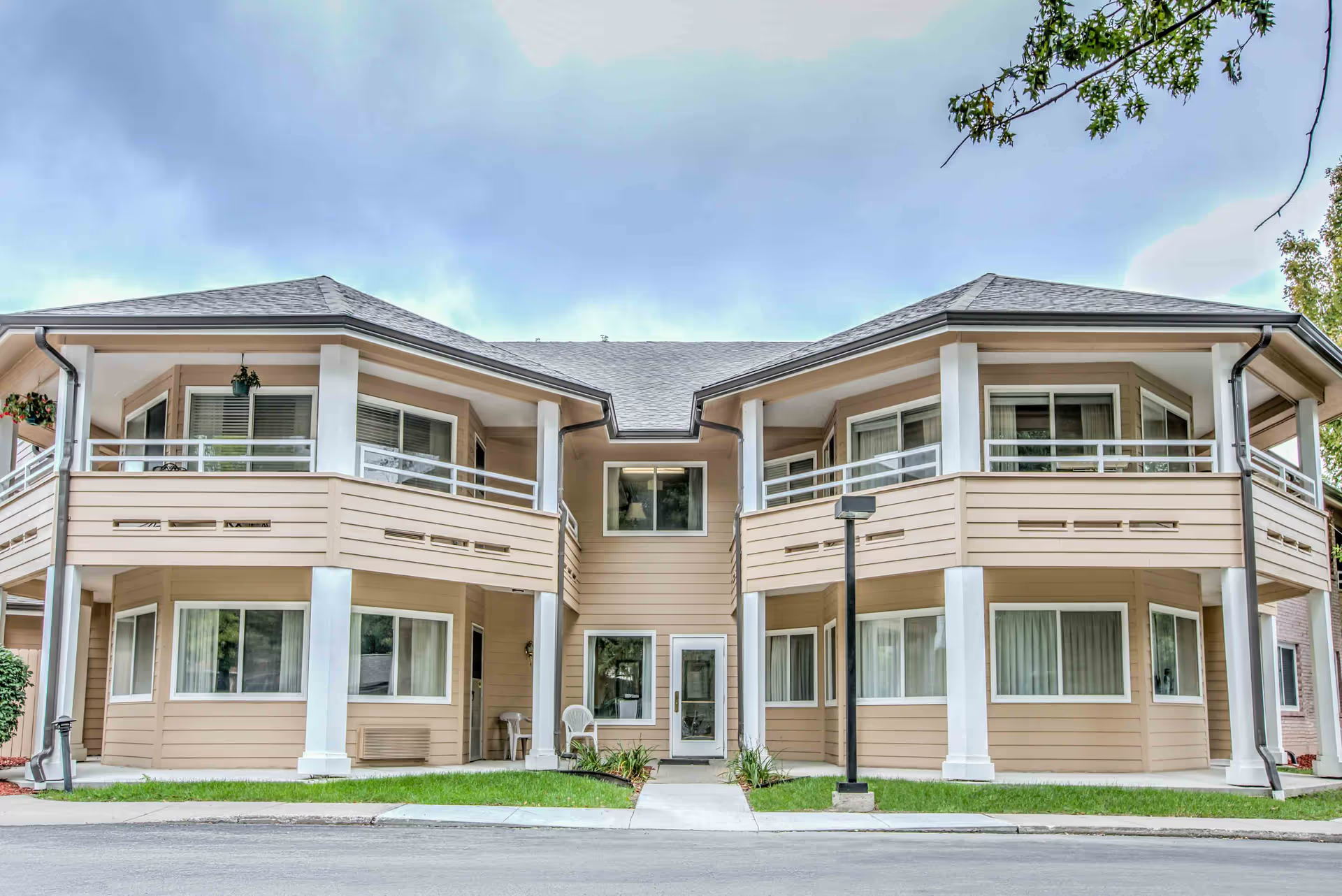
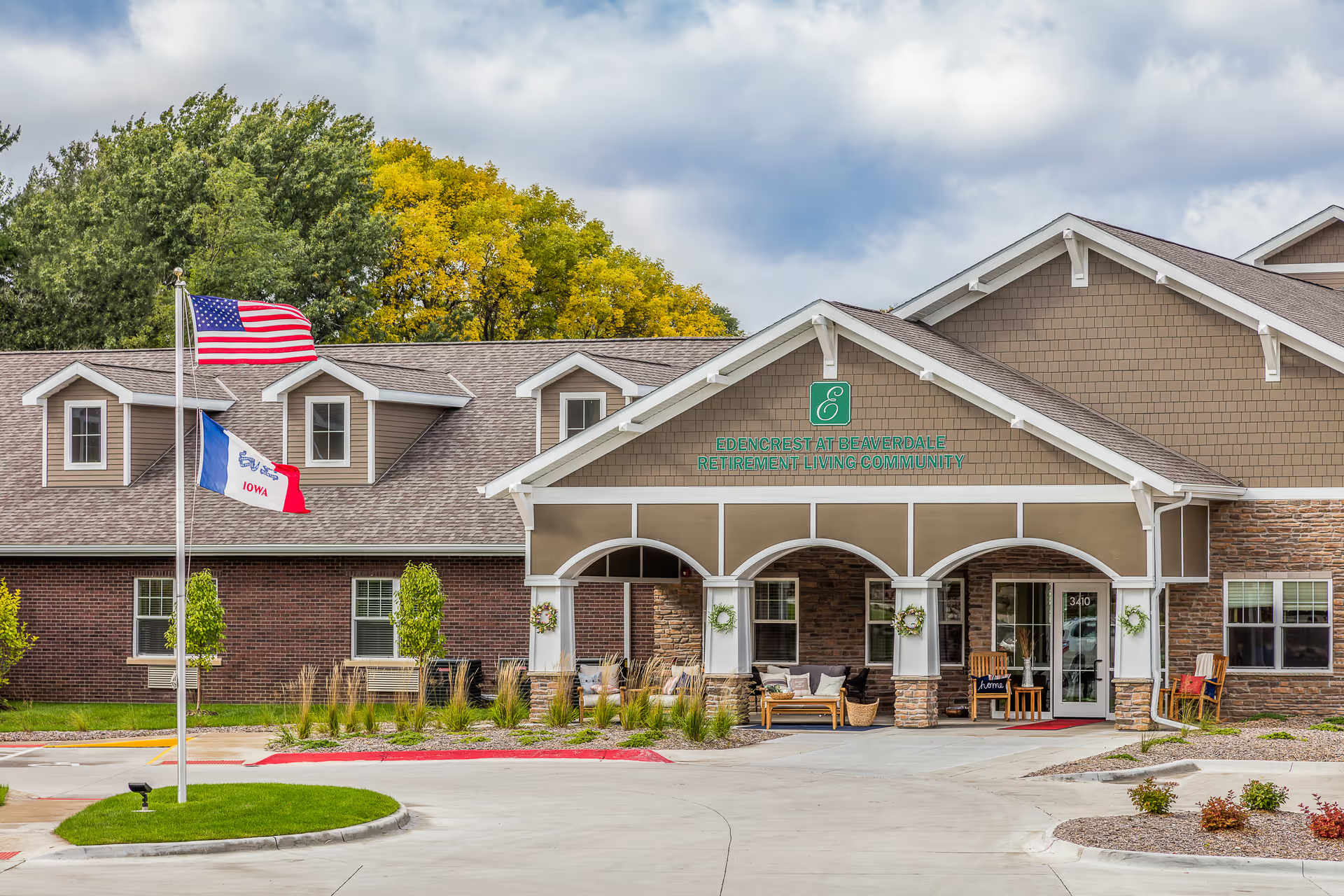
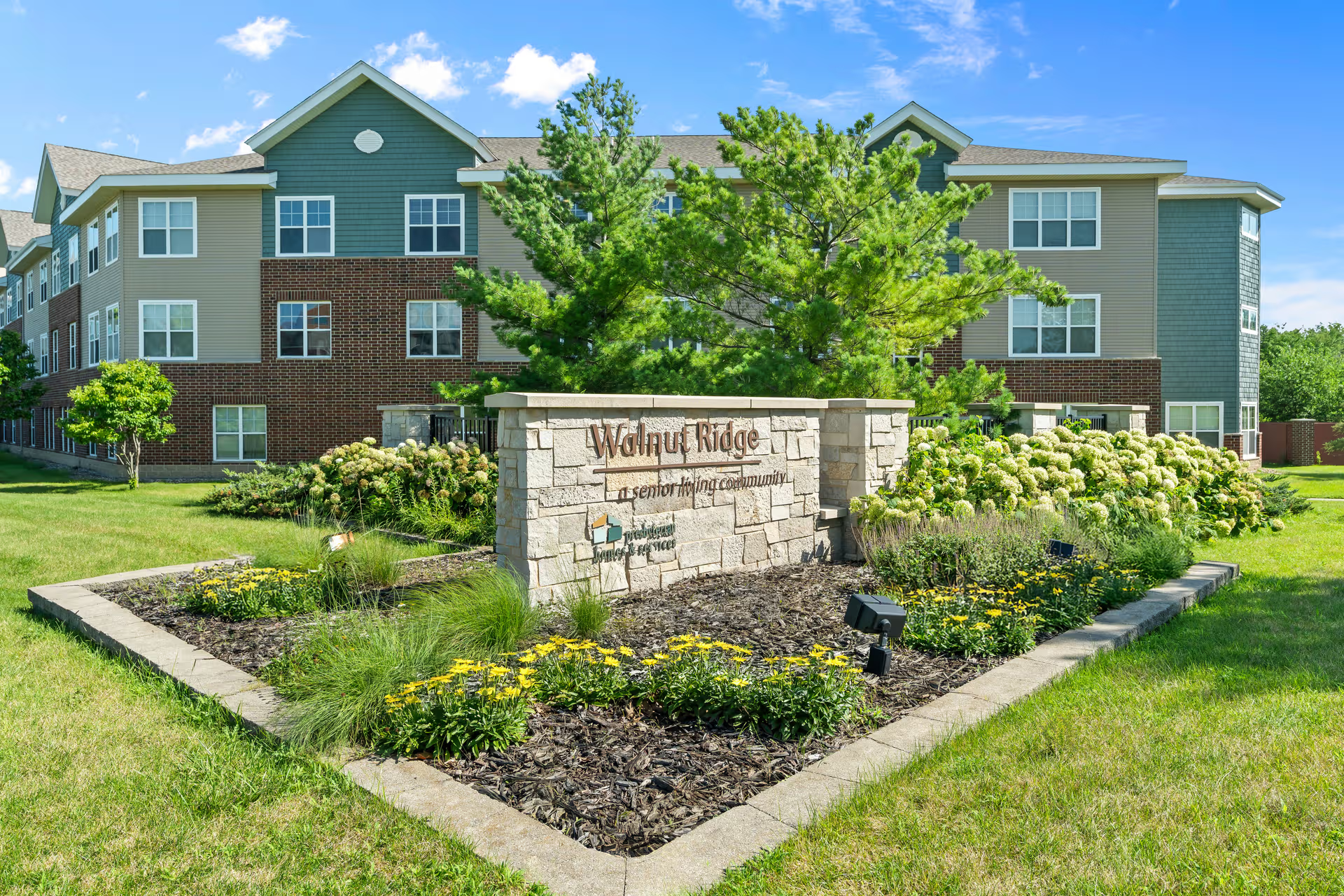
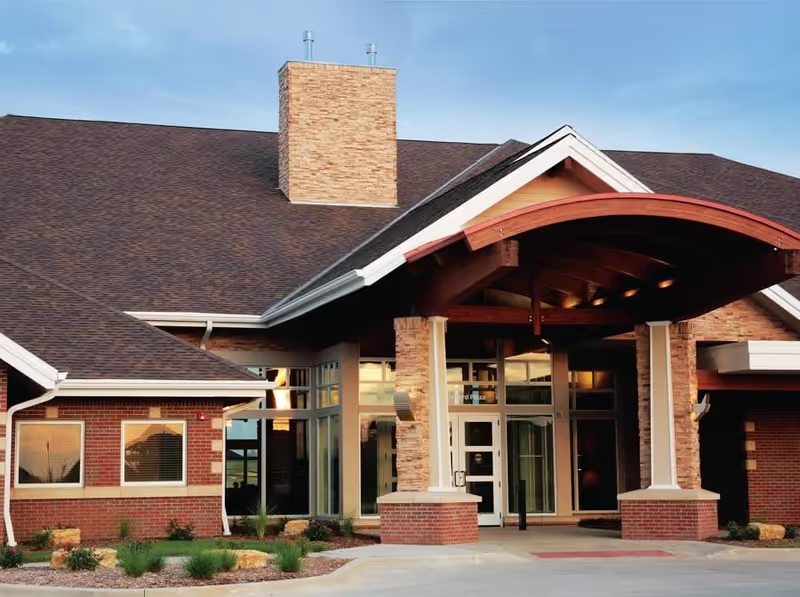
The overall impression of Brio of Johnston is mixed, with many reviewers praising the facility environment, dining, and front-line caregiving while others raised substantive concerns about clinical and care-coordination processes. Strengths repeatedly described include a modern, attractive building with large private rooms and bathrooms, well-presented common areas, and an all-inclusive pricing model that simplifies billing. The community is noted for thorough, informative tours and helpful move-in assistance that many families found reassuring.
Clinical care shows a split pattern. Several families and former residents praised the physical and occupational therapy services and credited rehabilitation staff with tangible functional improvements. At the same time, a number of accounts describe inconsistent medical-management practices in the skilled-nursing context: delays in lab processing, medication-delivery and pharmacy coordination problems, and instances where discharge planning did not fully address ongoing clinical needs. These issues manifested operationally as late medication administration, prescriptions not transmitted at admission or discharge, gaps in weekend therapy coverage, and concerns about weight monitoring and symptom follow-up—operational patterns families should review carefully when considering skilled or transitional care here.
Staffing and interpersonal dynamics are another area of contrast. Many reviewers described compassionate, attentive caregivers who went beyond duty to accommodate dietary restrictions, personalize meals (including gluten-free and celiac-safe options), and build rapport with residents. Kitchen staff and activity personnel were frequently singled out for positive engagement. However, others noted staffing instability and turnover at times, difficulty reaching the appropriate clinical contact, and instances where the tone or responsiveness of particular clinicians raised concern. These mixed accounts suggest that day-to-day resident experience may depend on staffing consistency and individual team members on a given shift.
Dining, activities, and memory care were consistent highlights. The food quality, portion sizes, and willingness to accommodate special diets received strong positive feedback. Reviewers also described a robust activity program, attentive monitoring, and a thriving memory-care neighborhood with engaging programming. For prospective residents who prioritize social programming, dining, and a modern living environment, Brio of Johnston appears to offer strong amenities.
Management and operational oversight appear to influence the variability between positive and negative experiences. While leadership and staff excellence were praised in some accounts, the pattern of clinical coordination gaps and communication breakdowns indicates areas where administrative attention may improve outcomes—particularly around medication workflows, discharge planning, and therapy scheduling. Prospective residents and families should ask targeted questions about current staffing stability, medication and pharmacy procedures, weekend therapy availability, and protocols for monitoring weight and post-discharge symptoms. Doing so can help determine whether the community’s strengths align with an individual’s clinical and support needs.