Overall impression Good Neighbor Society is generally described as a mission-driven, faith-oriented senior living provider with strong strengths in compassionate care, continuity across levels of service, and community engagement. Many accounts emphasize warm, respectful interactions between staff and residents, individualized care plans, and a focus on quality of life that extends from rehabilitation through hospice and end-of-life support. Families frequently note prompt clinical monitoring and timely notifications when a resident’s condition changes.
Staff and care quality The dominant theme across the feedback is a high level of staff commitment: caregivers, nurses, and physicians are characterized as kind, attentive, and personally engaged with residents. Several families described specific examples of personalized attention (for example, staff-led activities that elicit positive responses from residents) and praised the facility’s ability to transition residents smoothly between levels of care. At the same time, there are clear indications of variability: at least one account described limited engagement and a perception of minimal care, which suggests uneven performance depending on shift, unit, or individual caregiver. Prospective families should therefore evaluate staffing patterns and ask about oversight mechanisms that ensure consistent care delivery.
Clinical services and care planning The facility appears to provide a broad continuum of clinical services, from rehabilitation and home-directed therapies to hospice and palliative support. Individualized service plans and mission-aligned caregiving are noted as strengths, and hospice transitions are described as compassionate and well-managed. The primary operational concern inferred from the feedback is inconsistency—some residents experience highly attentive, personalized care while others may experience gaps in how preferences are addressed or how fully plans are implemented.
Activities, social environment, and community involvement Activity programming and social engagement receive positive mention: faith-based programming, singing and music interactions, volunteer involvement, and a generally warm social atmosphere contribute to resident well-being. The facility is described as being well supported by the local community and volunteers, which appears to enhance the daily experience for residents and families.
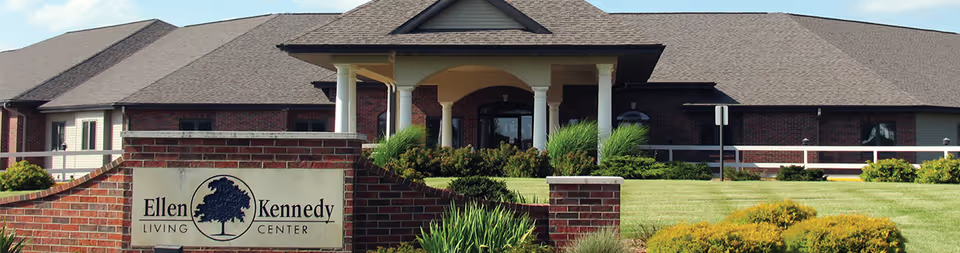
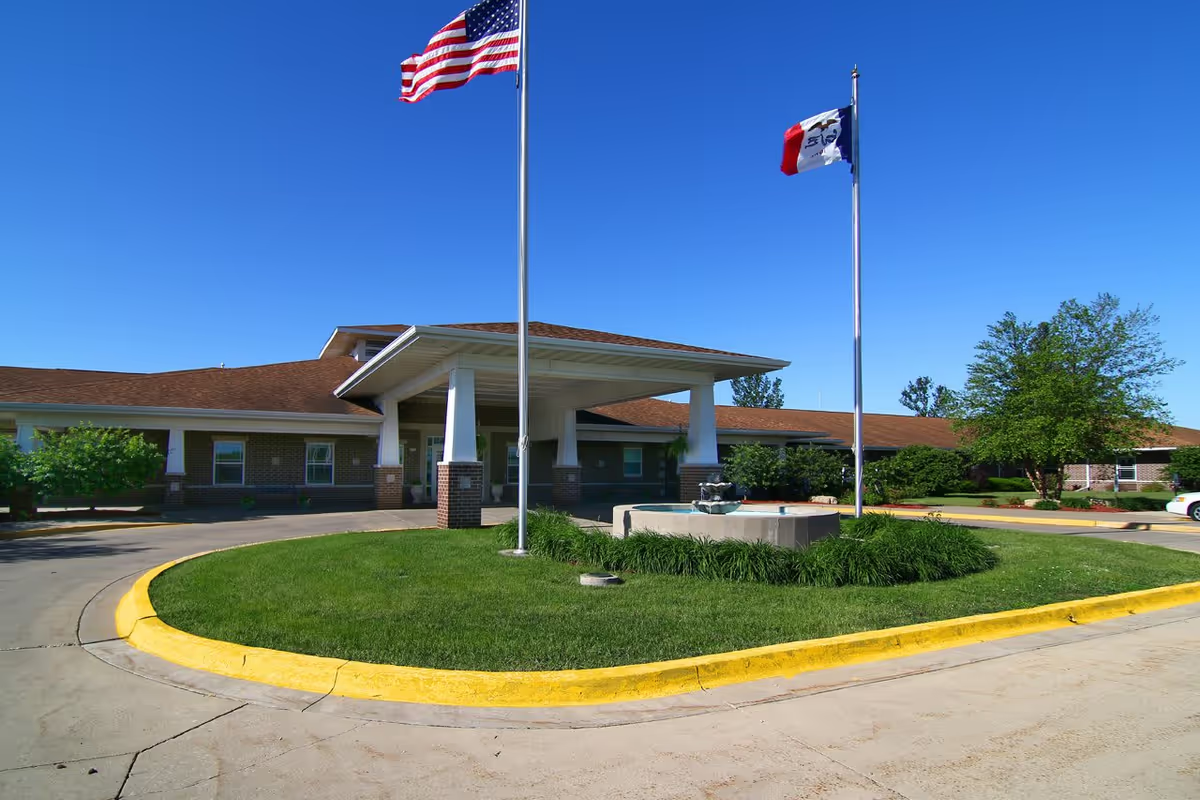
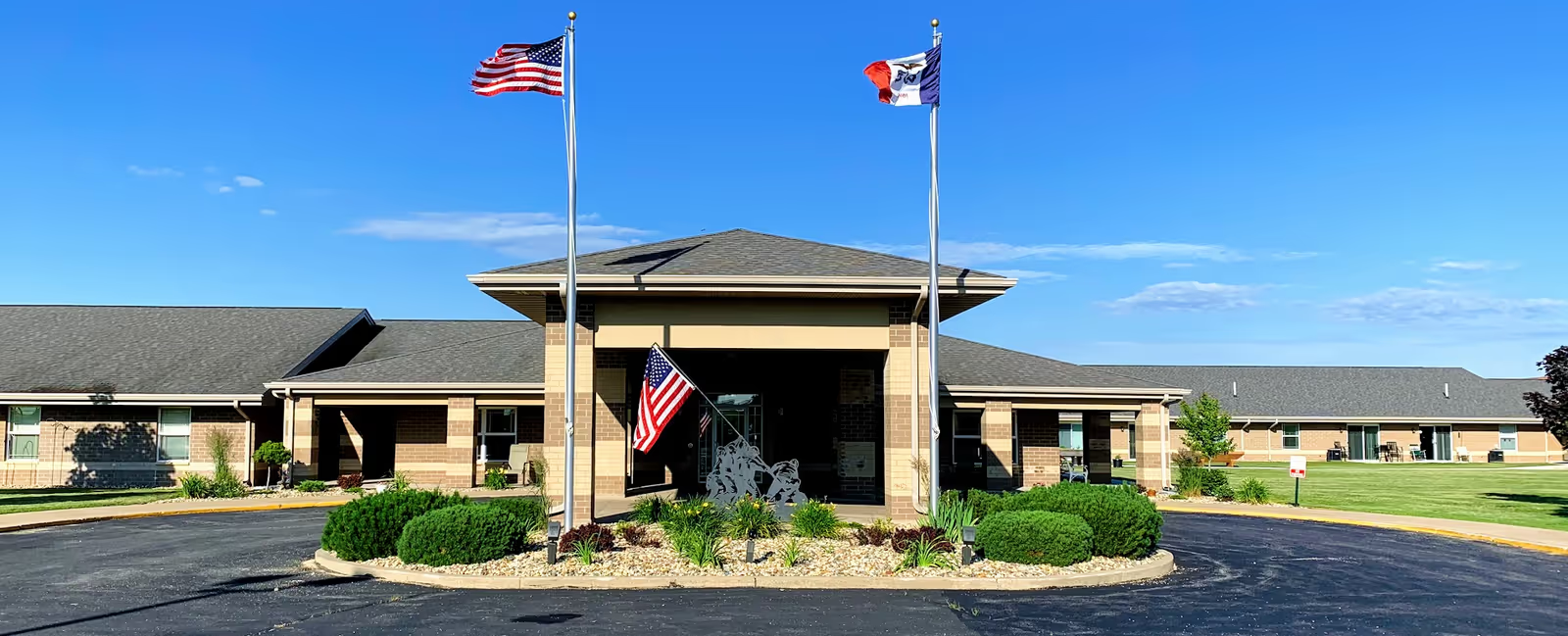
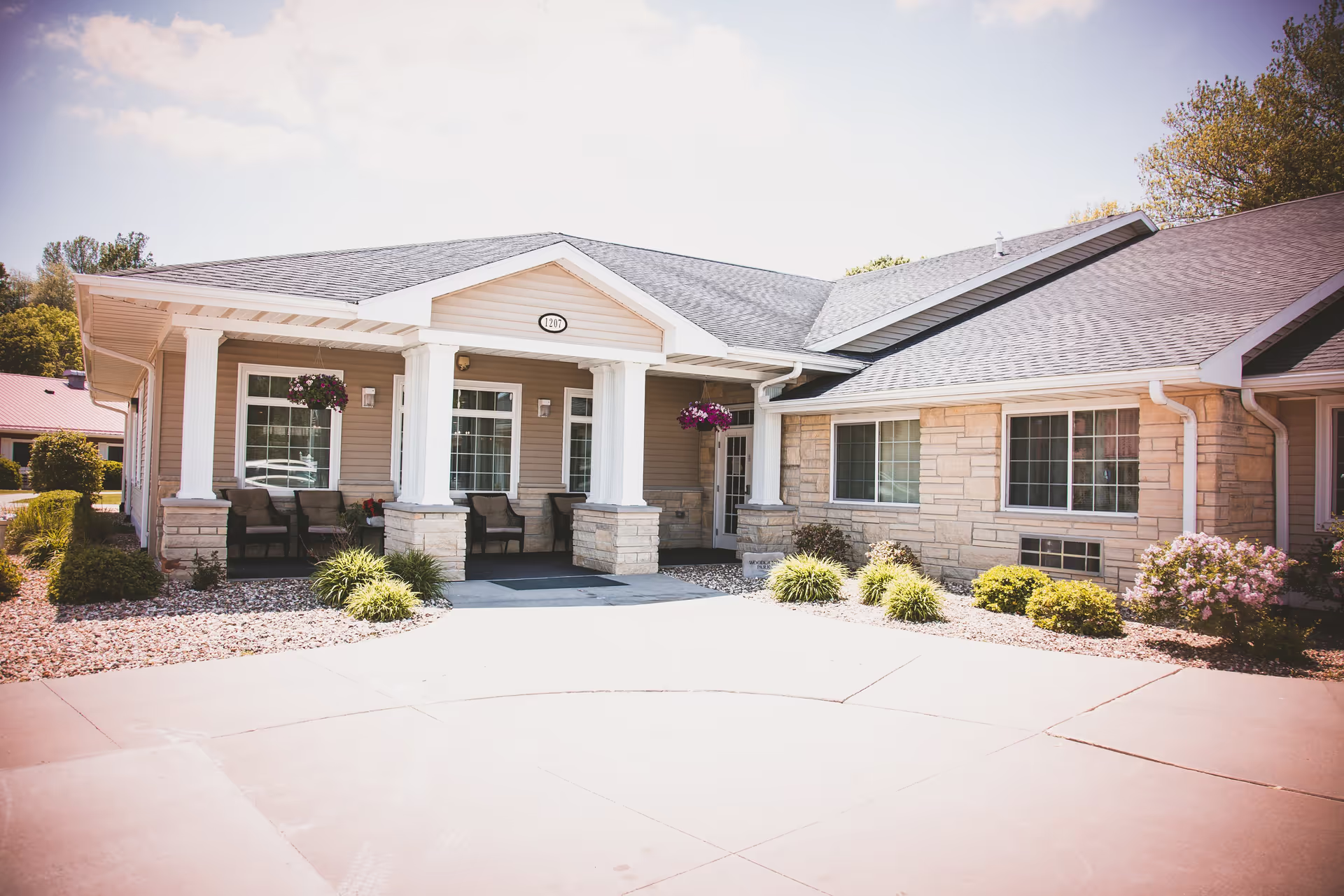
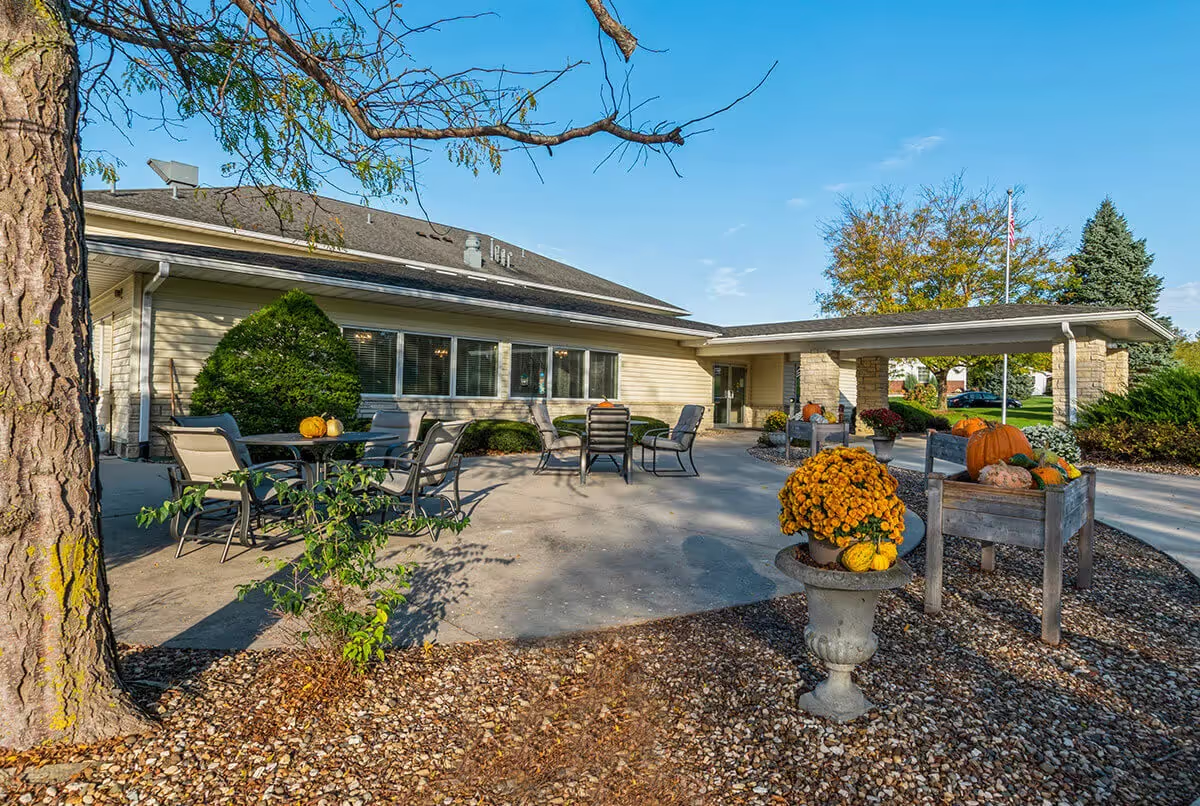
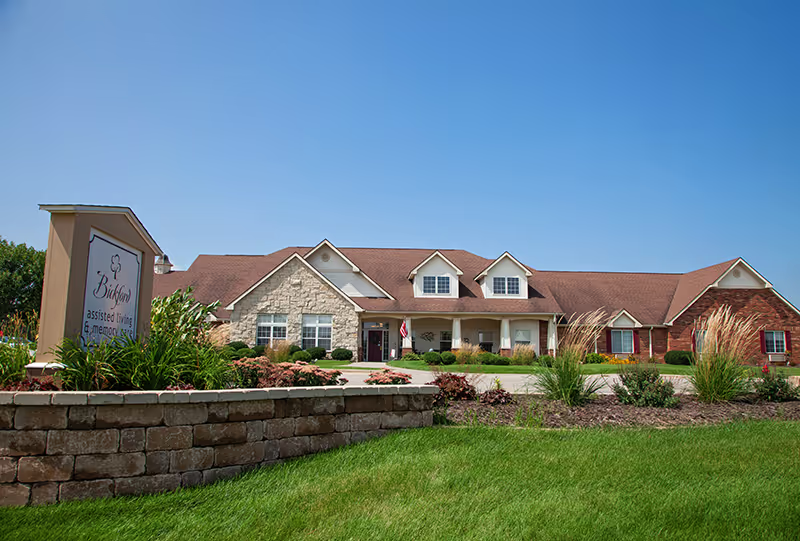
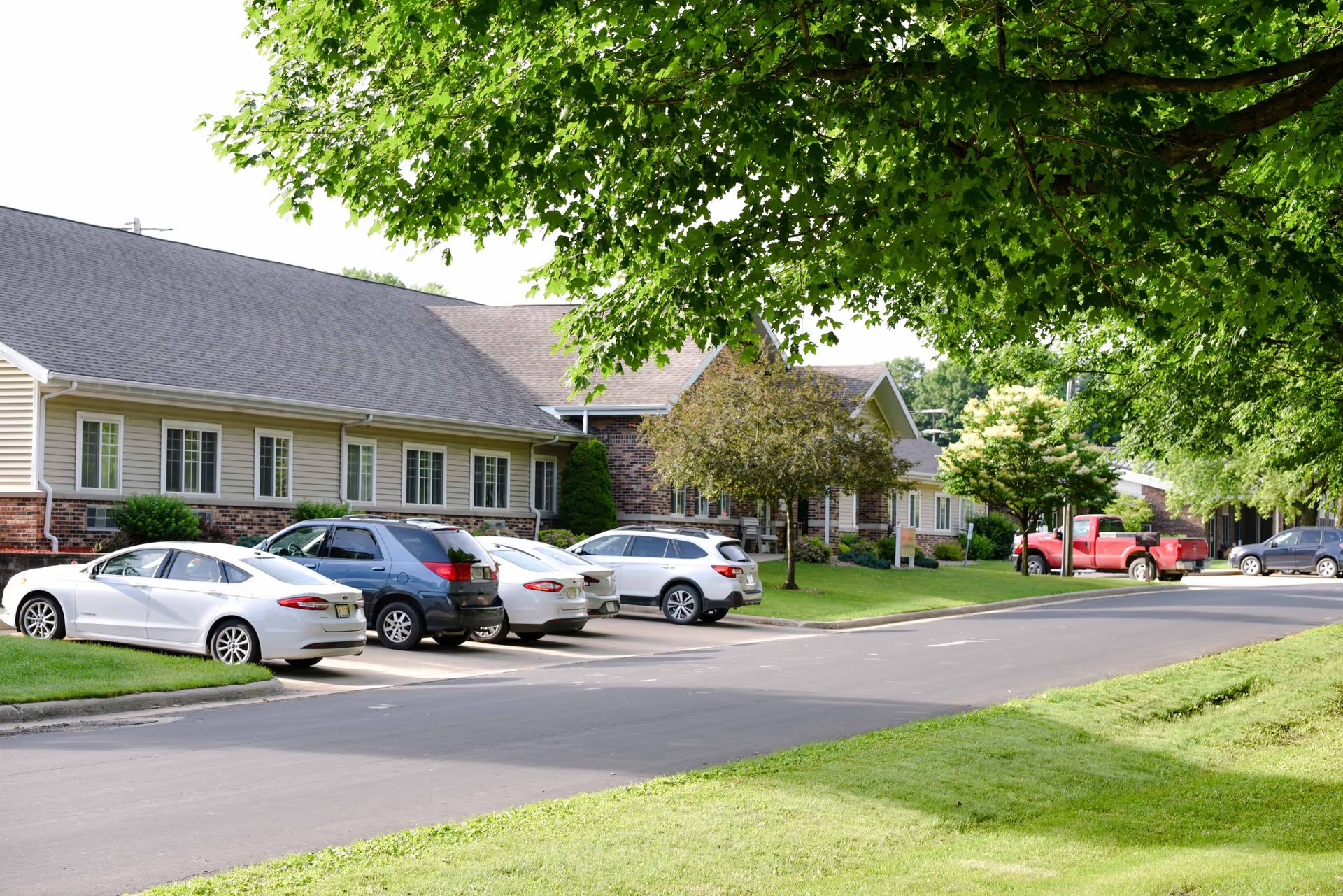
Dining, facilities, and amenities Direct commentary about dining and menu quality is limited in the available summaries; the facility itself is described as generally well maintained and welcoming. Because feedback on meals is mixed or sparse, families interested in dining quality and meal-service practices should request menus, sample meals if possible, and ask about accommodations for dietary preferences or restrictions during a tour.
Management, communication, and recommendations for families Many families praised prompt communication when clinical issues arise, but the presence of at least one negative account suggests potential variability in communication and responsiveness. That pattern points to an operational risk tied to staffing consistency and day-to-day management oversight. Prospective residents and families would benefit from asking specific questions during a visit: staffing ratios by shift, care-plan review frequency, examples of how individual preferences are documented and honored, the facility’s approach to staff training and retention, and how concerns are escalated and resolved.
Conclusion Good Neighbor Society presents as a strong option for people seeking faith-based, person-centered care with a full continuum from rehab to hospice and an active volunteer-supported environment. The principal cautions are variability in staff engagement and occasional gaps in how individual preferences and communication are handled. A focused tour and targeted questions about staffing, meal services, and care-plan enforcement will help families determine whether the facility’s positive strengths are consistently applied to a prospective resident’s expected daily experience.