Reviews describe a facility with a mix of notable strengths and significant operational concerns. Many families and visitors praised frontline caregivers for being kind, communicative, and attentive; several accounts highlight clear explanations of procedures, a high degree of personalized attention, positive hospice collaboration, and meals that residents found satisfactory. The facility can provide a visitor-friendly atmosphere and leadership on the care team is often experienced as responsive and supportive.
At the same time, several reviews identify recurring problems that affect overall safety perception and consistency of care. There are concerns about staff professionalism and variability in how staff interact with residents and families; some reports point to delays or lapses in supervision and monitoring that left residents unaccounted for for extended periods. These supervision gaps are a substantive operational risk and deserve direct inquiry during a tour or care-planning conversation.
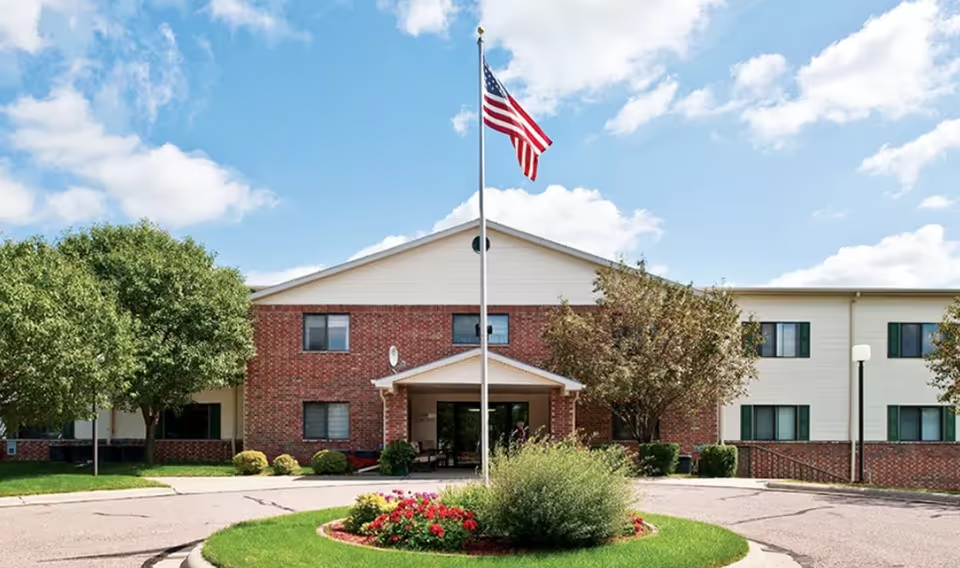
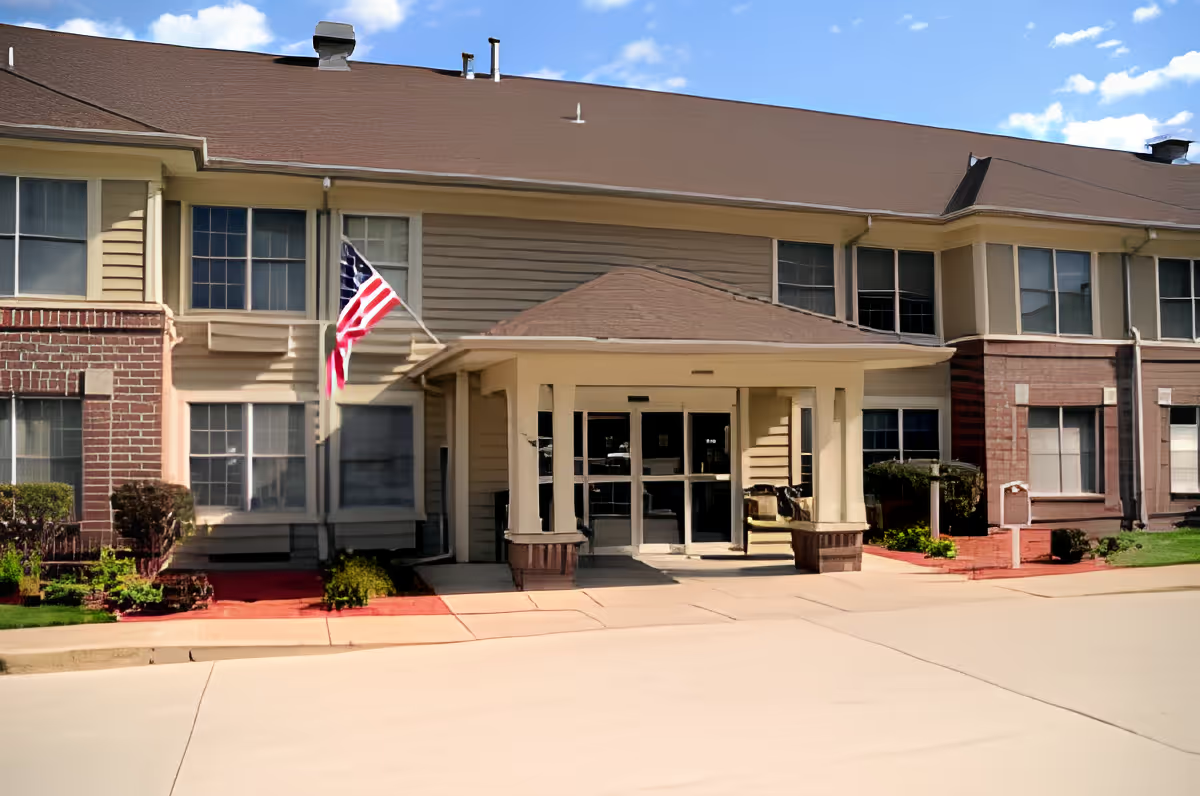
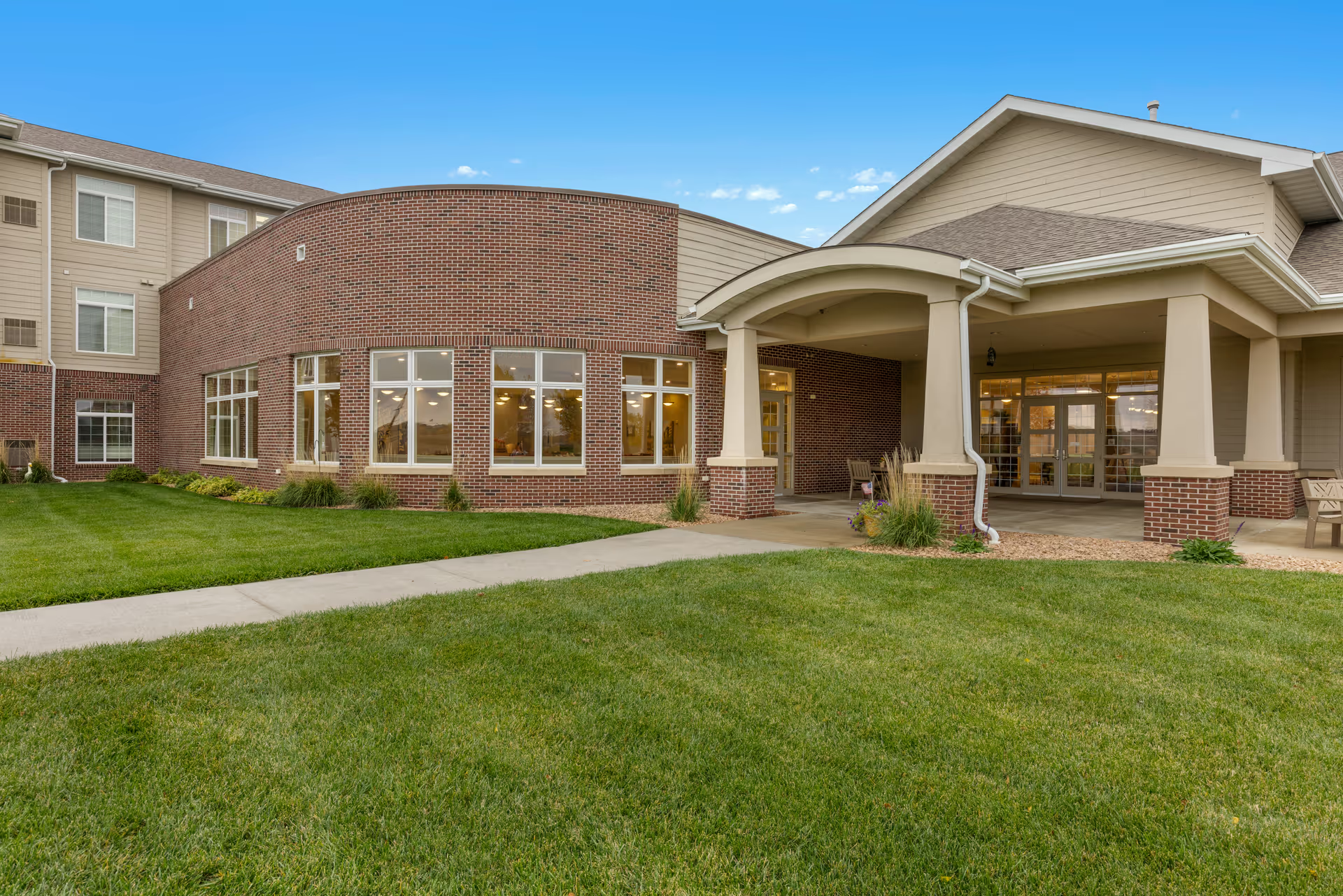
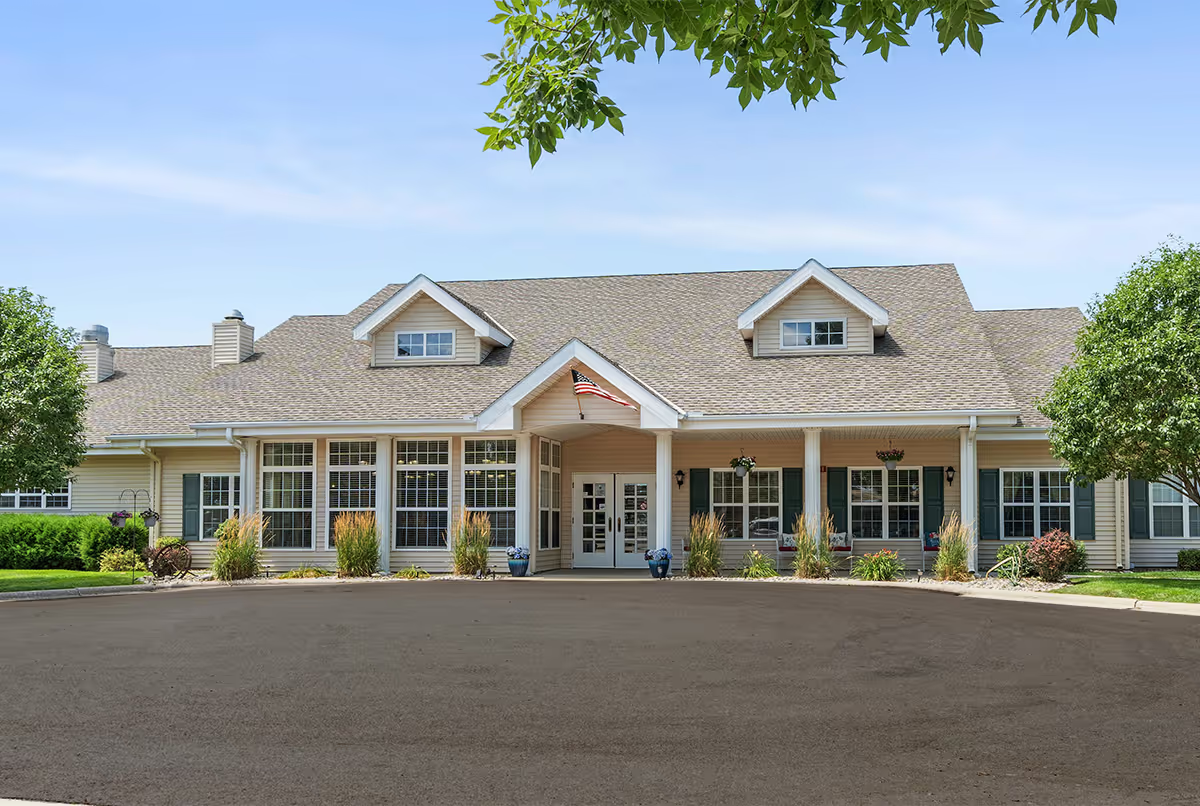
Facility condition and environmental factors are mixed. Some visitors commented positively on cleanliness and a pleasant-smelling common area, while others raised maintenance and sanitation issues, odor concerns, and pest-control worries. The building is described as older; prospective families should assess unit-level maintenance and infection-control practices in person. Transportation availability is another practical limitation noted by reviewers: at times, scheduled or in-house transport appeared unreliable or unavailable.
Management and administrative themes recur in the feedback. Several accounts describe inconsistent administrative oversight and decisions that appear financially driven rather than wholly care-driven; there are even allegations of financial misconduct. Additionally, workplace-boundary concerns—such as personal animals or staff duties being diverted—were cited as factors that can distract from resident care. Communication and privacy protections also surfaced as weaknesses, including examples of disrupted resident communication and unclear discharge or placement decision processes.
Overall, the facility demonstrates clear strengths in individual caregiving and hospice coordination, and some families report very positive, compassionate experiences. However, there are consistent operational issues—staffing consistency and conduct, resident supervision, facility maintenance and sanitation, management stability, and limited transport—that prospective residents and families should investigate further. Recommended next steps include an in-person visit focused on unit cleanliness and odor, direct questions about staffing levels and supervision protocols, review of how privacy and communication are handled, clarification of transportation options, and meeting current care-team leadership to assess consistency and accountability.