Overall impression: Review content indicates a facility with clear strengths in compassionate caregiving and clinical coverage, paired with operational weaknesses that affect family confidence and day-to-day resident experience. Positive comments emphasize staff empathy, 24/7 nursing availability and the presence of hospice services, while critiques focus on inconsistent care quality, communication lapses, and constrained physical space.
Care and staff: Many accounts highlight attentive, comforting staff and a caring culture at the bedside. The availability of around-the-clock nursing and hospice services is a notable clinical asset for residents with higher acuity or end-of-life needs. At the same time, other accounts describe variability in care delivery and responsiveness; these indicate inconsistency in how clinical and personal-care tasks are performed. Several reviewers also called for improved onboarding or continuing education so that staff practices align more reliably with family expectations.
Dining and activities: Dining impressions are mixed but generally described as acceptable, with some praise for the décor and cleanliness of dining areas. Programming and social engagement are strengths — residents benefit from regular activities and live musical entertainment (a pianist was specifically noted) that contribute to a social atmosphere and resident engagement.
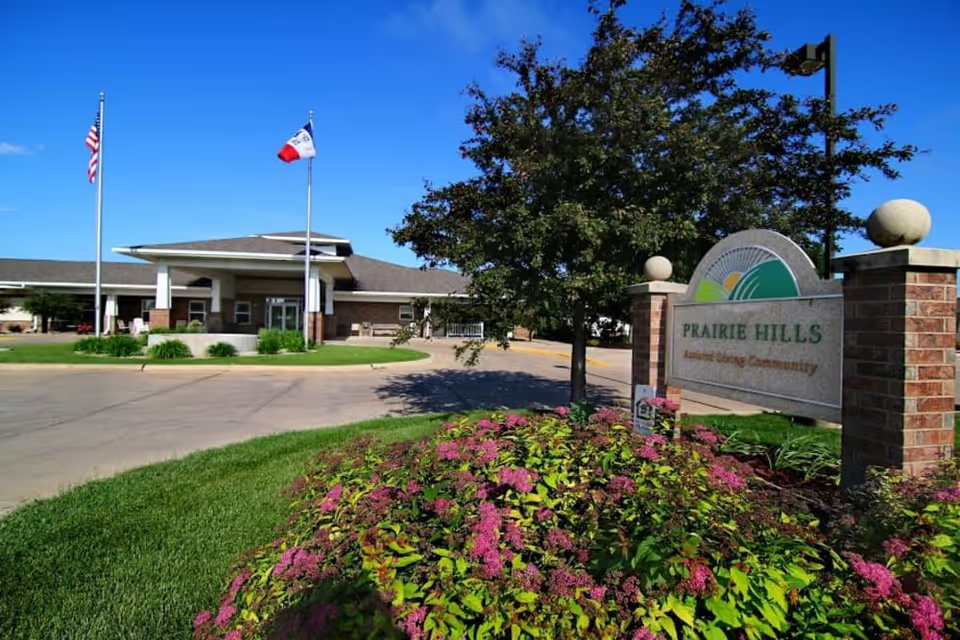
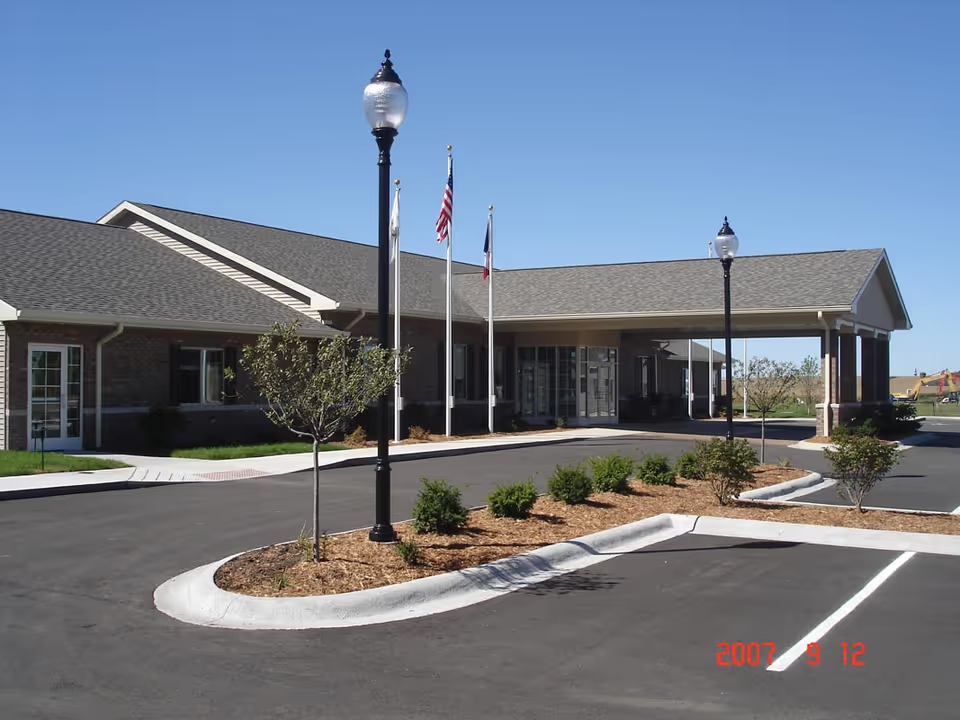
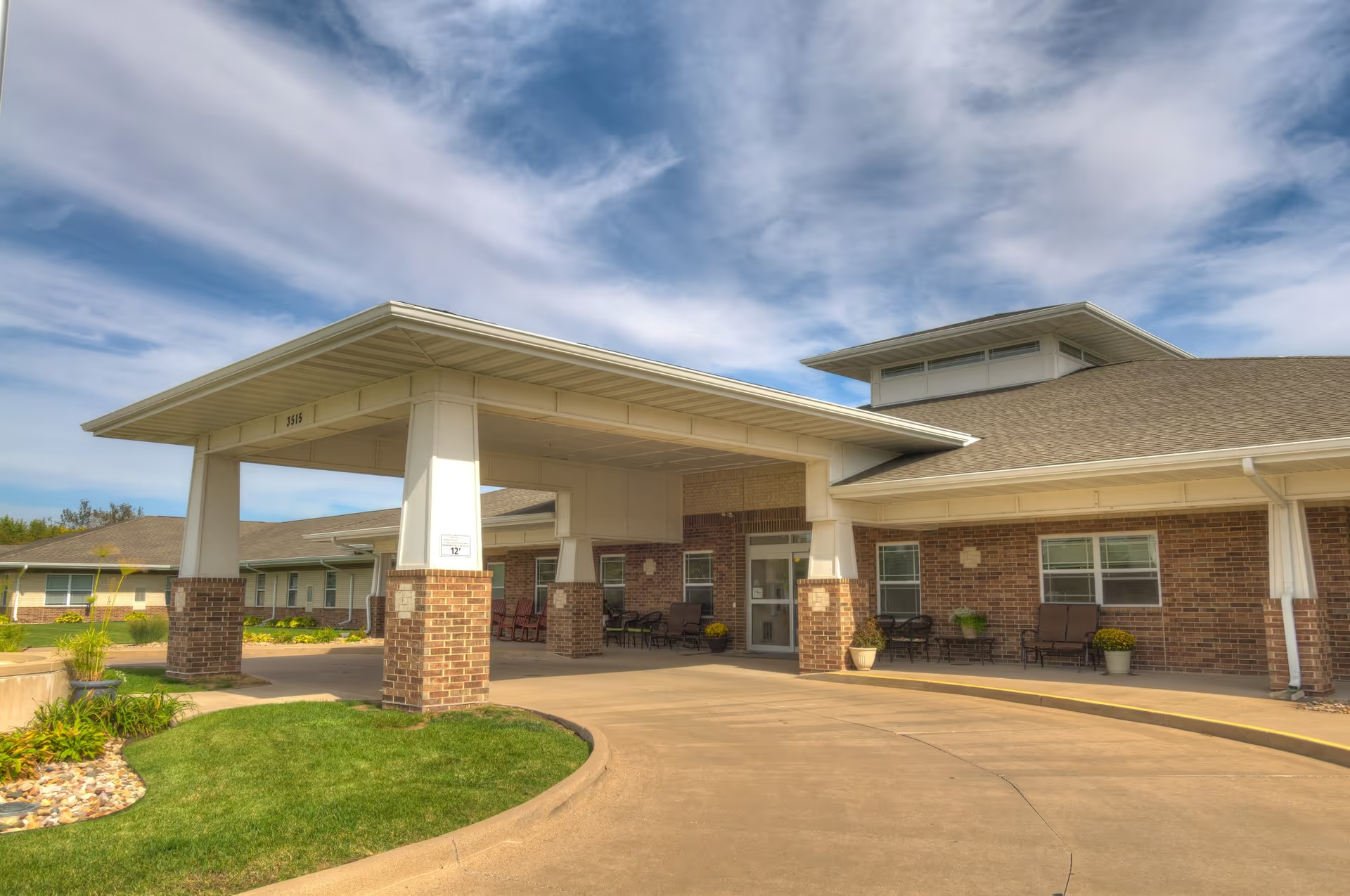
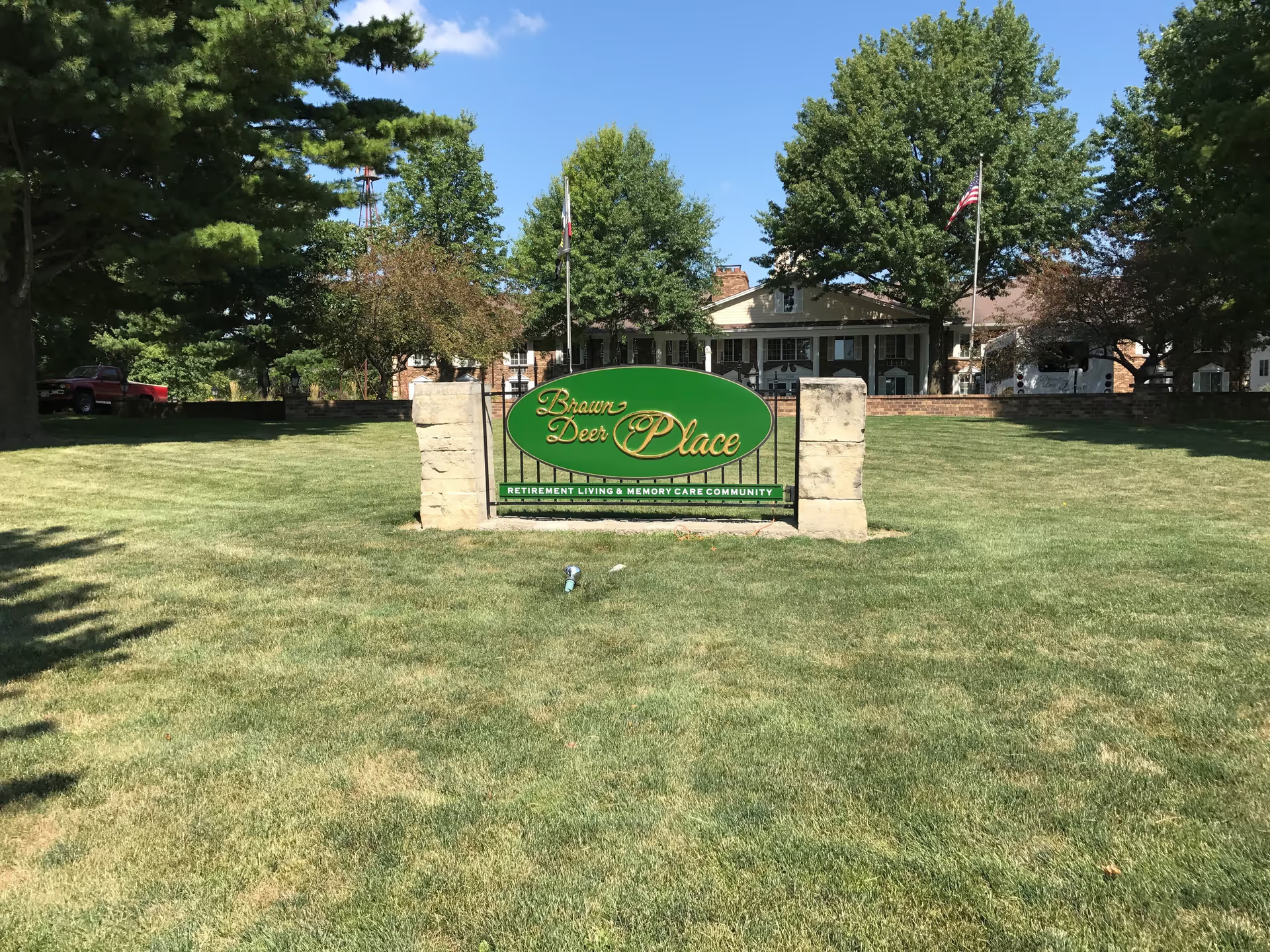
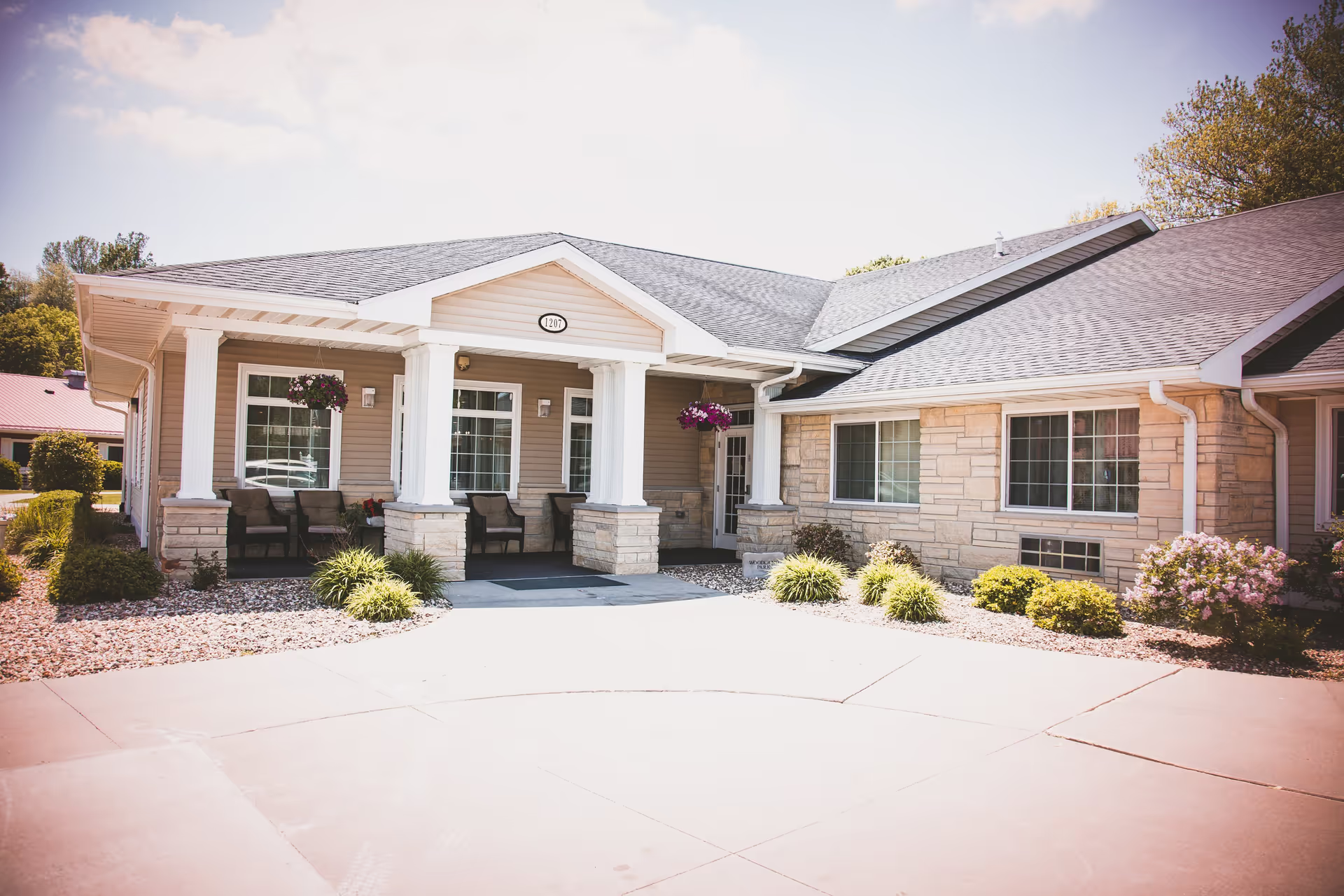
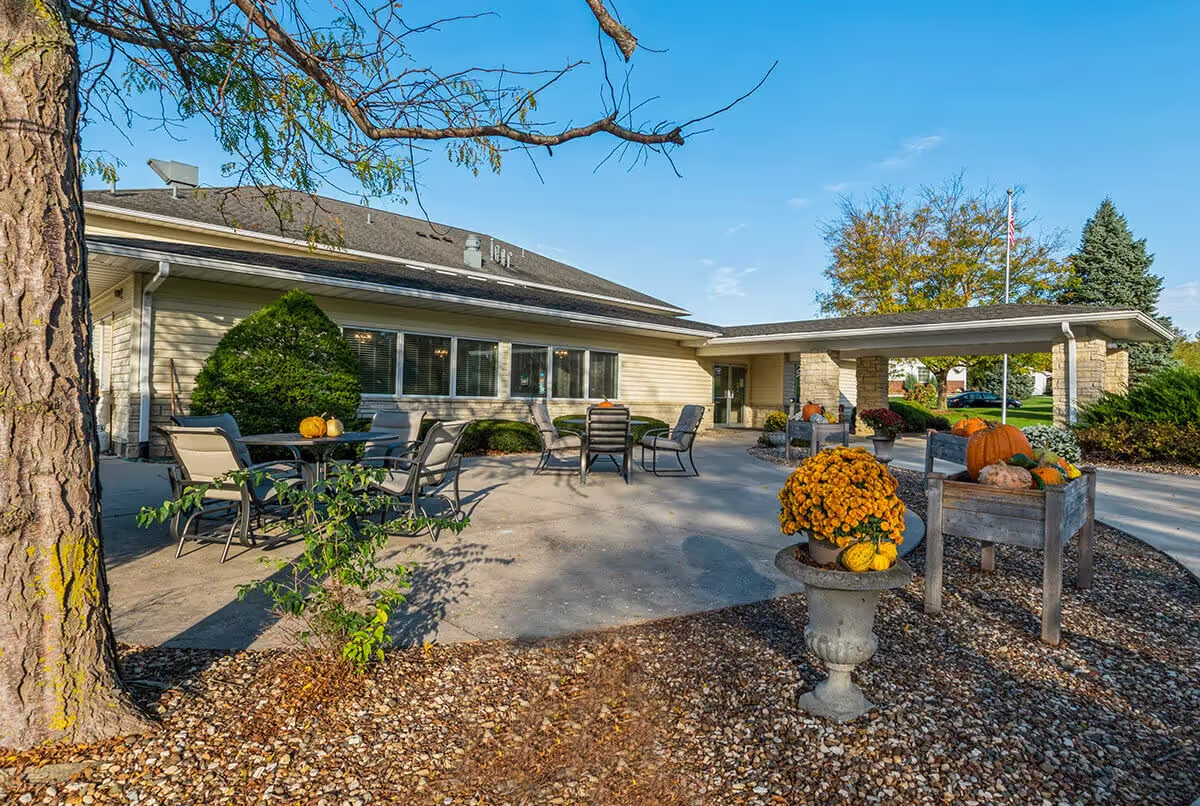
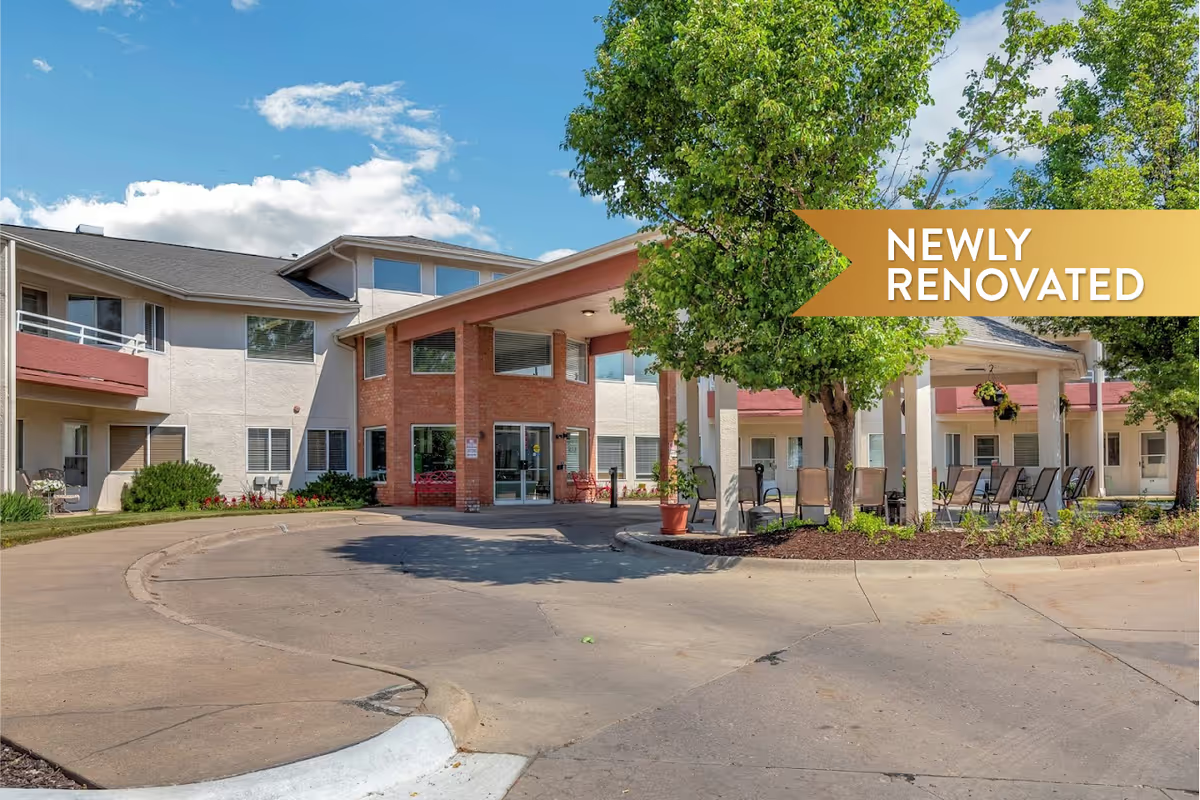
Facilities and environment: The property’s outdoor spaces and seating areas are described as well kept and pleasant, supporting outdoor visitation and recreation. Interior space is a common concern: the facility is small and intimate, which some families value, but reviewers also described cramped common areas, low ceilings, and dim lighting that can make interiors feel confined. Cleanliness of outdoor areas and décor were praised, while interior ambience may require attention to lighting and layout.
Management and communication: A recurring pattern involves gaps in family–staff communication and concerns about management responsiveness or tone. These communication issues extend to critical events; reviewers requested clearer, more proactive family engagement during high-stakes moments, including end-of-life situations. There are also comments suggesting uneven implementation of training or learning initiatives intended to improve care consistency.
Notable patterns and considerations: The overall picture is mixed — strong interpersonal strengths among caregiving staff and solid clinical coverage sit alongside operational shortcomings that affect family confidence and resident experience. Prospective residents and families may wish to ask about staffing consistency, staff training programs, protocols for family communication (especially during clinical changes and end-of-life care), room and common-area sizes, and measures the facility is taking to improve interior lighting and space usability. These targeted questions can help clarify whether the facility’s clinical strengths are matched by reliable operational practices and clear family engagement processes.