The available summaries present a mixed picture of care at Good Samaritan Society - Villisca. Positive comments emphasize competent, comprehensive caregiving, a well-kept facility environment, and adequate private rooms, producing an overall favorable impression for some residents and families. At the same time, a distinct set of operational concerns appears in other accounts, primarily related to staffing, responsiveness, and clinical communication.
Care quality shows notable variability. Several summaries reflect satisfaction with the day-to-day care delivered, describing complete and attentive services. Conversely, other accounts raise concerns about lapses in care processes and follow-through on aid-related needs. Specific operational issues described include delays in addressing assistance requests and interruptions in continuity of clinical follow-up, which suggest uneven implementation of care plans rather than uniform practice across the facility.
Staffing and staff responsiveness are prominent themes. Understaffing and slow response to resident needs are cited as contributors to the care variability. These items point to potential scheduling or resourcing constraints that can affect timeliness of assistance and the consistency of direct-care tasks. At the same time, positive comments about caregiving indicate that individual staff members can provide attentive support when capacity and processes align.
There is limited direct information about dining and activities in the summaries provided. Because commentary is concentrated on clinical care and staffing, no clear pattern emerges about meal quality, menu variety, recreational programming, or social engagement. Prospective residents and families should request current details on meal plans, sample menus, activity schedules, and opportunities for social participation during a tour.
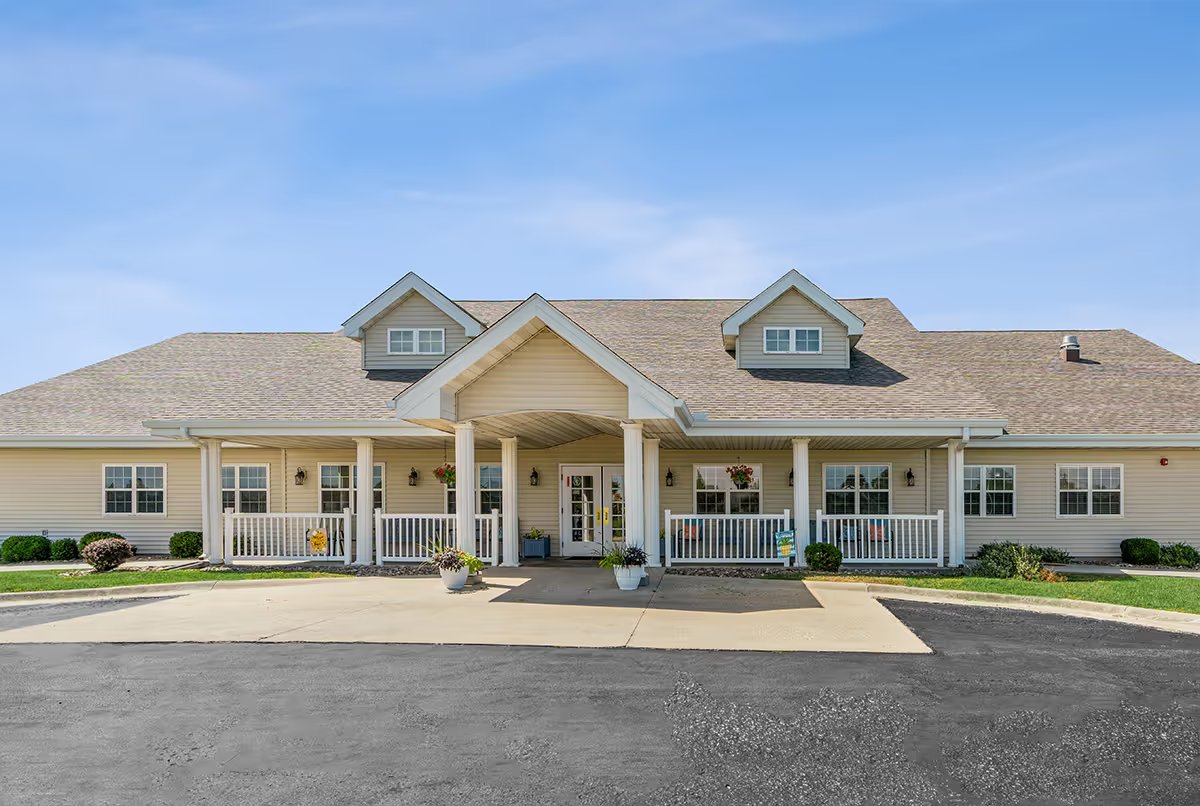
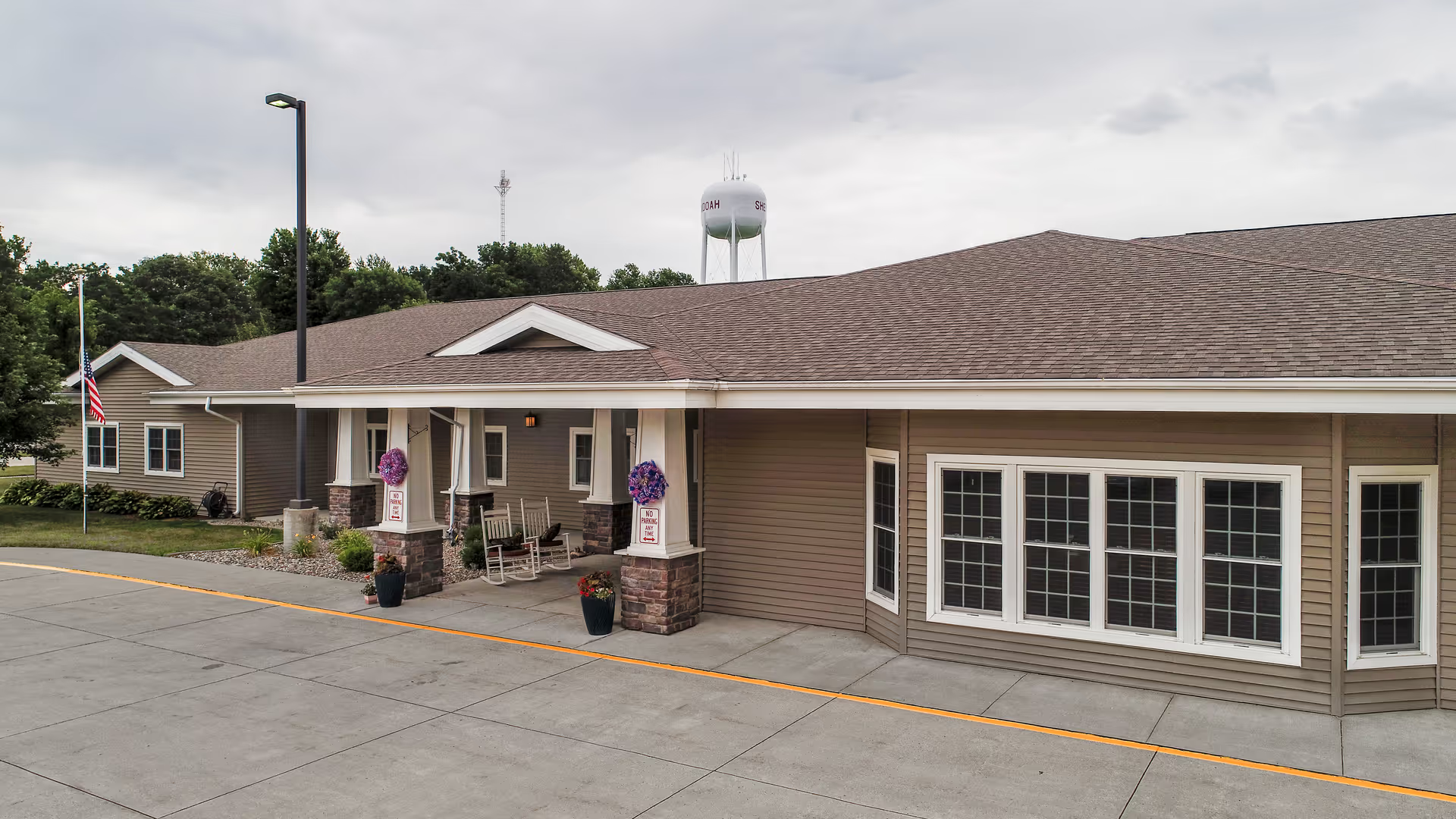
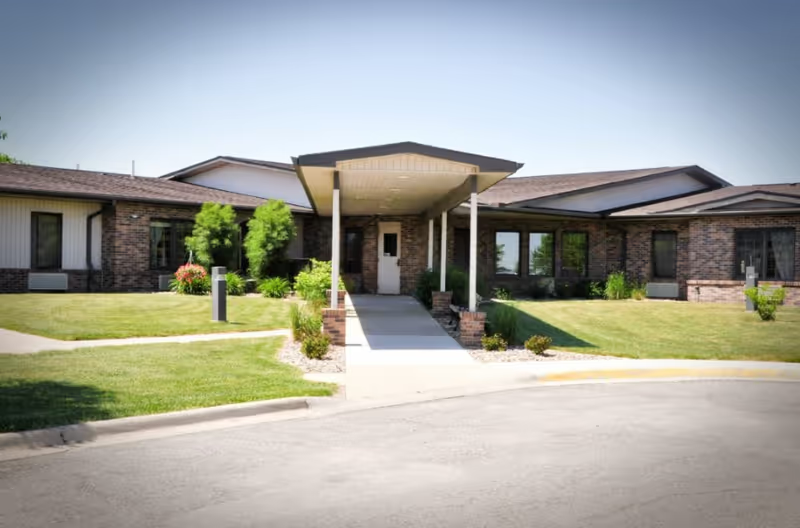
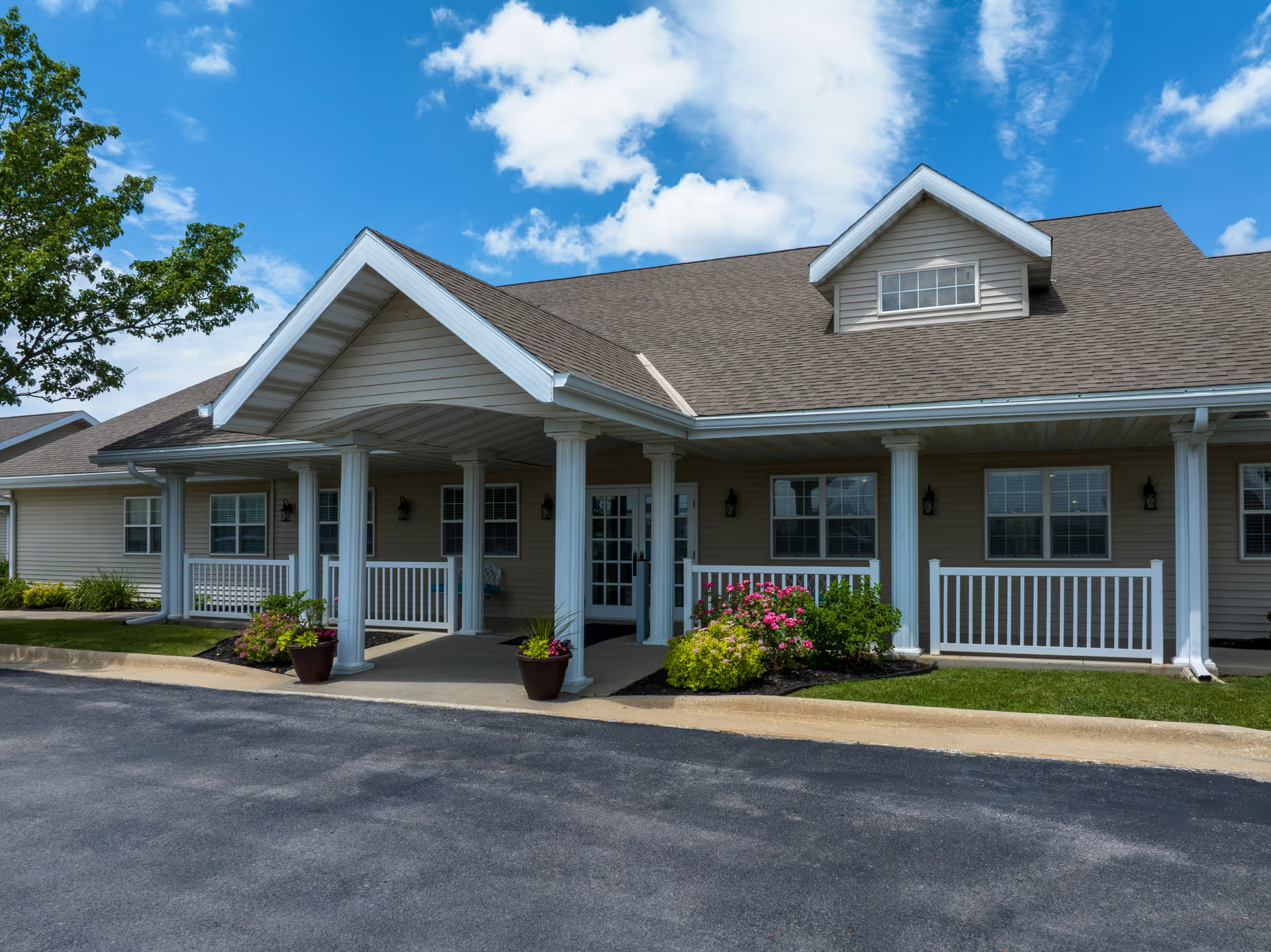
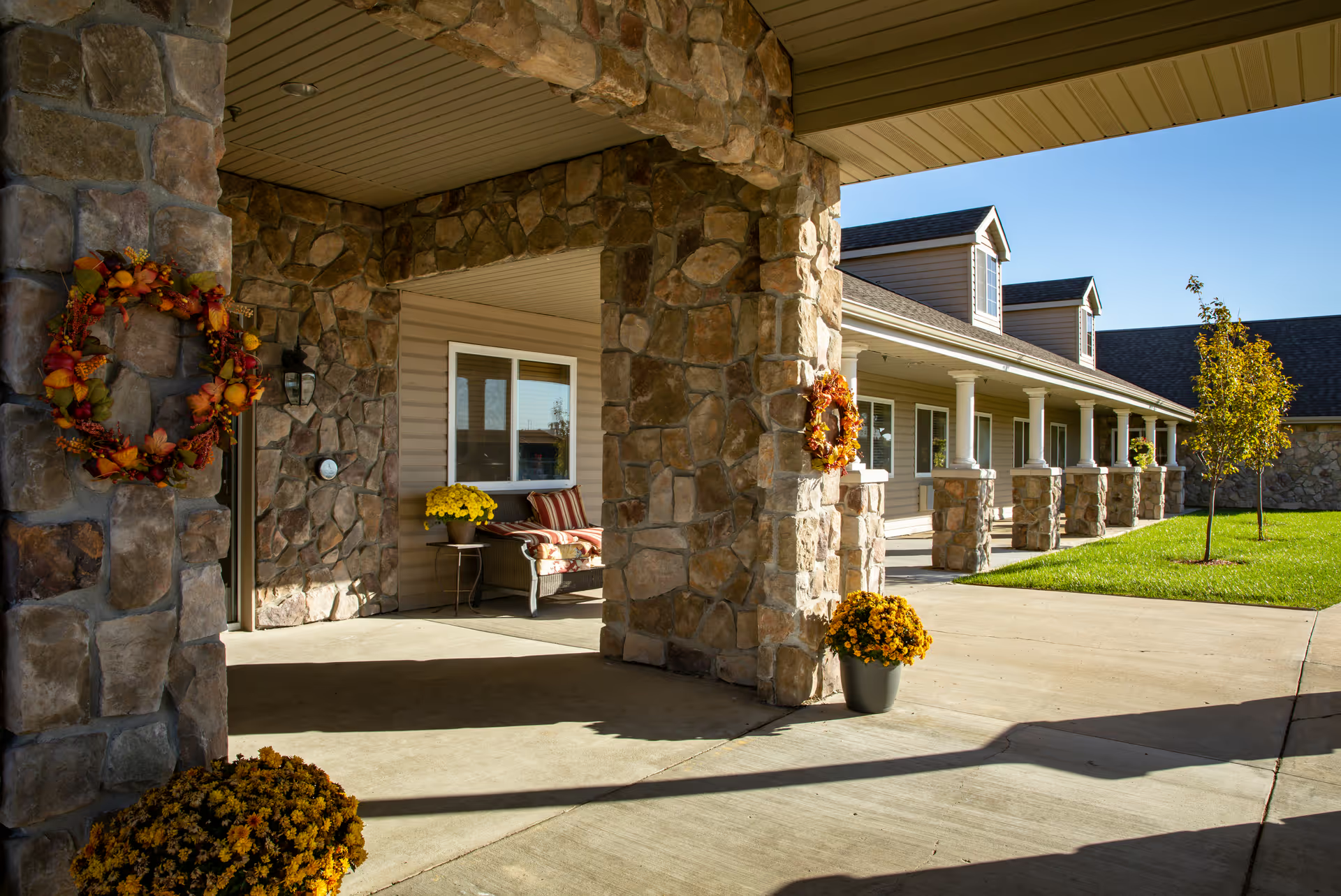
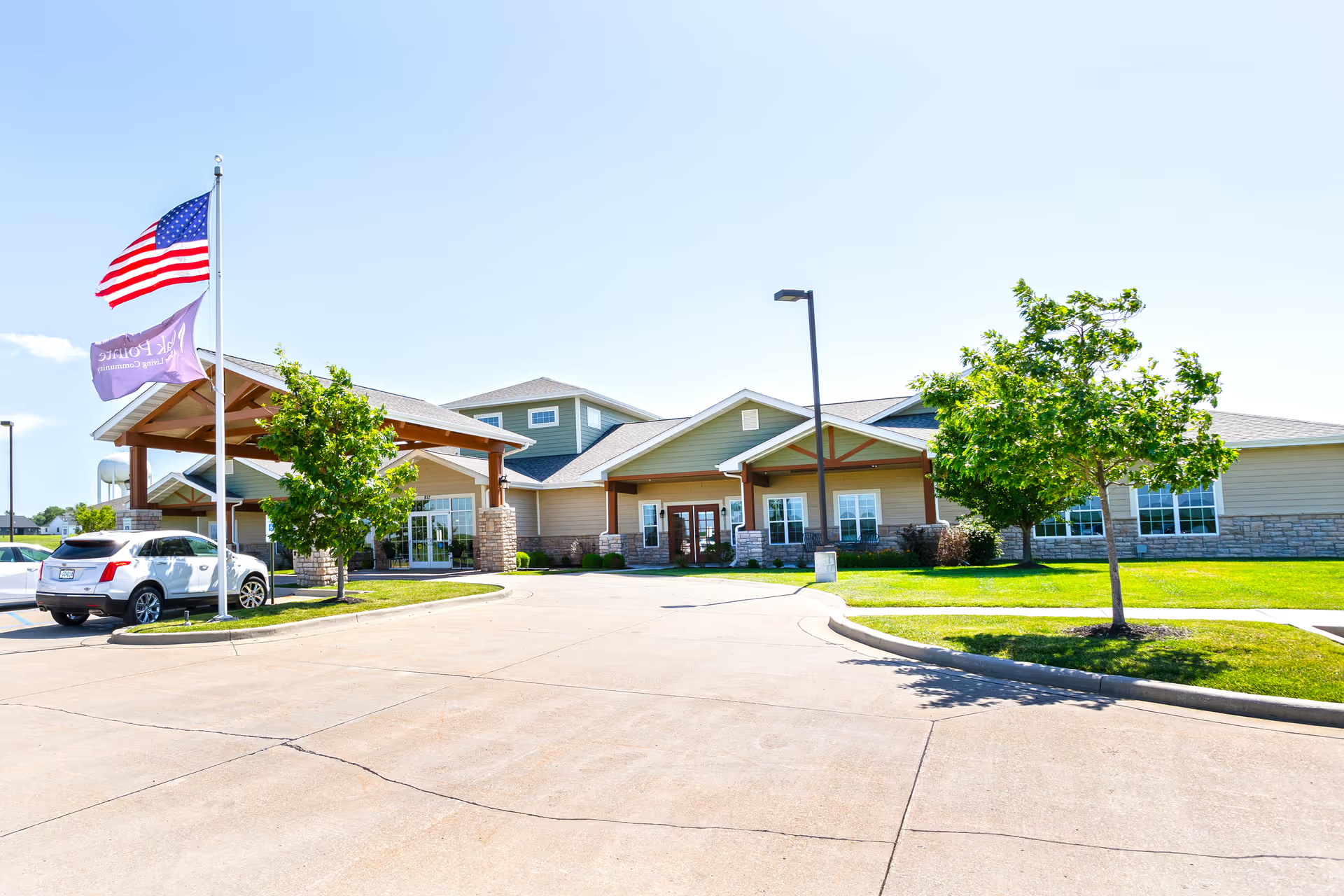
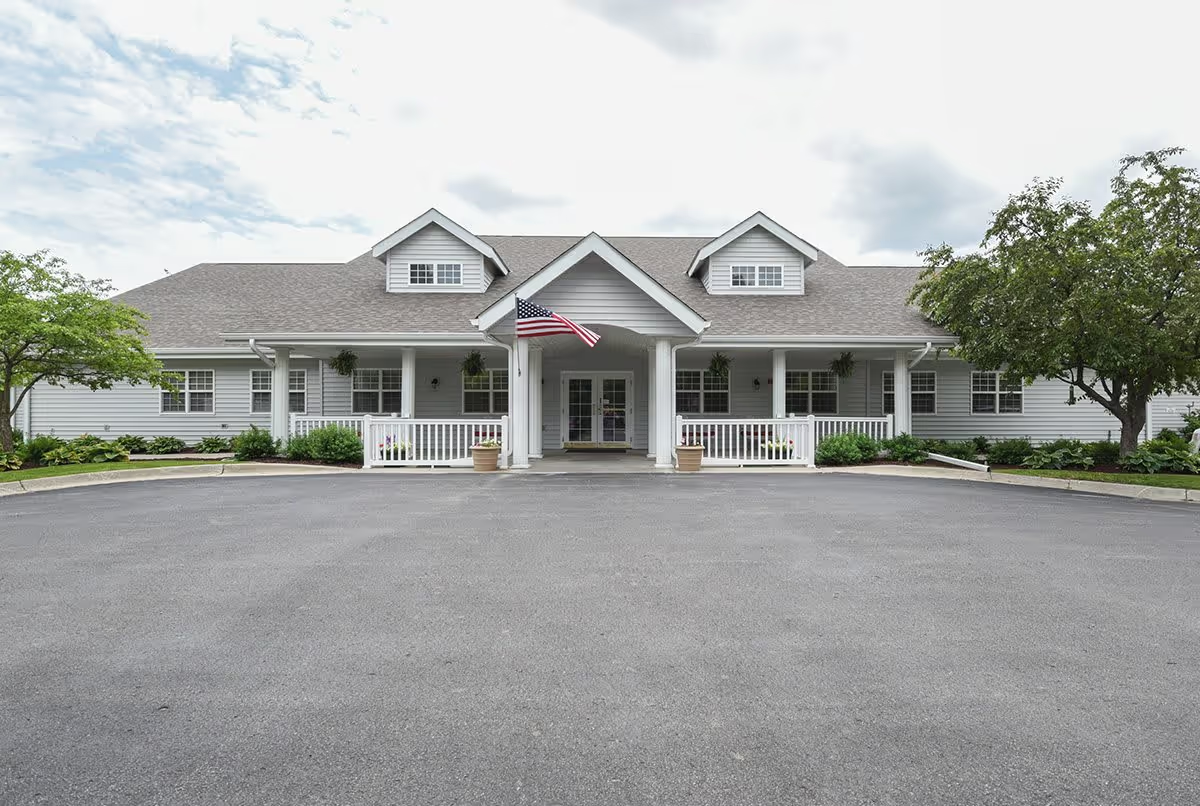
Facility-related observations are generally favorable: the environment and resident rooms are described as adequate and well-maintained. This suggests that the building and accommodations meet basic expectations for cleanliness and comfort. Those evaluating the site in person should inspect specific rooms and common areas to confirm condition and maintenance standards.
Management and communication practices warrant attention. Reports of missed physician contacts and unresolved aid requests indicate gaps in clinical-communication workflows and escalation protocols. These are facility-level process issues that can be addressed through clearer handoffs, defined response timelines, and regular care-plan reviews with families.
Notable patterns include a polarization of experiences—some families express satisfaction with care and facilities, while others report operational weaknesses that affect confidence in day-to-day support. For prospective residents, recommended steps include asking about current staffing levels and shift patterns, policies for responding to resident requests, how the facility coordinates with physicians, frequency of care-plan reviews, and opportunities to speak with current families. Doing so will help clarify whether the facility's strengths align with an individual resident's needs and expectations.