Overall sentiment from the reviews is mixed: there are clear positives around specific staff members and social amenities, but persistent and significant concerns about the consistency and quality of care and the facility environment. Reviewers repeatedly describe the care as "tolerable" or variable — adequate at times but not reliably strong. The most serious theme is inconsistent caregiving quality, with reports of unmotivated staff, minimal effort in day-to-day tasks, and isolated incidents where poor decisions have affected resident care. Several comments emphasize that errors occur without visible consequences, which contributes to a perception of weak oversight and a need for clearer procedures and stronger accountability.
Care quality and procedures are a central concern. Multiple reviews point to variability: some shifts or staff provide acceptable support, while others fall short. The phrasing used in summaries — "tolerable care," "minimal effort," and "no consequences for errors" — indicates systemic problems rather than one-off lapses. Reviewers explicitly call for better procedures, which suggests weaknesses in training, supervision, or policy enforcement. The reported "poor decisions affecting care" is an important red flag and indicates potential risk to residents if not addressed.
Staff and management present a mixed picture. On the positive side, reviewers call out a "pleasant manager" and generally "nice" staff, implying there are caring individuals and some effective leadership. These personal positives coexist with criticism that staff can be unmotivated and that care quality fluctuates. The presence of a pleasant manager may be a mitigating factor and a potential lever for improvement, but the reviews imply that managerial goodwill has not fully resolved operational or accountability issues.
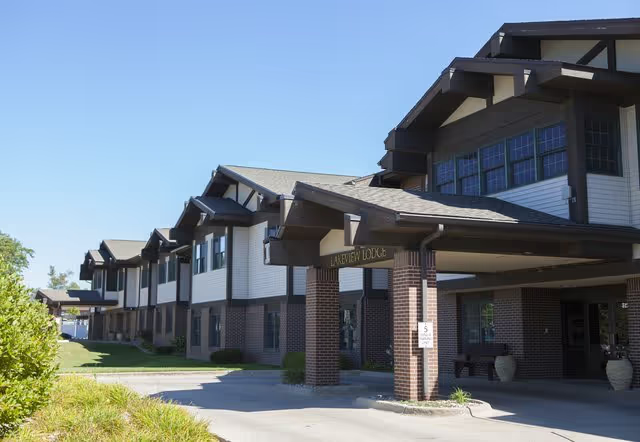
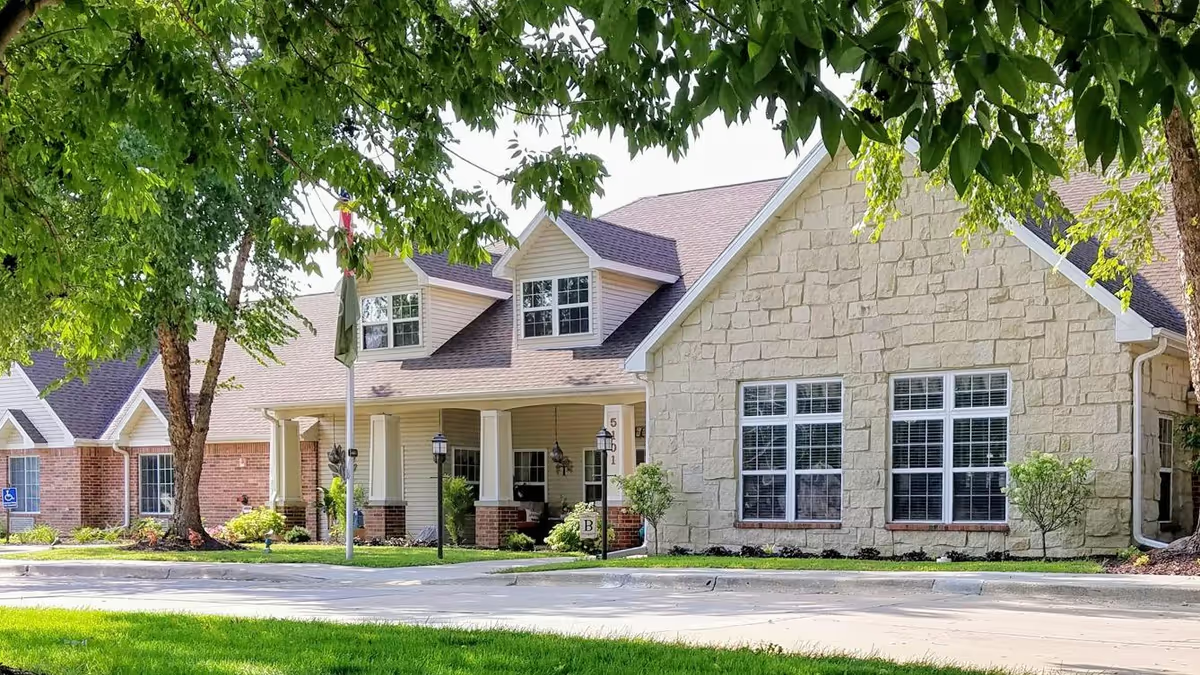
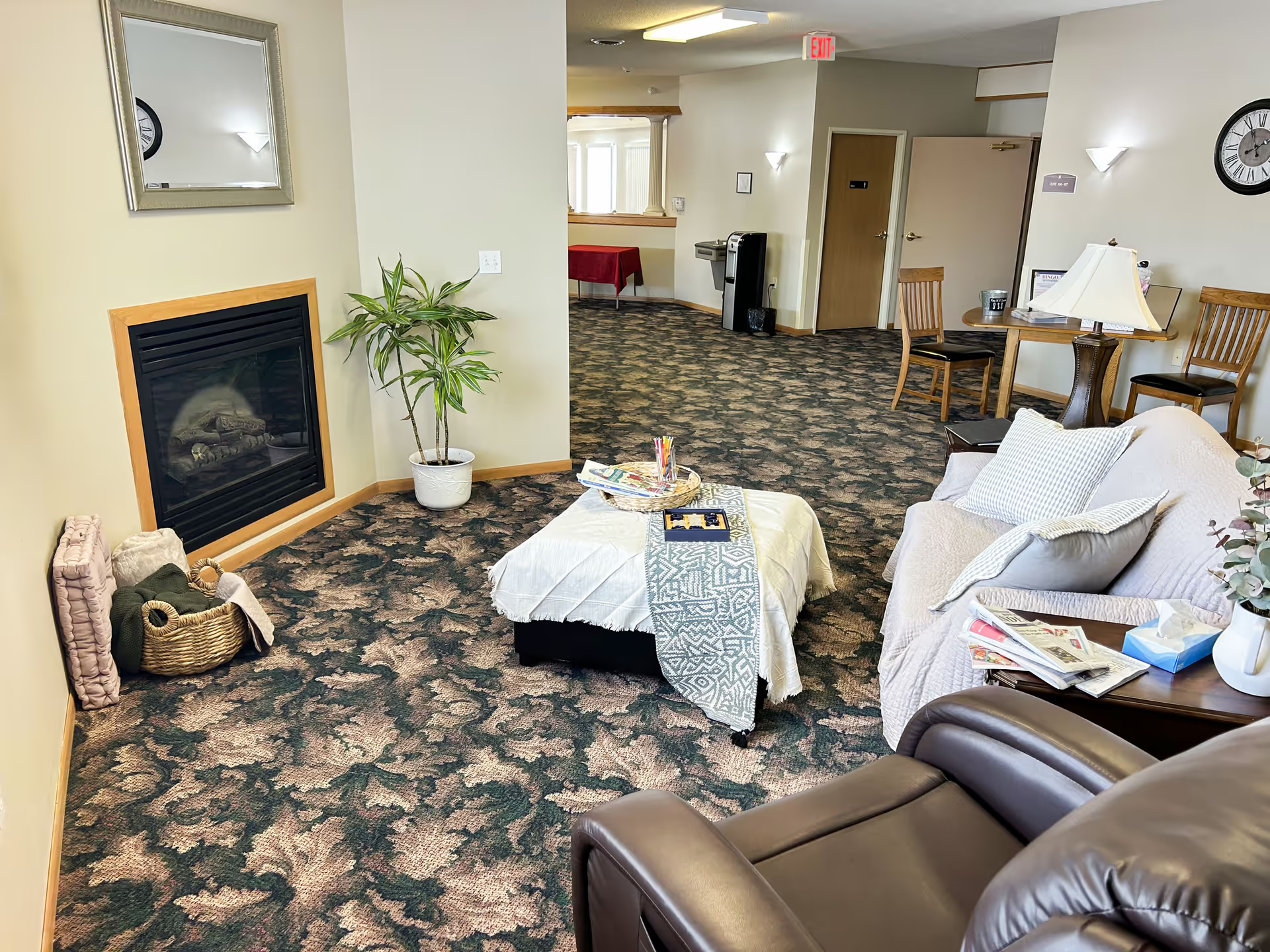
Facility, rooms, and policies are another strong theme. The physical plant is described as older and basic, with small rooms and a "hospital-like" setup that reviewers find uncomfortable. A restrictive furniture policy compounds the lack of comfort, making rooms feel less home-like and limiting personalization. Several reviewers conclude the place is "not the right spot" for them, which suggests that the environment and accommodation style do not meet expectations for residential comfort or homeliness common to other assisted living options.
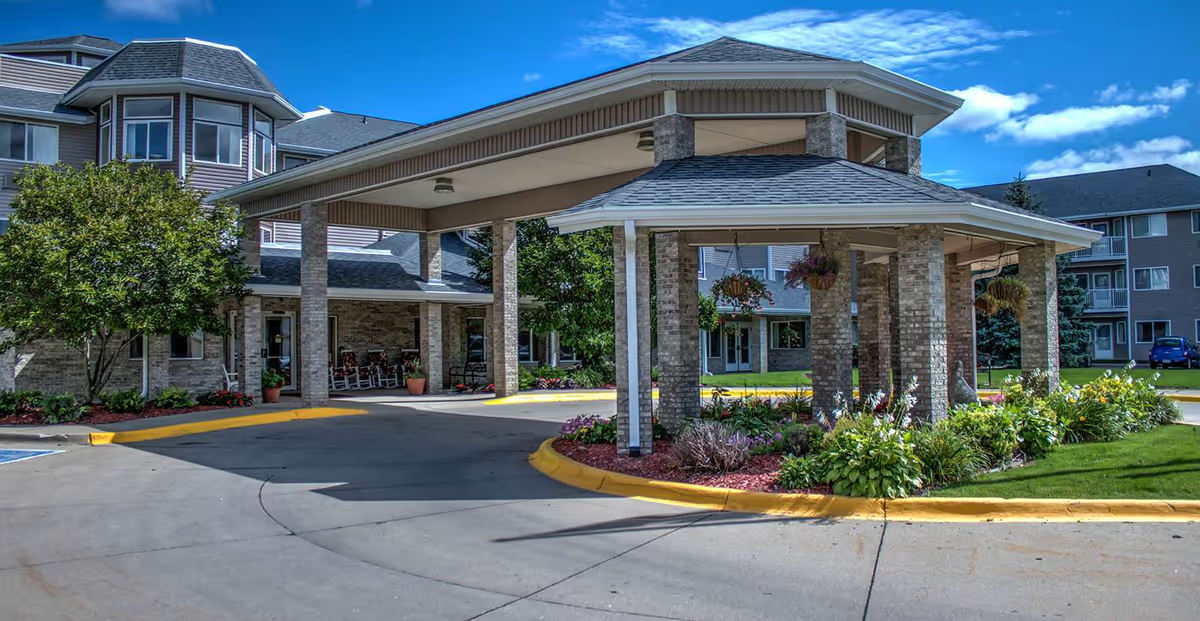
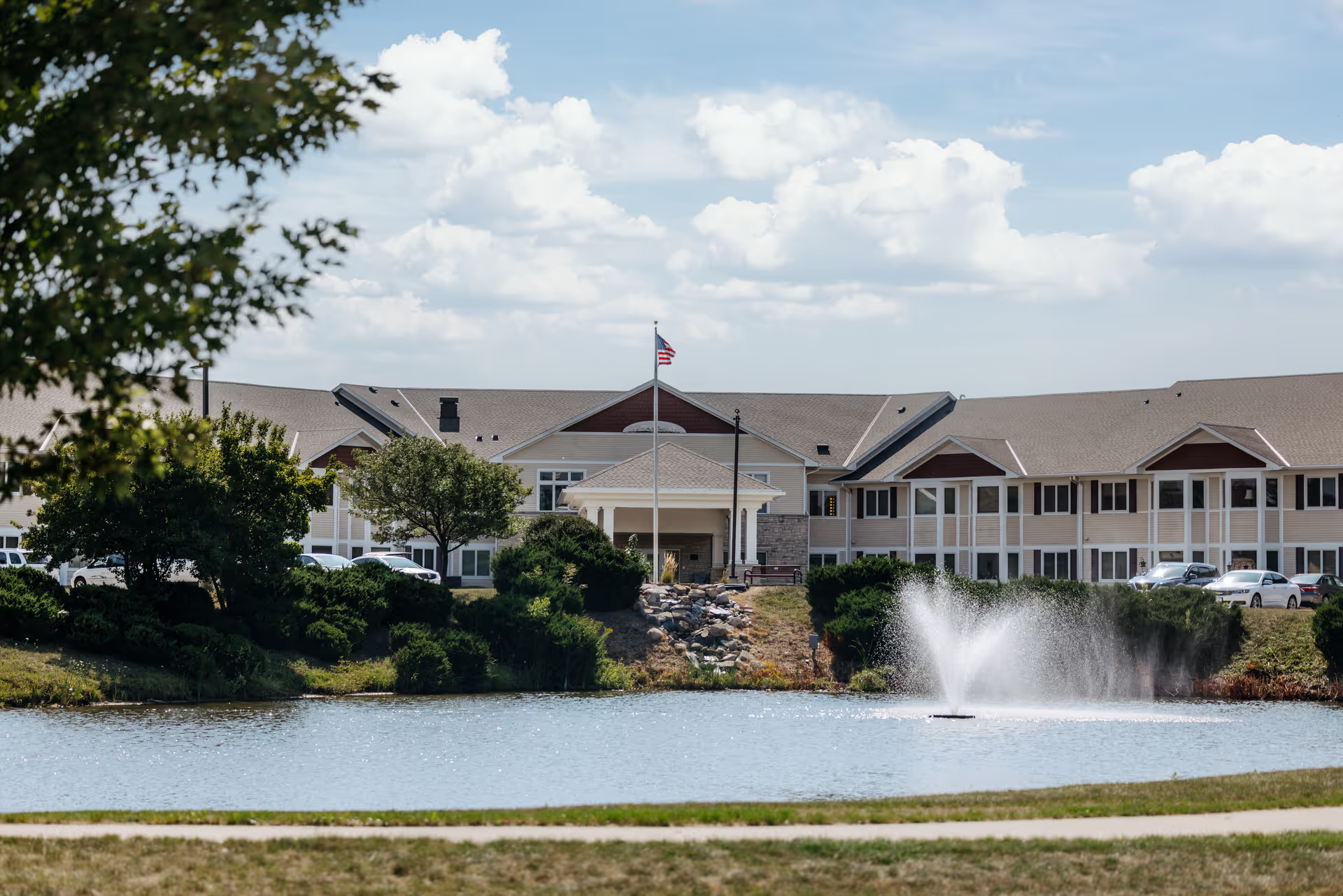
Amenities and activities are a clear bright spot. Specific features called out include an aquarium, an on-site theatre, and an ice cream parlor — visible, tangible offerings that contribute positively to resident life and social opportunities. The existence of these amenities, combined with an "overall rating 4/5," suggests that for some residents and families the community provides valuable social and recreational benefits that can meaningfully enhance quality of life.
In summary, Lakeview Lodge at Friendship Village shows a split profile: social and amenity strengths plus individually positive staff interactions, contrasted with inconsistent care delivery, procedural and oversight gaps, and an aging, institutional-feeling physical environment. If considering this community, prospective residents and families should weigh the appealing activities and friendly personnel against concerns about reliability of care and limited, hospital-like accommodations. The most actionable priorities for the facility — based on reviewer feedback — would be to standardize care procedures, strengthen staff accountability and motivation, and address room comfort and personalization policies to better match resident expectations.