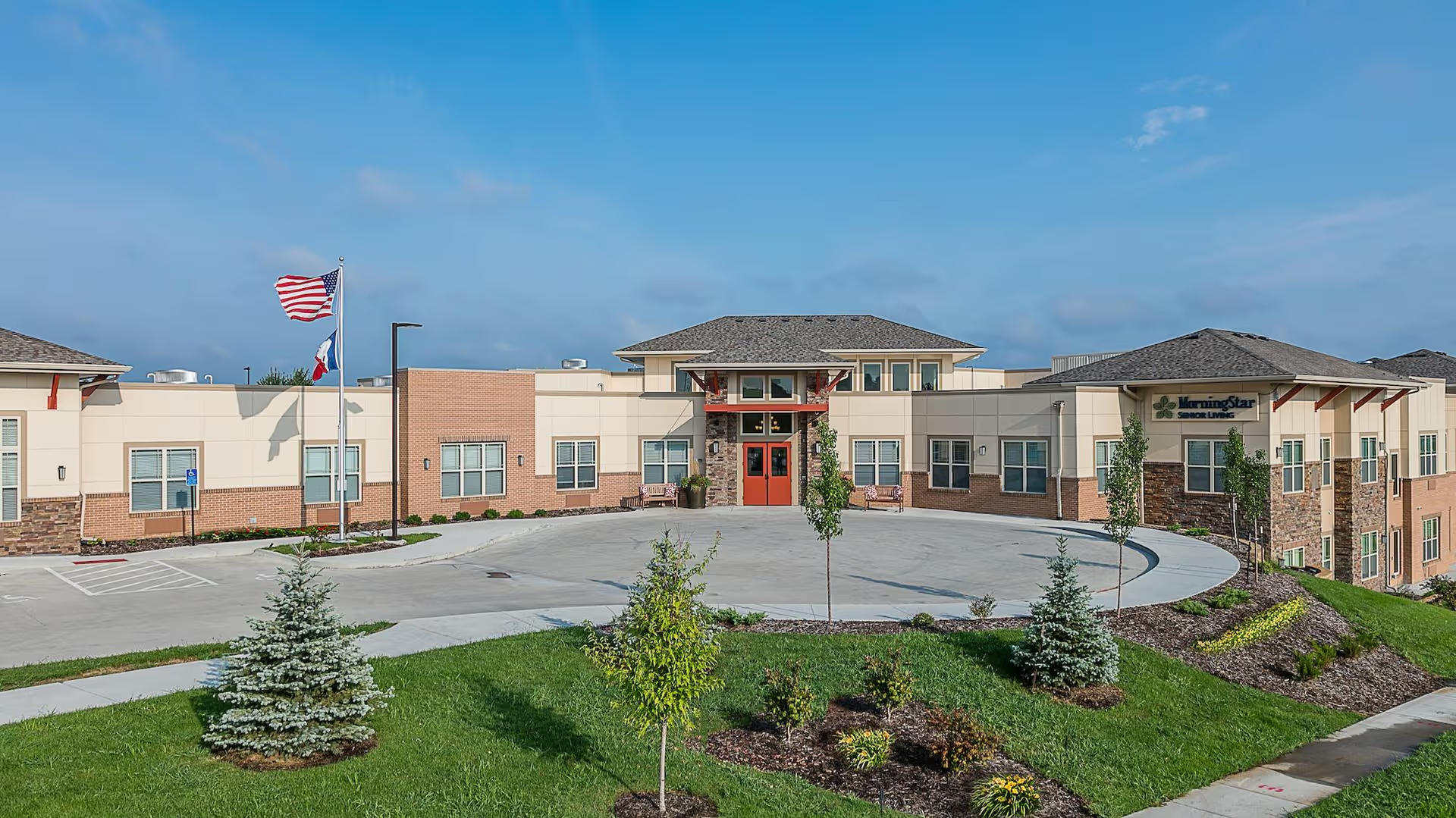
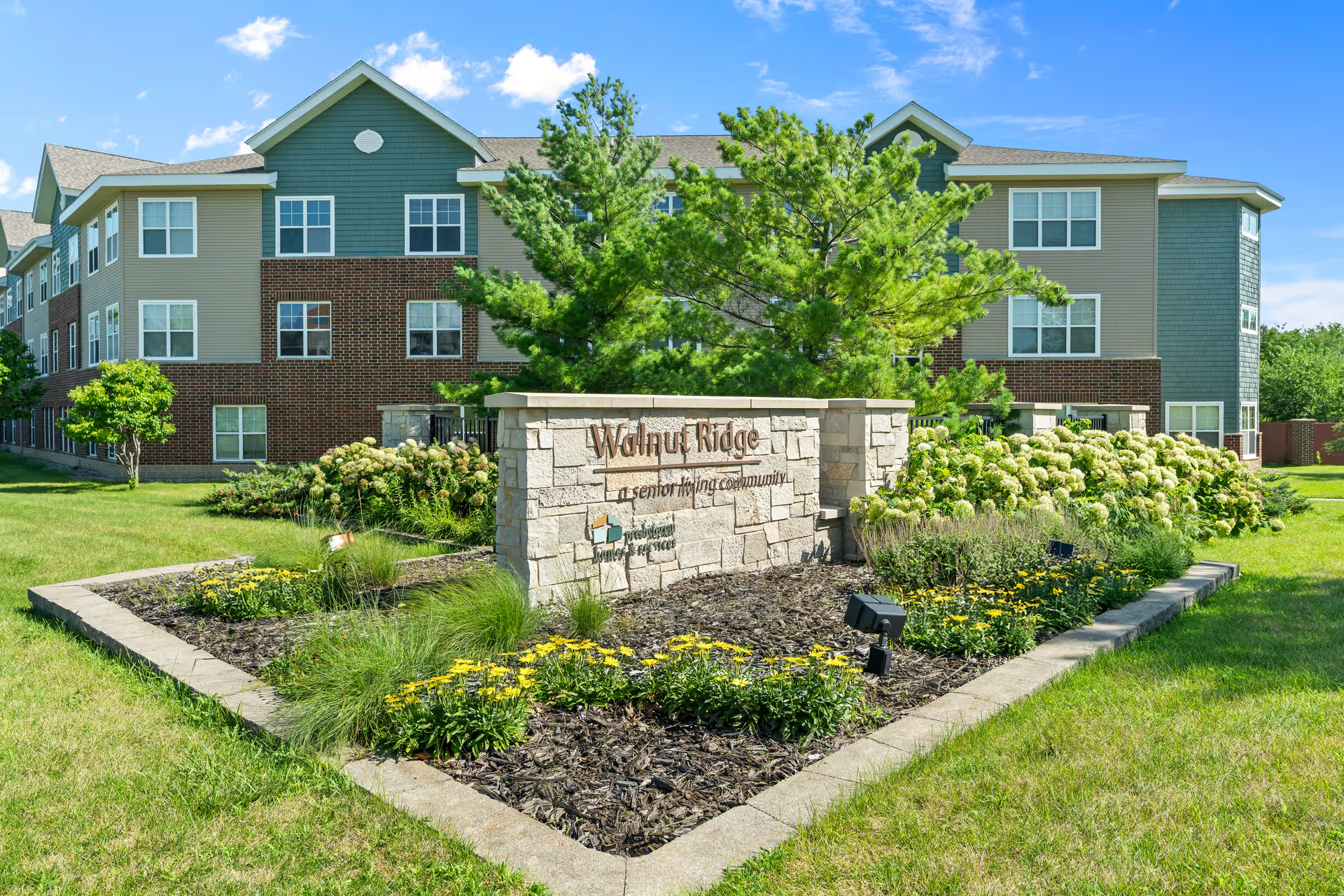
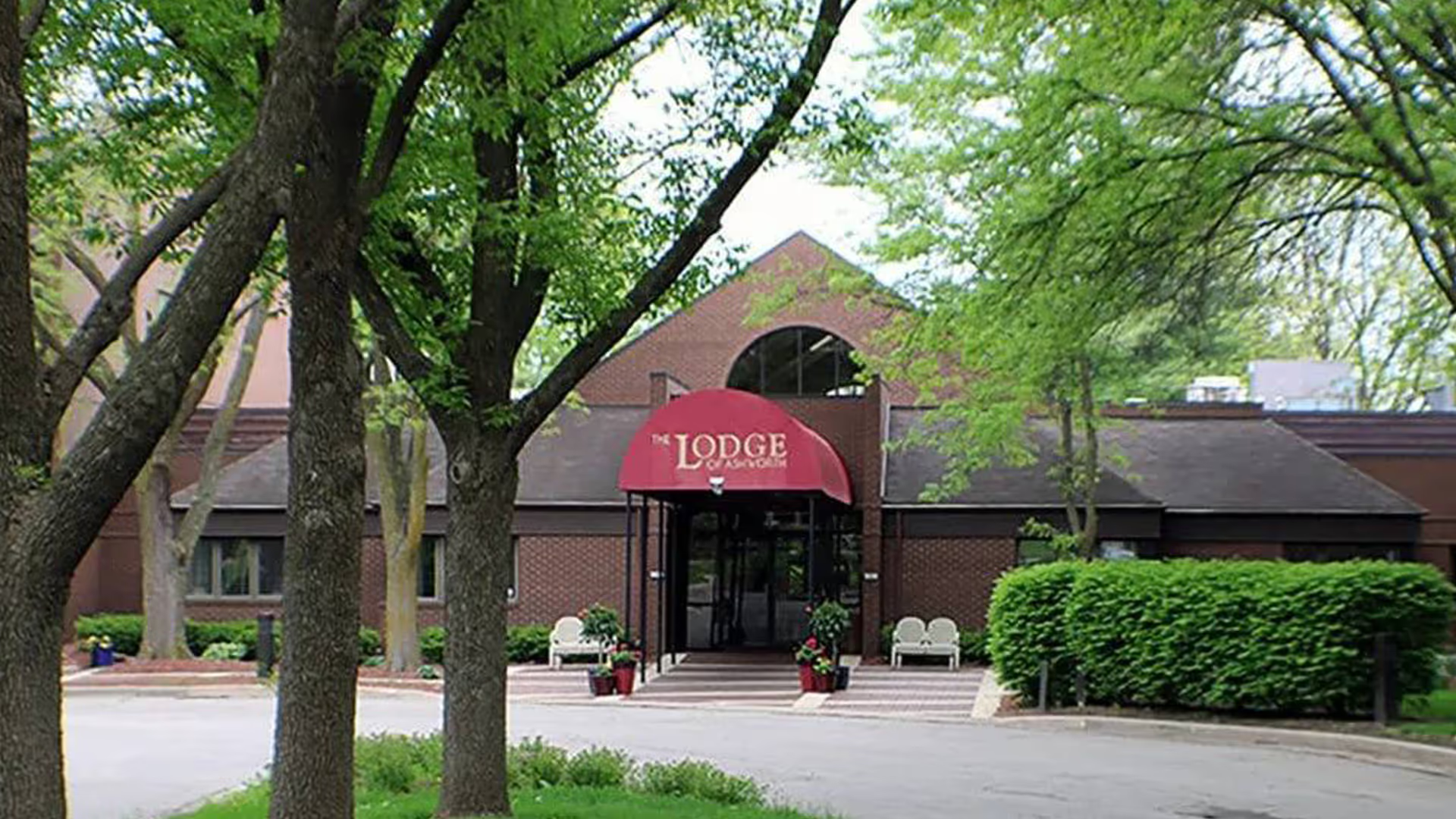
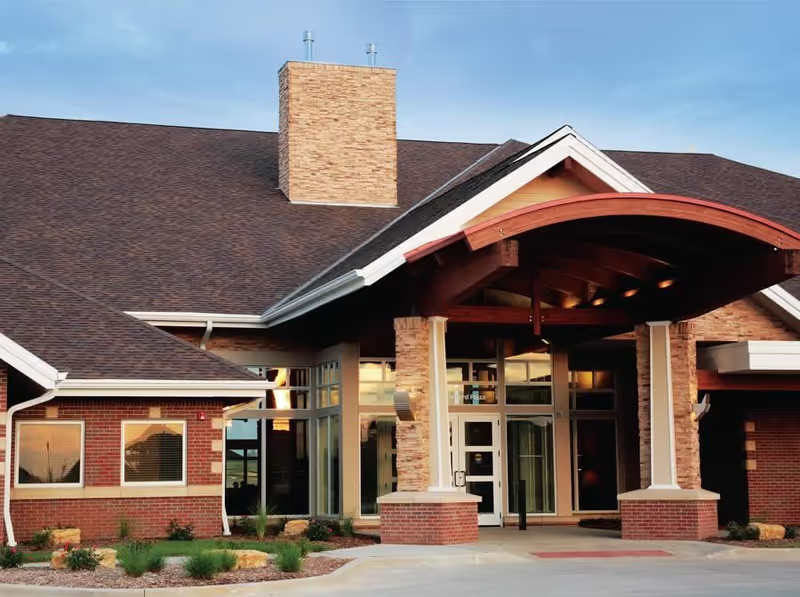
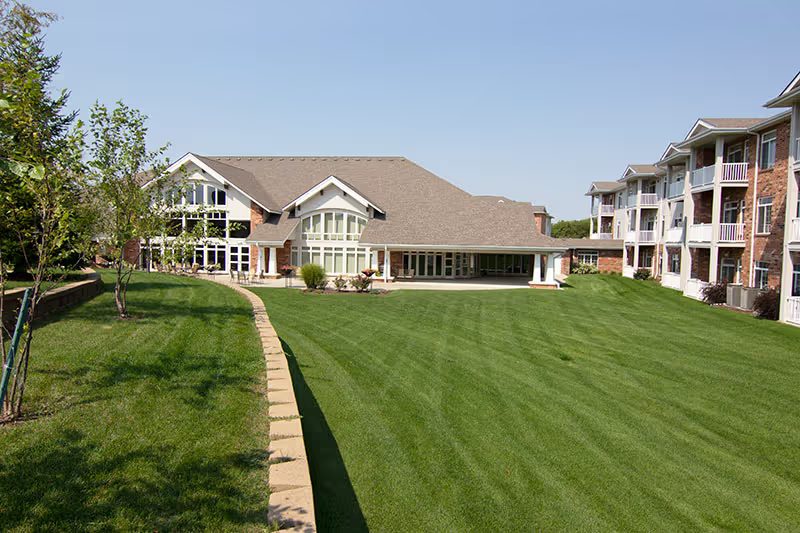
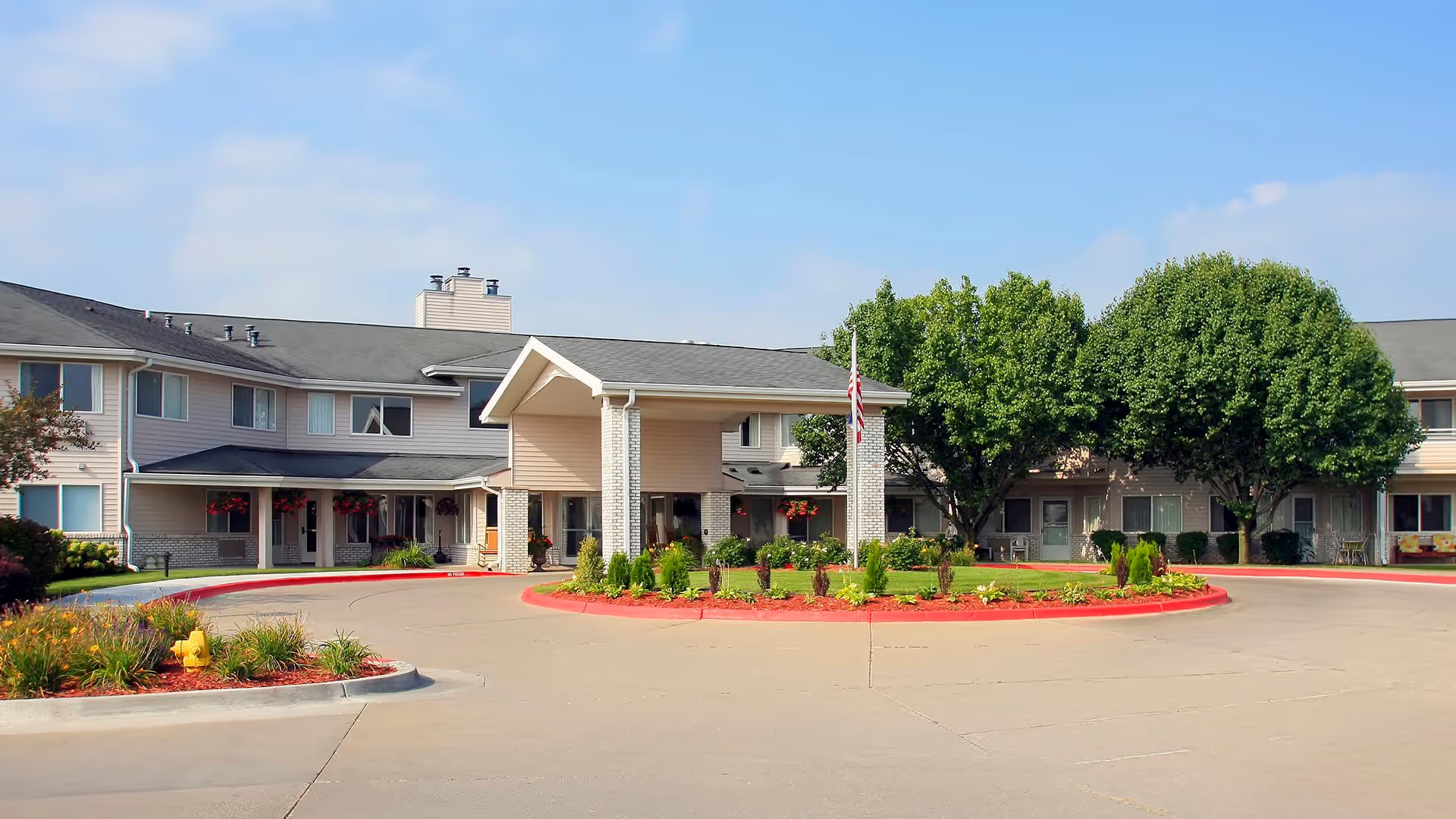
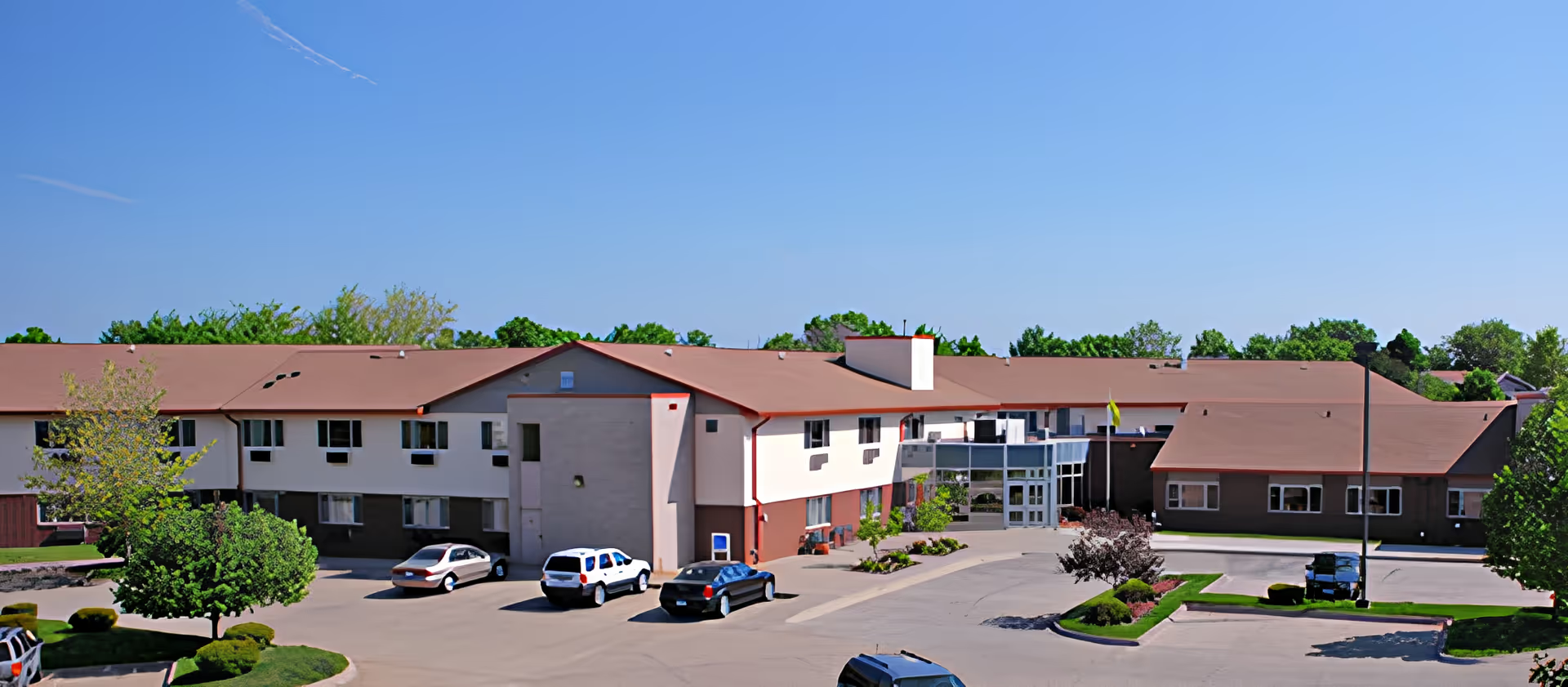
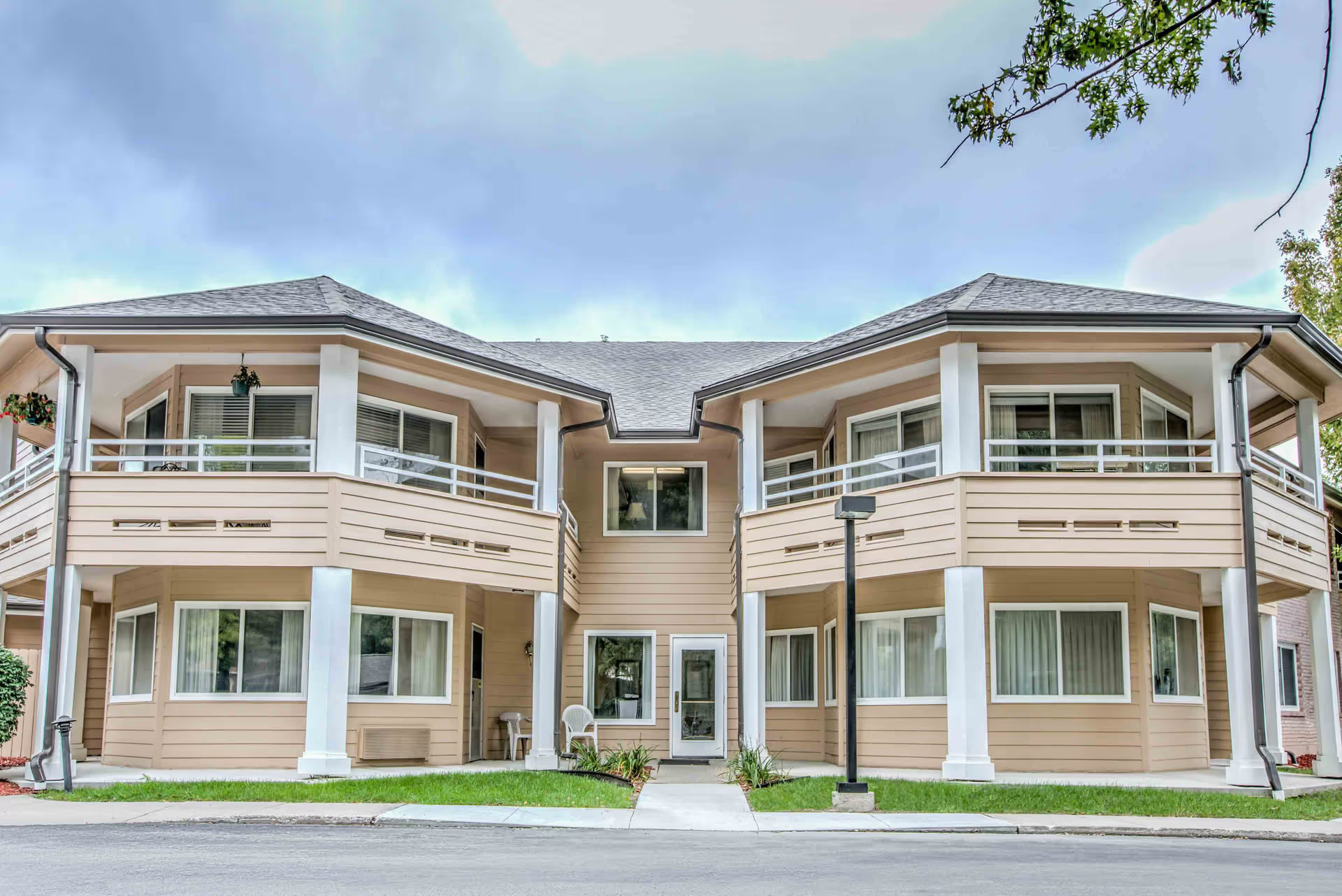
Overall impression: Bickford of West Des Moines is frequently described as an attractive, home-like community with well-kept grounds, enclosed courtyards and multiple common areas that support a small, intimate living environment. Many families cite a warm, family-style atmosphere, helpful admissions tours, and personalized transition support. The property layout (one-level in many areas, secure courtyards, and wheelchair-accessible dining) and a variety of apartment floor plans are consistent strengths.
Care and staffing: Reviewers commonly praise individual caregivers and long-tenured nursing staff for compassionate, person-centered interactions and attentiveness. The memory-care area is described as nurse-managed and secure, with programming geared toward cognitive needs. At the same time, recurring operational concerns point to inconsistent staffing levels and temporary role-mixing (for example, clinical staff assisting with nonclinical tasks). These factors are associated with delays in responding to call buttons and assistance requests, difficulty locating staff at times, and variable responsiveness during peak periods. Prospective families should assess current staffing ratios, call-response systems, and how the community covers weekends and off-shifts.
Dining and kitchen operations: The community offers restaurant-style meals and on-site culinary staff, and several reviewers complimented the food and dining presentation. However, others note variability in meal quality and occasional service lapses tied to kitchen staffing changes. There are also comments about missed meal service events and slow paperwork related to dietary accommodations. Verify current culinary staffing stability and sample meals during a visit.
Activities and social programming: Activity offerings are a consistent strength — the program includes exercise (chair-friendly options), crafts, games (bingo, Wii), live music, outings, worship/pastoral visits, gardening and family-event spaces. The smaller community size supports frequent, personalized engagement. A pattern mentioned by visitors is lighter programming on weekends; families who prioritize 7-day activity coverage may want to review the weekend schedule.
Facilities and cleanliness: The property’s physical environment is often highlighted positively: inviting porches, a welcoming lobby, private dining rooms, and secure outdoor areas. At the unit level there is mixed feedback: some residents report clean, well-maintained rooms while others describe dated finishes, small footprints, limited natural light, and uneven housekeeping attention (cobwebs, sporadic sanitation issues). There are also isolated mentions of pest-control concerns. It is advisable to tour specific unit types and ask about recent housekeeping audits and pest-control protocols.
Management and communication: Admissions staff and tour guides receive frequent praise for being informative and accommodating. Conversely, there are recurring concerns about administrative responsiveness — slow paperwork processing, billing errors, and uneven follow-through from leadership at times. A few reviewers also raised issues about staff communication style and language barriers that affected interactions. These operational gaps suggest checking the facility’s current administrative processes, escalation paths for concerns, and how leadership addresses family communication.
Notable patterns and recommendation guidance: In aggregate, the community demonstrates strong relational strengths — caring staff, meaningful activities, and an inviting physical environment — balanced against operational vulnerabilities in staffing consistency, housekeeping oversight, kitchen staffing stability, and administrative follow-through. Cost is another practical consideration: monthly pricing is on the higher side and Medicaid is not accepted. Prospective residents and families should request up-to-date staffing ratios, recent inspection or pest-control records, sample menus, weekend activity schedules, and references from current families to determine whether the community’s strengths align with the prospective resident’s clinical needs and budget.