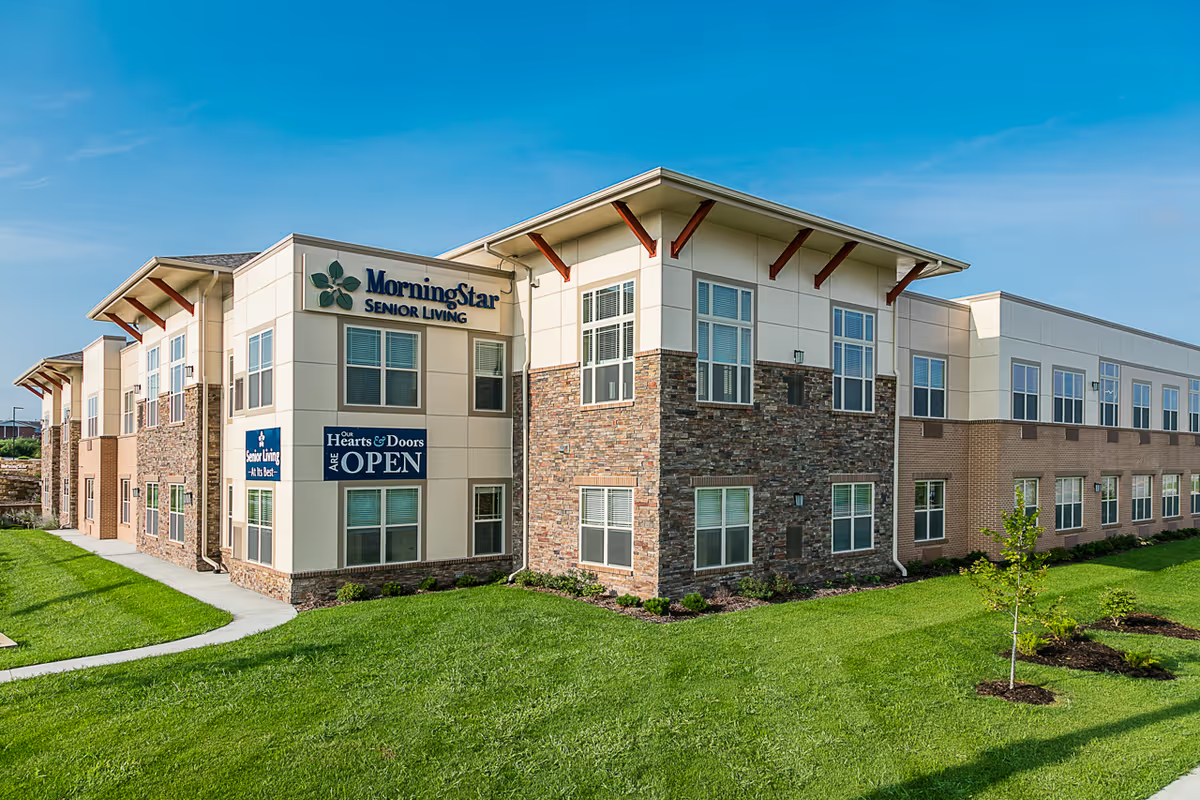
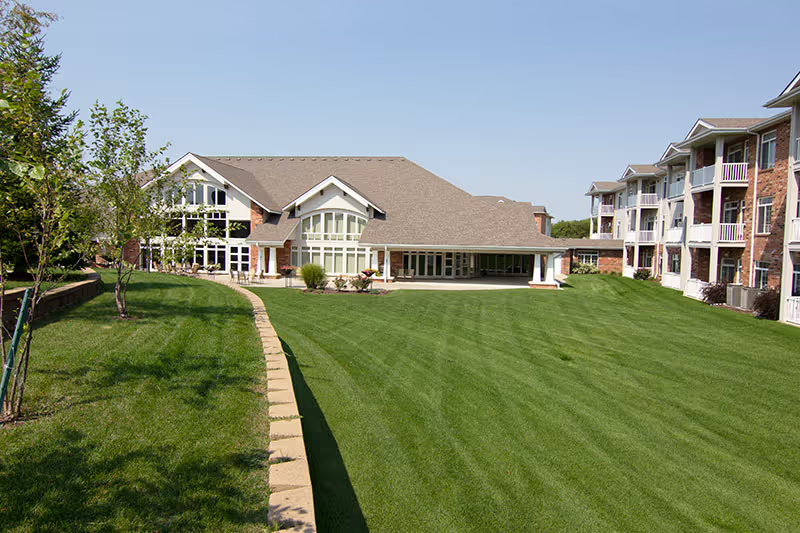
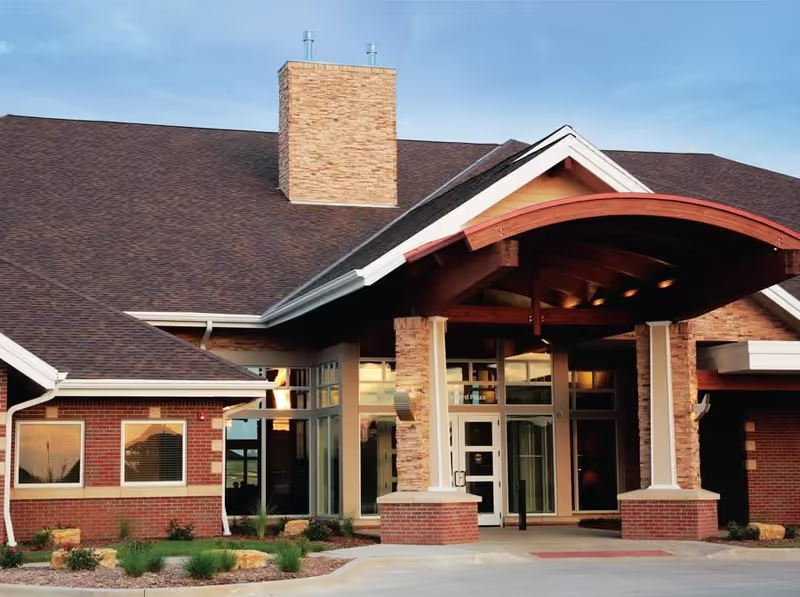
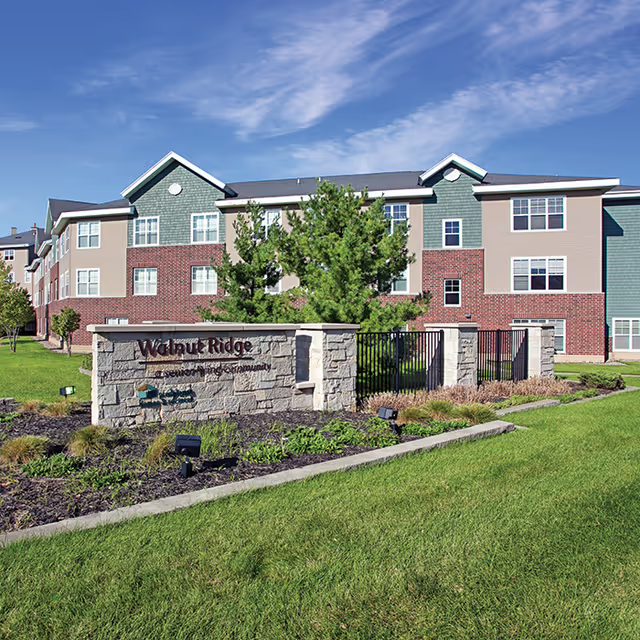
Edgewater presents a mixed profile: it offers an extensive, resort‑style campus with a broad continuum of services and many desirable amenities, yet several operational and clinical concerns recur across reviews. Independent living residents and families commonly highlight the facility’s physical environment, social programming, and multiple dining venues. Positive attributes include restaurant‑quality meals, plant‑based options, a staffed fitness center and indoor saltwater pool, an on‑site theater, salon/spa, woodworking shop, and a strong calendar of cultural and educational activities. The campus also supports a continuum of care with assisted living, memory care, long‑term care, on‑site medical and rehabilitation services, and hospice availability, which is attractive to families seeking an integrated option.
Care quality and staffing are areas of notable variation. Many accounts describe attentive, knowledgeable nurses, aides, and therapy staff and note effective rehabilitation and proactive wellness programming. Conversely, other accounts describe understaffing, high turnover, and gaps in training that appear to correlate with slower response times to call lights, delayed medication or toileting assistance, and inconsistent follow‑through on clinical needs. Safety‑related concerns such as falls, delayed post‑fall attention, and weaknesses in fall‑prevention processes were raised; at least one reviewer referenced regulatory action. These descriptions suggest that clinical oversight and staffing reliability can be uneven, particularly in higher‑acuity care settings.
Dining and dietary accommodation exhibit both strengths and weaknesses. The dining program is frequently praised for quality, variety, and multiple service venues (main dining, bistro, snack marketplace, full bar), and several reviewers singled out the chef and specific staff. However, some families reported difficulty obtaining individualized or medically required diets and expressed frustration with changes to meal policies and additional charges. Prospective residents with strict dietary needs should verify current accommodation procedures and fee structures.
Facilities and maintenance receive largely positive comments for aesthetics, apartment customization, storage, and outdoor spaces, and many reviewers appreciated heated parking and secure memory‑care neighborhoods. At the same time, there are recurring reports of heating/temperature control problems, drafty rooms, and delayed repairs. Maintenance responsiveness was described as rapid in some instances and slow in others, suggesting variability between units or shifts.
Management, communication, and family engagement present mixed impressions. Numerous reviewers praised welcoming, helpful staff and informative tours; others described bureaucratic obstacles, poor communication about incidents, difficulty obtaining timely documentation, and a social‑services experience that some families found unhelpful. Cost and perceived value were also areas of concern: a number of families described unexpected transitions to higher‑acuity, higher‑cost care and found the financial and care planning communication insufficient.
In summary, Edgewater offers substantial campus amenities, active programming, and a clear continuum of services that many residents find attractive. At the same time, the facility demonstrates operational variability in clinical staffing, responsiveness, maintenance reliability, dietary accommodation, and family communication. Prospective residents and families should weigh the strong amenities and social environment against the potential for uneven clinical performance at higher levels of care; specific recommendations include touring relevant care neighborhoods, asking for up‑to‑date staffing and training information, reviewing incident‑reporting and communication protocols, and confirming dietary and billing policies in writing.