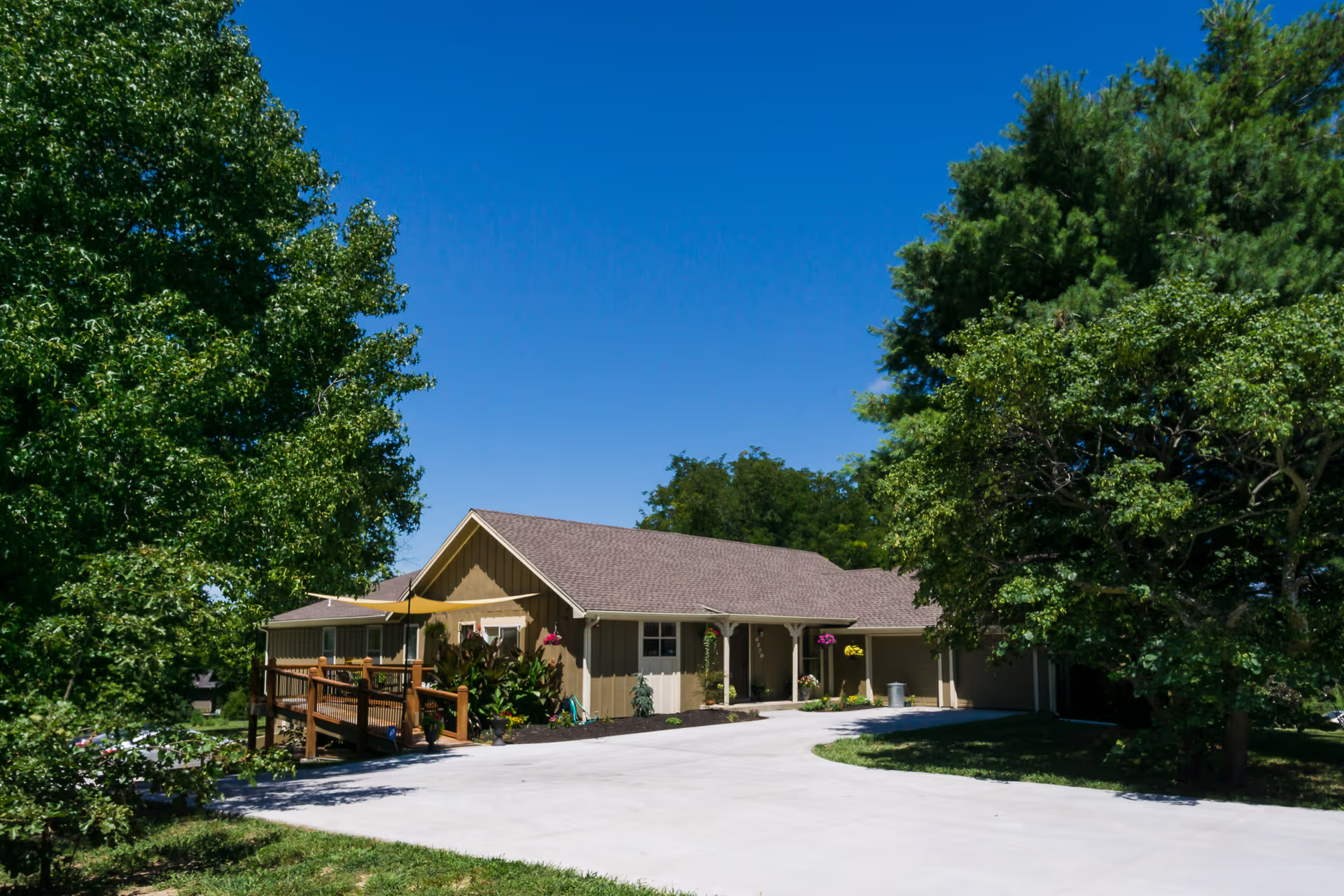
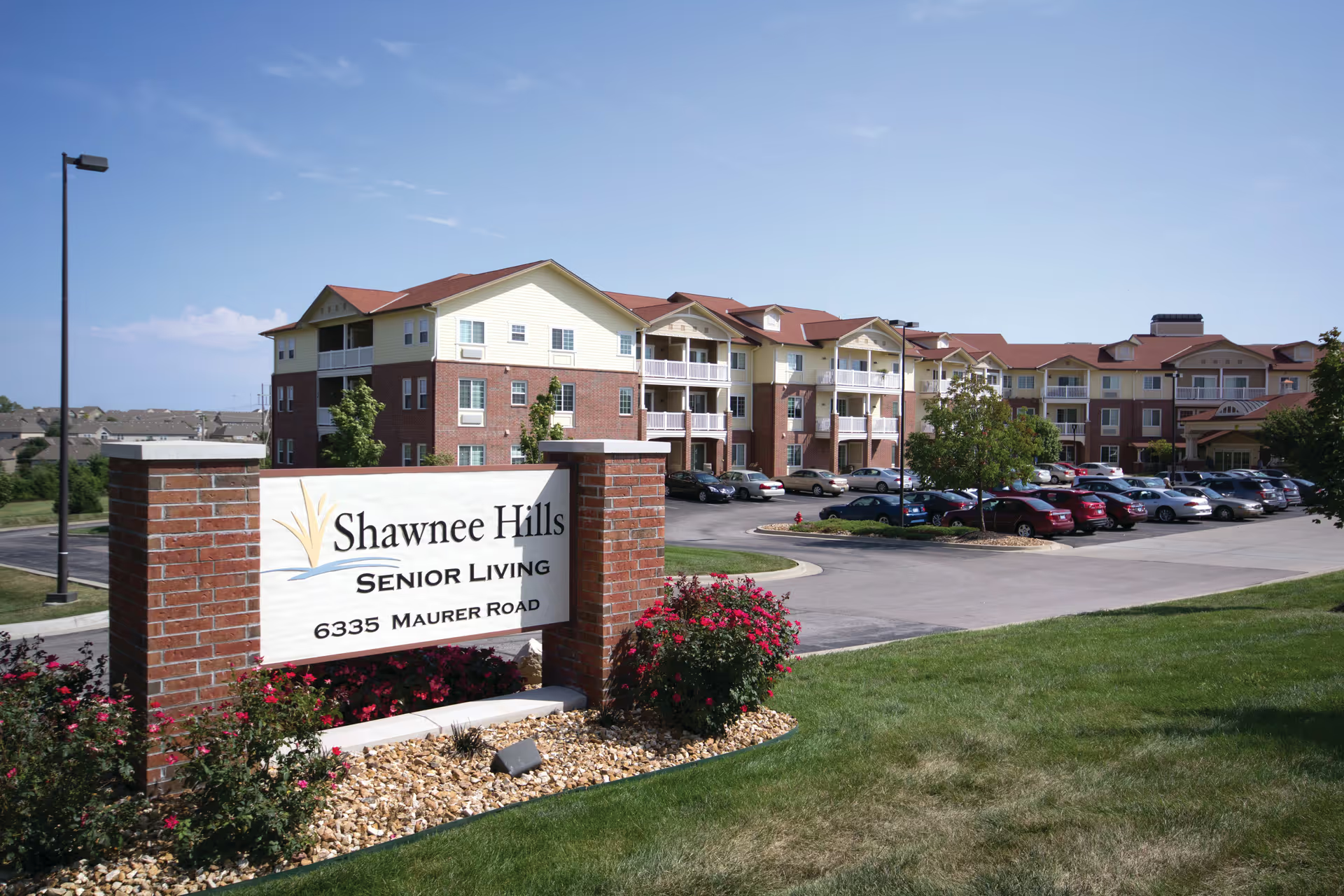
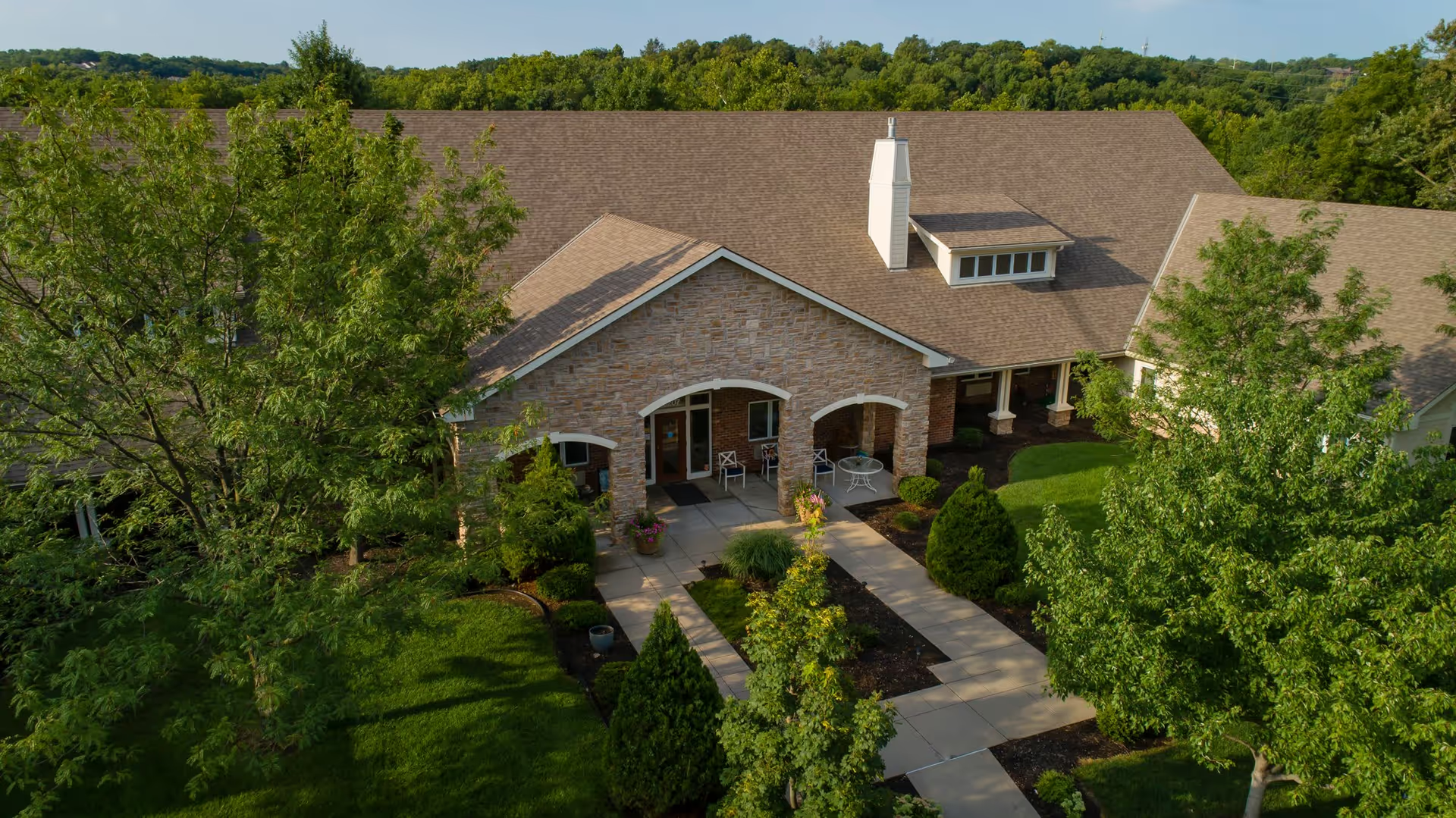
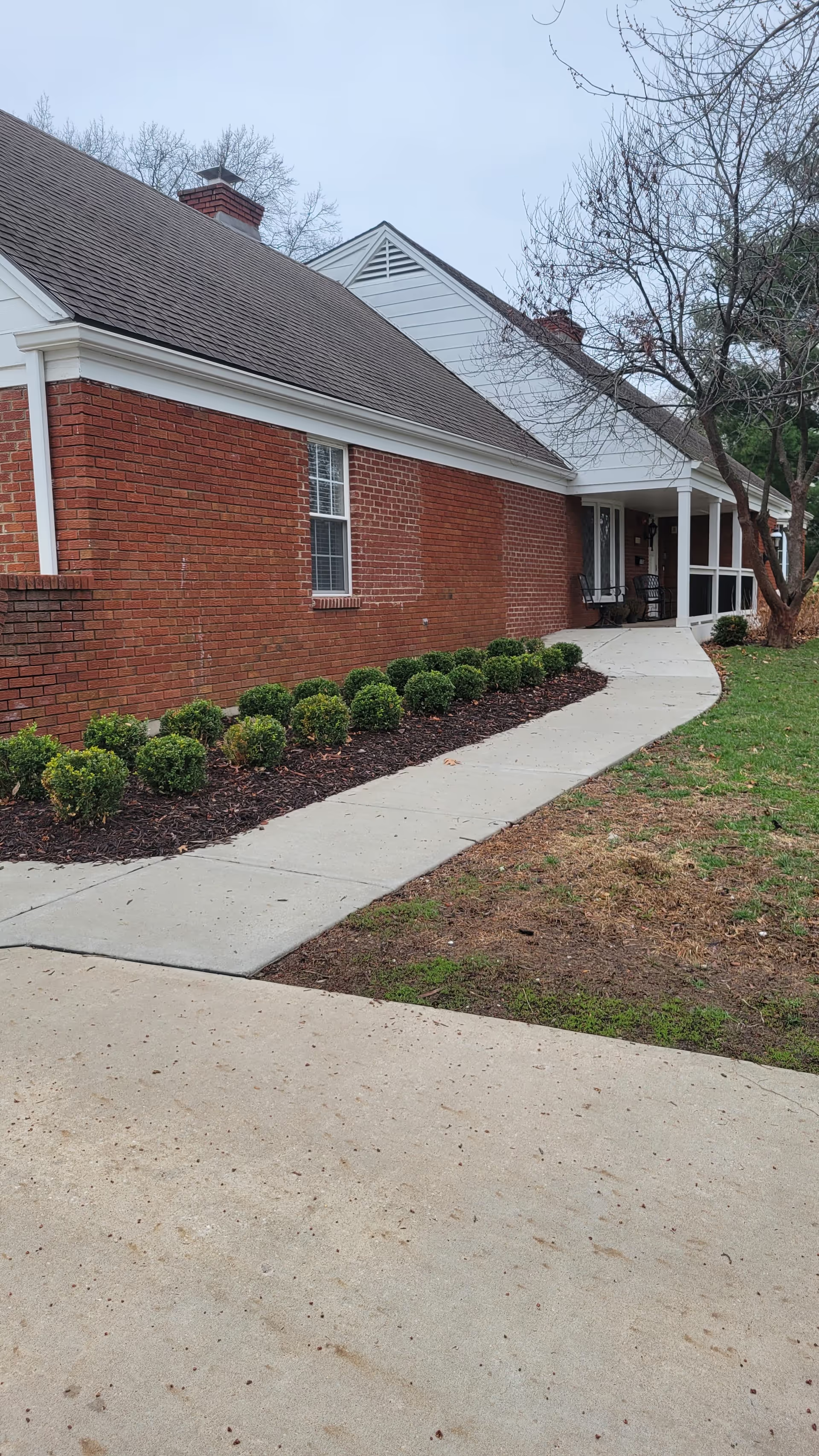
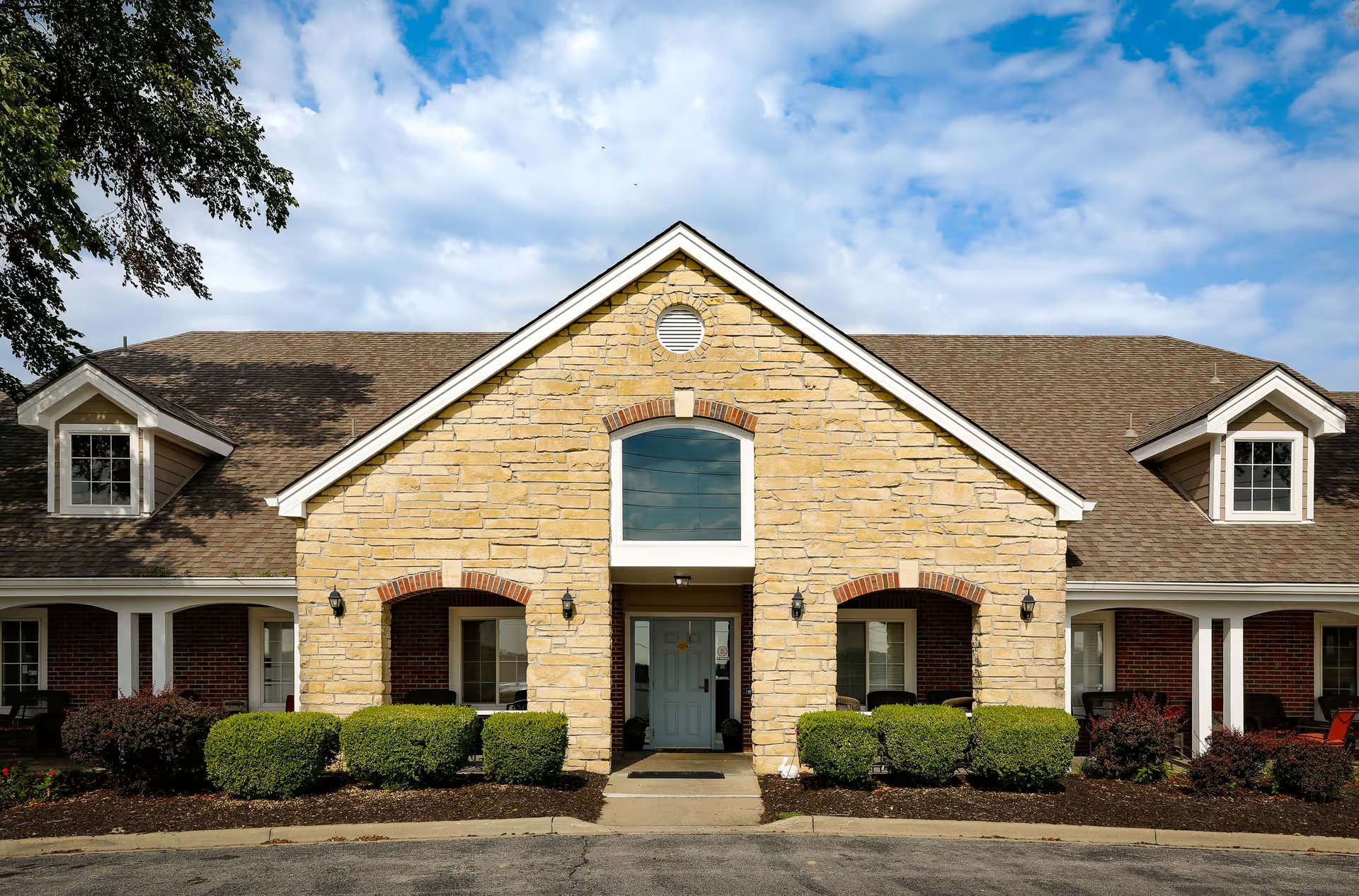
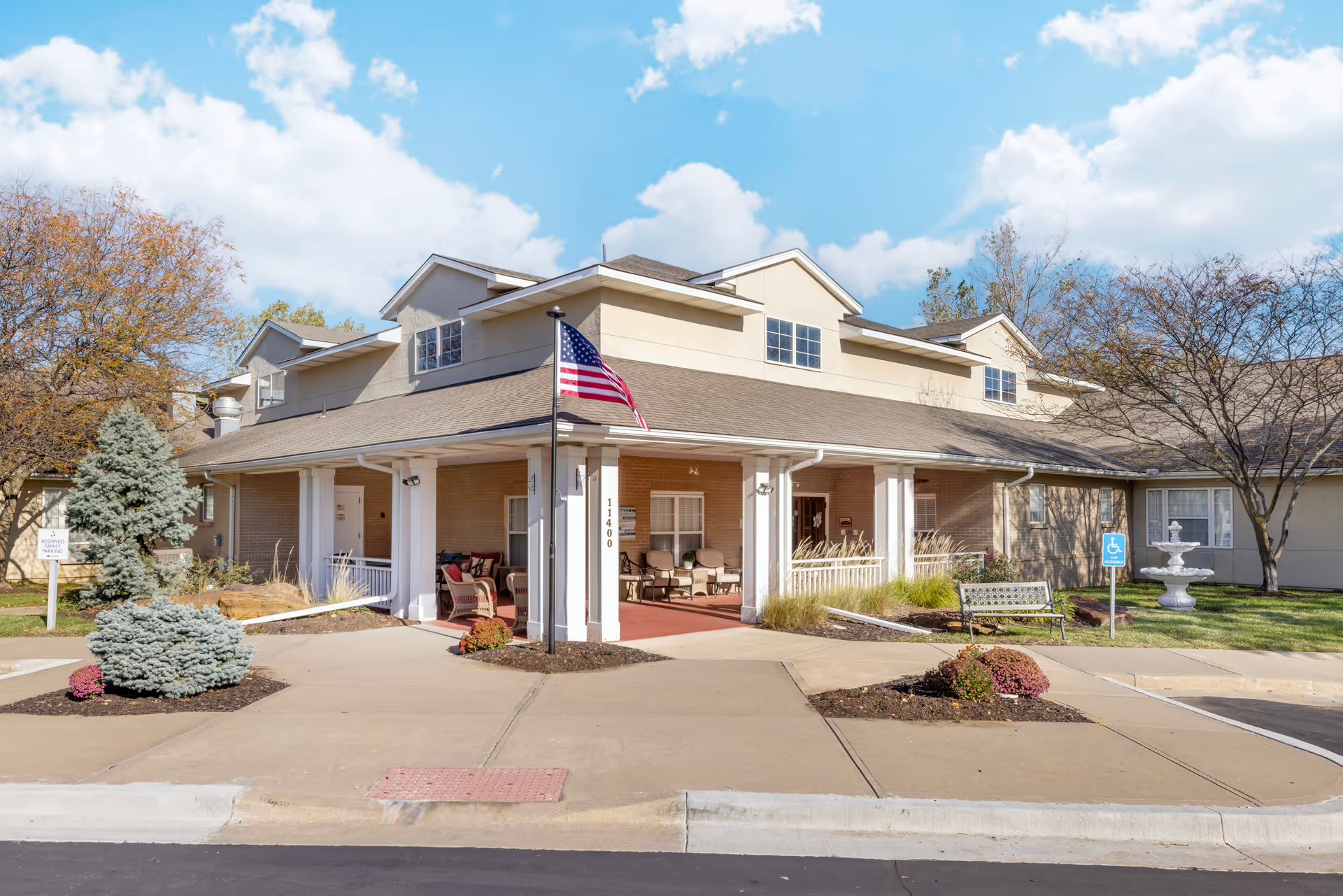
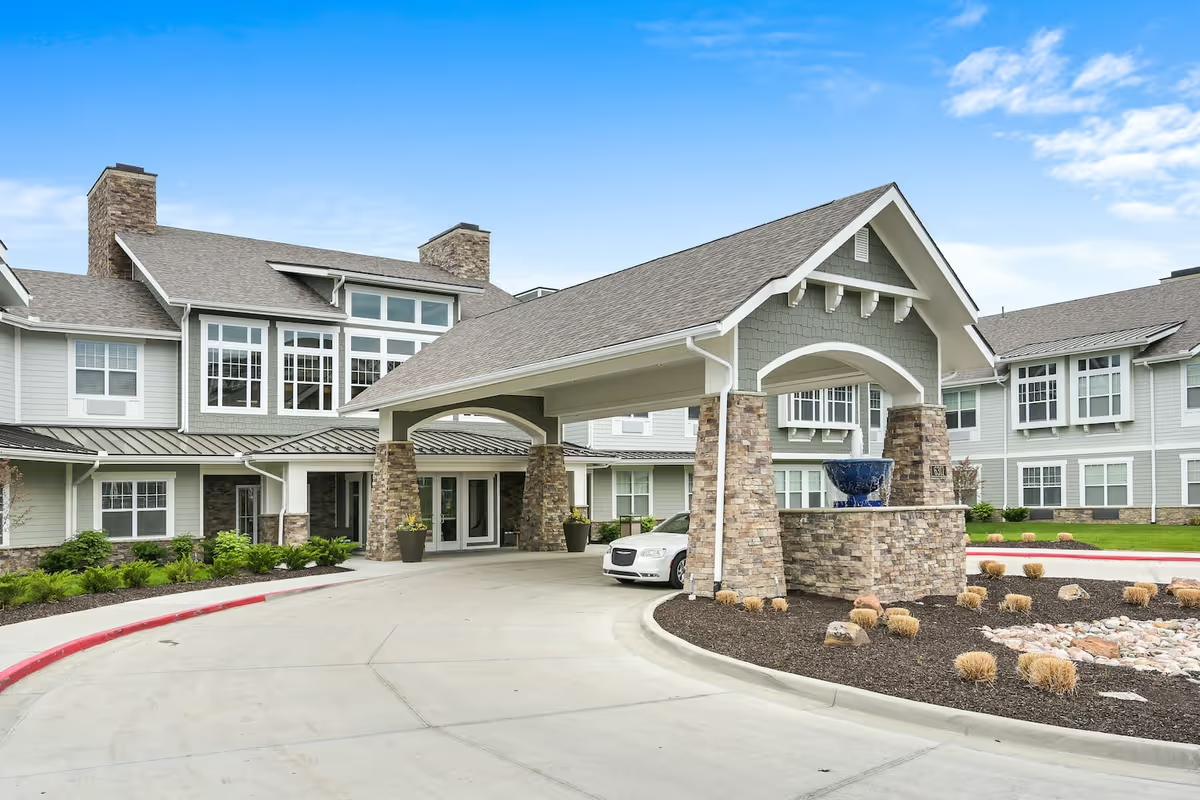
Overall impression: The Piper Assisted Living and Memory Care presents a consistently praised physical environment and social program alongside recurring operational and clinical challenges. Many families describe the building, households and grounds as attractive, clean, and intentionally designed to feel home‑like. The household model, private apartments with kitchenettes and washer/dryer units, memory‑care dining rooms, on‑site chef, live music, and an active recreation team are repeatedly cited as strengths that contribute to resident engagement and quality of life.
Care and staff: Caregiver warmth and individualized attention are frequent positives; specific aides and nursing staff are singled out for compassionate, attentive work. At the same time, reviewers identify persistent staffing shortages, frequent turnover, and uneven clinical coverage — including RNs assigned across multiple households — that can affect consistency of care. Families expressed concerns about medication updates, documentation completeness, and clinical handoffs; these operational gaps have been linked to delays in treatment, inconsistent medication administration, and the need for family advocacy. There are also reports raising concerns about staff conduct and professionalism that families say management has not always resolved to their satisfaction.
Dining and activities: Dining is a clear selling point for many residents — on‑site cooking, flexible meal options, and specialty programming (live music, themed meals) receive praise. The activities program is described as robust, with frequent programming, outings, and arts offerings that foster social engagement. However, reviewers also report variability in meal quality and occasional inconsistencies in 24‑hour kitchen availability, suggesting that mealtime experience can fluctuate by household or shift.
Facilities and services: The physical plant and household layout are strengths: private rooms, small neighborhoods, accessible common areas, and landscaped outdoor space. Housekeeping and maintenance are generally seen as responsive, though there are also specific mentions of cleanliness inconsistencies in some common areas and private rooms, malfunctioning call‑buttons, and distracted response behavior. Transportation and outing logistics are sometimes limited by the absence of a dedicated driver or clearly assigned transportation staff.
Management and patterns: Feedback on administration is mixed. Some families describe responsive, involved leadership and improvements under newer ownership; others cite poor follow‑up on complaints, budget/prioritization choices that affect staffing, and weak interdepartmental communication. Clinical access — including timely physician and psychiatry support — is another recurring concern. There are also a small number of serious claims about recordkeeping irregularities and withholding of records that warrant careful inquiry during any tour or move‑in.
Who this may suit: The Piper may be a strong fit for residents seeking an attractive, socially active assisted‑living setting with household-style neighborhoods, robust activities, and attentive caregivers for lower‑to-moderate acuity needs. Families considering placement for higher‑acuity medical or complex dementia care should seek detailed, written assurances about nurse coverage, medication protocols, documentation practices, emergency response, and psychiatric/physician access. Prospective families are advised to conduct an on‑site visit, ask specific questions about staffing ratios and clinical oversight for the intended household, and request examples of how the community has addressed prior service concerns before making a placement decision.