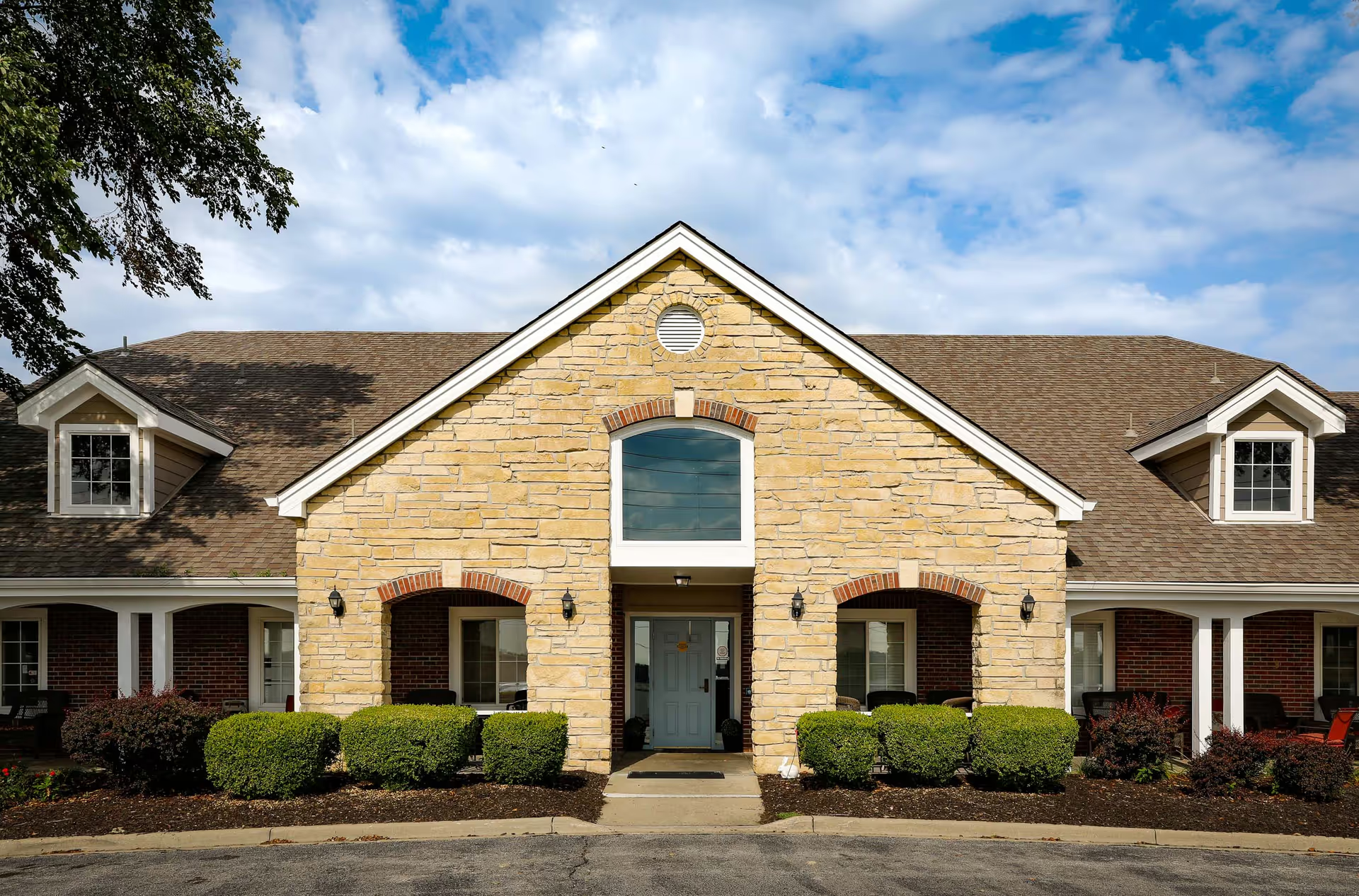
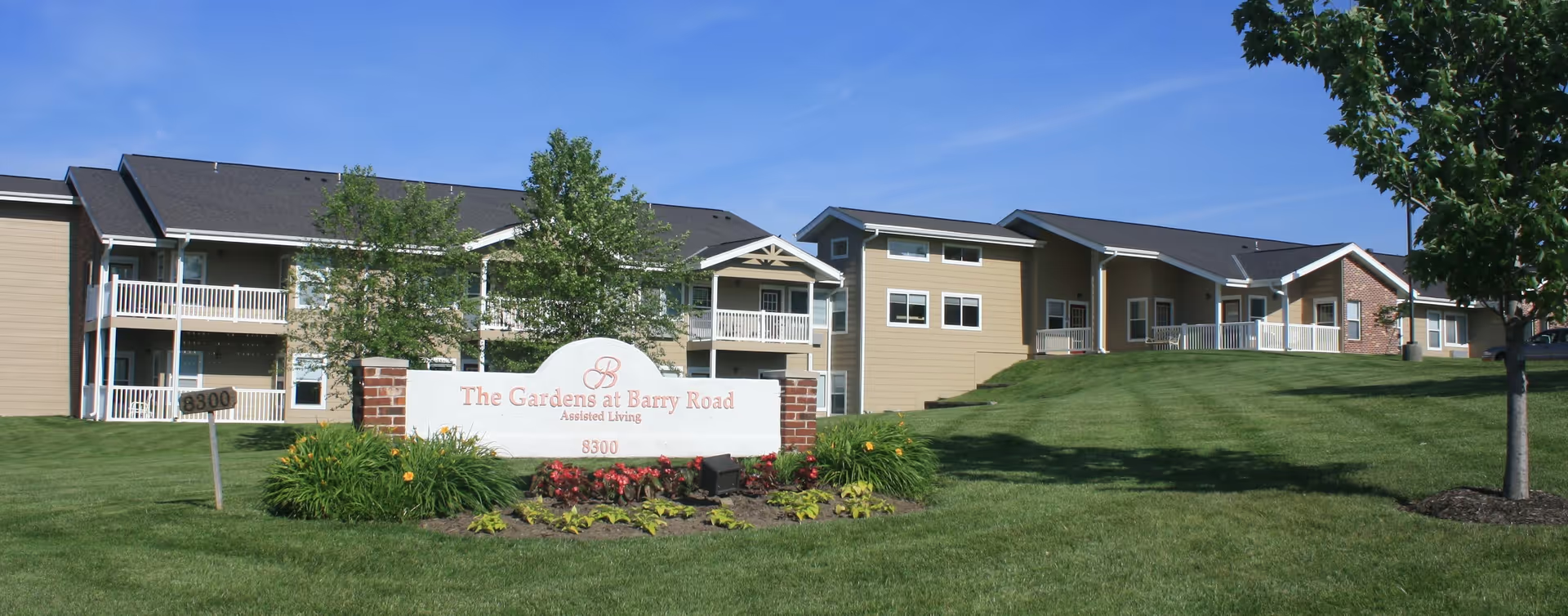
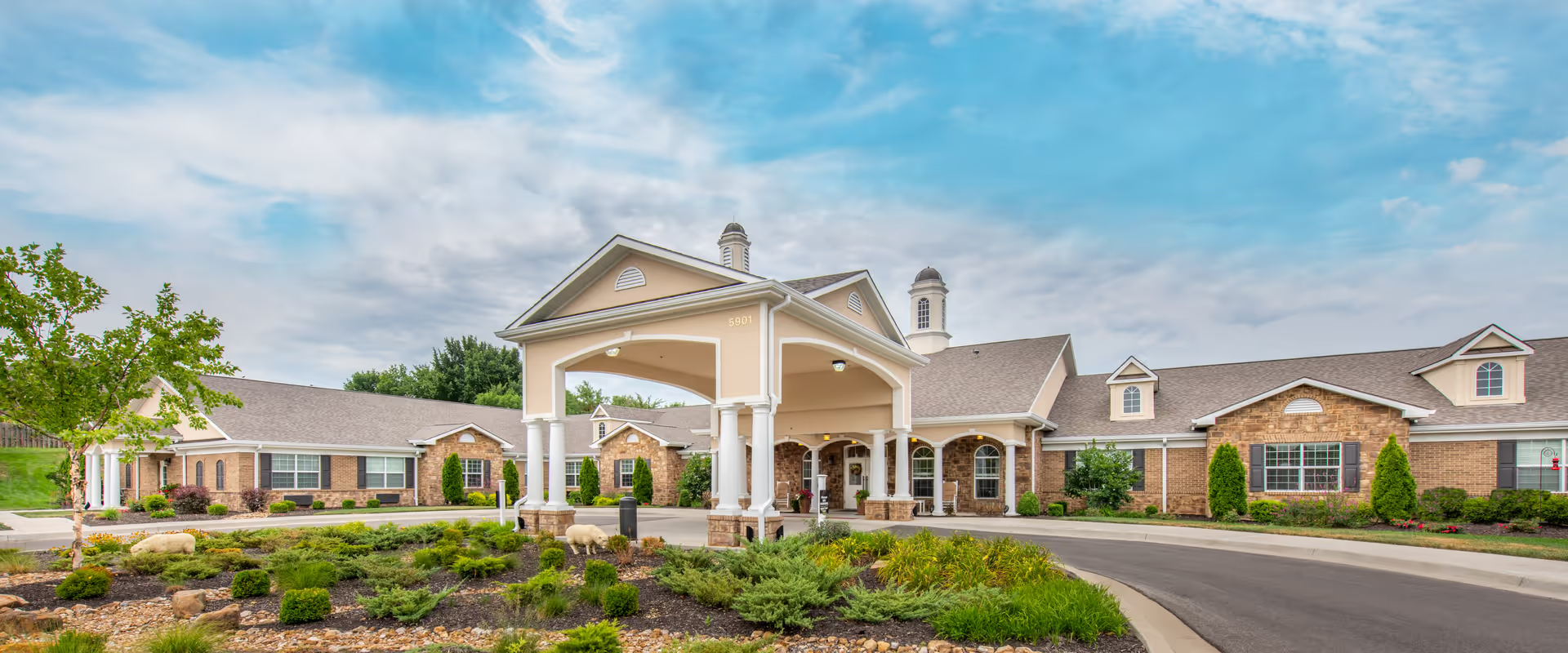
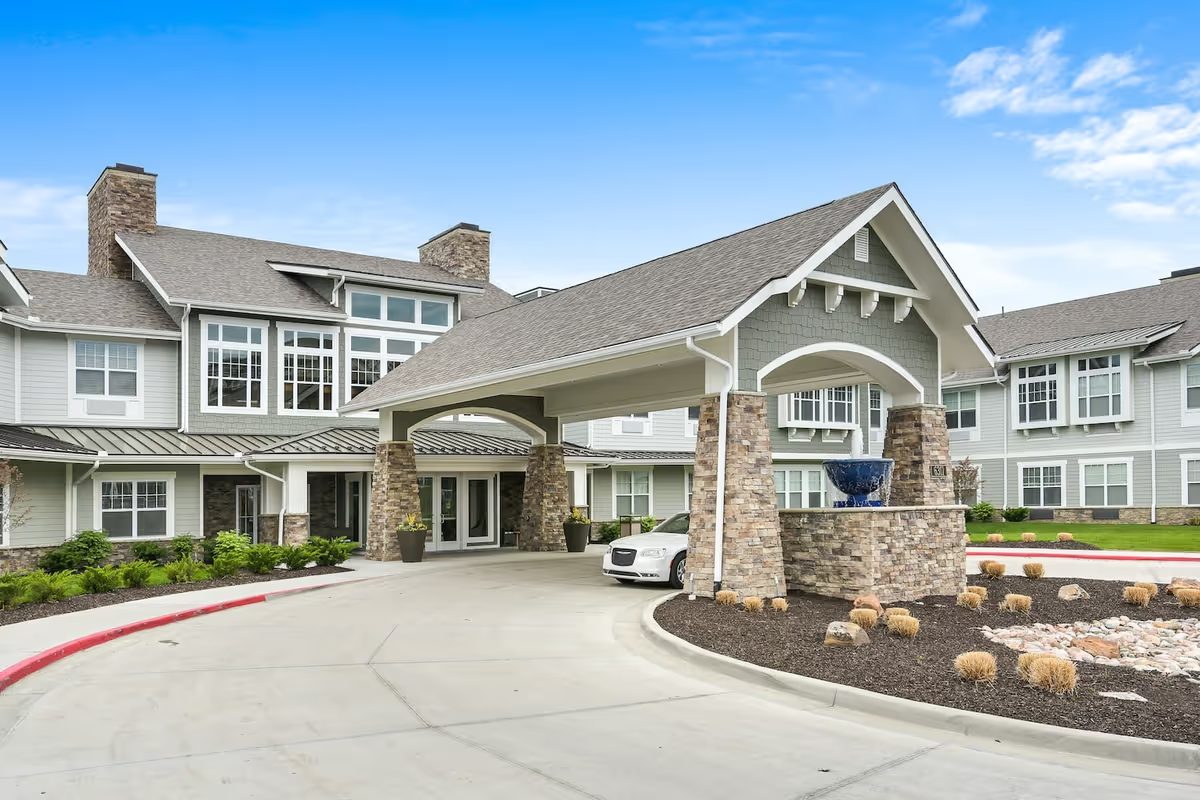
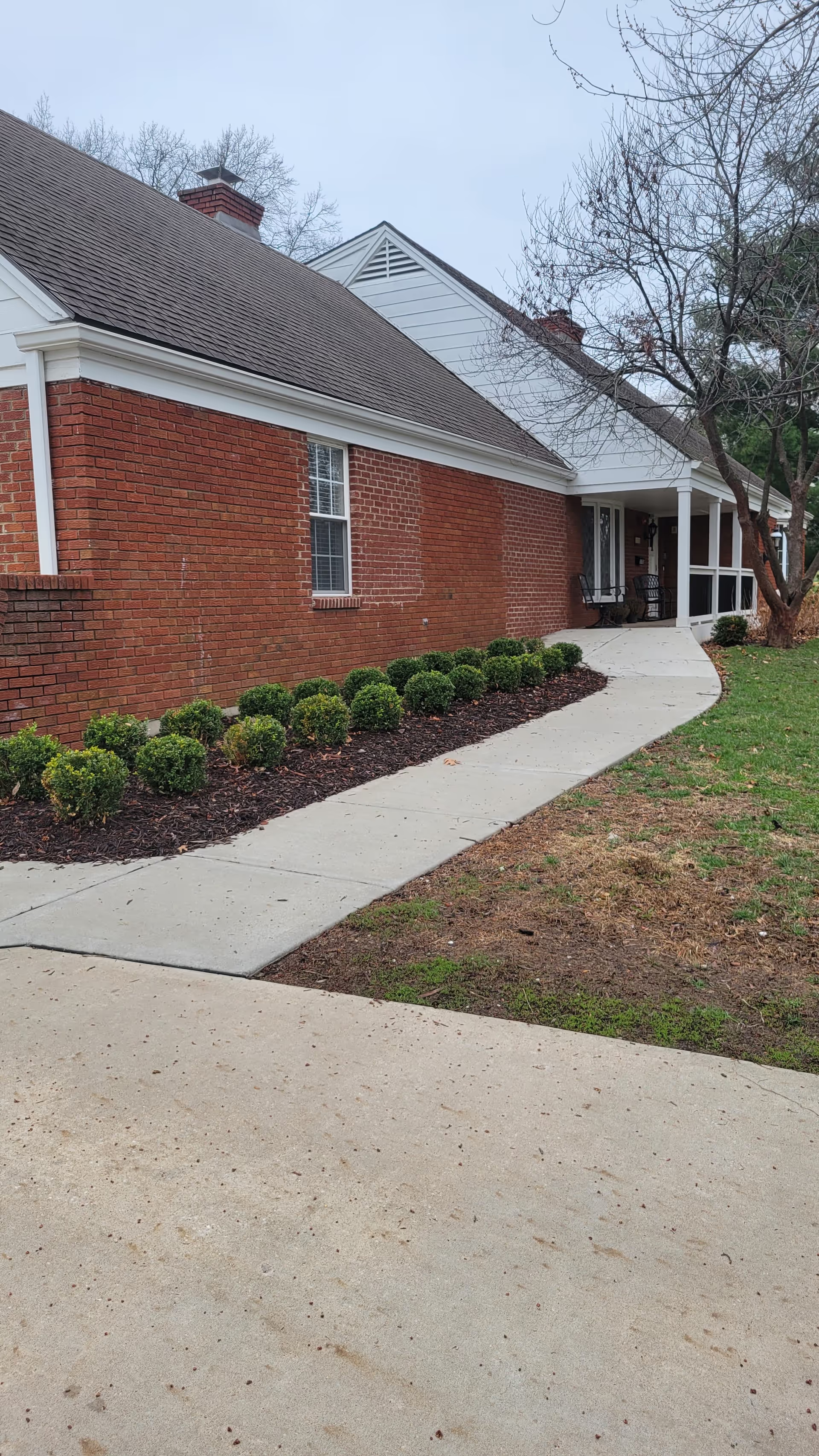
Reviews indicate a facility with pronounced strengths in person-centered care, rehabilitation, and an engaged caregiving culture, alongside notable operational weaknesses that prospective families should evaluate. Many accounts describe warm, attentive nursing and therapy teams that create a family-like atmosphere, deliver strong rehab outcomes, and provide individualized attention; social work and hospice coordination are also cited as constructive supports. Facility upkeep and the general appearance of the building are frequently praised, and activities/events are commonly described as engaging and well-run when programming is available.
At the same time, reviews reveal a pattern of care-delivery inconsistencies. Clinical concerns include inconsistent medication and diabetes management practices (including insulin administration and carbohydrate information for meals) and reports of delayed escalation to higher-acuity care or hospital transport. These items point to gaps in medication-administration controls and clinical-incident response processes. Families should ask about medication-safety protocols, diabetes management procedures, and emergency/transport escalation pathways when evaluating the facility.
Staffing and staff conduct emerge as mixed: many reviewers highlight compassionate, knowledgeable, and unhurried staff who know residents well, while other accounts describe defensive or inexperienced staff behavior and uneven training. This suggests variability in professionalism and competence across shifts or units rather than a uniformly poor or uniformly excellent workforce. Leadership involvement and department heads receive positive mention, but there are perceptions of inconsistent supervisory tone in some clinical areas.
Dining and nutrition received both praise and criticism. Positive notes include staff going above and beyond to make residents comfortable, but operational weaknesses are evident in meal quality, clarity of carbohydrate counts, and the absence of a clear qualified nutrition-management presence. There are also isolated but serious allegations related to meal-linked illness; families should request information about dietitian oversight, meal planning, and any incident investigations.
Facility maintenance and housekeeping are generally seen as strengths overall, but several reviews note sanitation and linen-change lapses, room repairs, and broken equipment in specific instances. These point to uneven maintenance processes and supply/housekeeping workflows that occasionally fail to meet expectations. Activity programming is described as enjoyable and well-supported when running, though pandemic-related or infection-control limitations have reduced offerings at times.
Communication and administration are additional areas of concern. Reviewers cite unclear billing statements, limited owner contact information, slow or unresponsive front-desk and phone handling, and inconsistent family communication following incidents. Prospective residents and families should request clear billing practices, contact points for escalation, and a communication plan for clinical incidents.
Bottom line: Lansing Care & Rehabilitation Center displays many of the attributes families seek—compassionate caregivers, effective rehab services, and a welcoming atmosphere—but also exhibits operational and clinical variability that has led to serious concerns in isolated cases. Recommended next steps for families: tour the unit during shift change to observe staffing; ask for written protocols for medication safety, diabetes care, and emergency transport; request dietitian involvement and sample menus with carbohydrate counts; review housekeeping and maintenance schedules; and obtain clarity on billing practices and escalation contacts. These targeted questions will help determine whether the facility’s strengths will meet an individual resident’s clinical and quality-of-life needs.