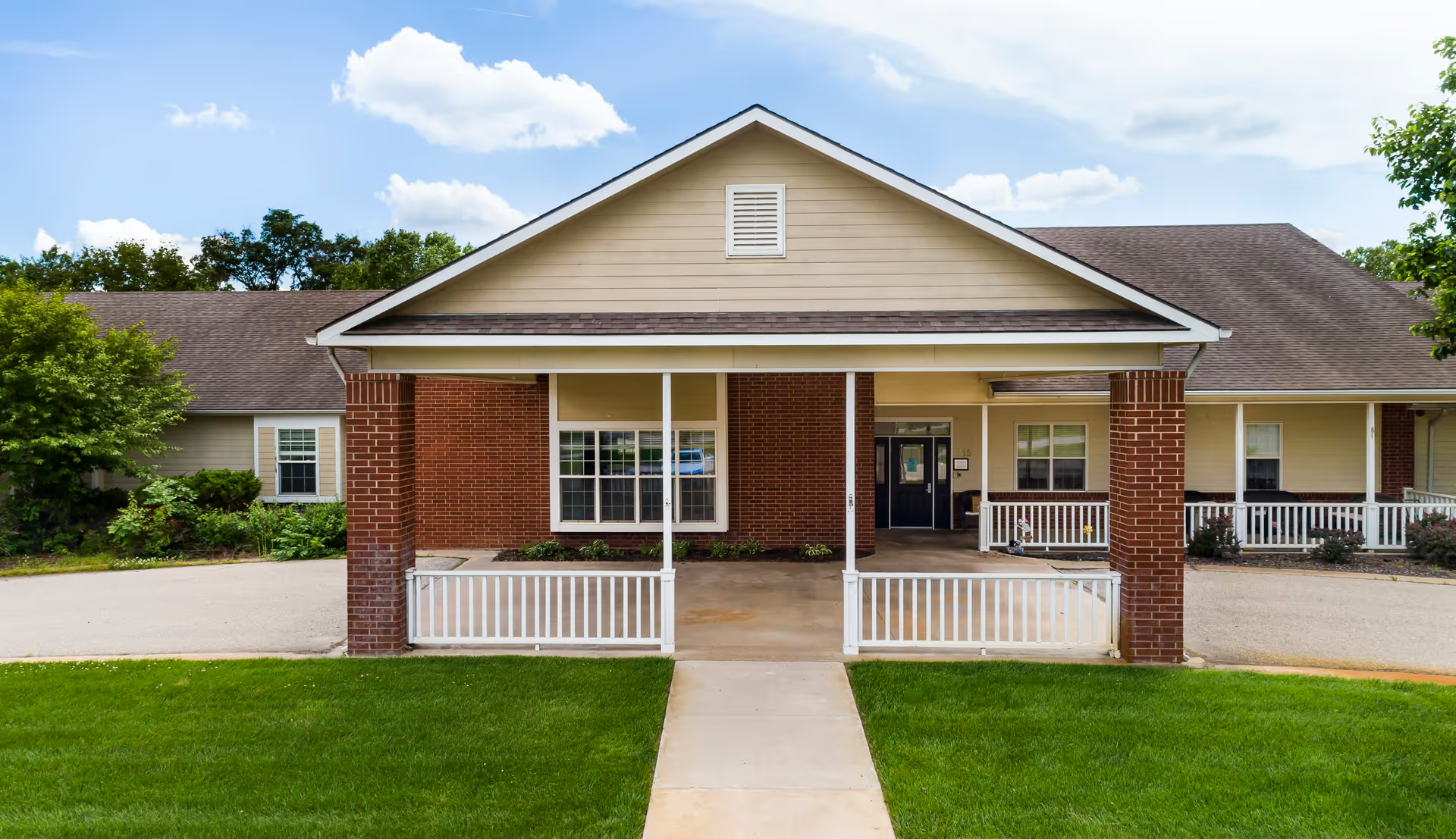
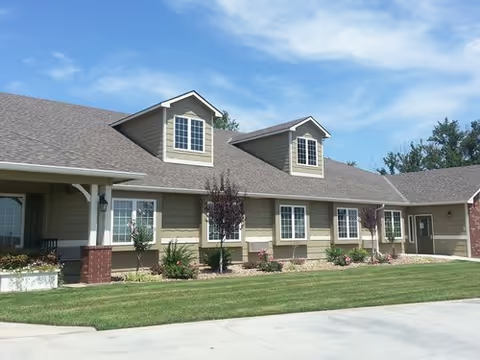
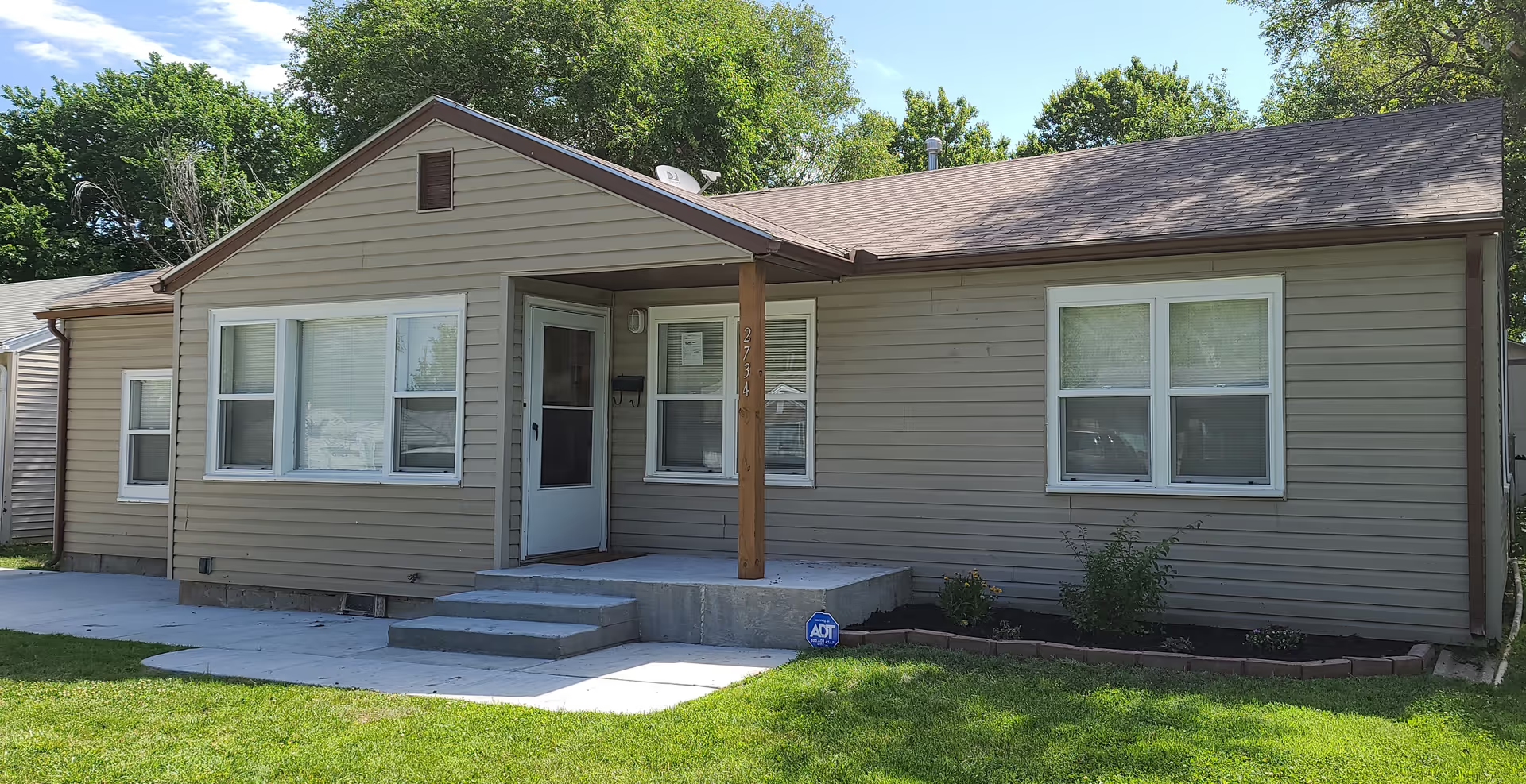
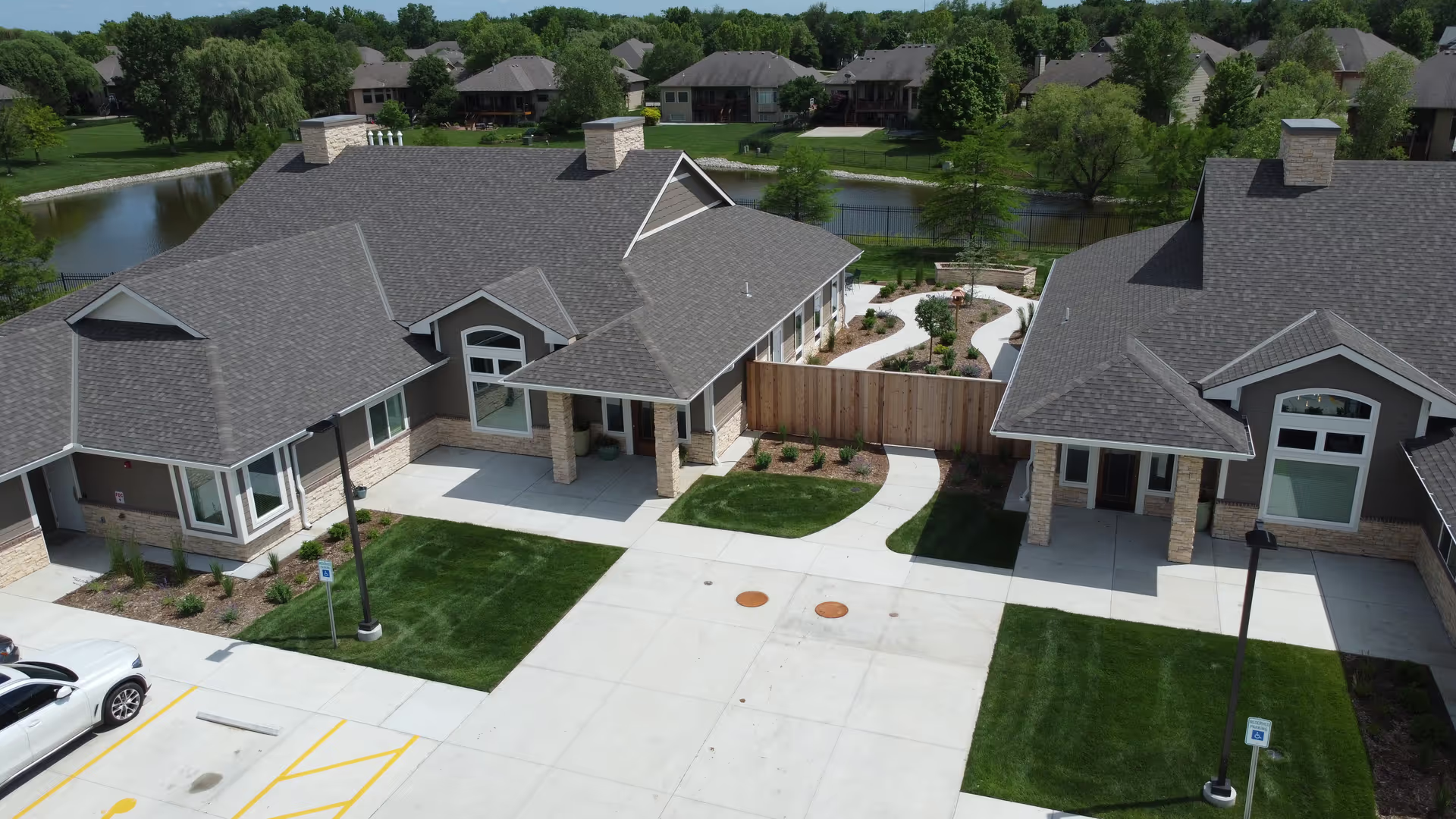
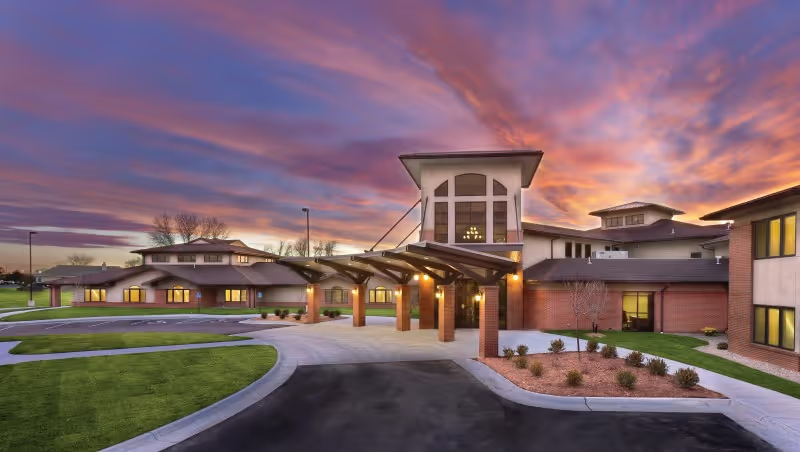
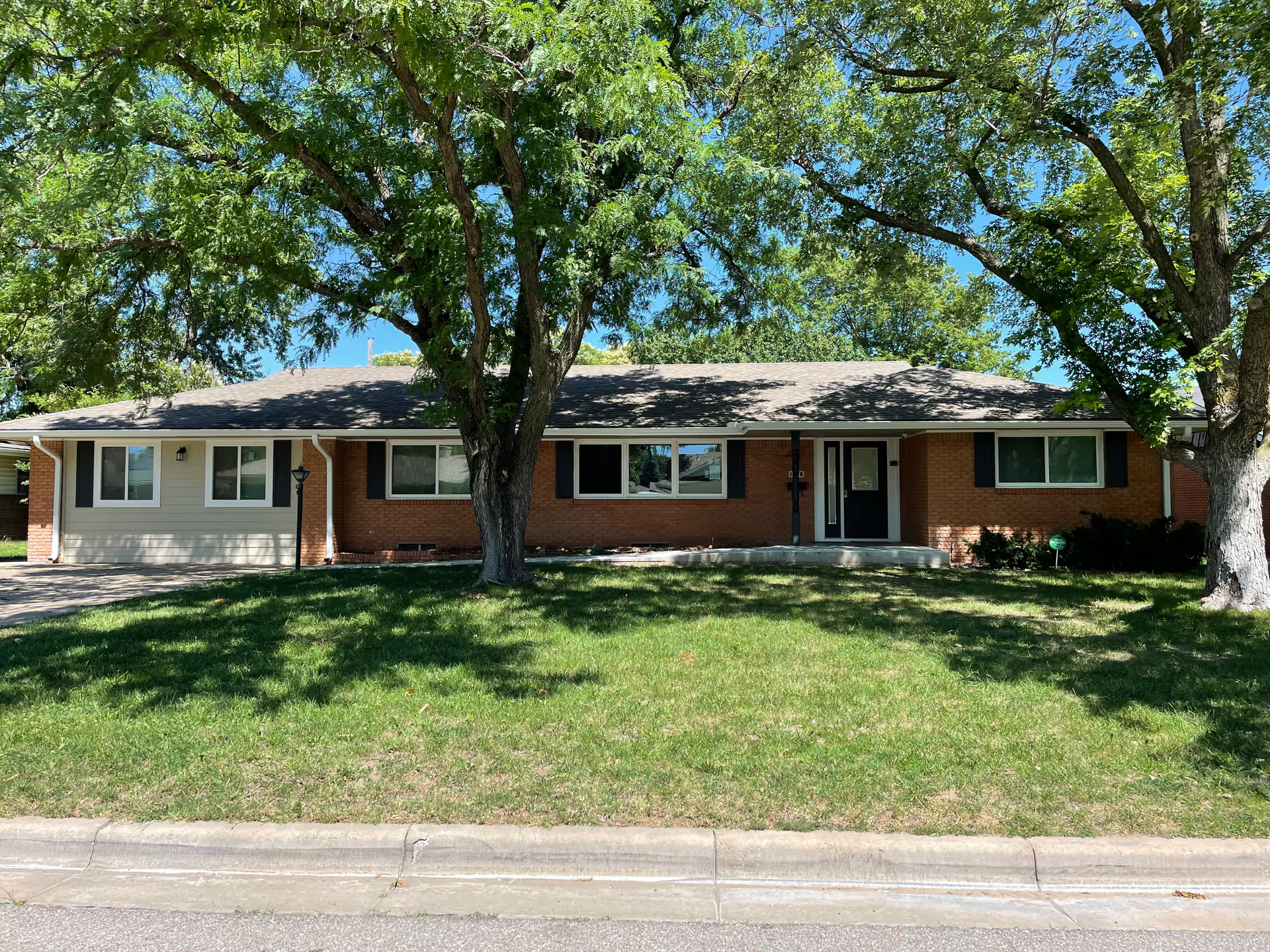
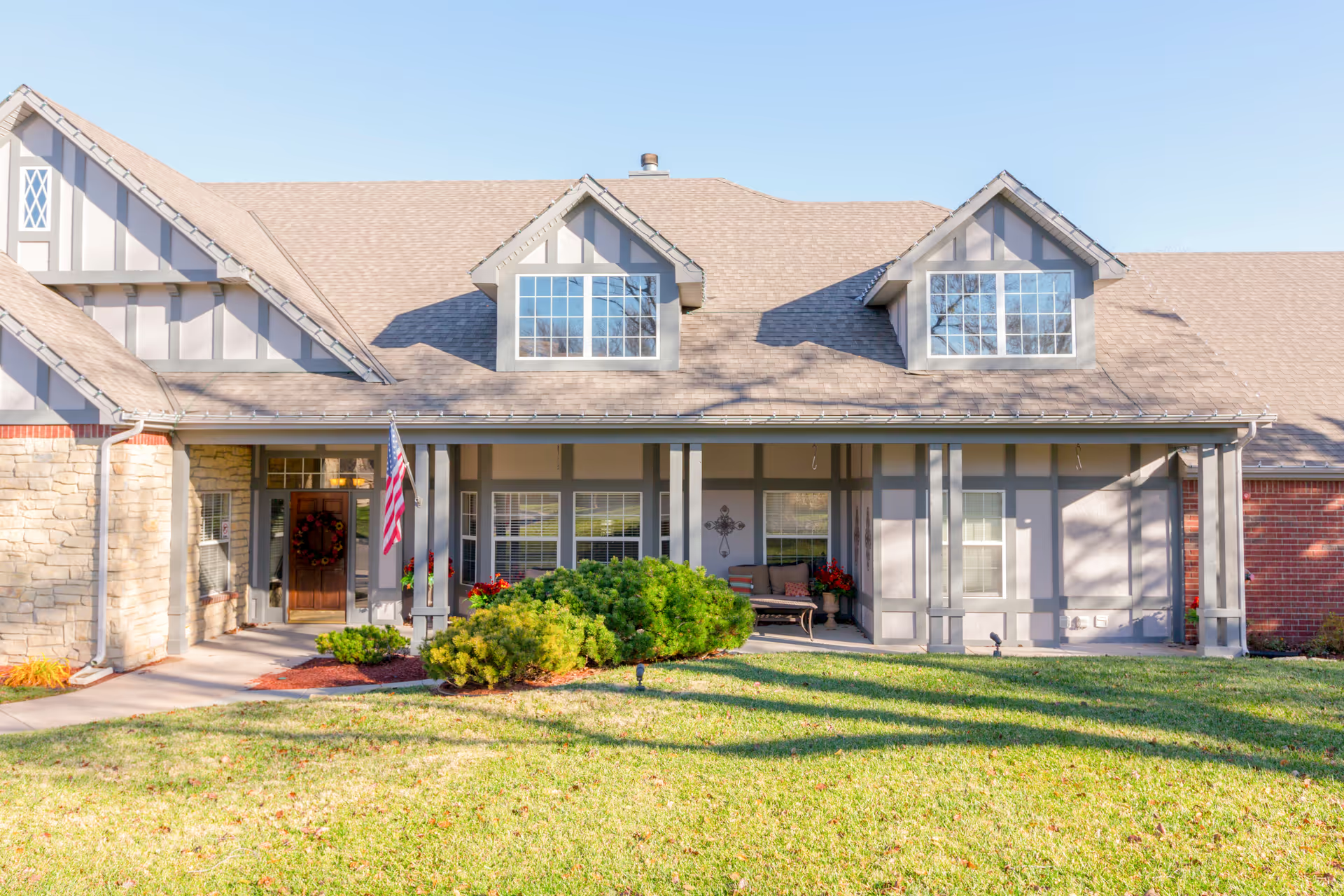
Paramount Community Living and Rehab presents a mixed profile with substantial strengths in hands-on caregiving, rehabilitation services, and campus amenities alongside operational concerns that prospective residents and families should weigh. Many reviewers praised frontline caregivers and nursing staff for being attentive, compassionate, and knowledgeable; several accounts highlight excellent rehabilitation and physical-therapy outcomes, personalized care plans, and strong coordination between therapy and nursing. The facility offers a range of residential options — including newer assisted-living units, memory-care neighborhoods, Green House/Eden Alternative–style homes, and independent duplexes — and a number of reviews describe a home-like, well-designed environment in parts of the campus.
Dining and activities are generally cited as positive features. There is an on-site dining program with balanced meal choices, a visible activities calendar, monthly offerings, arts-and-crafts, chair exercise, walks, and social events that support resident engagement. Specific amenities such as a beauty shop, bird exhibit, ice cream bar, and visible exercise areas augment the lifestyle offering. Reviewers also commonly report clean interiors and a secure campus atmosphere, which many families identified as reassuring.
However, there are recurring operational themes that suggest variability in resident experience. Several reviews describe staffing instability, turnover, and post-acquisition cost pressures that appear to have affected staff morale and task prioritization. Relatedly, some accounts indicate gaps in responsiveness (for example, delays in attending to needs or medication/timing issues) and uneven communication with families. Food quality and vendor management are cited inconsistently — while many note tasteful, balanced meals, other accounts describe declines or variability in meal quality.
Facility condition and campus layout are uneven: parts of the campus include newer, modernized buildings and cheerful small-home models, while other wings and duplexes are older and require different levels of maintenance. Secured outdoor access for residents with higher-care needs is limited in certain areas. Financial practices also deserve attention; reviewers referenced a non-refundable hold deposit and extra charges for add-on services, contributing to a perception of a revenue-focused approach by ownership.
A subset of reviews raised serious concerns, including allegations about administrative conduct and clinical oversight. These accounts contrast sharply with many descriptions of excellent, compassionate staff and strong therapy programs. Prospective residents and families should consider visiting multiple parts of the campus, asking specific questions about staffing levels and turnover, medication administration protocols, family communication procedures, fee schedules and refund policies, and outdoor security for memory-care residents. Together, the pattern of strong clinical/rehabilitation performance and active programming, paired with operational variability and management-related concerns, suggests that individual experiences at this campus can differ substantially depending on unit, timing, and leadership in place.