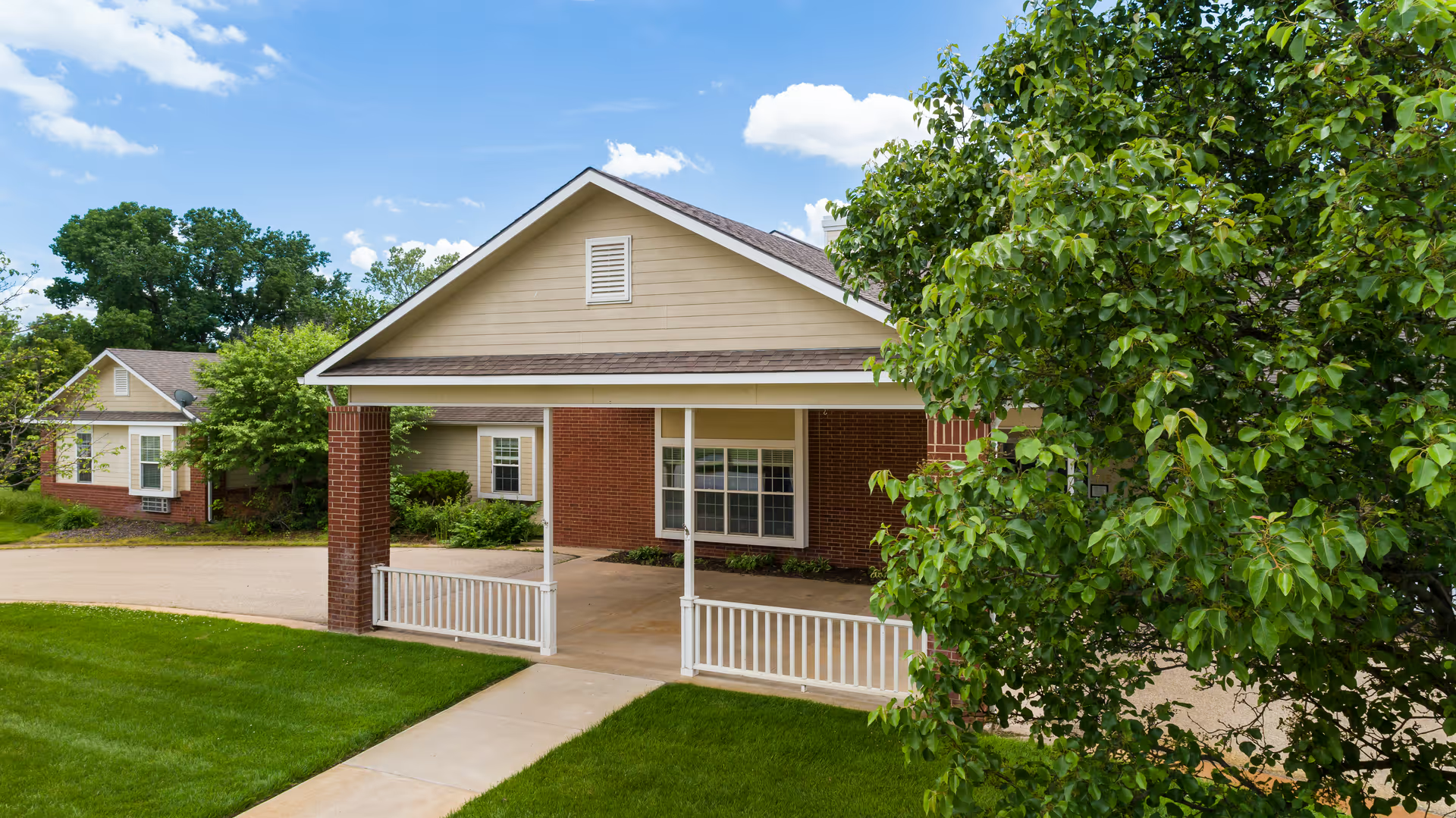
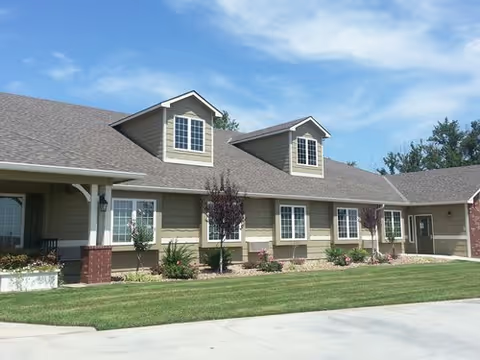
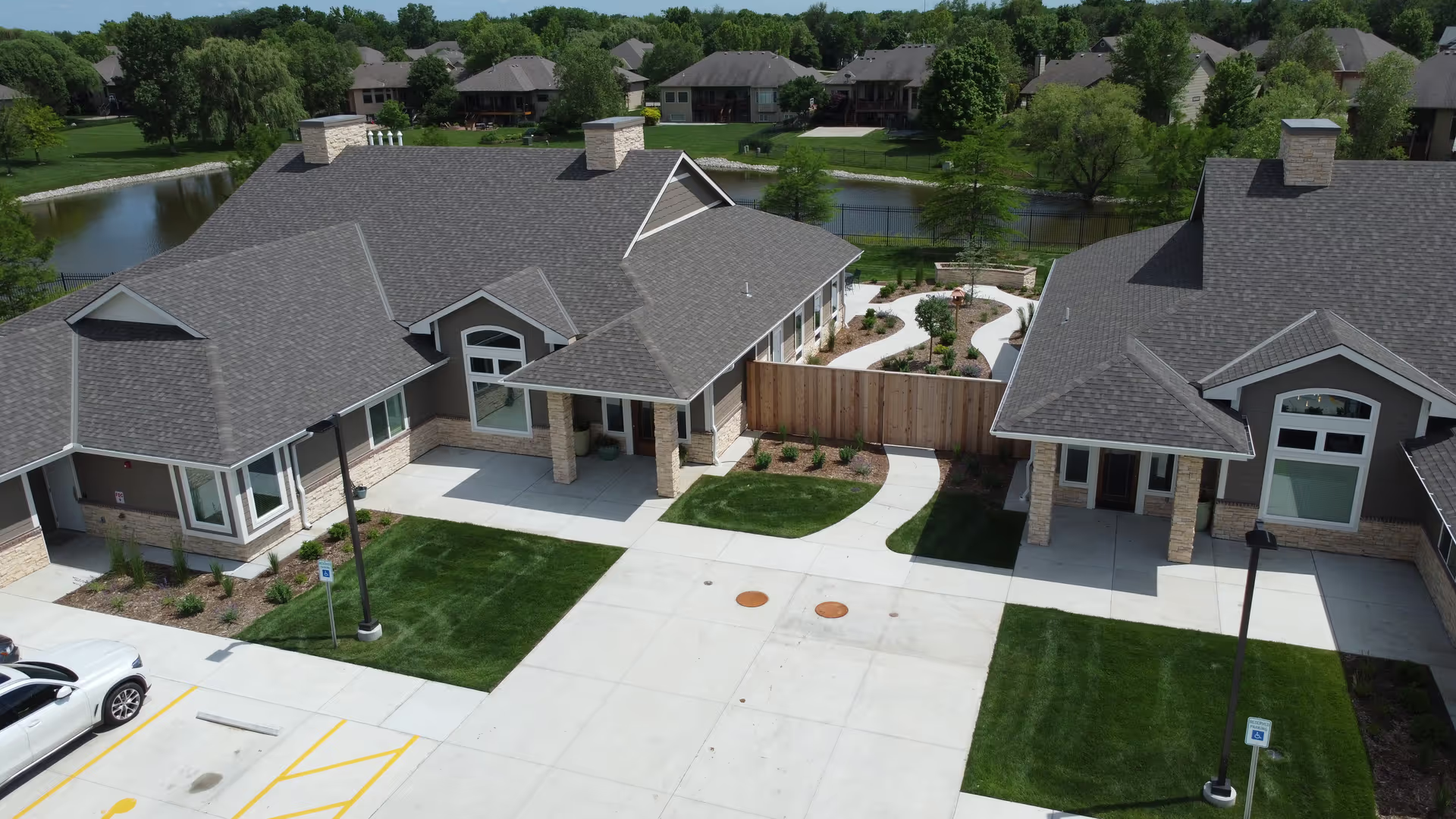
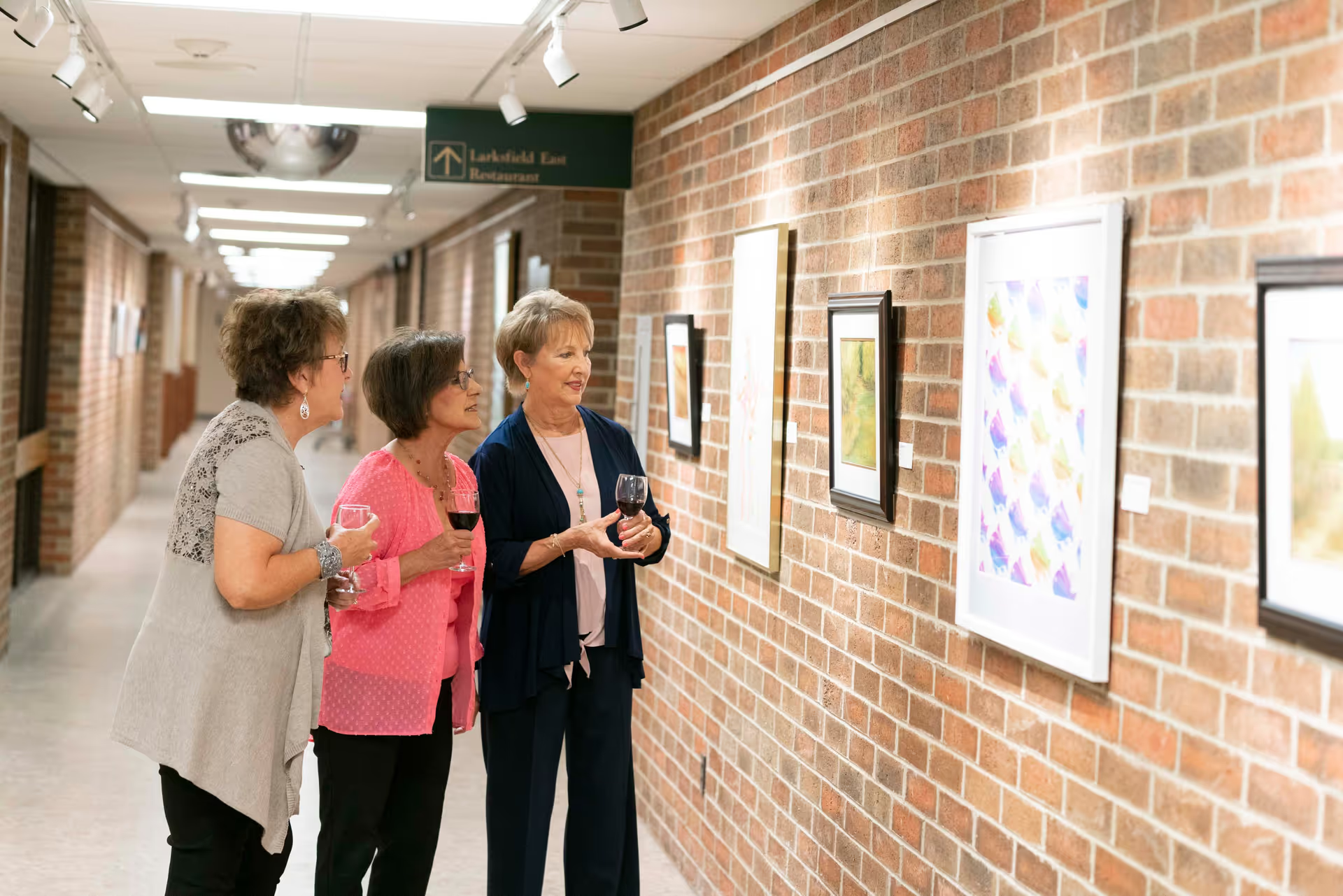
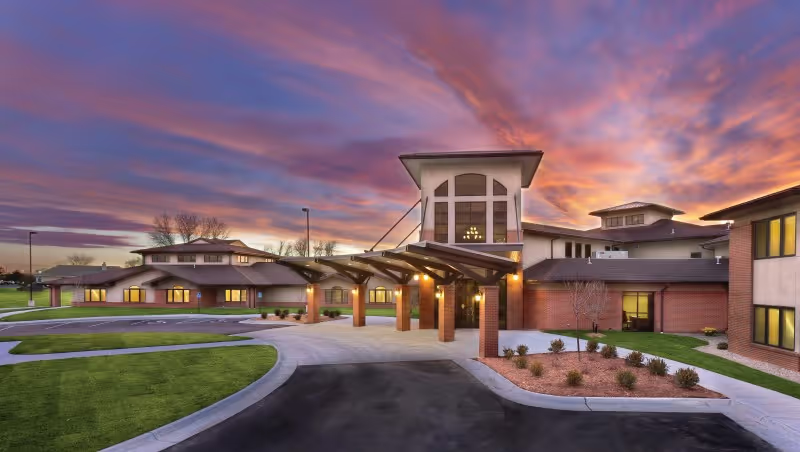
Kidron Bethel Village elicits strongly mixed impressions. Many comments praise the facility’s cleanliness, pleasant grounds, and an atmosphere that feels more residential than institutional. The campus offers a saltwater pool, a wellness center, on-site therapy and exercise programs, and organized activities including religious programming; these features support an active lifestyle for residents who can access them. Dining presentation is frequently described as appealing, and the non-profit ownership and ongoing remodeling were noted positively by visitors.
Clinical-care impressions are mixed. Several families described strong nursing and aide-level care — caring, courteous staff and capable nurses — which aligns with multiple statements calling the nursing staff excellent. At the same time, other comments indicate operational weaknesses in clinical processes: gaps in routine vital-sign monitoring, delayed family notification about clinical decline, and concerns about medication administration and documentation. These items suggest variability in clinical oversight and monitoring that prospective families should evaluate directly during a tour.
Staff culture appears broadly warm and welcoming, with many residents and visitors noting friendly interactions and a courteous admissions experience. Nevertheless, reviewers also describe inconsistent staff quality and workload pressures that affect responsiveness; at times aides appear too busy to attend promptly. Management-related issues surfaced as well: concerns about incident follow-up, property-security processes, and communications from leadership. A small number of serious allegations — involving missing belongings and questionable medication decisions — were raised; these point to the need for clear answers about incident-investigation protocols, property tracking, and medication-review procedures.
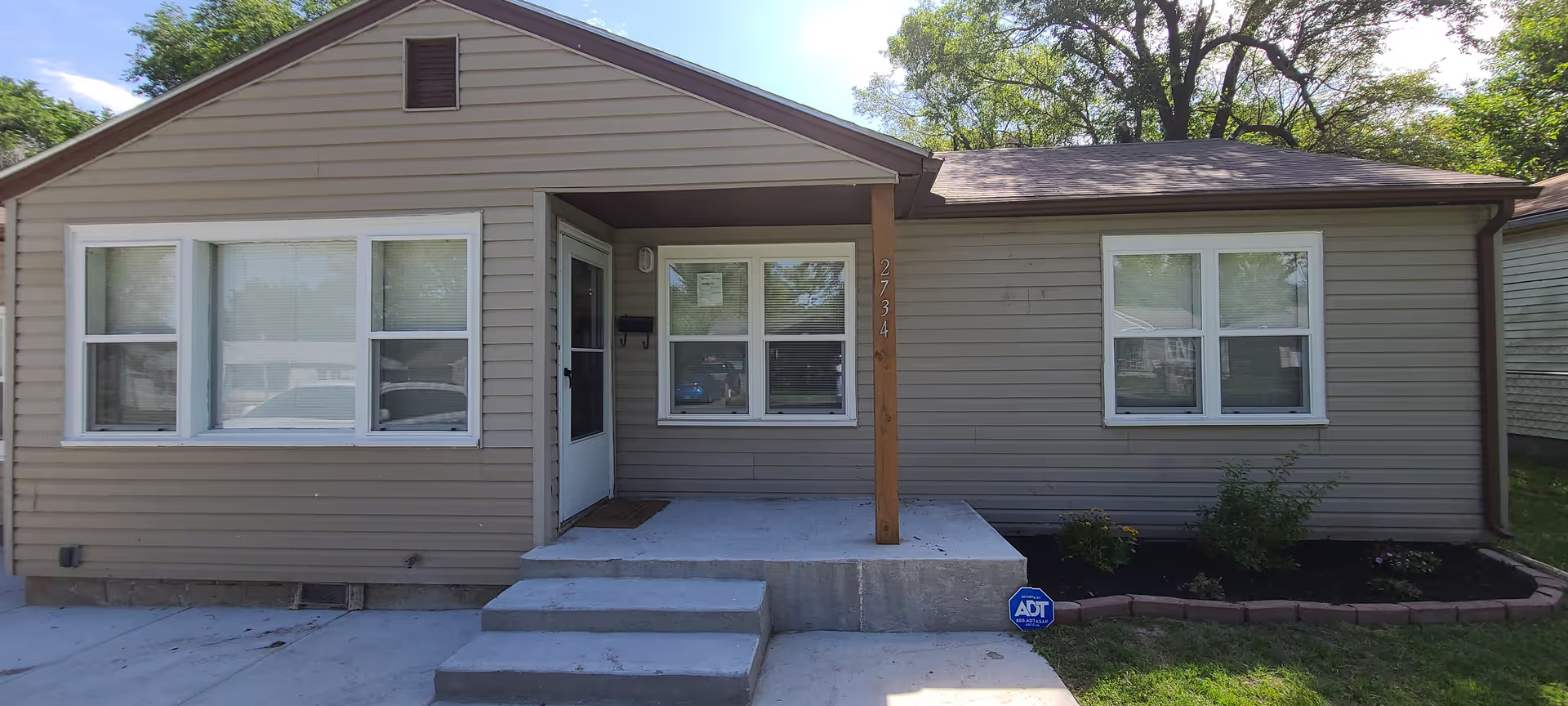
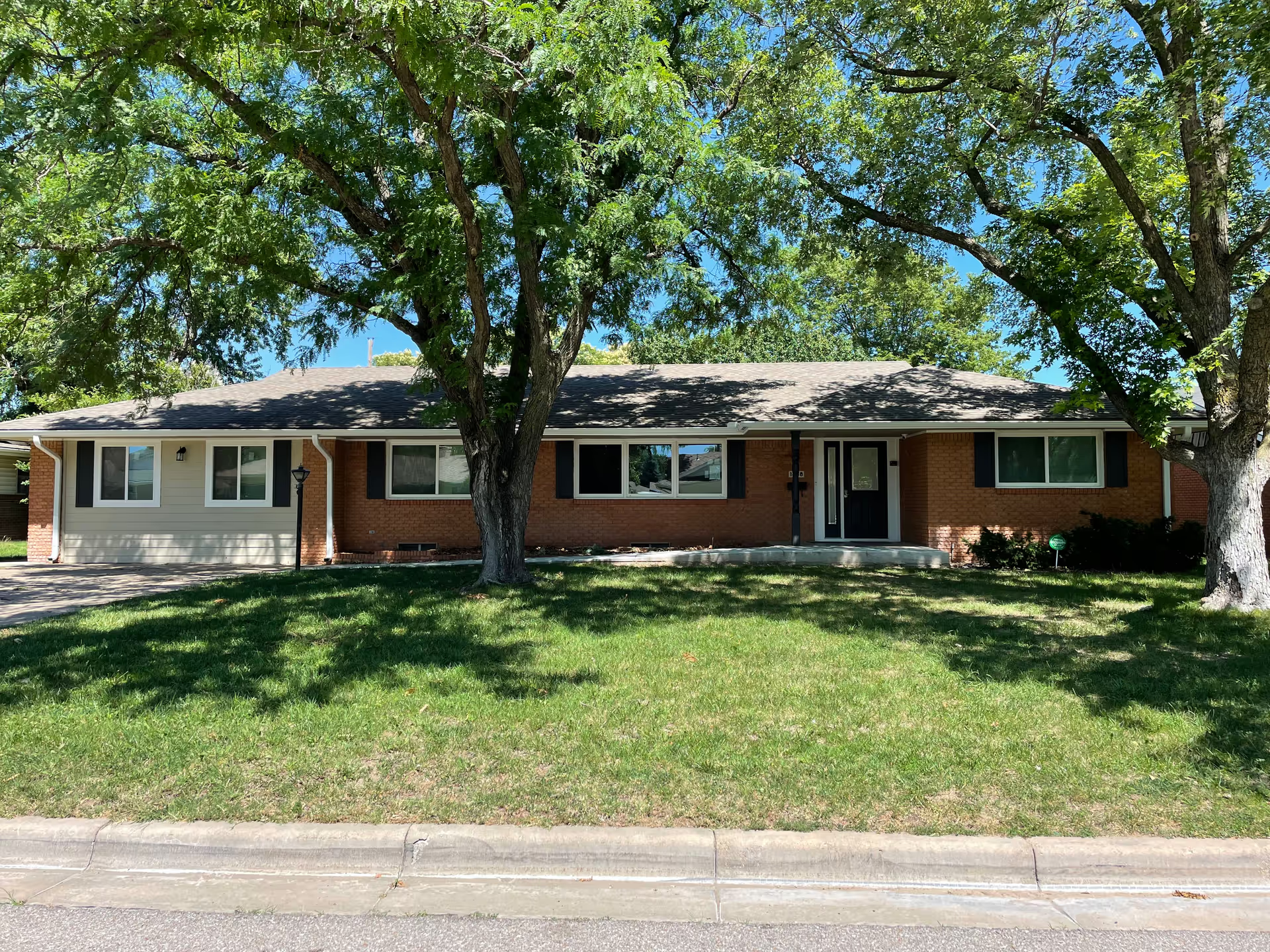
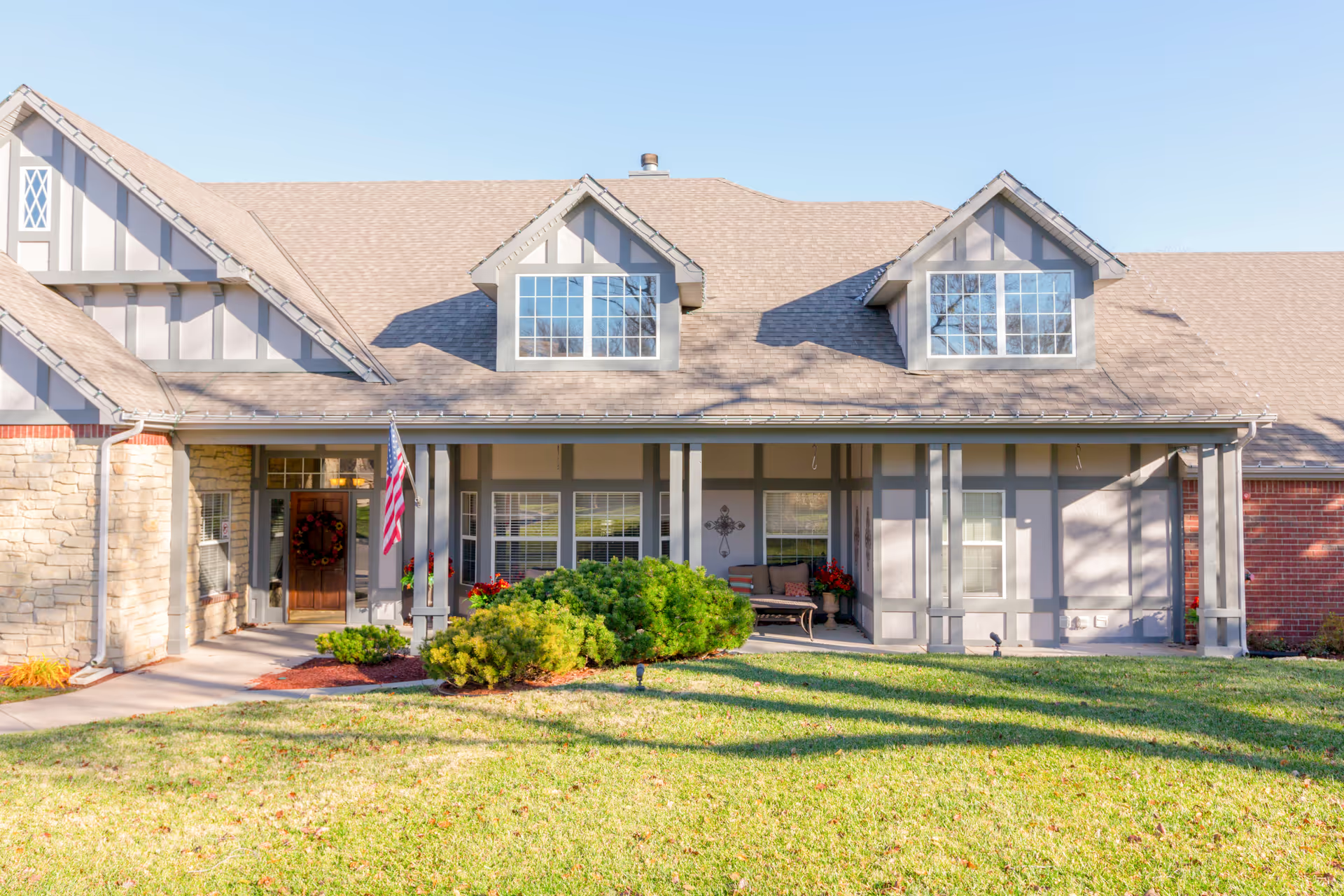
Facilities and accessibility are generally strengths but contain important caveats. The community is described as clean, well-maintained, and quiet, with attractive landscaping and communal spaces. However, a spread-out campus layout and limited elevator access were noted as practical challenges for residents with mobility or proximity needs. Room-level variability was also reported: some units appear recently remodeled and comfortable, while others have finishes and window treatments that may raise fall-risk or privacy concerns. Activity programs appear robust, but accessibility accommodations (for example, for visually impaired residents) may be limited, reducing participation for some residents.
Overall pattern: aggregated feedback is polarized — many positive, routine experiences coexist with isolated but serious operational concerns. Prospective residents and family members would be advised to confirm specific operational details in person: ask for written medication-management and incident-reporting protocols, inquire about staffing ratios and shift consistency, verify fall-prevention measures and flooring specifications in available units, review accessibility accommodations for sensory impairments, and request examples of family-communication practices for clinical changes and advance-care planning discussions. These targeted questions will help determine whether the facility’s strengths align with a particular resident’s care and safety needs.