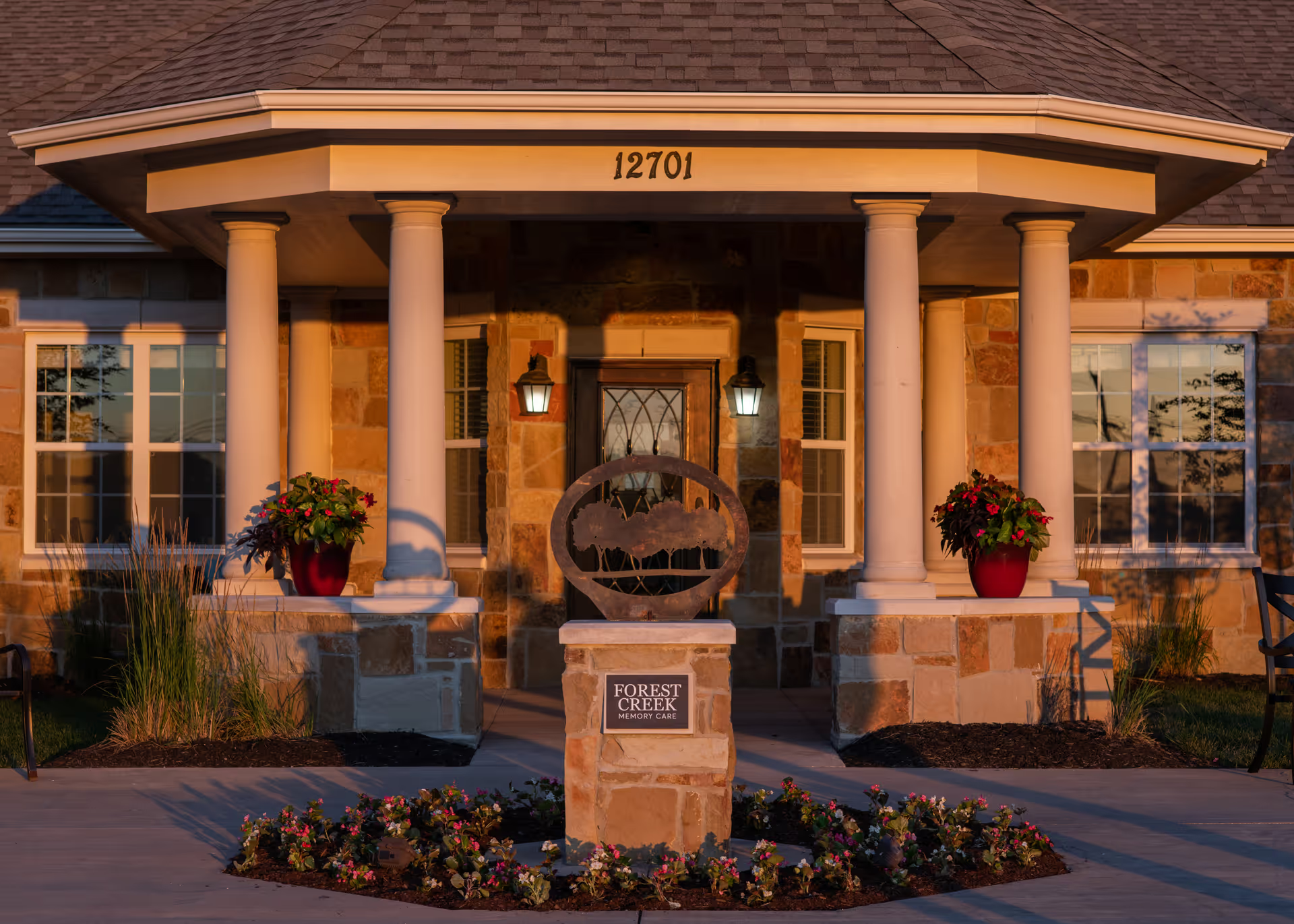
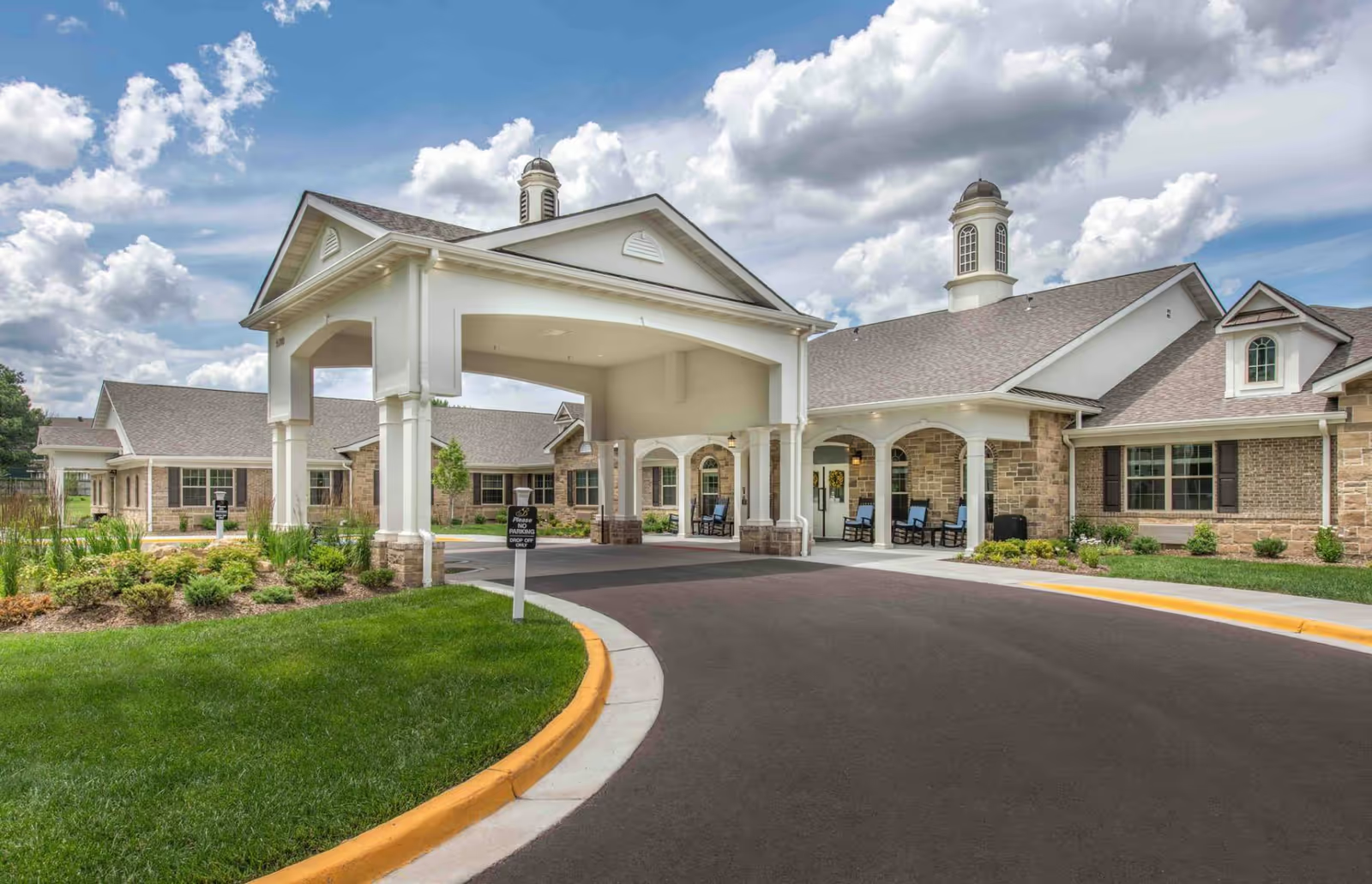
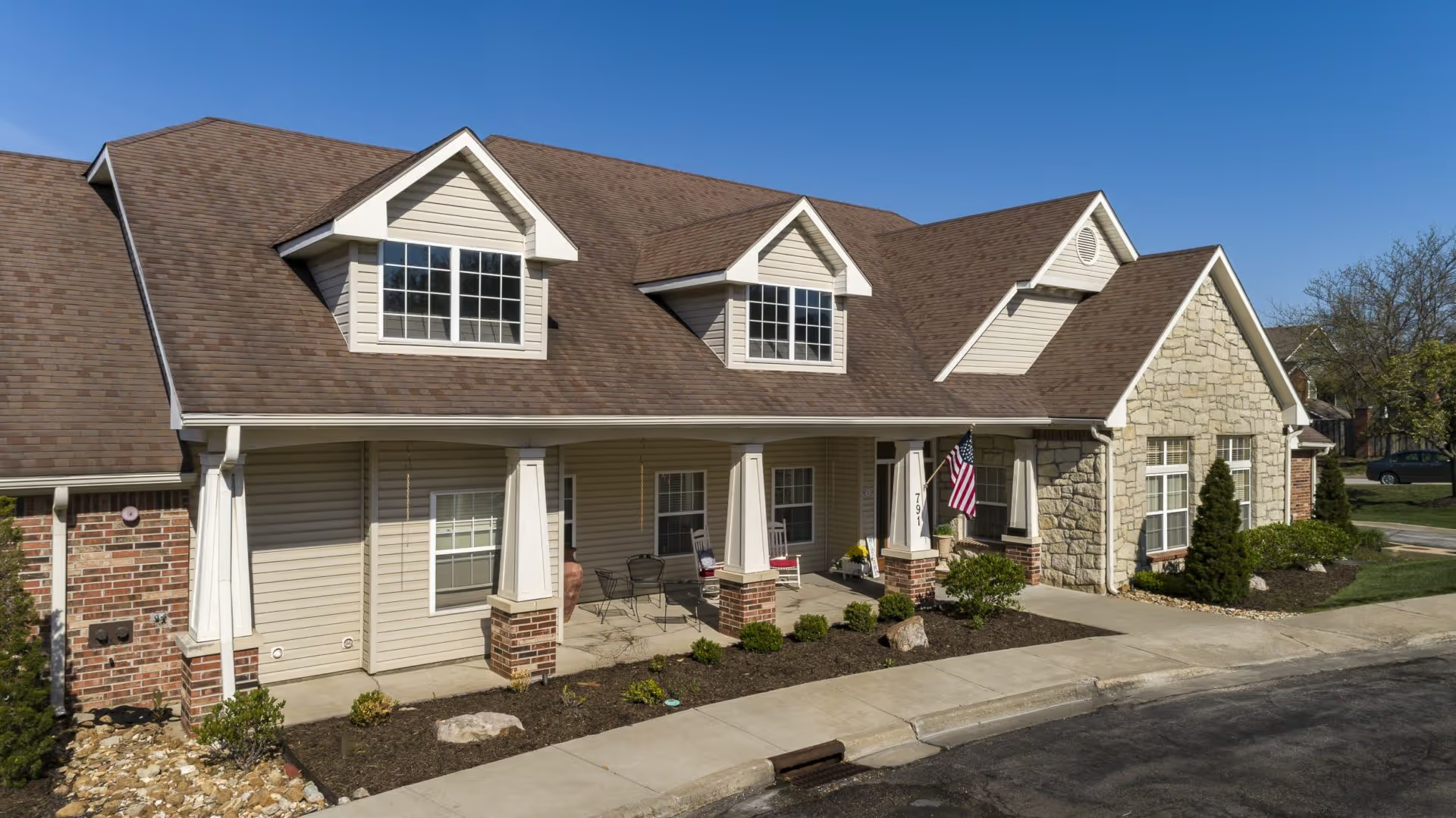
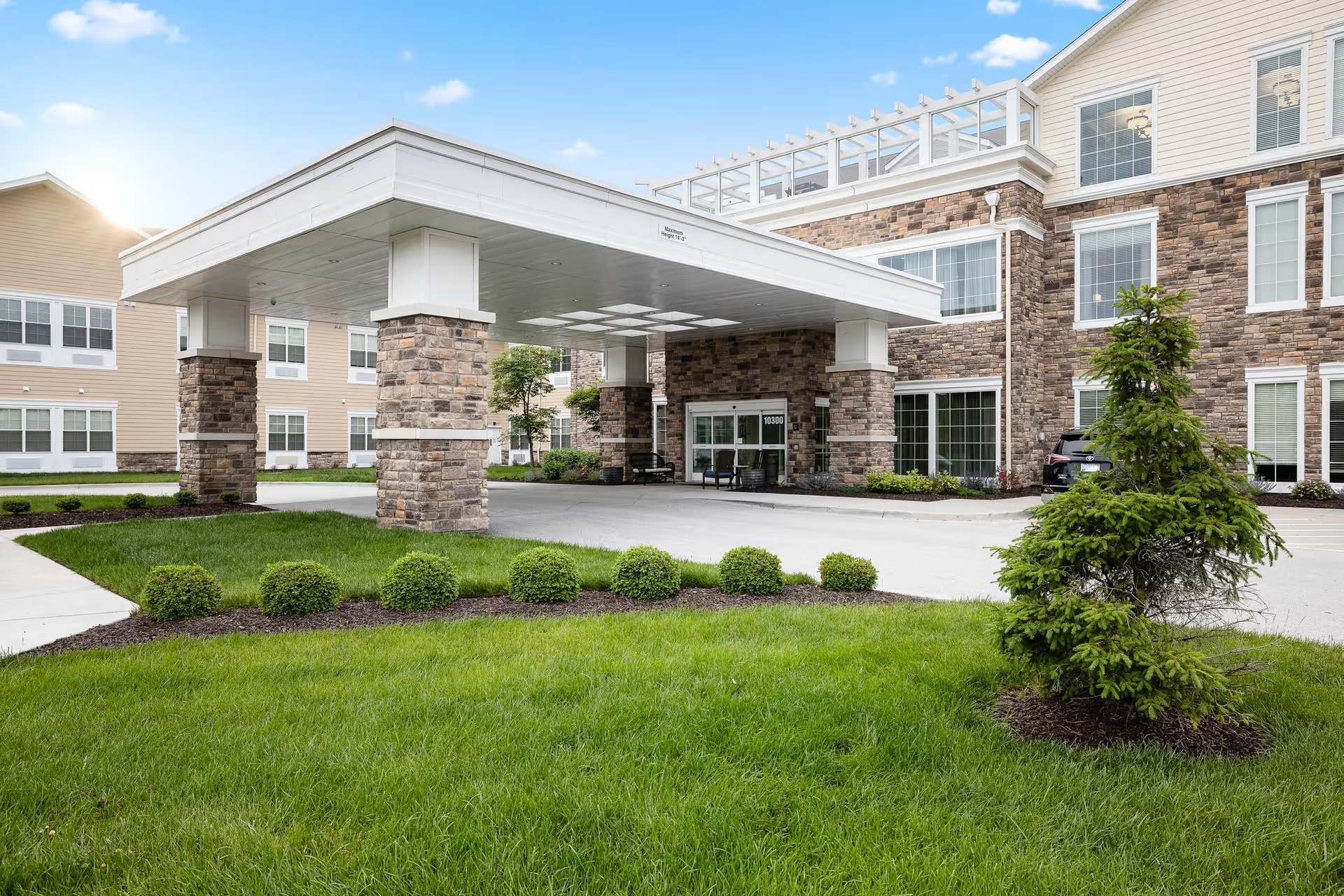
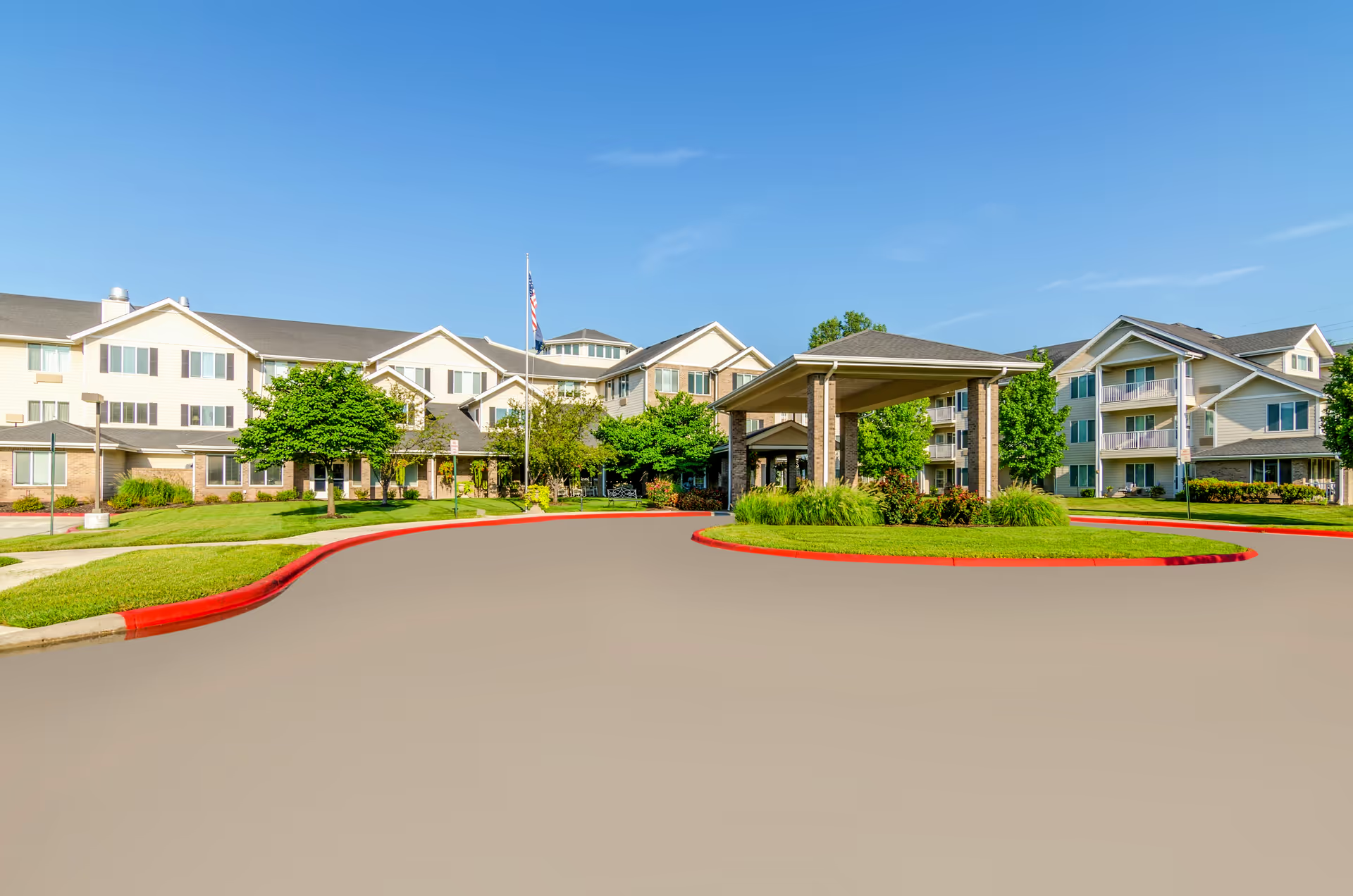
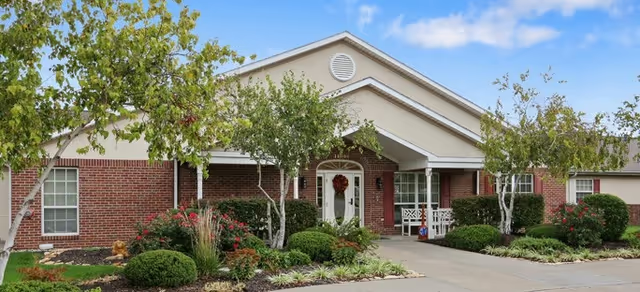
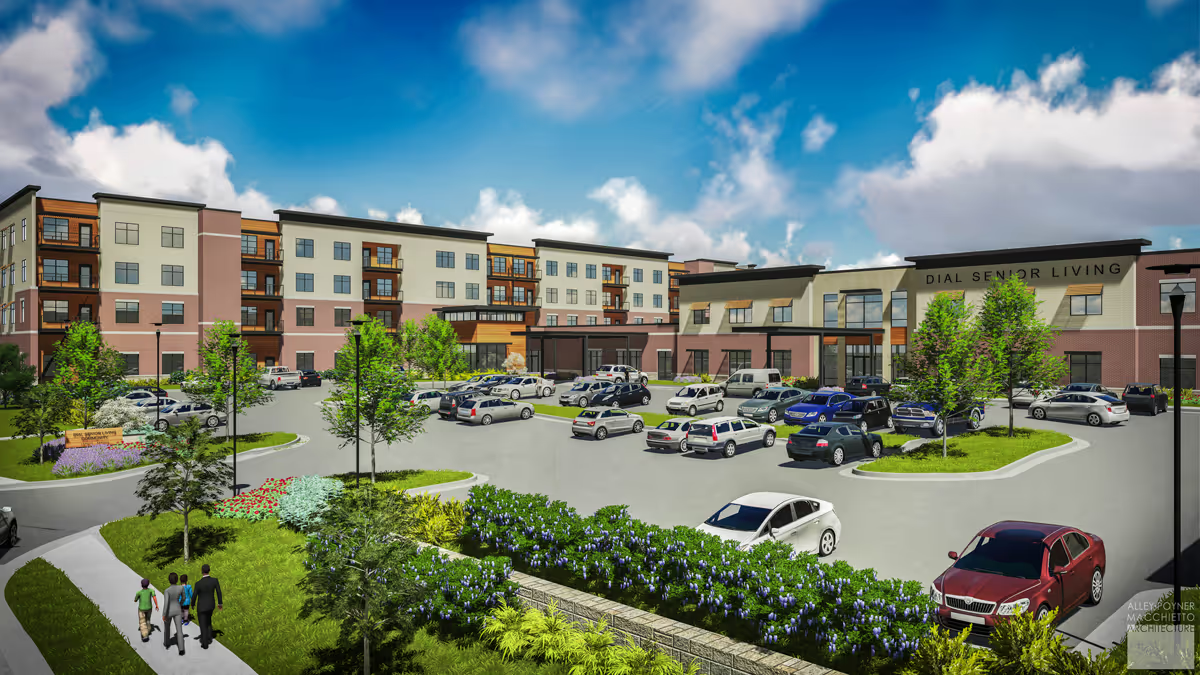
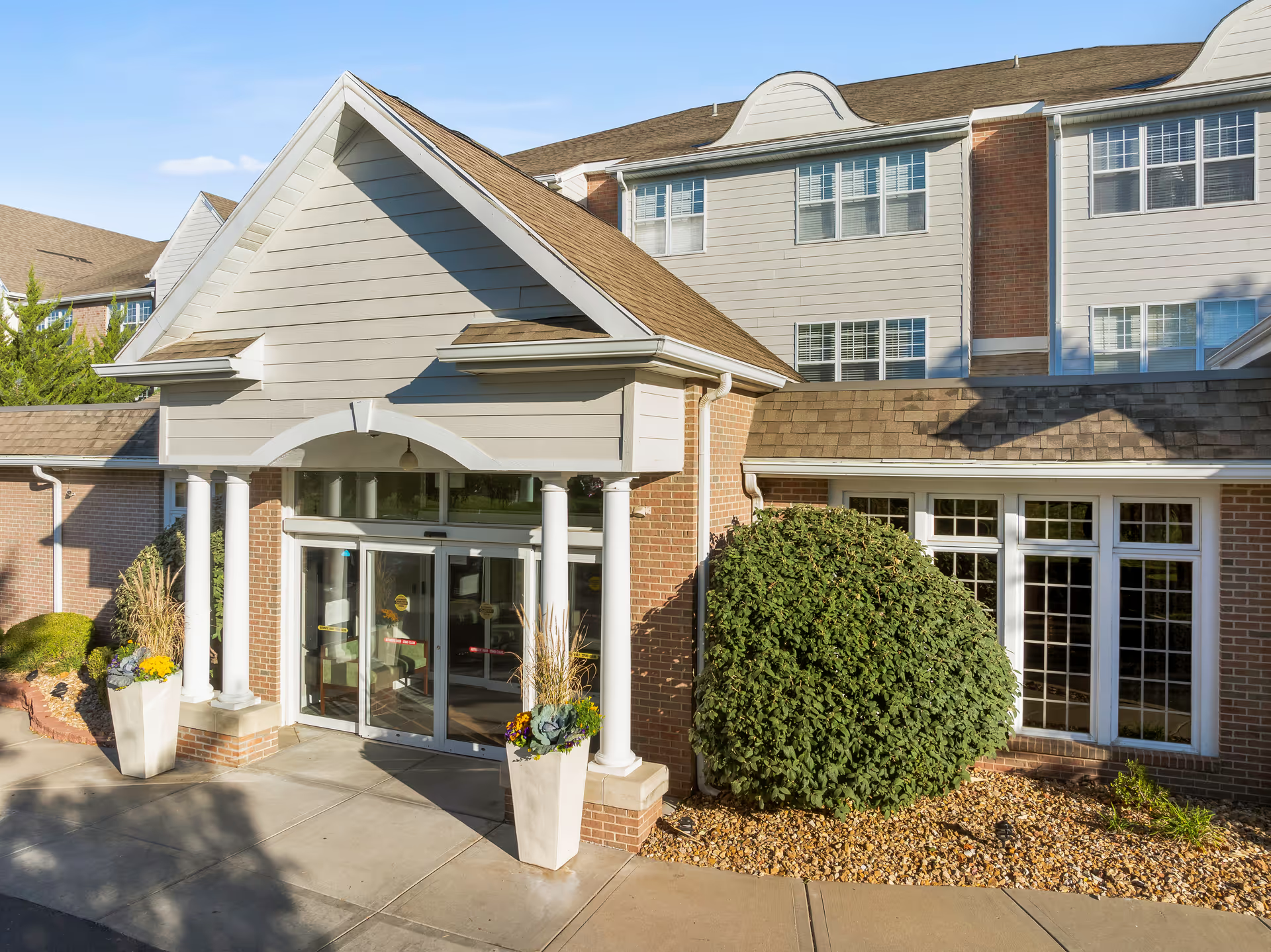
Colonial Village Overland Park presents as a modern, well-maintained senior community with a visible emphasis on bright architecture, spacious apartment options, and an on-campus continuum of care that includes assisted living, specialized memory/‘Maggie’s Place’ care, rehabilitation, and skilled nursing. Many families praise the facility’s physical environment, generous floor plans, clear pricing, and the quality of communal spaces such as the dining room and event areas. Tours and admissions interactions—frequently identified by name—are commonly described as informative and welcoming, and the community is often characterized as family-like with active social opportunities.
Clinical and caregiving strengths are a recurring theme: reviewers note compassionate, attentive caregivers, proactive leadership, and a strong rehabilitation/therapy program that can improve mobility and support transitions from hospital to assisted living. The community’s COVID-era communication and infection-control measures were highlighted as well organized, with use of virtual family communication tools. At the same time, there are multiple patterns of concern that prospective families should evaluate directly. These include variability in staffing consistency and responsiveness, intermittent delays in medication administration and dressing changes, and reported gaps in wound and skin-care follow-up. A subset of families raised serious concerns about staff conduct and clinical follow-through; while these comments do not describe a pervasive, uniform experience across reviewers, they do indicate areas where verification (staffing ratios, clinical protocols, oversight) is advisable.
Dining and daily life receive mixed feedback. Many residents and families praise the menu and special-event dining, but others cite inconsistent food quality, small portions, and limited evening meal service (breakfast and lunch focus in some descriptions). Activities, events, and spiritual services are regularly listed as positives that support social engagement and resident happiness.
Operationally, the community is often described as well managed and responsive; however, there are recurring notes about inconsistent administrative follow-up, occasional lapses in courtesy callbacks, and unclear pathways for reporting safety or conduct concerns. Kitchen-staff morale and kitchen operation issues were mentioned and may affect dining continuity. Availability constraints are also a practical consideration: independent-living apartments may be limited or unavailable at times.
For prospective residents and families: visit the community in person, observe staffing levels across shifts, ask for specifics on medication administration processes and wound-care protocols, clarify evening meal availability and portioning, request references from current families, and confirm incident-reporting procedures and escalation pathways. Confirm current unit availability and request written details on pricing and included services. These steps will help verify the many strengths cited while addressing the operational concerns that appear intermittently in the feedback.