Overall impression: Reviews present a mixed but actionable picture of Homestead of Olathe Memory & Dementia Care. Many families emphasize compassionate, engaged caregivers and an active, home-like environment. At the same time, recurring operational weaknesses — especially staff turnover, inconsistent coverage, and medication communication gaps — create variability in the resident and family experience.
Care and staff: Care quality is described as warm and relationship-based by numerous families. CNAs and nursing staff are frequently praised for empathy, frequent check-ins, and hands-on assistance with activities of daily living. Families also noted a strong interpersonal rapport between staff and residents and described supportive, respectful interactions. However, reviewers also identified instability in staffing and leadership that creates unpredictability in who provides care. This instability is associated with uneven caregiving quality and occasional reactive rather than proactive responses. Of particular concern to some families are operational gaps in medication handling and notification to families; one account referenced an abrupt medication discontinuation as an example of the consequences when controls and communication lapse.
Dining and activities: Dining is consistently highlighted as a strength — meals are often described as flavorful and enjoyable, and staff accommodate needs such as extra assistance with cutting when requested. The community offers a variety of structured activities, including art classes, music, movie nights, and other social programs that families report as engaging and beneficial for residents’ socialization and quality of life. Outdoor spaces, a courtyard and bird-feeder area, are noted as pleasant extensions of programming and resident enjoyment.
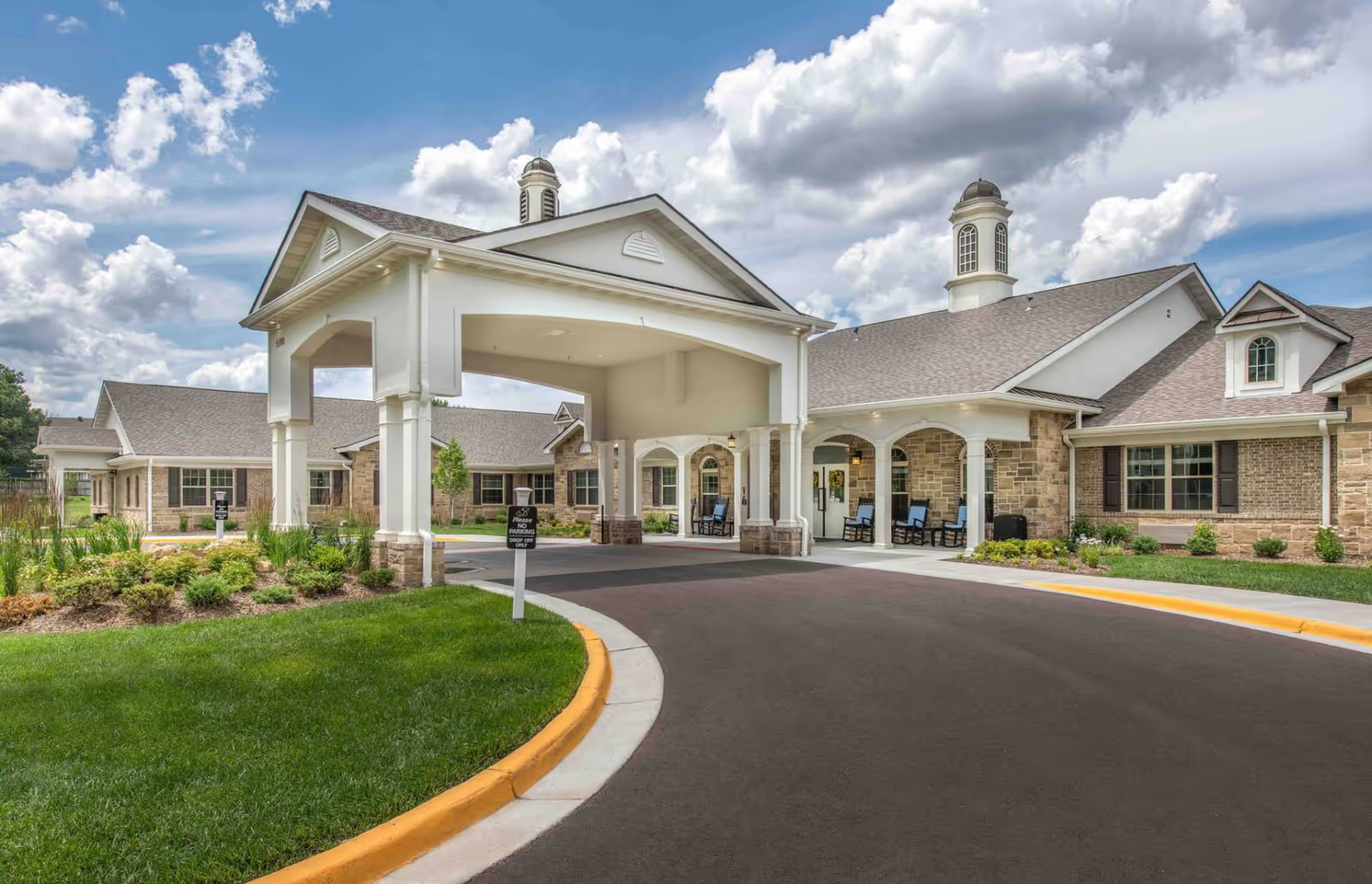
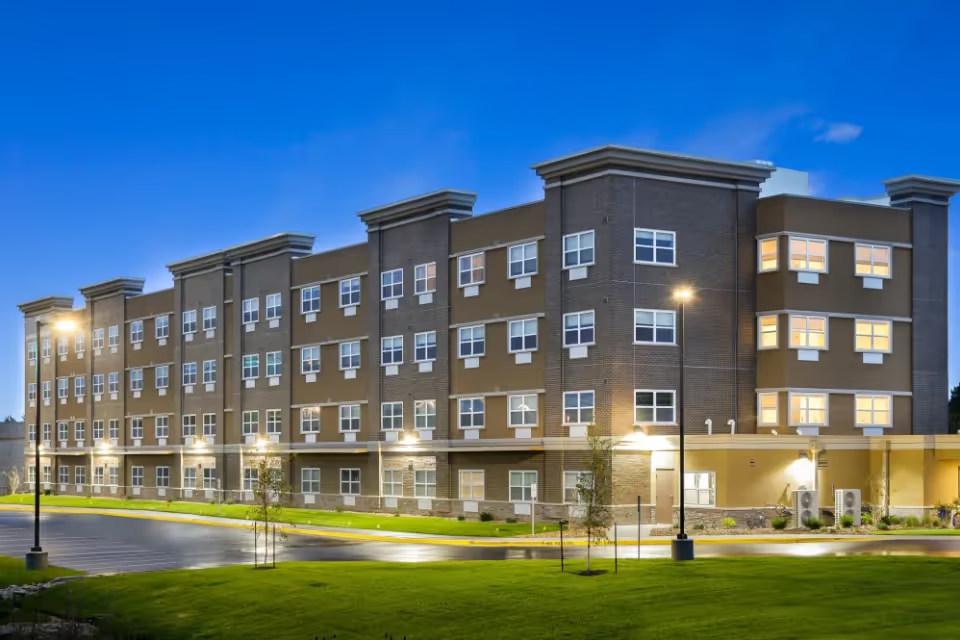
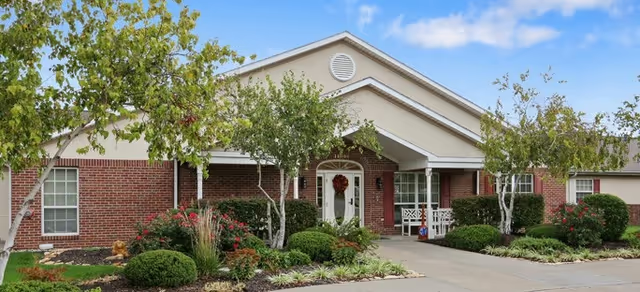
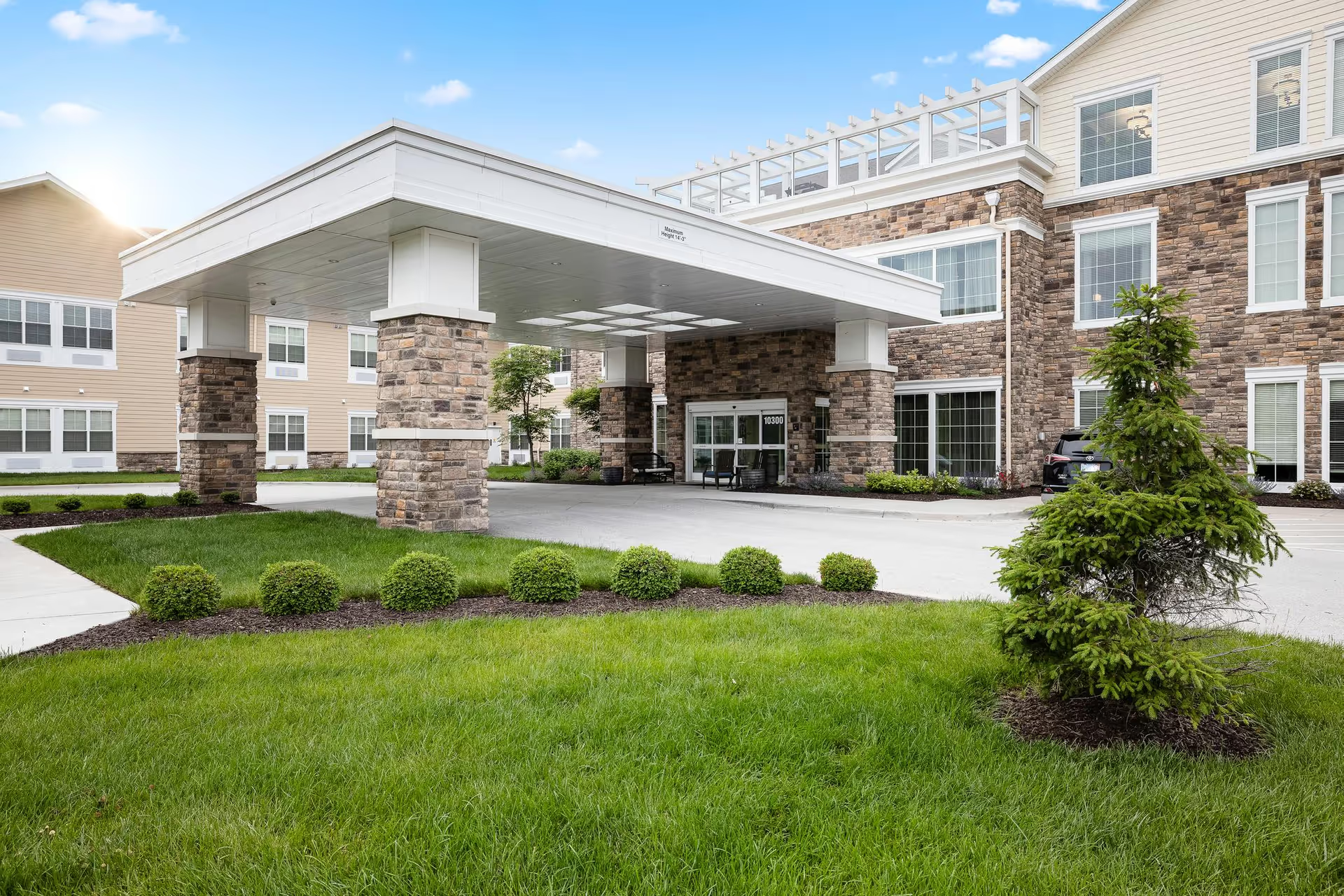
Facilities and housekeeping: Physical spaces receive positive remarks for being clean, well-lit, and home-like, with larger resident rooms and comfortable common areas. At the same time, the building is characterized as somewhat dated in places; carpeting in memory-care areas was repeatedly identified as a concern because it complicates cleaning and infection-control practices for some families. Housekeeping and laundry practices were reported inconsistently — some families praised cleanliness while others described lapses in room or clothing handling — suggesting variability in operational consistency.
Management and value: Management received mixed commentary. Several families noted a new director with a positive reputation and ongoing remodeling that indicates investment in the facility; others described frequent leadership changes and administrators stepping in when staffing was inconsistent. The facility accepts Medicaid and offers assistance with financial questions, which some families find helpful. Pricing perceptions vary: many describe the cost as reasonable for the level of service and programming, while others consider it on the higher side compared with alternatives.
Notable patterns and recommendations for prospective families: The dominant positive themes are an engaged caregiving culture, robust activity programming, and generally good dining. The dominant operational concerns are staff and leadership turnover, inconsistent staffing coverage, and gaps in medication management and household services. Prospective families should ask about current staffing stability, medication-control protocols and family notification procedures, housekeeping and laundry routines, and flooring/cleaning practices in memory-care areas. Visiting at different times of day can help assess staff consistency, meal quality, and the social atmosphere before making a placement decision.