The Village at Olathe / Anthology of Olathe elicits a mixed but clear pattern: consistently positive feedback on frontline staff, activities, and built environment contrasts with recurring operational concerns tied to leadership, clinical controls, and consistency of service.
Care and clinical oversight: Families frequently praised the caregiving staff for being compassionate, attentive, and resident-centered; memory-care programming and activity engagement were repeatedly highlighted as strengths. At the same time, several substantive operational concerns appear across accounts — most notably gaps in medication-administration controls, intermittent nurse coverage, missed clinical follow-through, and inconsistent bathing or personal-care routines. These items describe systemic vulnerabilities in clinical processes rather than isolated preferences, so prospective families should ask about current staffing ratios, medication-administration protocols, and documented clinical oversight practices.
Staff and management: Reviewers commonly describe direct-care staff, activity leaders, dining staff, and housekeeping as warm, personable, and committed. Activity staff and lifestyle specialists were singled out for creating meaningful engagement. Conversely, many accounts point to high turnover among leadership and recurring use of agency staff, which reviewers connect to uneven day-to-day consistency. Additional operational themes include concerns about weak incident documentation, variable responsiveness from management, and instances that raised questions about property controls and financial oversight. These suggest that organizational stability and leadership continuity are areas to probe during a tour.
Dining and activities: Dining is a strength for many residents — chef-led menus, bistro offerings, themed dinners, and special events receive positive comments, including descriptions of appealing dishes and private dining experiences. However, some residents find cafeteria-style service or occasional meal quality inconsistent. Activities are robust: theater screenings, bingo, crafts, social outings, exercise classes, and holiday programming are commonly praised and are a clear asset for social engagement and wellness.
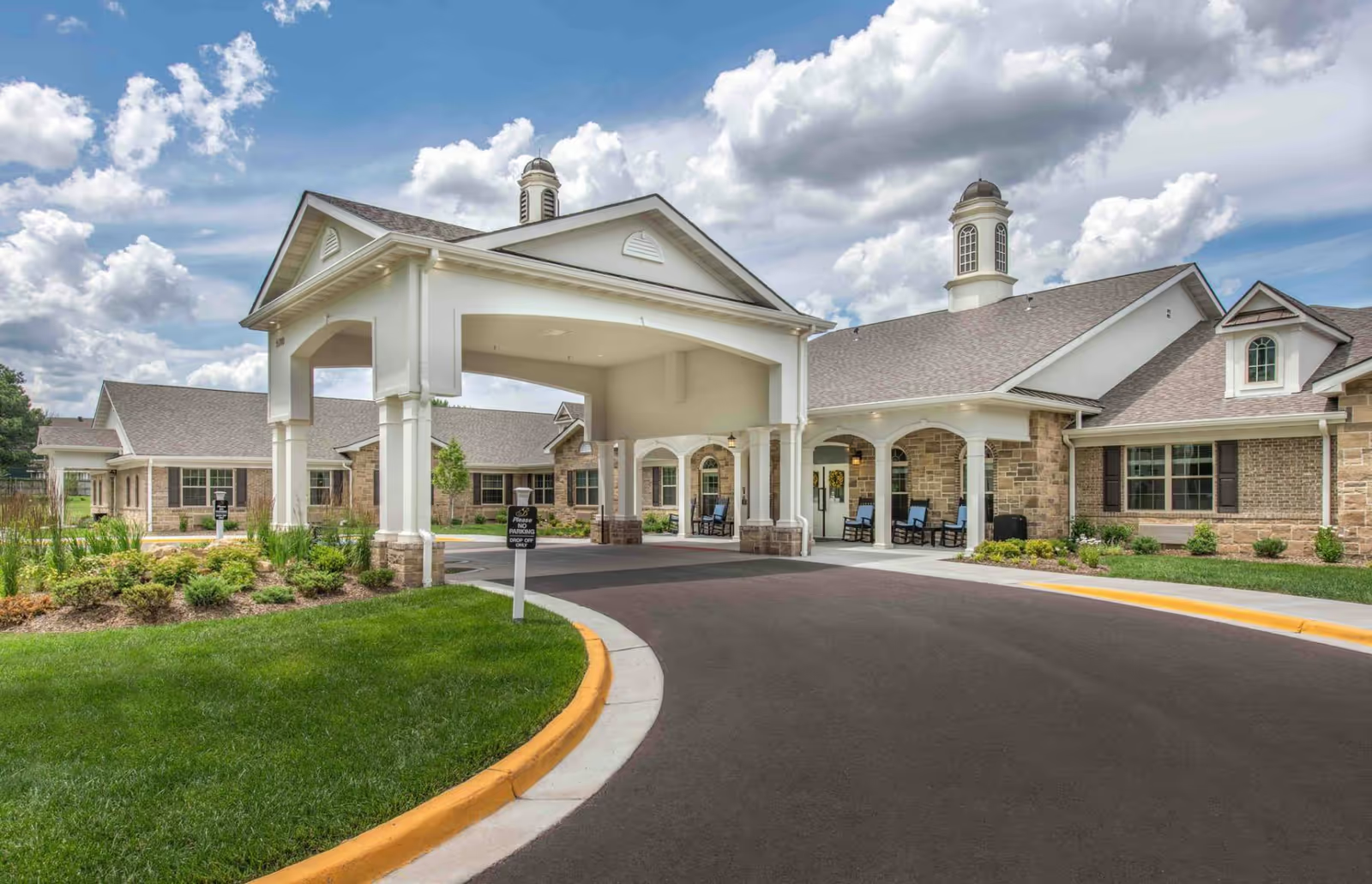
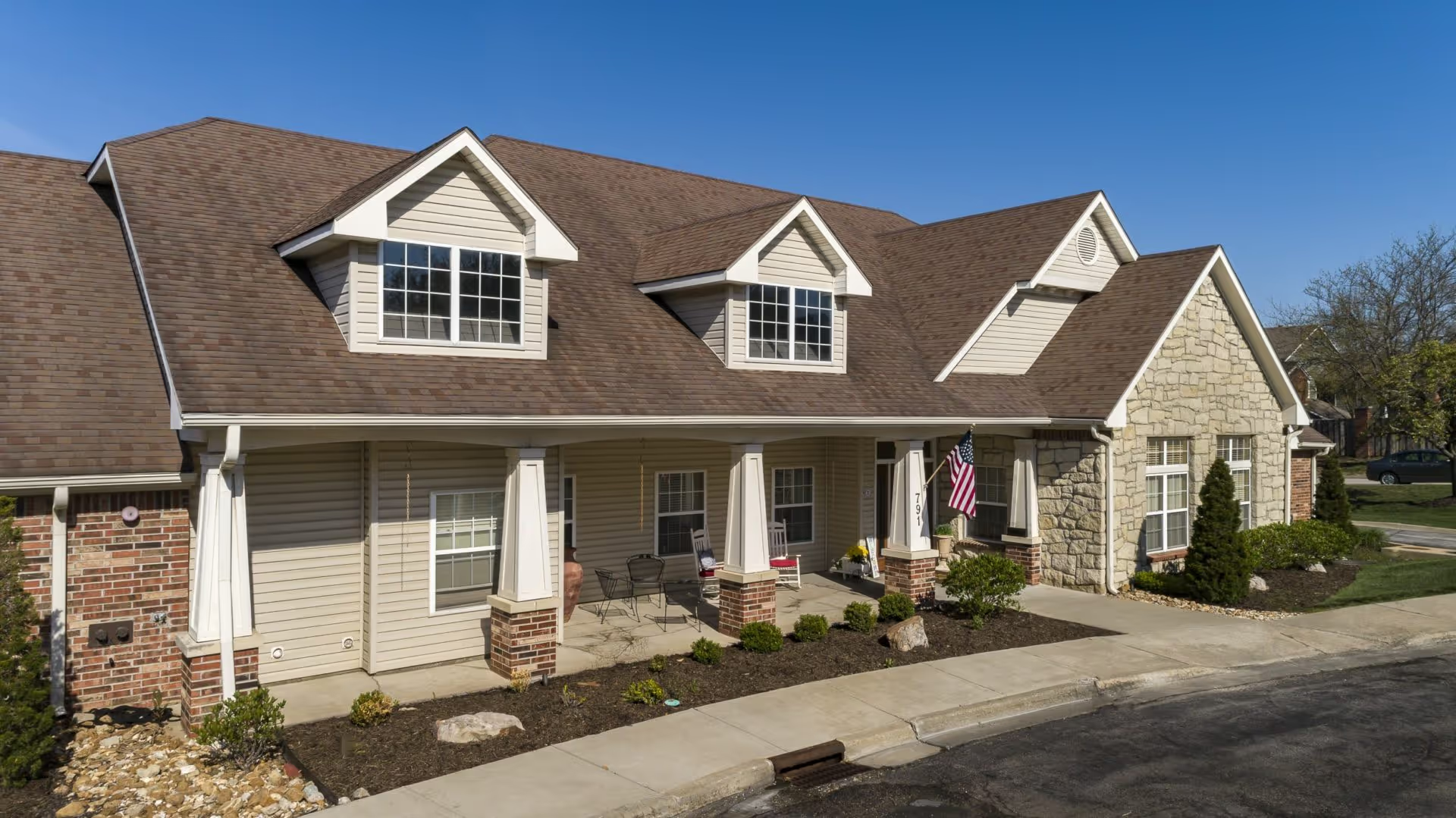
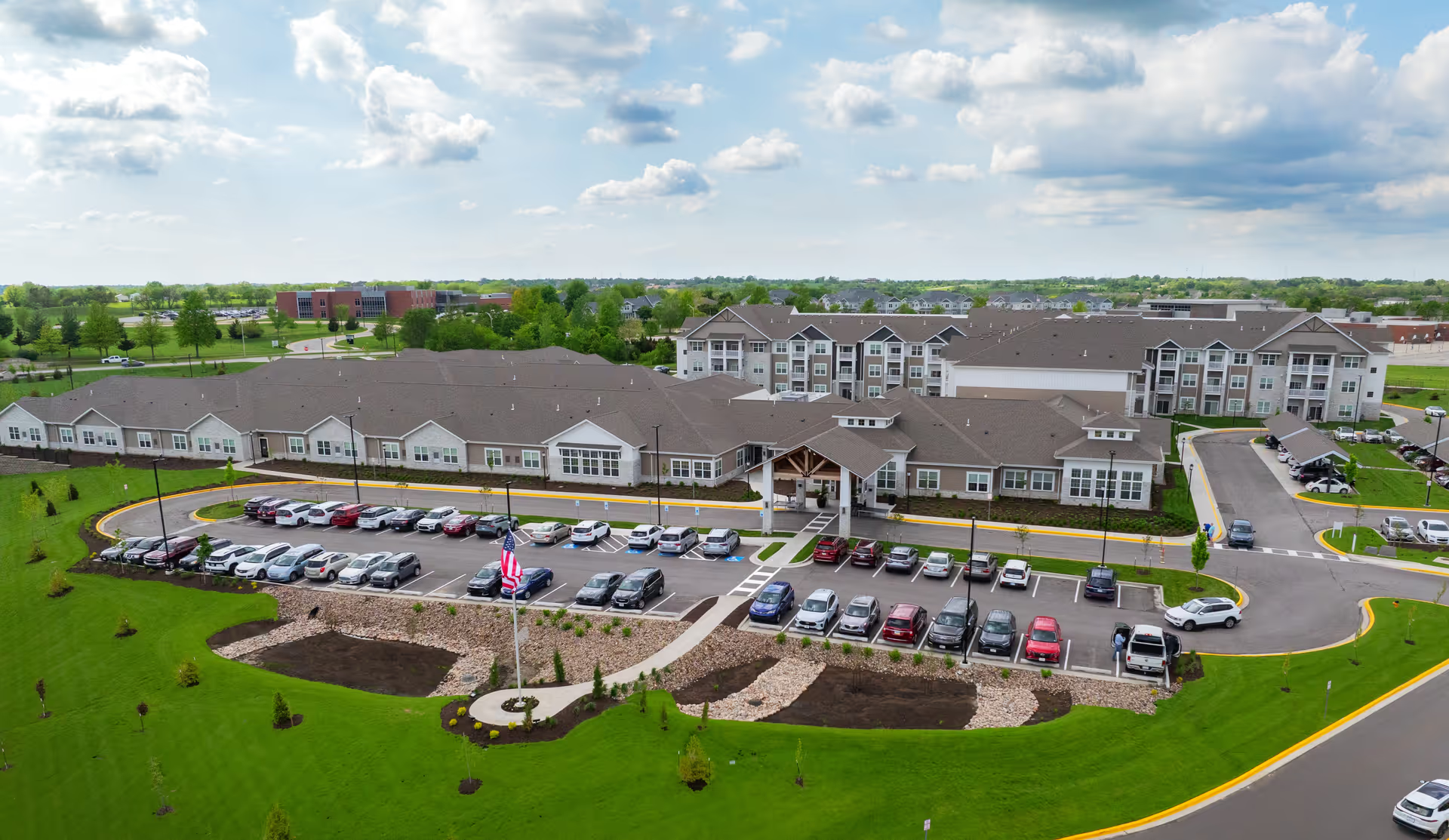
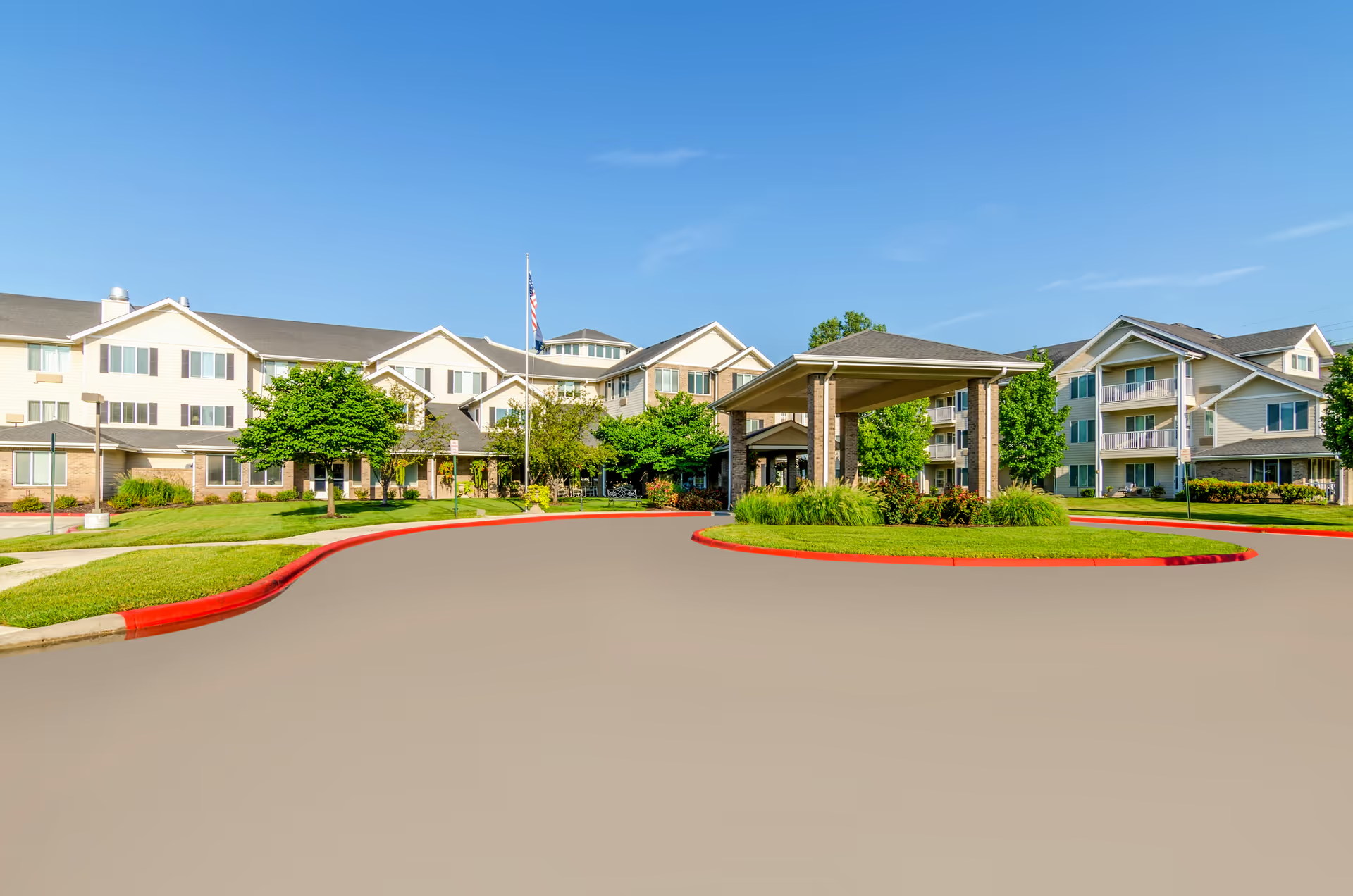
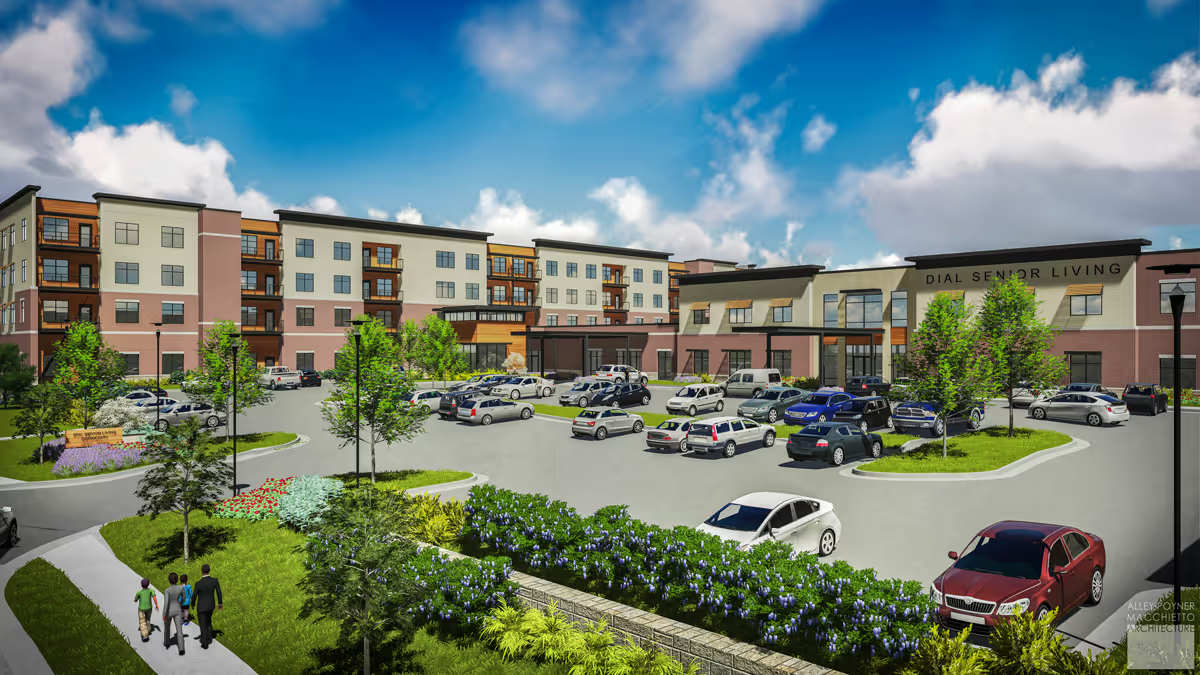
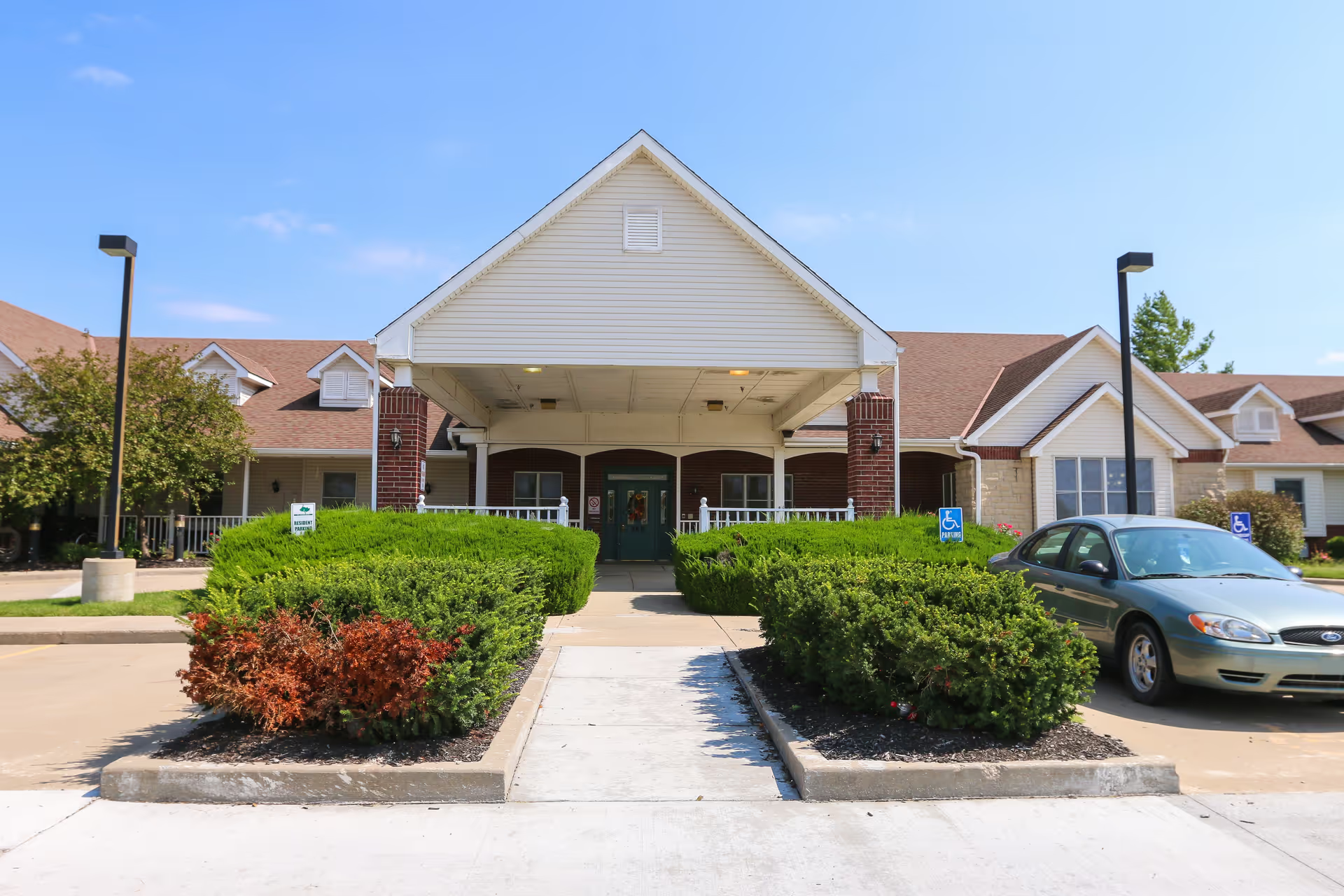
Facilities and amenities: The community is often described as clean, bright, and hotel-like, with renovated common areas, a courtyard, large apartments, and apartment-level amenities such as full kitchens and in-unit laundry. The location near medical services and accessible transport is a benefit. That said, the campus size and older-hotel design elements can create long walks between apartments and activity hubs and occasional darker corridor areas; some families noted this as a fit issue for residents with limited mobility or wayfinding challenges.
Notable patterns and recommendation: The dominant pattern is strong frontline caregiving and a lively activity environment paired with organizational and consistency risks — high leadership turnover, agency reliance, medication and documentation gaps, and occasional communication shortfalls. There are also serious individual allegations concerning personal property handling and clinical incidents; these are not presented as universal but are significant enough that prospective residents and families should inquire directly. Recommended pre-move questions include current staffing ratios for clinical and memory-care shifts, agency-staff usage frequency, medication-administration and incident-reporting protocols, property-control safeguards, and recent leadership changes. Balancing the community’s clear strengths in amenities, activities, and compassionate staff against documented operational weaknesses will help families decide whether this facility matches their priorities and risk tolerance.