Reviewers present a strongly polarized picture of Delmar Gardens of Overland Park. Many families and short-term residents praised the facility's rehabilitation programs, activities, and physical environment, while others described operational and clinical gaps that affected safety, communication, and daily comfort.
Care quality shows a split pattern. The facility's therapy services—physical therapy, occupational therapy, and speech-language therapy—are repeatedly described as skilled, persistent, and effective for stroke recovery and rehab goals. Therapy and restorative staff receive frequent commendation for producing measurable functional gains and for their hands-on attentiveness. At the same time, several reviewers raised concerns about nursing and aide coverage: inconsistent availability of CNAs, delayed medication administration or missed doses, and lapses in timely personal-care assistance. These operational inconsistencies extend to transfer and fall-prevention practices; multiple comments imply weaknesses in safe-handling procedures and post-incident coordination that families found troubling.
Staff and management feedback is mixed. Many accounts highlight compassionate, approachable staff, cheerful administration, and individual coordinators who arranged timely visits and hospital transfers. Housekeeping, maintenance, activities staff, and certain nursing leaders (DON/administrator) were singled out as strengths. Conversely, other reviews describe high staff turnover, reliance on agency nurses, signs of burnout, and uneven leadership follow-through. Several families reported slow or inconsistent communication about clinical changes and incidents; a subset described serious adverse events that led to hospitalization and concerns following a resident's death, which prompted family distress and requests for clearer incident response and notification procedures.
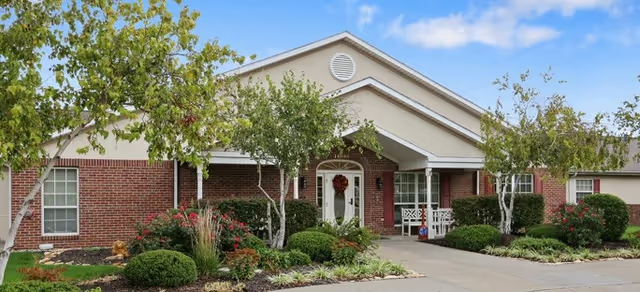
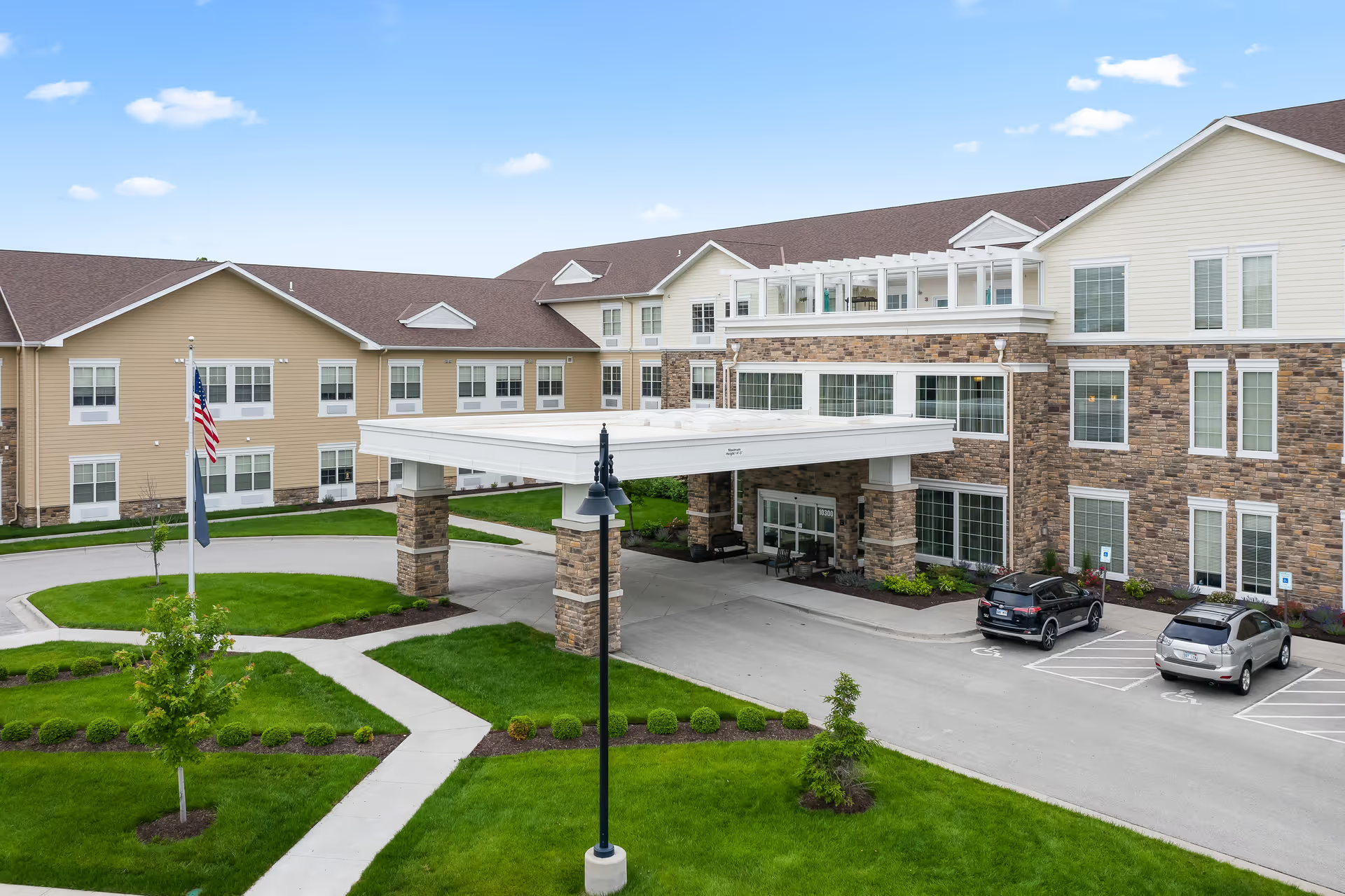
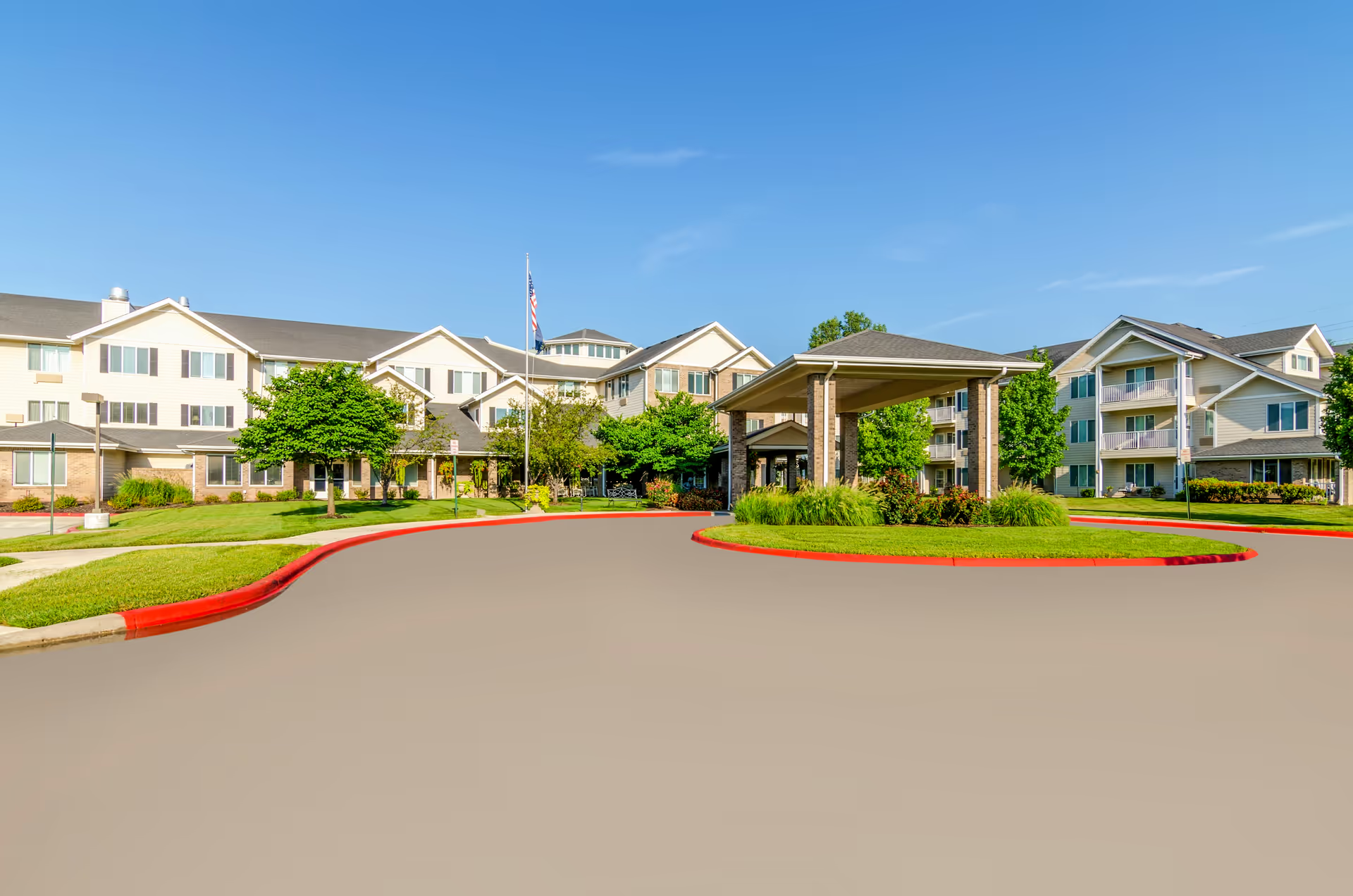
Dining and activities are frequently cited as amenities. The dining room atmosphere, service, and presentation receive positive notes, along with a robust activities calendar (music, bingo, social groups, bar area, entertainers) and available salon services. However, food quality appears variable: some reviewers praised meals (noting breakfast and service), while others described menu imbalance and preparation issues. Housekeeping and the building appearance are often commended—clean, bright, and styled with a “vibrant” or cruise-ship vibe—but a number of reviews raised sanitation and pest-control concerns specifically tied to kitchen/service areas.
Facilities and logistics reflect both advantages and constraints. The building layout, communal spaces, and social upper levels were praised for fostering interaction; shared rooms and small private-room footprints were noted as limiting privacy. Thin walls and persistent noise from other residents were repeatedly mentioned as a disruption to rest. Practical issues such as parking availability, signage and wayfinding, front-desk delivery handling, and occasional lost or mishandled resident property were called out as operational weaknesses.
Notable patterns: the facility appears to excel as a rehab-focused community with strong therapy outcomes and an engaging activities program. However, families considering longer-term skilled nursing placement should probe staffing levels, medication-management systems, fall-prevention and transfer protocols, incident-notification practices, kitchen sanitation oversight, and property-handling procedures. Prospective residents and families may find the environment uplifting and effective for short-term rehabilitation, but should verify continuity of nursing care and emergency response reliability for extended stays.