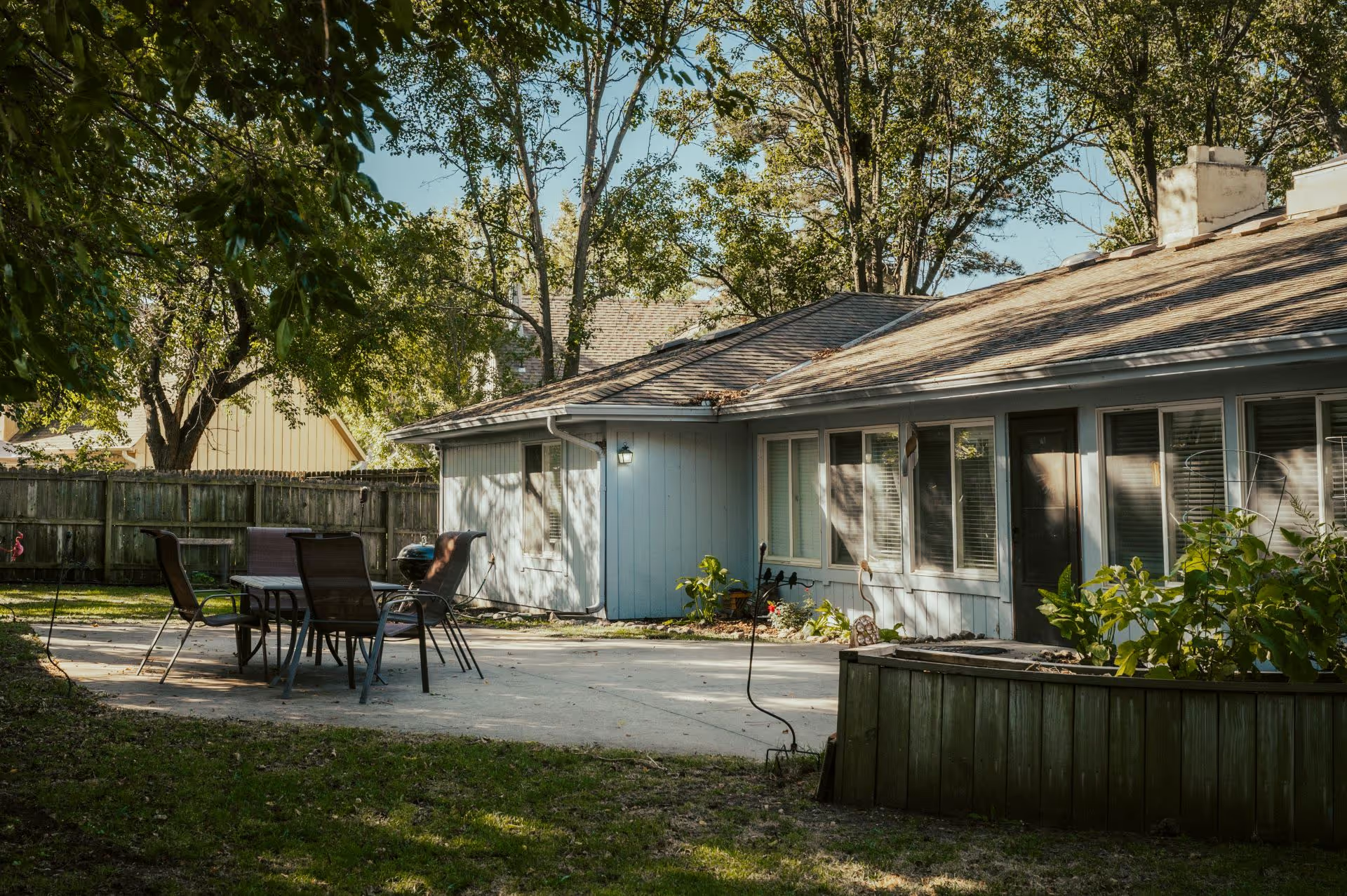
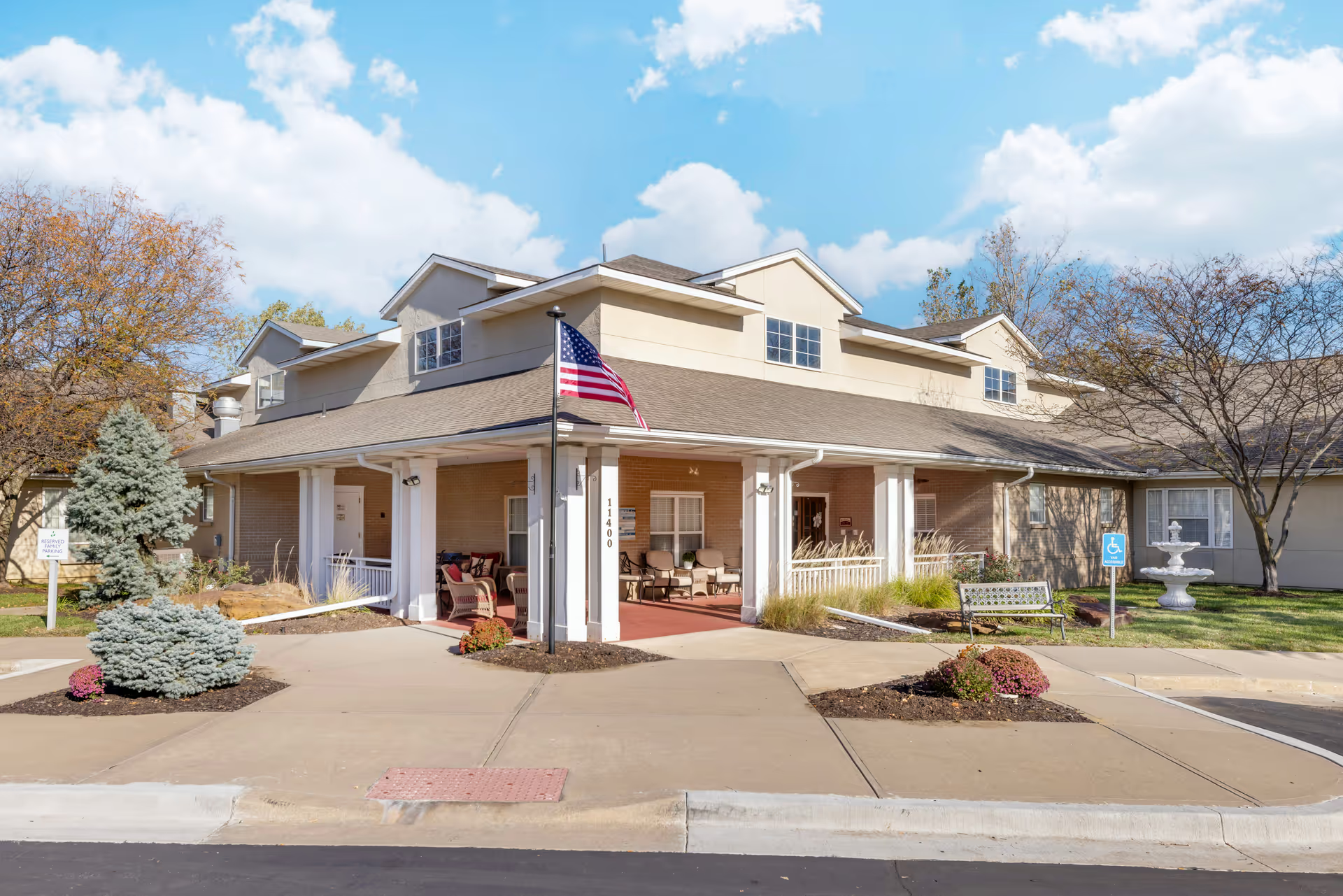
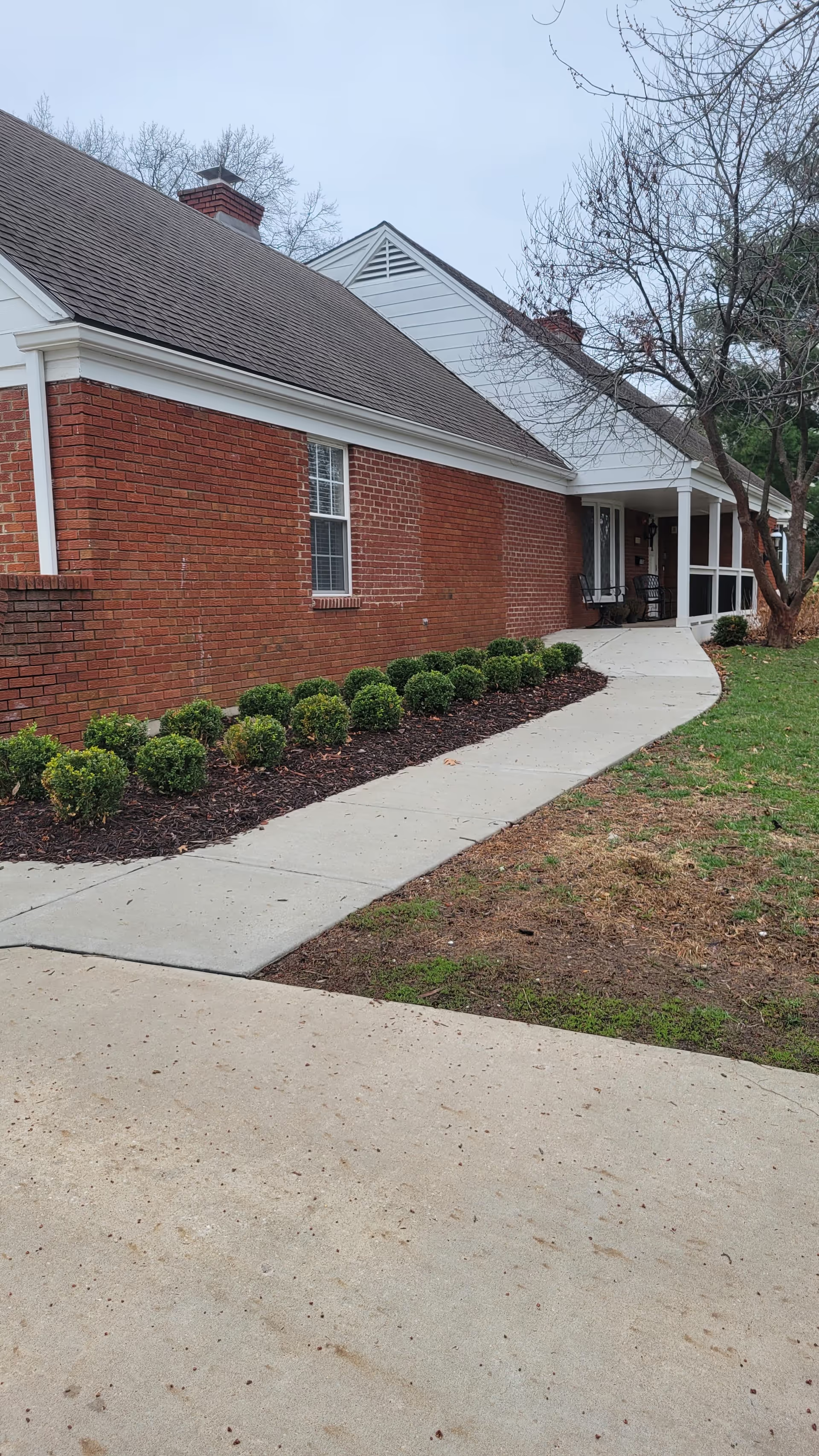
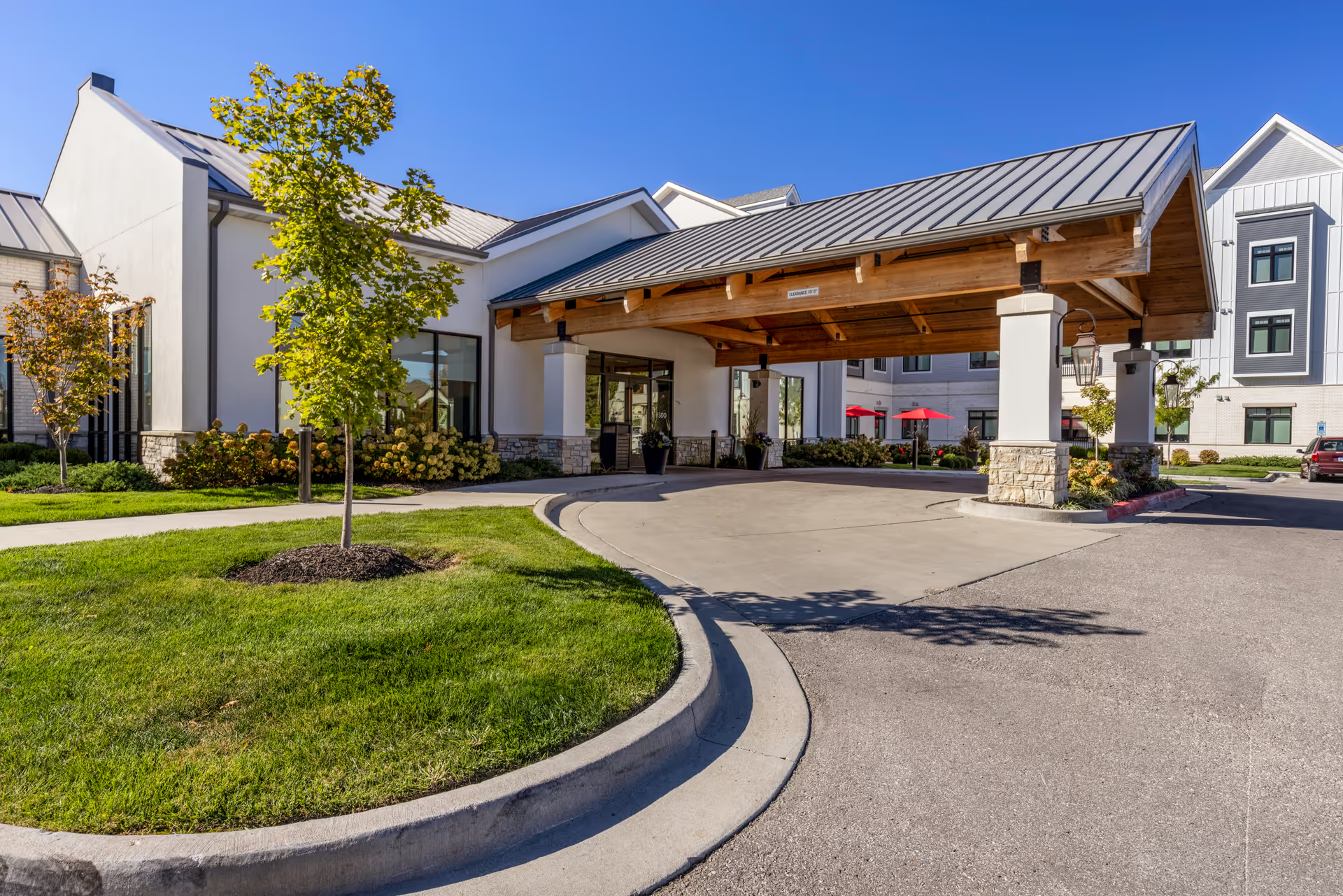
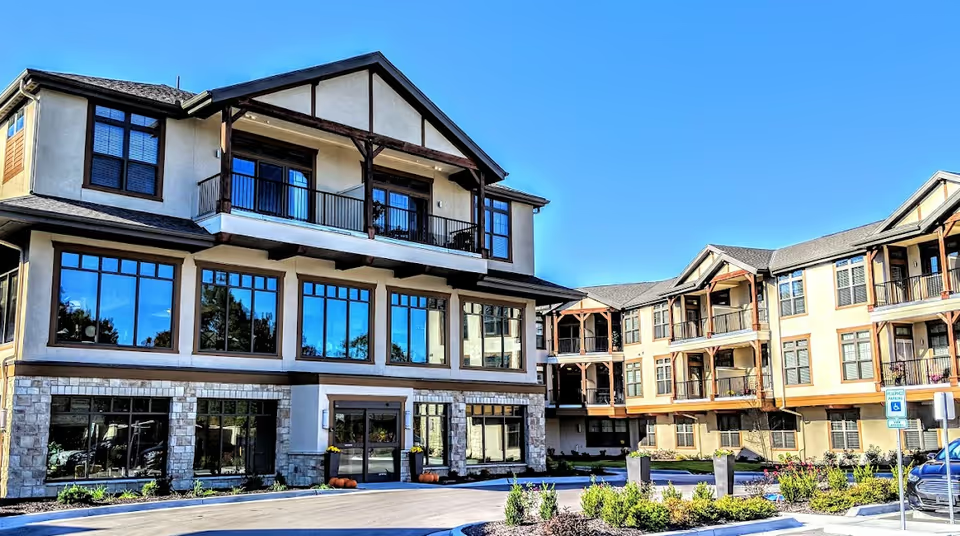
The reviews describe a facility with a largely attractive physical plant and a mix of strong clinical and administrative experiences. Many families and residents praise the building condition, cleanliness of common areas, the quality of meals, and the effectiveness of the short-term rehabilitation program. Several accounts highlight positive therapy outcomes, friendly caregiving interactions, and engaging social opportunities that supported recovery and resident satisfaction.
At the same time, there is a notable pattern of variability in clinical oversight and care continuity. Positive reports of compassionate nursing and successful rehab coexist with accounts of lapses in medication management, failures to follow discharge instructions, and readmissions to hospital. These concerns point to weaknesses in care-transition processes and medication oversight rather than single, uniform performance across the facility. Prospective families should be aware that outcomes appear to depend on unit, staffing at the time of admission, and the robustness of physician coordination.
Staffing and communication are recurring themes. Several reviewers described helpful, kind direct-care staff and effective therapy teams; others described times when nurses were difficult to reach, calls went unanswered, or front-desk communication was poor. Understaffing was specifically linked to delays in responding to resident needs and to perceived declines in care quality. Documentation and therapy-record consistency were also questioned: some families saw clear therapy plans and progress, while others found little evidence of therapy or incomplete clinical documentation.
Administrative operations present another area of mixed performance. Positive placement-assistance and an orderly admission experience are balanced by multiple accounts of billing errors, collection notices, and a perception that administrative priorities can be financially driven. Management style and professionalism were described inconsistently across reports; some visitors and families found management friendly, while others experienced unprofessional interactions.
Dining and activities generally receive favorable comments: meals were enjoyed by many residents, and fellowship opportunities were cited as a benefit. The facility's newness and overall maintenance were viewed positively in most accounts. Conversely, a small number of operational issues around meal delivery timing and responsiveness were also mentioned.
Notable patterns to consider: quality appears uneven across units and over time; strong short-term rehabilitation results are frequently reported, but skilled-nursing oversight and discharge coordination show variability. Infection-control and outbreak handling were raised as concerns in a few accounts, underscoring the importance of asking about current protocols. Practical steps for prospective residents and families include verifying physician orders and discharge plans in writing, reviewing recent state complaint history, confirming staffing levels for the intended unit, requesting copies of therapy schedules and documentation, and clarifying billing and collections policies before admission. Overall, the facility offers clear strengths in environment, rehab capability, and meal/activities programming, but prospective residents should perform targeted due diligence on clinical oversight, staffing reliability, and administrative practices.